





Introduction — Why a guide to tourist traps at Diocletian’s Palace is essential
Diocletian’s Palace (Dioklecijanova palača), in the heart of Split’s Old Town, is one of the best-preserved monumental complexes from Roman antiquity. A UNESCO World Heritage site, it draws hundreds of thousands of visitors each year who wander its alleys, admire the Peristyle, climb the cathedral bell tower and descend into the famous cellars (Podrumi). Yet beneath the obvious beauty of the site lie classic tourist pitfalls: poorly managed queues, unlicensed guides, overpriced restaurants, pushy street vendors and unclear boat tour offers. Without preparation you risk overpaying, wasting time and sometimes missing the authentic side of Split.
This guide is for any traveler who wants to visit Diocletian’s Palace smartly and calmly. It combines practical information (exact addresses, typical opening hours, prices in euros) with concrete local tips to avoid scams. You’ll find recommendations on where to buy official tickets, how to pick a legitimate guide, how to spot honest restaurants and how to plan visits during the quietest times. The goal is simple: preserve the immersive experience of the site — from the Peristyle columns to the maze of medieval alleys — without falling into traps that distort your impression of the place.
The Palace is alive: its cafés, shops, residents and cultural events create a unique atmosphere. But that vitality also attracts opportunistic commercial players. As an informed traveler you can fully enjoy the site: access museums and the cathedral efficiently, join official guided tours, taste authentic Dalmatian dishes and keep your valuables safe. This guide will give you concrete reference points — addresses like Katedrala Svetog Duje, Kraj Sv. Duje 3, 21000 Split, or the Riva promenade, Obala Hrvatskog narodnog preporoda, 21000 Split — and tell you when to pay, where to pay and whom to trust.
1) Common traps in and around the Palace: queues, hidden entrances and street sellers
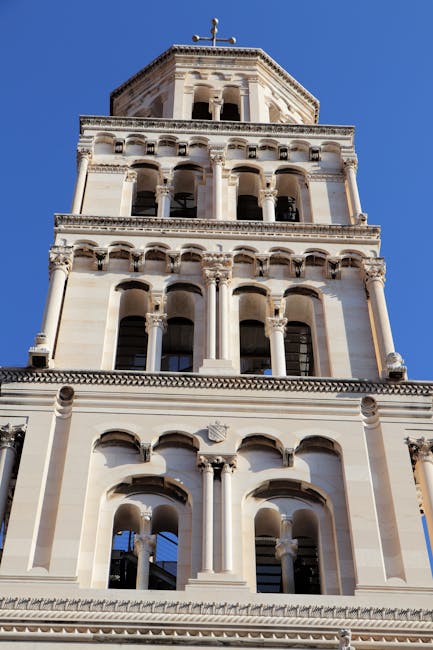
The most common traps are organizational and visual. When you arrive at Diocletian’s Palace (main entrance around the Peristyle – Peristil), expect queues for the cathedral, the cellars and the bell tower climb. Katedrala Svetog Duje (Cathedral of Saint Domnius), located at Kraj Sv. Duje 3, 21000 Split, is a must-see; in high season the line to enter the baptistery or to buy a bell tower ticket can be long. Typical hours: cathedral 9:00–19:00 (summer), 9:00–17:00 (winter). Approximate prices: cathedral + baptistery entry ~€5–€7, bell tower climb ~€6–€8. These rates can vary; buy your tickets at the official ticket office or on the tourism office website.
A classic trap is following a group of people toward a so-called « fast entrance » offered by unofficial individuals. These people do not represent the cathedral or palace services. They may try to sell you inflated tickets or steer you toward private attractions. Stick to the official ticket window, identifiable by signs reading « Muzej » or « Ticket Office. » The palace cellars (Podrumi) have an official entrance near Papalićeva ul.; cellar access usually costs around €5 and opening hours range between 9:00 and 18:00 depending on the season.
Street vendors around the Riva (Obala Hrvatskog narodnog preporoda, 21000 Split) and on the Peristyle sell postcards, hats and jewelry. Some items are overpriced duplicates. For souvenirs, avoid the shops right next to the Peristyle: prices there are often 20–50% higher than in the alleys a bit further back. Tip: compare at least three shops before buying, ask if the price is firm and know that haggling is tolerated in many cases for high-margin items.
2) Guides, organized tours and boat trips: how to spot trustworthy offers
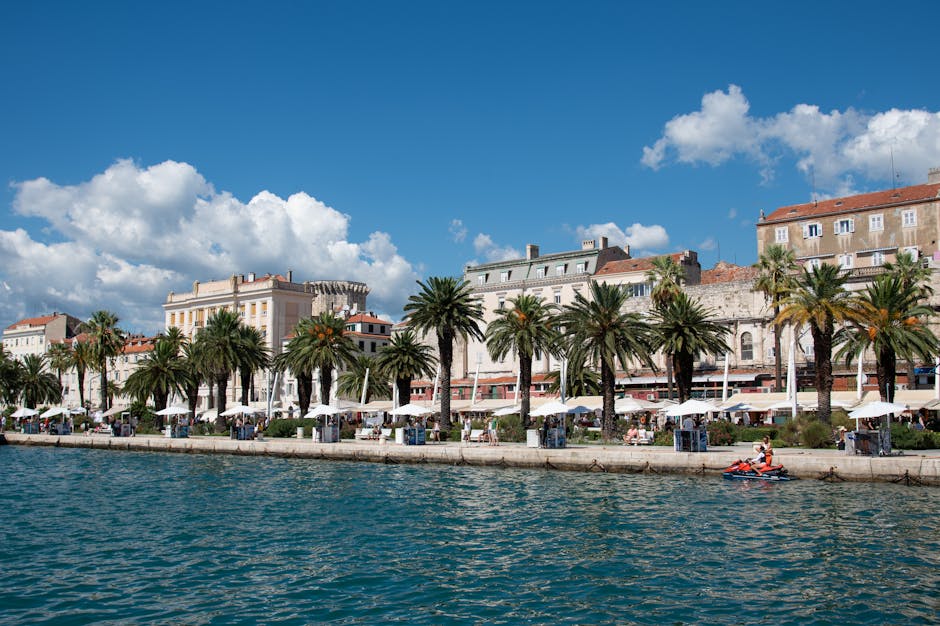
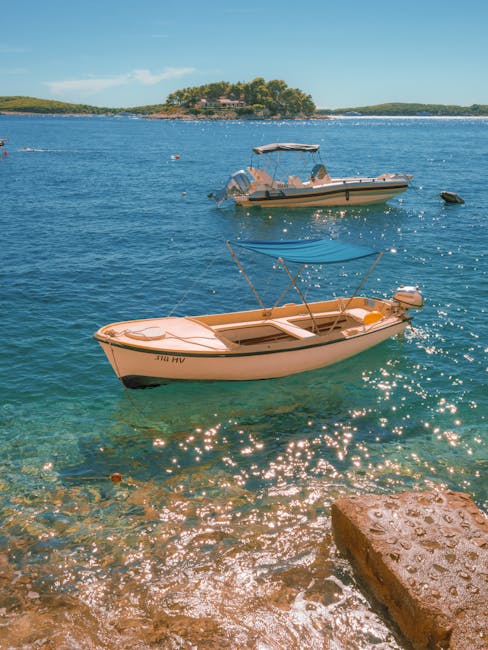
Many agencies offer guided tours and boat trips from the Riva promenade and Split port. Key address: Split Ferry Port (Trajektna luka, Obala kneza Trpimira/Port area), the departure point for many sea services. Common scams include prices advertised as « from € » that don’t include taxes or transfers, fake skippers proposing unauthorized stops, and agencies that cancel at the last minute citing « weather conditions. » Excursion prices vary widely: a one-way crossing to Hvar or Brač can cost between €15 and €35 per person for a catamaran; full-day boat trips with swimming stops and lunch generally range from €40 to €100 depending on boat size and whether food is included.
To choose a reliable tour: favor established agencies with a physical address and verified reviews. Practical recommendations: the company Jadrolinija (regular ferries) operates from the main port; buy tickets at the official counter or on jadrolinija.hr to avoid resellers. For private or half-day trips ask for a written contract stating the total price in euros, planned stops, exact duration and cancellation terms. If an offer sounds too good (too cheap to cover fuel, skipper and insurance), it’s likely incomplete.
About guides: only officially registered guides (tourist license) can legally charge for historical guided tours inside the palace. These guides often carry an ID card and badge; they sometimes offer tours in English, French, German and Italian. Indicative price for a private 2-hour guided tour: €40–€70 for a small group (3–6 people), varying by season. Tip: book in advance via the Split Tourist Board (Office of the Split Tourist Board, Trg Republike Hrvatske 1, 21000 Split) or ask to see the guide’s license before paying.
3) Restaurants, cafés and bars: how to avoid culinary traps and inflated bills
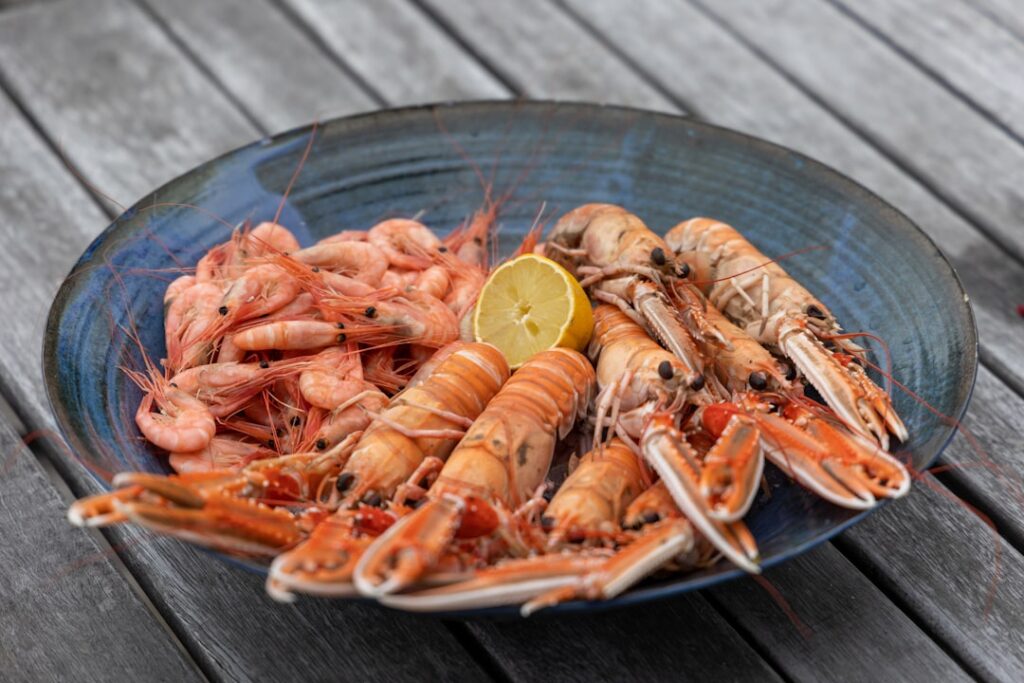
Dalmatian cuisine is excellent, but location often inflates the bill. On the Riva (Obala Hrvatskog narodnog preporoda, 21000 Split) and around the Peristyle many restaurants offer « tourist » menus at higher prices. A common trap is an unannounced « cover » (service charge) or an extra terrace surcharge. Price examples: espresso €2–€3 on the Riva vs. €1.20–€1.80 a bit further back; a fish main course at a tourist restaurant €18–€35, while in an authentic konoba (local tavern) further from the historic center you’ll often pay €10–€18 for a hearty dish.
Tips for eating without getting ripped off:
– Check the menu before sitting down and verify whether prices include service. Menus should clearly display prices in euros or kunas; ask for a conversion if needed.
– Avoid restaurants that loudly « hail » you from the street. These places often try to fill tables quickly and constantly turn over customers.
– For authentic local food look for konobas on streets perpendicular to the Riva or slightly set back, for example in the alleys leading to Marmontova ul. (Marmontova promenade). Fair prices and generous portions are more common there.
– For a quick, informal meal try burek shops or local pizzerias, often cheaper (€3–€6).
Check the bill before paying: some restaurants may add unauthorized items (automatic aperitifs, complimentary snacks). If a server puts something on the table, confirm the cost before consuming it. Finally, for a safe and quality dining experience look for places recommended by the tourist office or reputable local guides, and read recent reviews on reliable platforms.
4) Safety, pickpockets and accessibility for people with reduced mobility
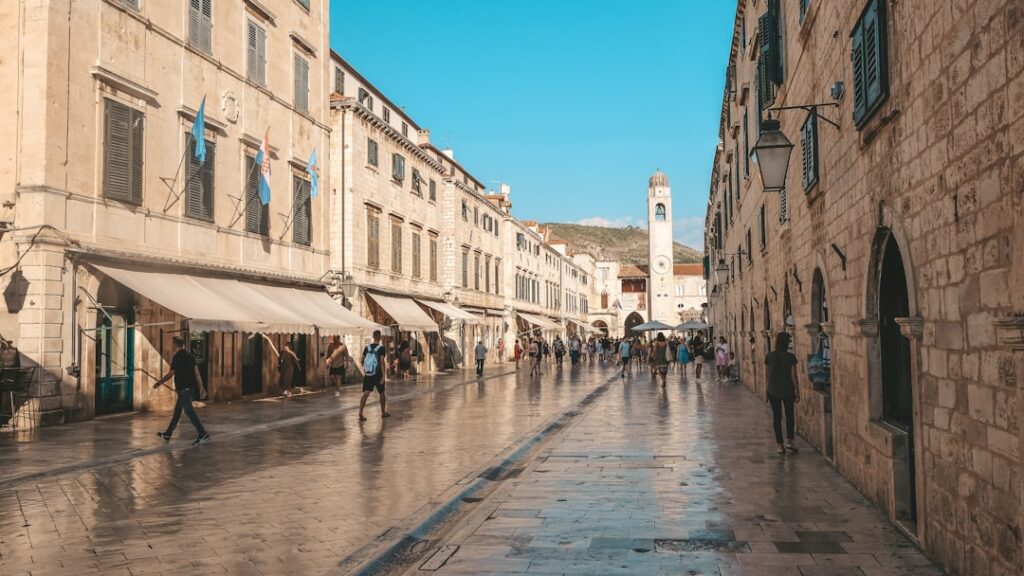
Split’s Old Town is generally safe, but tourist density attracts pickpockets, especially during peak times at the Peristyle, museum entrances and on tourist buses. The busiest spots: Peristyle (Peristil), Riva (Obala Hrvatskog narodnog preporoda), and around the fish market (Pazar) near Trg Braće Radić. To minimize risk follow these rules: keep valuables in a closed inner pocket, avoid taking out large smartphones in crowds and split your payment methods (card + small amount of cash). Pickpockets often work in teams: distraction plus search. Stay alert when taking group photos where attention drops.
Accessibility: the Palace, with its stone slabs and ancient steps, poses challenges for people with reduced mobility. Some areas, like the cellars (Podrumi) and the cathedral bell tower, are not wheelchair accessible. The Split Tourist Board (Trg Republike Hrvatske 1, 21000 Split) is a good starting point to obtain accessibility maps and information on accessible routes. The Riva promenade is largely accessible and provides a good vantage point to appreciate the palace without climbing steps.
Transport and final tips: to reach the palace from the bus station (Autobusni kolodvor Split, Ul. Domovinskog rata 35B, 21000 Split) or the train station (Glavni kolodvor, Obala kneza Trpimira), walk 10–20 minutes depending on your arrival point. Official taxis display a logo and a meter; refuse rides without a meter and prefer local ride-hailing apps if available. In short, common sense, preparation and a bit of local savvy will let you enjoy Diocletian’s Palace without unpleasant surprises.
Conclusion — Enjoying the Palace without getting caught: summary and final recommendations
Visiting Diocletian’s Palace is a memorable experience if you avoid the traps that can spoil it. Keep these points in mind: buy your tickets at official counters or recognized websites, check a guide’s identity and license, compare tour offers before committing, and watch restaurant and souvenir prices. Use the tourist office (Trg Republike Hrvatske 1, 21000 Split) to get maps, exact opening hours and official contacts. For boat trips favor established companies like Jadrolinija and request written confirmations.
Practically speaking, carry a small amount of euros for tips or quick purchases, but spread your payment methods to avoid losing everything in case of theft. In high season plan your visits early in the morning (around 8:30–9:00) to enjoy the Peristyle in peace, or late afternoon for beautiful light and fewer crowds. Take the time to explore the less-visited alleys, where authentic konobas, artisan shops and surprising viewpoints hide.
Finally, remember that the richest experiences often come from slowing down: sit for a while on the Riva (Obala Hrvatskog narodnog preporoda, 21000 Split), watch the locals, listen to street musicians and soak in the living history that makes Diocletian’s Palace a vibrant place. With a little preparation and these practical tips you’ll fully enjoy this exceptional site without falling into tourist traps. Enjoy your visit and travel smart!