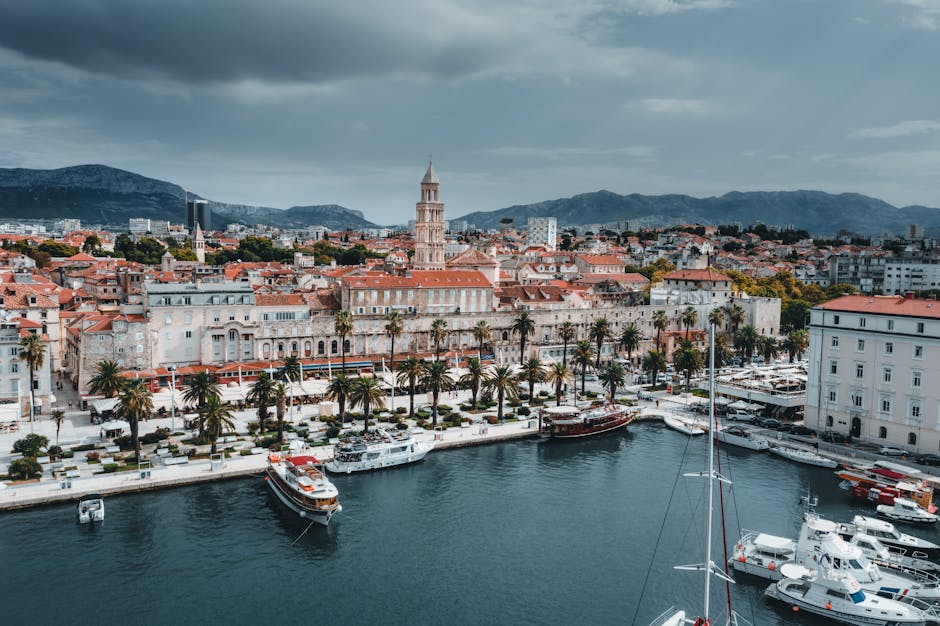






Introduction — Getting Ready for Your First Visit to Split
Split, Croatia’s second city and the gateway to the Dalmatian islands, is where ancient history meets modern Mediterranean life. Once an imperial residence, the city grew around the Diocletian’s Palace, an outstanding Roman complex listed as a UNESCO World Heritage site. But Split is more than stone and ruins: it’s beaches within reach, wooded hills, a bustling market, seafood cuisine and ferry links to Hvar, Brač and Vis. For a successful first visit, blend historical sightseeing with relaxed strolls and local experiences (a coffee on the Riva, a grilled fish dinner, a sunset swim).
This guide highlights the 10 must-sees you shouldn’t miss on your first trip to Split. Each entry includes the exact address, typical opening hours, entry prices in euros where relevant, an immersive description and practical tips to save time, avoid crowds or spot details many guides overlook. The info below is tailored for travelers seeking a balanced mix of culture, viewpoints, relaxation and local flavors. Bring comfortable shoes: the historic center is paved and the Palace’s alleys beg to be wandered.
Before you go, keep a few local tips in mind: in high season (July–August) start major visits early to avoid the heat and queues; consider a combined ticket for some Palace sites; try Dalmatian specialties (pašticada, grilled calamari, local prosciutto) in a traditional konoba; and book island crossings a day or two ahead if you’re traveling for the weekend.
Throughout this guide you’ll find visual markers 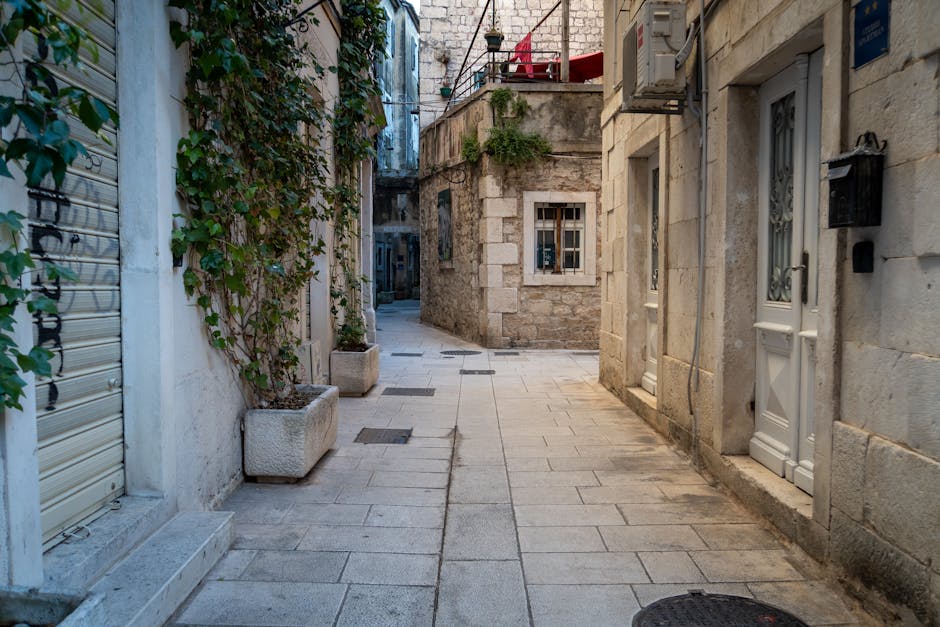 placed where a photo or preview will help you picture the place before you go. Each must-see is numbered and laid out for easy reading and planning. Enjoy discovering Split — a city that blends the ancient and the lively in the most Mediterranean way.
1. Diocletian’s Palace — Dioklecijanova ul. 1, 21000 Split, Croatia
Hours: access to the Palace streets is open 24/7; indoor monuments usually open 09:00–19:00 (hours vary by season). Price: wandering the streets is free; some sections (cellars, basements) cost around €7–10.
Diocletian’s Palace is Split’s historic heart — a fortified palace built in the late 3rd century for the Roman emperor Diocletian. Enter through the north gate (Porta Septemtrionalis) or the Golden Gate (Porta Aurea) and wander among shops, cafés and ancient monuments, surrounded by living Roman walls. Don’t miss the Palace’s basements, which preserve the atmosphere of the imperial service areas. The Peristyle, the former central atrium, is an impressive space often hosting small musical performances.
Tips: arrive early for photos without crowds and book a ticket for the cellars if you want to explore the restored galleries. Streets are cobbled and sometimes narrow — skip high heels. Allow at least 2 hours to visit the cathedral, crypts and the nearby market.
2. Cathedral of Saint Domnius — Kraj Svetog Duje 5, 21000 Split, Croatia
Hours: Cathedral 07:30–19:00 (varies); Bell tower 08:00–19:00. Price: cathedral entry is free for mass; access to the treasury and bell tower around €5–10 depending on season.
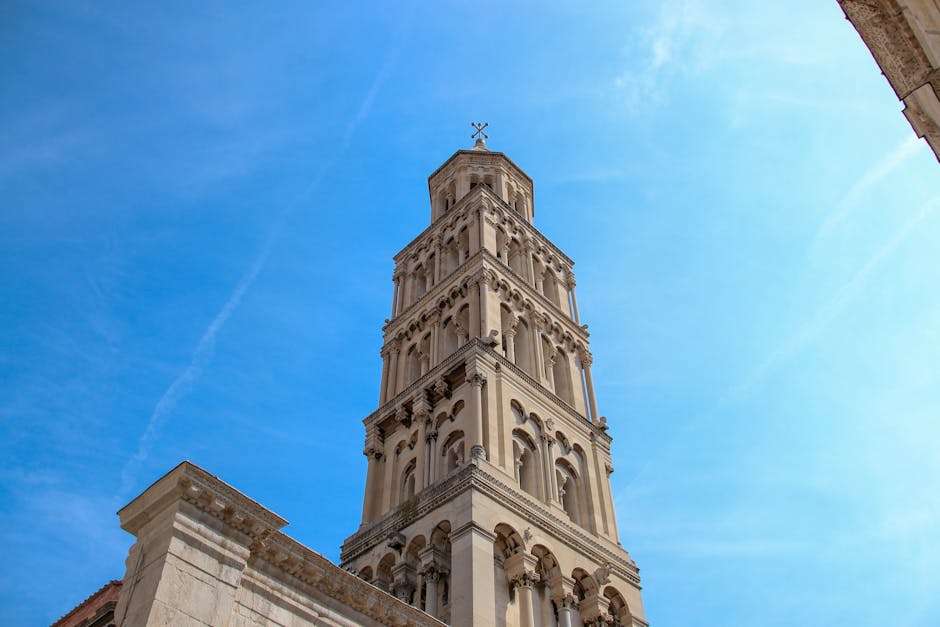
The cathedral, dedicated to Saint Domnius (Sveti Duje), is one of the rare examples of an imperial mausoleum converted into a Christian church. It’s worth climbing the bell tower for panoramic views of the Palace and the sea. Inside you’ll see a mix of Romanesque and Baroque architecture and a 12th-century capital that draws the eye. The cathedral’s treasury displays medieval relics and precious liturgical ornaments.
Tips: go early or late afternoon for the best light over the city. The bell tower has narrow steps — wear sturdy shoes. Respect service times if you wish to attend mass and keep a quiet tone inside.
3. The Riva — Obala Hrvatskog narodnog preporoda, 21000 Split, Croatia
Hours: promenade open 24/7; cafés and shops usually 07:00–23:00. Price: strolling is free; café prices range from about €2.50 (espresso) to €6–8 (cocktail) depending on location.
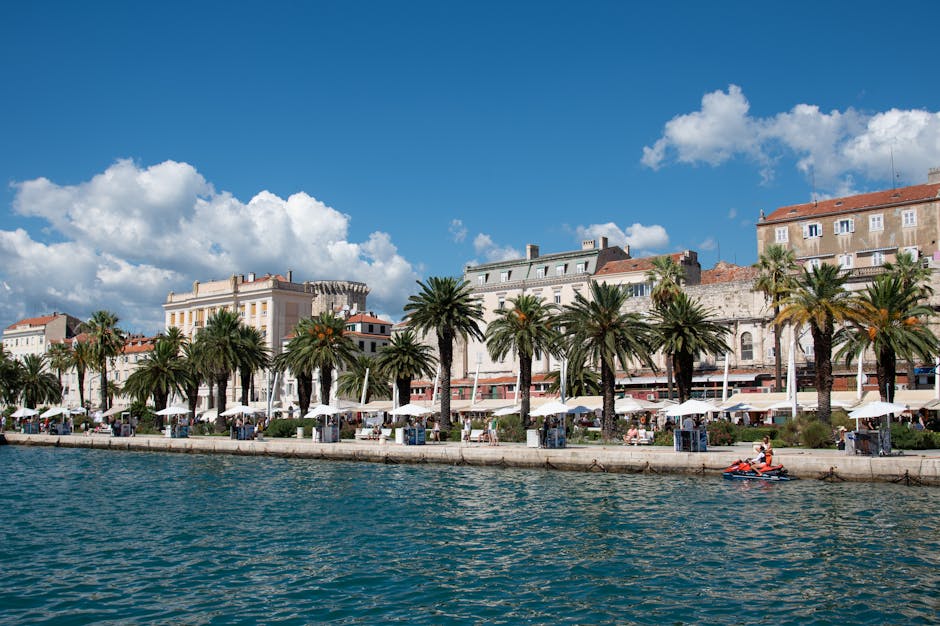
The Riva is Split’s iconic seaside promenade, lined with palm trees, cafés and restaurants. It’s the perfect spot to people-watch: morning joggers, families at sunset, boats heading to the islands. The terraces offer an excellent vantage point for watching harbor activity and admiring the palace’s waterfront façade.
Tips: for a cheaper coffee, choose cafés a little off Obala Hrvatskog narodnog preporoda. In summer, book a table if you want to dine on the promenade. For photos, look for benches facing the harbor at sunrise or dusk.
4. Bačvice Beach — Bačvice, 21000 Split, Croatia
Hours: beach open all day; lifeguards typically on duty 09:00–18:00 in summer. Price: free access; sunbed/umbrella rentals around €8–15 per day.
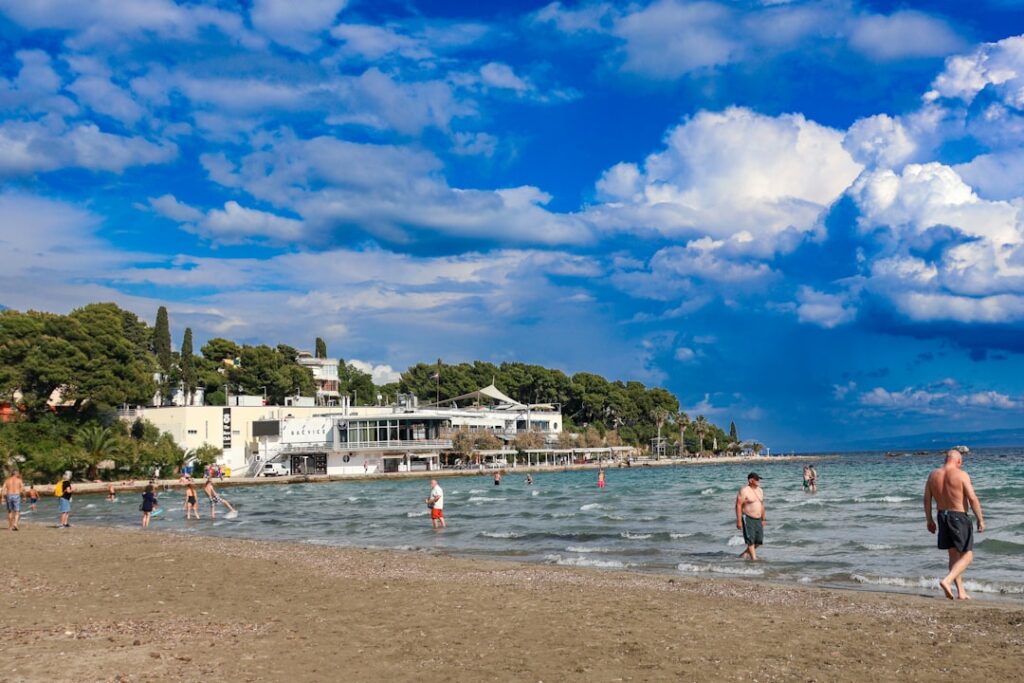
Bačvice Beach, a few minutes from the center, is famous for its fine sand and lively atmosphere. It’s where locals play picigin, a traditional informal beach game played in shallow water. Bars and ice cream shops line the promenade, offering refreshments after a swim.
Tips: arrive early in summer to find shade and beat the crowds. If you prefer calmer water and fewer people, explore the small rocky coves west of the beach. Bring water shoes if you plan to swim from the rocks.
5. Marjan Hill (Marjan Forest Park) — Marjan, 21000 Split, Croatia
Hours: park open 24/7; museums and visitor points 09:00–17:00. Price: free access; hill museums around €2–5.
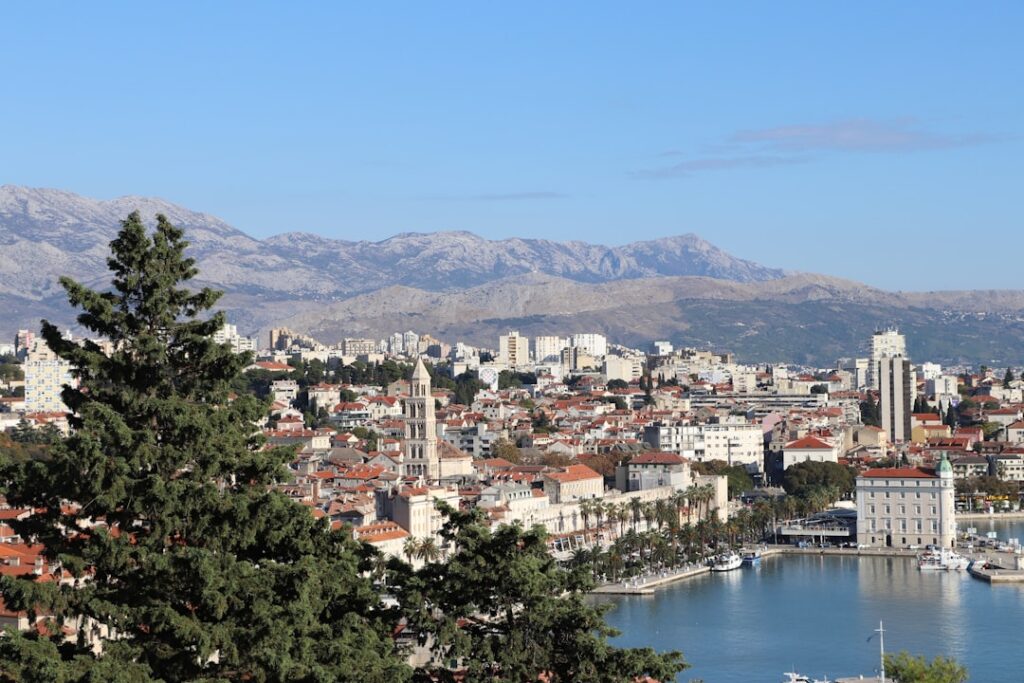
Marjan is Split’s green lung: a wooded hill with numerous trails, panoramic viewpoints and small historic chapels. Paths lead to scenic overlooks (vidikovac) where you can see the harbor, the palace roofs and the Adriatic. Locals come here to run, mountain bike or picnic.
Tips: walk up from the center (about 20–30 minutes) to enjoy the views; bring water and a hat in summer. The St. Nicholas chapel and the small coves around the hill make peaceful stops away from the tourist crowds.
6. Fish Market & Green Market (Peskarija & Pazar) — Obala Hrvatskog narodnog preporoda / Tržnica Pazar
Hours: fish market (Riblja Pijaca) 07:00–13:00; Pazar (green market) 06:00–14:00. Price: free entry; fresh produce prices vary (whole fish €8–25/kg depending on species).
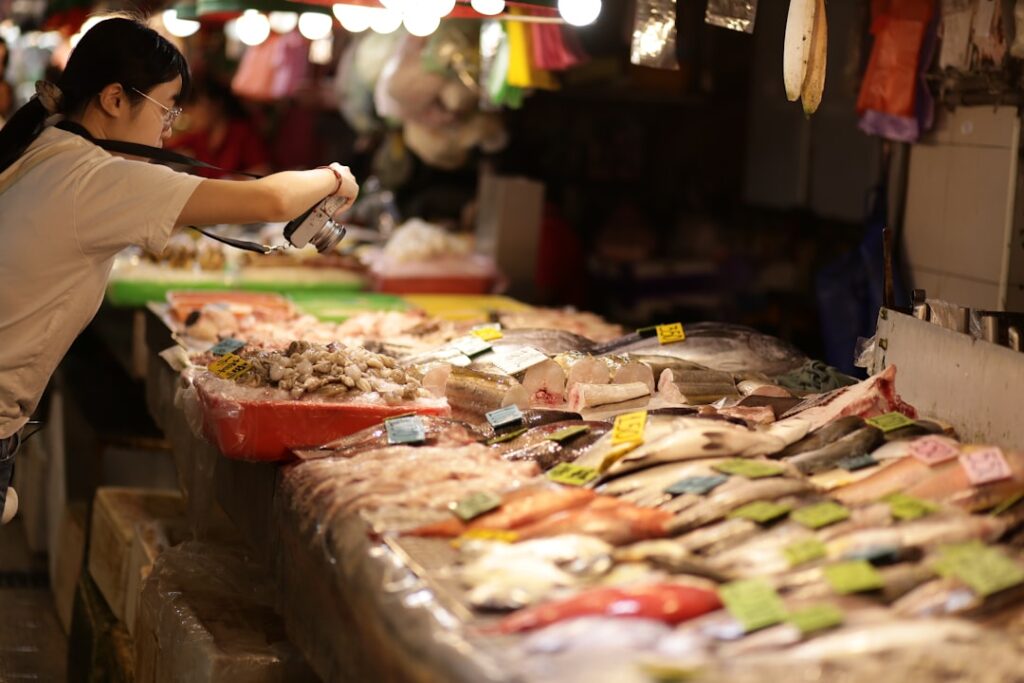
The fish market on the quay and the adjacent Pazar green market offer a lively taste of Dalmatian produce. Freshly landed fish, aromatic herbs, olives, local cheeses and seasonal fruits create a vivid sensory scene. Strolling here early in the morning lets you buy straight from fishermen or grab a local breakfast nearby.
Tips: if you’re staying in an apartment, pick up fresh ingredients for a simple lunch. Don’t hesitate to taste local cheeses and ask vendors for cooking suggestions. Bargaining is limited but polite.
7. Ivan Meštrović Gallery — Ul. Augusta Šenoe 8, 21000 Split, Croatia
Hours: 10:00–18:00 (closed Mondays off-season). Price: entry around €5–8.
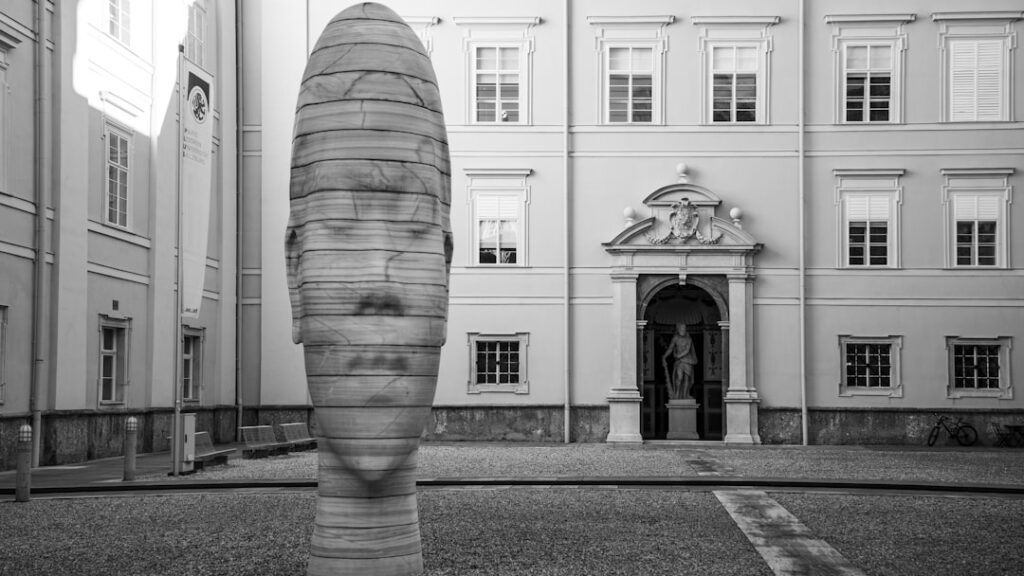
Dedicated to one of Croatia’s most famous sculptors, the gallery displays sculptures, drawings and archives in a villa-museum set within a Mediterranean garden. Ivan Meštrović’s work blends religious and heritage themes, and his presence is strongly felt in Split, where several of his sculptures decorate the city.
Tips: pair the visit with a walk to the villa’s terrace for a quiet, photogenic moment. The gallery shop sells reproductions and books that are great if you want to dive deeper into the artist’s work.
8. Gregory of Nin Statue — Near Peristyle, Diocletian’s Palace, 21000 Split, Croatia
Hours: freely accessible 24/7. Price: free.
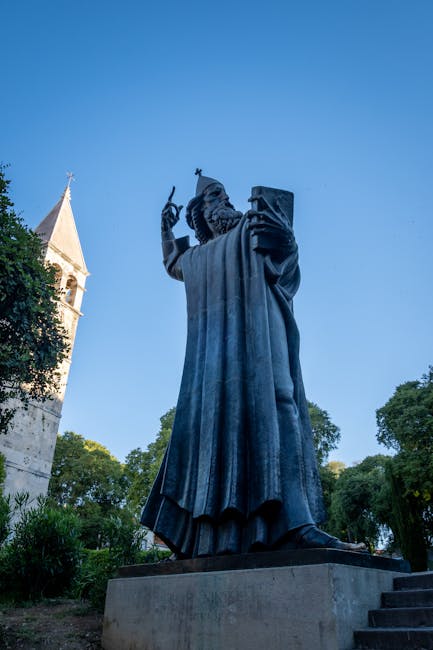
The monumental statue of Gregory of Nin, created by Ivan Meštrović, stands near the Peristyle. Touristy and iconic, it’s said to bring good luck — many visitors rub the statue’s big toe to ensure a return to Split. Wandering around the Peristyle also reveals rare sculptural details and the lively scene of street musicians.
Tips: visit early for photos without people. After seeing the statue, explore nearby lanes to find artisan workshops and small konobas serving traditional dishes.
9. Ferry Excursions to the Islands (Split Ferry Port — Trajektna luka Split, Obala kneza Domagoja 1, 21000 Split, Croatia)
Hours: frequent connections year-round, with more services in summer (first departures 05:00–06:00, last ones 21:00–23:00 depending on destination). Price: tickets to Brač/Hvar/Vis vary: €6–25 depending on island and ferry type.
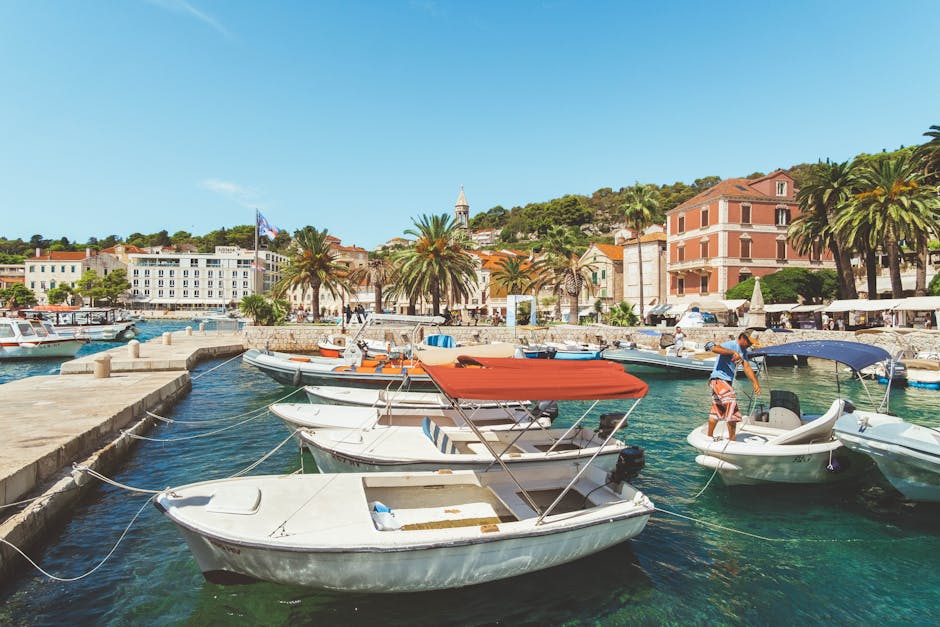
A day trip to Hvar, Brač (Supetar, Bol) or Vis is a must from Split. The crossings offer stunning sea views and let you combine heritage with secluded beaches. The main port (Trajektna luka Split) is close to the center and well served by agencies and ticket offices. In high season, book ferries online in advance or go early in the morning.
Tips: for a faster trip, choose high-speed catamarans; for a more relaxed crossing, take the car ferry. Bring water and a hat, and plan a full day if you want to explore the island in depth.
10. Archaeological Museum Split — Mansardova ul. 1, 21000 Split, Croatia
Hours: 09:00–17:00 (hours vary by season, sometimes closed Mondays). Price: entry around €4–7.
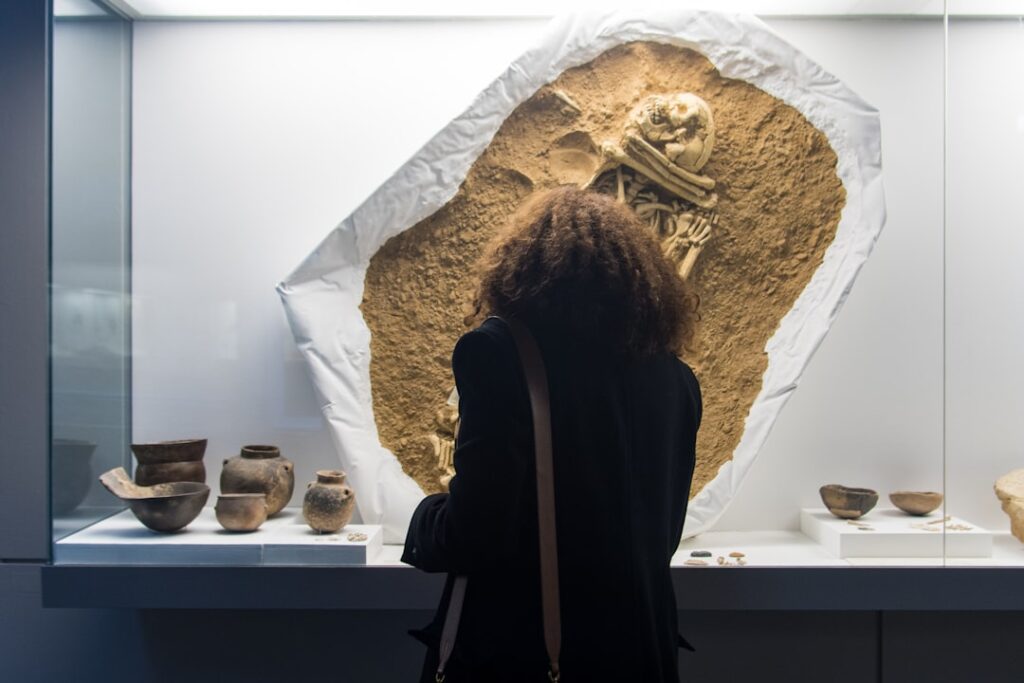
The Archaeological Museum showcases collections from prehistory to the Byzantine era, with artifacts recovered across Dalmatia. It’s an ideal companion to a Palace visit, putting the region’s material wealth into historical context. Exhibits include mosaics, sculptures and notable funerary objects.
Tips: check temporary exhibitions — they often offer fresh perspectives on local history. Allow 1–2 hours for a full visit and combine it with a coffee break at one of the nearby bistros.
Conclusion — Final Tips to Make the Most of Split
Split blends ancient heritage, everyday Mediterranean life and easy access to Dalmatia’s maritime wonders. On your first visit, plan your time to balance culture (Diocletian’s Palace, the cathedral, museums) and relaxation (the Riva, Bačvice Beach, Marjan). Use the Riva as your landmark and start days early to avoid heat and crowds in peak season. Local markets provide a sensory immersion: buy fresh produce for a picnic or taste specialties in an informal setting.
Book island ferry tickets online in summer and reserve Palace guided tours if you want a deeper understanding of the historical layers. Don’t forget comfortable shoes, a hat and a reusable water bottle — modest tips help the local economy and a respectful attitude toward residents and places of worship goes a long way.
Finally, leave time to wander without an itinerary: some of Split’s most memorable moments are spontaneous — an impromptu concert in the Peristyle, a late dinner in a konoba, or a sunset from Marjan’s summit. Split reveals itself on foot, at the pace of narrow streets, the scent of cooking and the lapping of boats. Safe travels and enjoy every moment in this city that blends history, sea and Dalmatian warmth.