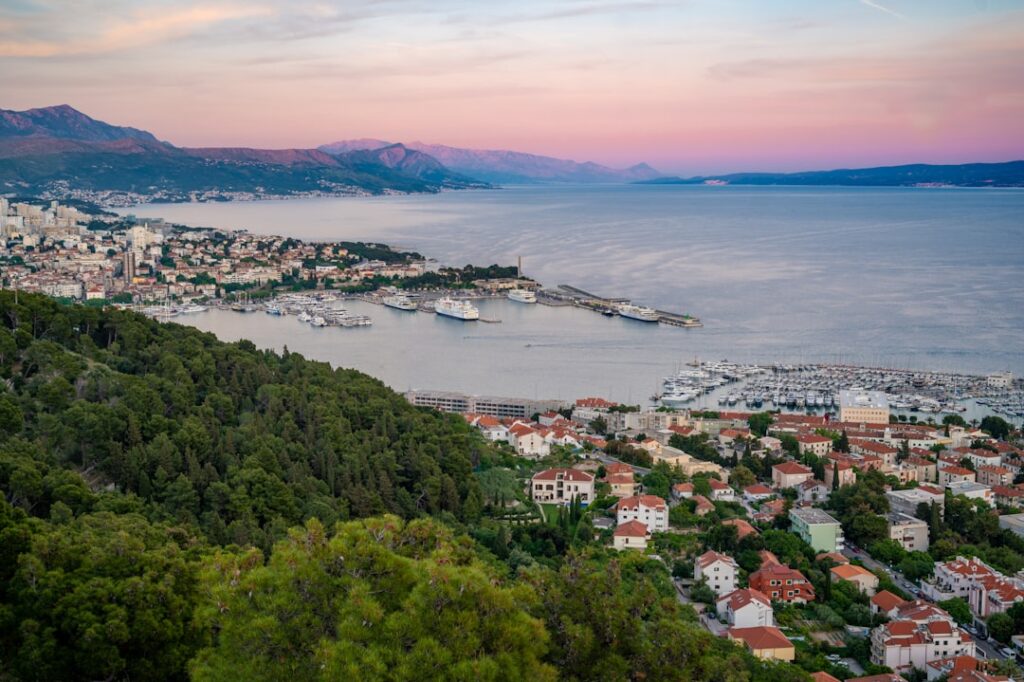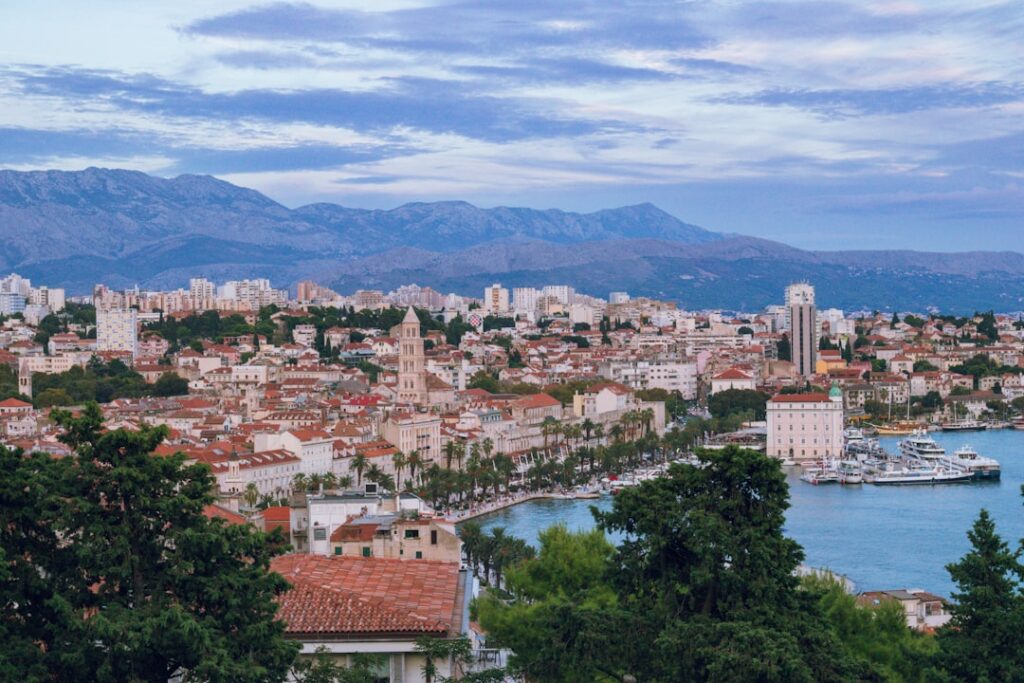





Introduction — Split or Trogir: Which Should You Visit First on Your First Trip?
Split and Trogir are two gems along the Dalmatian coast that, at first glance, seem to compete for the top spot on a first-time visitor’s itinerary. Split is larger, lively and steeped in Roman history thanks to Diocletian’s Palace — often seen as a great base for exploring the region. Trogir, by contrast, is a small historic island with beautifully preserved medieval lanes, a UNESCO World Heritage site that charms with its intact atmosphere and intimate sea views. Which you choose to visit first depends on the kind of experience you want: monumental historical immersion and bustling urban life (Split) or medieval charm, calm and short strolls (Trogir).
This comprehensive guide, written for first-timers, lays out the highlights, exact addresses, prices in euros and typical opening hours (as a guide) to help you decide where to go first. We explain how to get around, which visits to prioritize, local tips on times to avoid, where to taste Dalmatian specialties and how to save time. You’ll also find suggested walking routes, info on museums and paid sites, and lesser-known or free alternatives to enrich your stay.
The goal is twofold: to give you a simple, practical roadmap for your first day while offering vivid descriptions so you can already imagine the warm stone of the palace, the gentle lapping of Trogir’s waves and sunny terraces along Split’s harbor. We also cover essential logistics — travel times, approximate prices in euros and opening hours — so you can plan without surprises. The text includes exact addresses, recommended time allocations per site and local tips to avoid queues or catch quieter viewpoints.
And because a picture is worth a thousand words, you’ll find image cues throughout the guide to visually inspire you: panoramic views, cobbled lanes, colorful markets and typical Dalmatian dishes. These visual markers help you quickly spot the scenes you won’t want to miss on your first visit to the Dalmatian coast. Whether you pick Split as a dynamic base or Trogir for a medieval immersion, this guide will help you make the right choice and get the most out of your first discovery.
1) Prioritize Split: Historic must-sees and city walks (over 250 words)
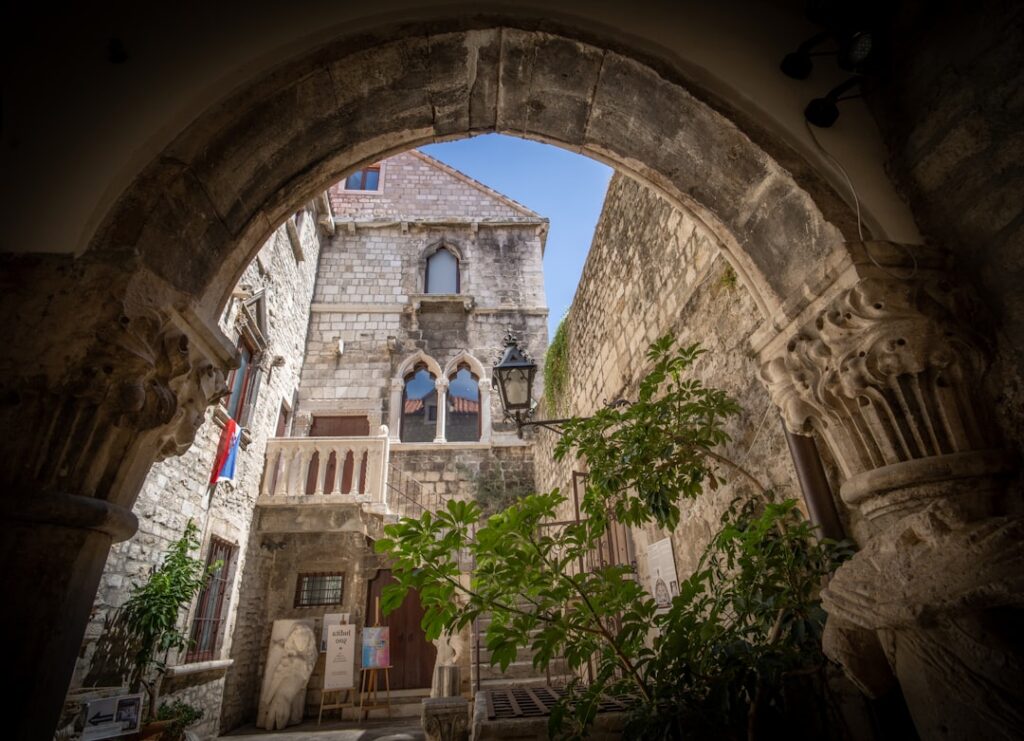
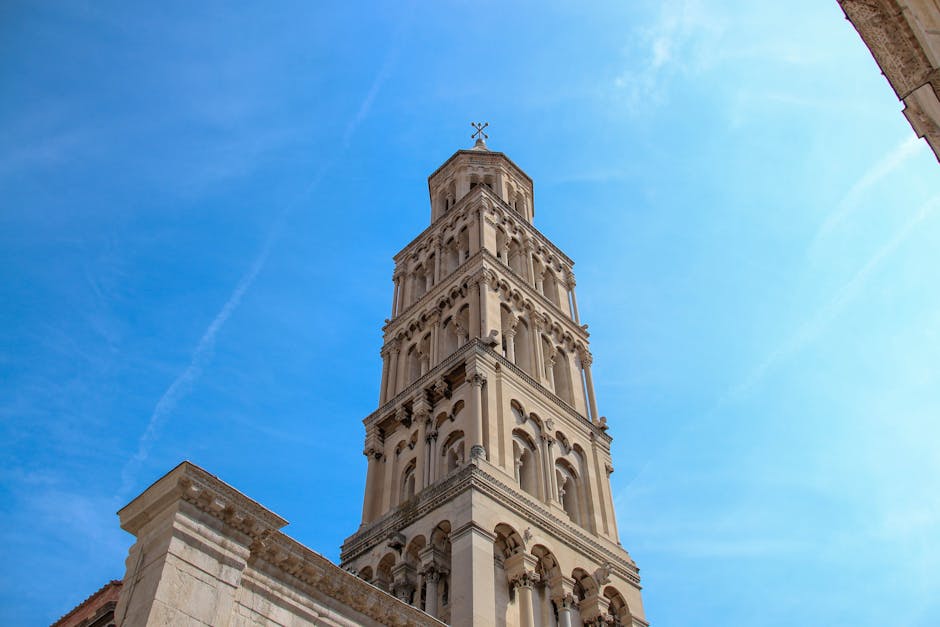
If you pick Split as your starting point, you’ll be plunged into late antiquity and modern Croatian life. The historic center unfolds from Diocletian’s Palace (Dioklecijanova palača), built around the late 3rd century: it’s both an ancient monument and a living urban fabric. Main address: Dioklecijanova palača, Ul. Kraj Svetog Duje 5, 21000 Split, Croatia. Access to the palace’s lanes and squares is free; however, some areas require tickets: the basements (substructures) cost around €4.00, and the climb up the bell tower of the Cathedral of Saint Domnius (Katedrala Sv. Duje) is about €7.00. Indicative hours: basements 9:00–19:00 in summer, 9:00–17:00 off-season; bell tower 9:00–18:00 depending on season. It’s essential to arrive early in the morning (8:30–10:00) to enjoy the Peristyle and the lanes before the excursion crowds arrive.
Inside the complex, the Cathedral of Saint Domnius (Katedrala Svetog Duje) is located at Ul. Kraj Svetog Duje 3, 21000 Split. Entry to the cathedral is generally included with the bell tower ticket, while visits to the crypt or the treasury may be charged separately (about €3–4). Allow 45–90 minutes for the cathedral and tower if you want to savor the 360° view over Split Bay and the red-tiled roofs. The Peristyle (Peristil) — the palace’s central courtyard — is a lively spot: impromptu concerts, cafés and artisans gather there. Official guided tours often start from the Peristyle, usually in English at 10:00 and 11:00; prices vary, roughly €10–15 per person for a 1.5-hour tour.
To round out the heritage experience, don’t miss the palace’s basements (Basement of Diocletian’s Palace); entrance is at the Vestibule, Ul. Kraj Svetog Duje 1, 21000 Split. The underground vaults reveal the palace’s original structure and host temporary exhibitions. As mentioned, prices hover around €4.00 and opening times generally follow the Peristyle. The nearby green market (Pazar) — Pazar, Ul. Bosanska, 21000 Split — is free to browse: local fruit, olives, cheeses and herbs, with sample-sized specialties starting from €1.50–3.00.
2) Walks & panoramas: Riva, Marjan and viewpoints for a full first day (over 250 words)
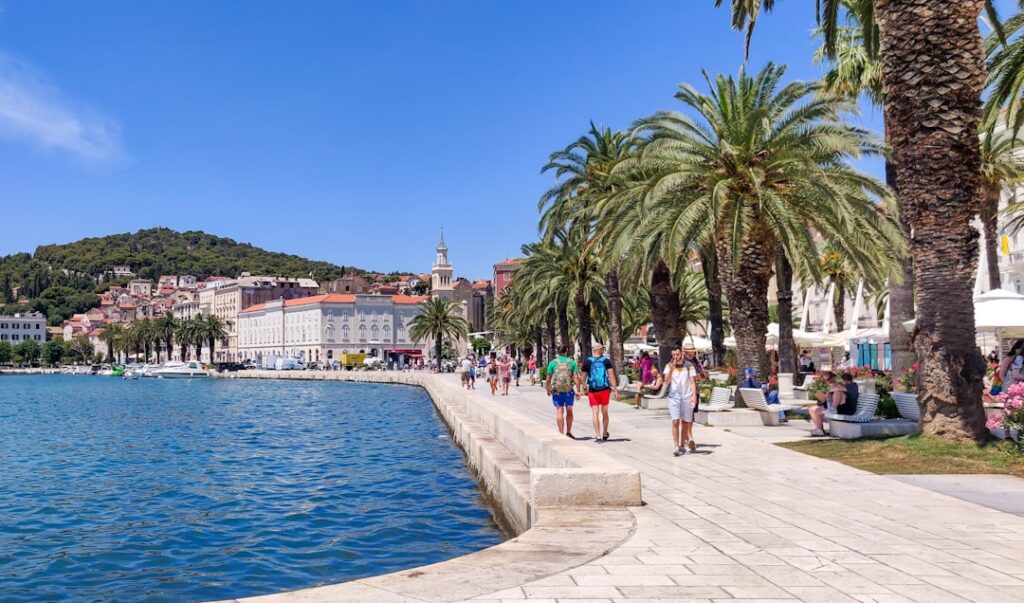
After exploring Split’s historical depths, head to the waterfront and the surrounding hills for a different sensory experience. The Riva (Riva promenade) is the backbone of the waterfront: official address Riva, Obala Hrvatskog narodnog preporoda, 21000 Split. This roughly 600-meter-long promenade is lined with cafés and palms, perfect for a morning coffee (espresso €1.20–2.50) or a terrace lunch (dishes €8–18). The Riva is free and open 24/7, though terraces are most lively between 8:00 and 23:00. The spot comes alive at sunset when harbor lights reflect on the water.
For a higher viewpoint, hike up Marjan Forest Park (Park šuma Marjan). Main access: Ul. Put Firula 1, 21000 Split. Park entry is free, though some nearby parking lots may charge (€1.00–2.00/hour). Expect 30 to 60 minutes to reach the main viewpoints (the overlook above Kaštela Bay and Bene Beach). The Marjan viewpoint offers sweeping panoramas of the sea, islands and Split’s roofs — ideal for sunrise or sunset photos. Sculptures, small chapels and the old telephone monument along the trails make charming stopping points.
Another notable site is Bačvice Beach (Plaža Bačvice), Obala kneza Domagoja bb, 21000 Split. Famous for picigin (a local shallow-water ball game), Bačvice is a 10–15 minute walk from the Riva. Beach access is free; sunbeds and umbrellas rent for €5–15 depending on season and location. Families and swimmers will appreciate the shallow water, while photographers will love the lively waterfront atmosphere.
For a cultural break after your walk, visit the Ivan Meštrović Gallery (Galerija Mestrovic), address: Istarska ul. 1, 21000 Split. Hours: usually 10:00–18:00, closed Mondays; admission around €8.00. This museum-gallery showcases the work of Croatian sculptor Ivan Meštrović in an elegant setting, with gardens and sea views. Combined, the Riva, Marjan, Bačvice and the Meštrović Gallery make for a half- to full-day depending on your pace, giving you a panoramic, natural and artistic view of Split.
3) Day trip to Trogir from Split: why and how to do it on day one (over 250 words)
Trogir is an ideal half-day or full-day escape from Split: very close, rich in Romanesque–Gothic architecture and compact enough to explore on foot. The trip from Split’s bus station (Autobusni kolodvor Split, Address: Ul. Domovinskog rata 17, 21000 Split) takes around 30–40 minutes by intercity bus; ticket price roughly €2.00–3.00 one-way. Alternatively, a fast ferry or taxi-boat from Split’s promenade (Dock / Luka ulica, 21000 Split) to Trogir can cost €4.00–8.00 per person depending on operator and season; travel time about 20–30 minutes. Departures are frequent in high season (every 20–40 minutes) and less frequent off-season.
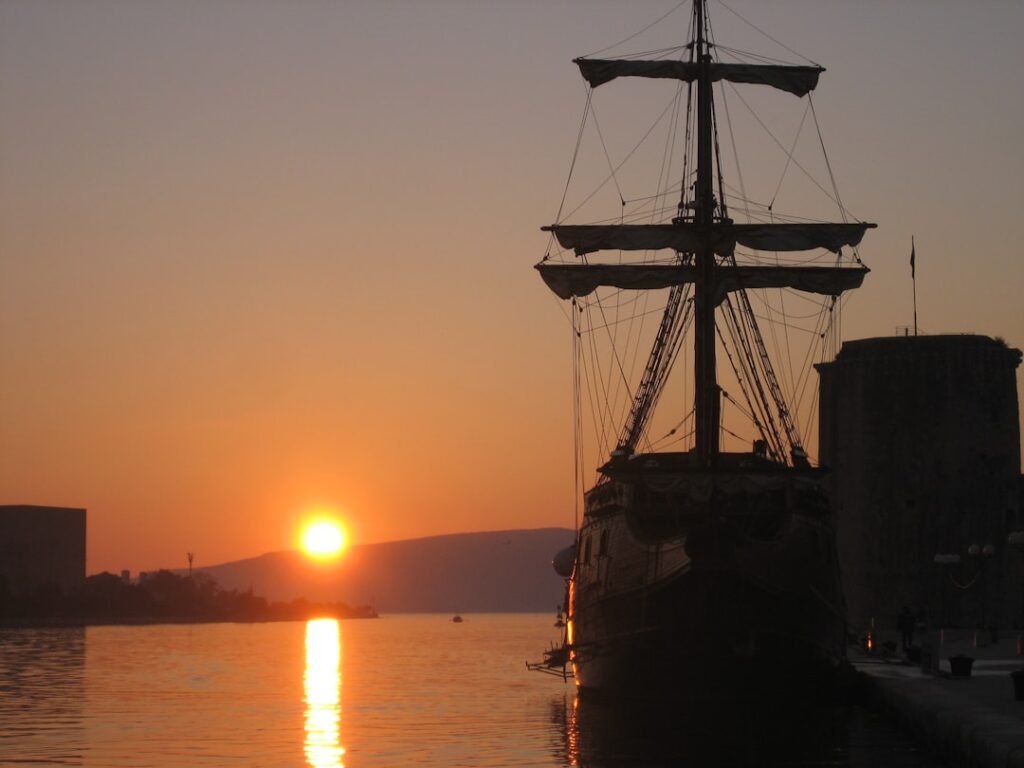
Once in Trogir, start at the seafront and the old town, connected to the mainland by a bridge: Trogir Old Town, Trg Ivana Pavla II 1, 21220 Trogir. The historic core is compact and can be covered comfortably in 2–4 hours. The must-see is the Cathedral of St. Lawrence (Katedrala Sv. Lovre), located at Trg St. Ivana 1, 21220 Trogir. Entry and the bell tower climb cost approximately €6–8; summer opening hours are typically around 9:00–18:00. The central square, the Cipiko Palace (Palata Čipiko / Kamerlengo) and Kamerlengo Fortress (Tvrđava Kamerlengo) offer historical and seaside perspectives: Kamerlengo Fortress address: Trg Republike Hrvatske 12, 21220 Trogir. Fortress admission is usually around €5–6 and opening hours often run 9:00–19:00 in summer.
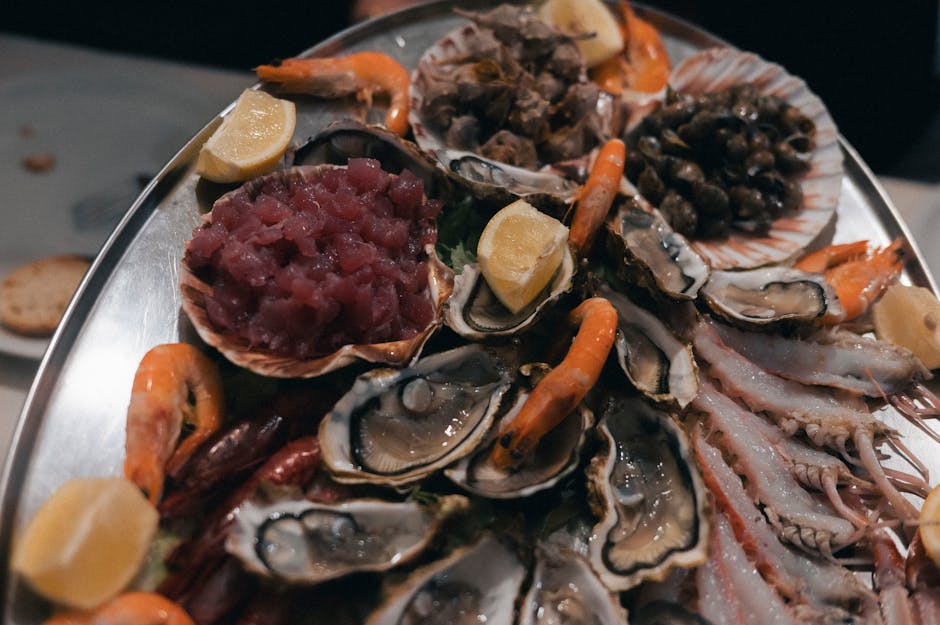
Trogir stands out for its paved alleys, stone houses and terraces along the canal. The best times to visit are early morning to avoid tourist shuttles (8:30–11:00) and late afternoon for a relaxed dinner. Local restaurants serve mains priced roughly €10–25. For example, Konoba Kamerlengo (Komin Restaurant) or the small seaside konobas serve grilled fish, black risotto with cuttlefish ink and Dalmatian mezze. Trogir feels more intimate than Split and can be a peaceful interlude on your first day.
4) Practical itinerary for your first day: Split first or Trogir first, with times and budget (over 250 words)
Here are two practical itineraries — one prioritizing Split first, the other starting with Trogir. Both are designed to optimize time, reduce travel and offer a balanced view — monuments, panoramas and local tastings. Hours and prices are given to help planning; adapt them by season and crowd levels.
Itinerary A — Split first (full day): Morning (8:30–12:30): Diocletian’s Palace (Ul. Kraj Svetog Duje 5) — Peristyle, Basements (entrance about €4.00), Cathedral of Saint Domnius (Bell tower about €7.00). Plan a coffee on the Riva (€1.50–3.00). Midday (12:30–14:00): lunch on the Riva or at Pazar market (Ul. Bosanska) — dishes €8–15. Afternoon (14:30–17:30): hike up Marjan (Park šuma Marjan, Put Firula 1) for the viewpoints, then a swim at Bačvice (Obala kneza Domagoja bb). Evening (18:30–21:00): dinner at a local konoba, mains €12–25, then a stroll along the Riva. Approximate budget for the day (excluding accommodation): €30–60 per person depending on activities and restaurants.
Itinerary B — Trogir first (shared day): Morning (8:00–11:30): travel by bus/ferry from Split (Depart: Luka ulica / Autobusni kolodvor Split); bus €2.00–3.00 or ferry €4.00–8.00. Explore Trogir’s old town, Cathedral of St. Lawrence (bell tower €6–8), Kamerlengo Fortress (€5–6). Midday (12:00–13:30): lunch at the harbor — grilled fish €12–20. Afternoon (14:30–17:30): return to Split, wander Diocletian’s Palace (free areas), free time for shopping on the Riva. Evening (18:00–21:00): dinner in Split. Approximate budget: €35–70.
Logistics tips: buy tickets for paid monuments early at official ticket offices to avoid queues; many attractions accept cards, but carry €10–20 in cash for small purchases and markets. Museums like the Archaeological Museum Split (Arheološki muzej Split, Address: Kralja Zvonimira 12, 21000 Split) charge about €6 and are usually open 9:00–16:00 off-season, 9:00–18:00 in summer. Local transport: taxis are available but pricier than buses (city fares ~€6–12 depending on distance), and intercity buses to Trogir run regularly.
Local tips, recommended restaurants and tricks to make the most of your visit (over 250 words)
Practical local tips to get the most from your first visit: favor off-peak hours (8:00–10:00 and 17:00–19:00) for major sites; bring a reusable water bottle (free drinking fountains in the city to refill); wear comfortable shoes for the palace’s cobbled lanes and Marjan’s trails. In high season (June–August), book evening restaurant tables in advance, especially on the Riva or in Trogir’s old town.
Recommended restaurants in Split: – Konoba Fetivi, Address: Ul. Ivana pl. Zajca 2, 21000 Split. Specialties: grilled fish, risotto (mains €12–22). Open 12:00–23:00. – Bokeria Kitchen & Wine Bar, Address: Prokurative 9, 21000 Split. Modern Dalmatian dishes, mains €10–30, open 08:00–23:00. In Trogir: – Konoba Trs, Address: Obala kralja Petra Krešimira IV 10, 21220 Trogir. Fresh fish, mains €12–25, open 11:00–22:00.
Markets and local shopping: visit the Pazar market (Open-air Market) on Ul. Bosanska, 21000 Split to buy olives, cheeses, cured meats and Dalmatian specialties; prices: olives €3–6/kg, cheeses €8–20/kg depending on the producer. For artisanal souvenirs and local products (olive oil, lavender), expect €5–25 depending on quality. Bargain politely at market stalls, but don’t haggle in fixed stores in the center.
Safety and etiquette: Split and Trogir are generally safe; however, watch your bags and valuables in crowded areas and at bus stops. Beaches can be busy and sometimes offer water sports — check safety information and signage before swimming. Respect sacred places (modest clothing may be required to enter some churches). Finally, check service times for religious services to avoid temporary closures at the cathedrals.
Conclusion — Which to visit first: my verdict and final recommendations
Choosing between Split and Trogir for a first visit depends on the immediate experience you want. If you want to dive into monumental history, have easy access to lively urban life, museums and a wide gastronomic offering, start with Split. Diocletian’s Palace, the Cathedral of Saint Domnius, the Riva and Marjan’s viewpoints deliver a concentrated taste of Dalmatia, walkable and adaptable to your pace. Split suits travelers who want to blend ancient heritage with modern comforts, with many options for lodging, dining and entertainment.
If, on the other hand, you prefer a gentler, more intimate and medieval first impression — cobbled lanes, human-scale streets and a timeless atmosphere — start in Trogir. Its compact historic center is visitable in a few hours and leaves time for a canal-side lunch before returning to Split or continuing to other islands. Trogir is perfect for travelers seeking a picturesque, tranquil introduction without the density often found in larger tourist hubs.
For a balanced strategy: arrive early at the destination you choose, reserve the most popular paid visits (bell towers, basements) or buy tickets when the sites open to avoid queues. Plan to combine both towns if your schedule allows: Trogir is easily reached on a half-day trip from Split, letting you enjoy both atmospheres in one stay. Practically, many visitors spend their first morning in Split (Palace, Riva) then cross to Trogir in the afternoon to savor the striking contrast between imperial grandeur and medieval charm.
Lastly, remember that the prices listed (entrances €4–8 for monuments, restaurants €8–25, transport €2–8) are average indicators to adjust by season and current rates. Budget a little extra for transport and small extras (ice cream, souvenirs, coffees). Either way, whether you start in Split or Trogir, you’ll discover two complementary faces of Dalmatia: one imperial and vibrant, the other intimate and timeless — both absolutely worth your visit.