





Introduction — Entering Croatia via Split: A Simple, Practical Guide to Entry Requirements
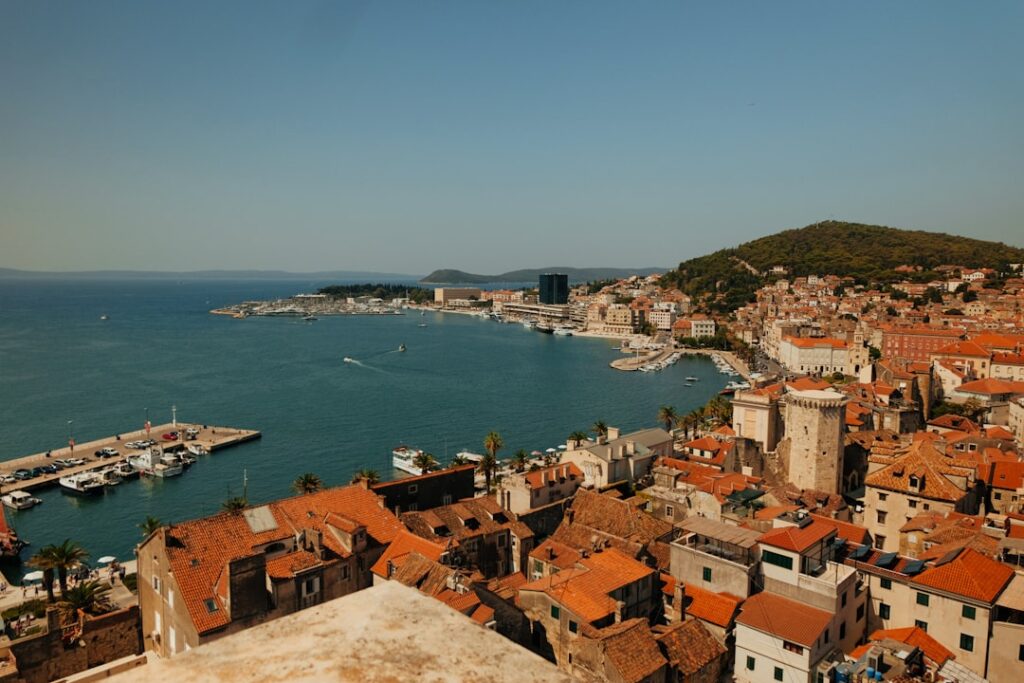
Split (often shown as « Split–Dalmacija ») is the liveliest and most convenient gateway to Croatia’s Dalmatian coast. Whether you’re arriving by plane, ferry or driving in from neighboring countries, knowing the entry procedures can turn a potentially stressful arrival into a smooth step into the Old Town’s alleys, sandy beaches and nearby islands like Hvar, Brač and Vis. This guide explains, clearly and practically, all the administrative and logistical steps you need when entering Croatia via Split: required documents, border checks, baggage tips, local transport on arrival, taxes and duties, and useful contact information.
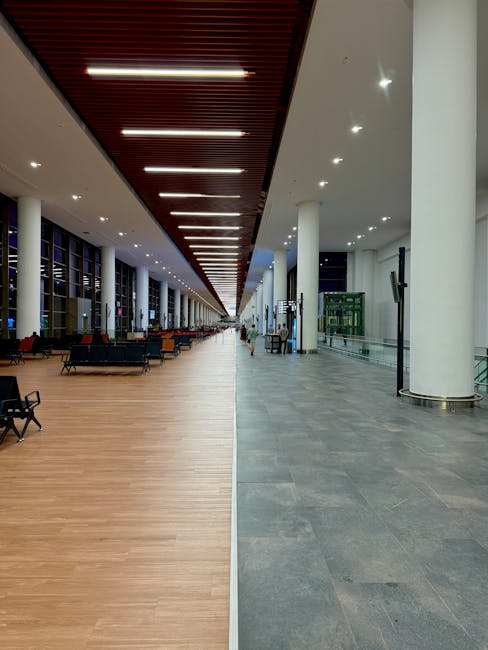
Split is served by the main international airport Zračna luka Split (code SPU), located in the Kaštela municipality just outside the city. Split’s port (Trajektna luka Split) is also a major hub for international ferries (Italy) and domestic island connections. Entry formalities vary slightly depending on how you arrive. Citizens of the European Union (EU) and the Schengen area may enter with a valid national ID card; non‑EU nationals must present a valid passport and, if applicable, a Schengen or national visa depending on their nationality.
In this guide you’ll find exact addresses (airport, bus station, port, official offices), indicative opening hours, practical prices in euros and immersive descriptions of the main entry points. I also describe real‑life scenarios: late‑night arrivals, long transits, driving in from Slovenia or Bosnia and Herzegovina, bringing bikes or pets, and customs procedures if you carry food items or large sums of cash. Finally, local tips — where to buy a SIM card, how to avoid lines at customs, or which taxi to take to avoid rip‑offs — will save you time and stress.
Before diving into the details, here’s a quick overview of the official locations you’ll likely need:
- Airport: Zračna luka Split, Put Trsata 101, 21217 Kaštela, Croatia.
- Main port: Trajektna luka Split, Obala kneza Domagoja 1, 21000 Split.
- Bus station: Autobusni kolodvor Split, Fra Andrije Kačića Miošića 380, 21000 Split.
- Police / Border Police: Granična policija Split (present at entry points).
We’ll start with documents and visas, move on to airport and port checks, cover customs and health rules, and finish with practical travel tips for after you arrive. This guide aims to be useful whether you’re a tourist, temporary resident, professional driver or business visitor.
Required documents and visa rules: who needs what?
The key rule to remember: since Croatia joined the Schengen area (2023), entry conditions are harmonized with other Schengen countries. That simplifies and standardizes requirements for most visitors, but a few important details remain.
EU / European Economic Area citizens:
- Documents: valid national ID card or passport.
- Formalities: no visa required. You can enter, stay and work subject to national rules for employment and registering your residence if you stay longer than 90 days.
Third‑country nationals (non‑EU):
- Passport: valid passport (it’s recommended to have at least 3 months’ validity beyond your intended stay, though for some countries a 6‑month rule applies). Check the expiration date before you travel.
- Visa: if your country is on the Schengen visa‑exemption list, you don’t need a visa for short stays (90 days within 180 days). If you’re not exempt, you must get an appropriate Schengen visa or a Croatian national visa before arrival. Applications are handled at Croatian embassies/consulates or electronically for some visa types.
- Proof of stay: proof of accommodation (hotel booking, rental contract), return or onward ticket, travel insurance covering at least EUR 30,000 for medical emergencies.
Visas and fees (indicative):
- Short‑stay Schengen visa (type C): fee around EUR 80 (standard rate; exceptions may apply for certain nationalities and ages).
- Special procedures (long stay, work, study): fees vary, often between EUR 60 and 140 depending on the permit type. Contact the embassy or local authorities in Croatia.
Practical tips:
- Check visa requirements at least 4–6 weeks before departure.
- If you plan to stay over 90 days, find out about registration with the local municipal office for residence permits.
- Minors should travel with a birth certificate and, if not accompanied by both parents, a signed parental authorization. Rules can be strictly enforced at maritime borders.
Border control at Split Airport: arrival and departure step‑by‑step
Flying in is the most common way for international visitors to arrive. Split Airport (Zračna luka Split, code SPU) is at Put Trsata 101, 21217 Kaštela, about 20 km from Split city center. The terminal is modern and designed to handle heavy seasonal traffic between May and September.
Main opening hours and services:
- Address: Zračna luka Split, Put Trsata 101, 21217 Kaštela, Croatia.
- Opening hours: passenger terminal generally open 24/7 but services (counters, shops) follow flight schedules. Rental desks and shuttle buses have variable hours, especially at night.
- Transit: many seasonal flights from Western Europe and regular connections from Zagreb, Dubrovnik and several European capitals.
Arrival procedure:
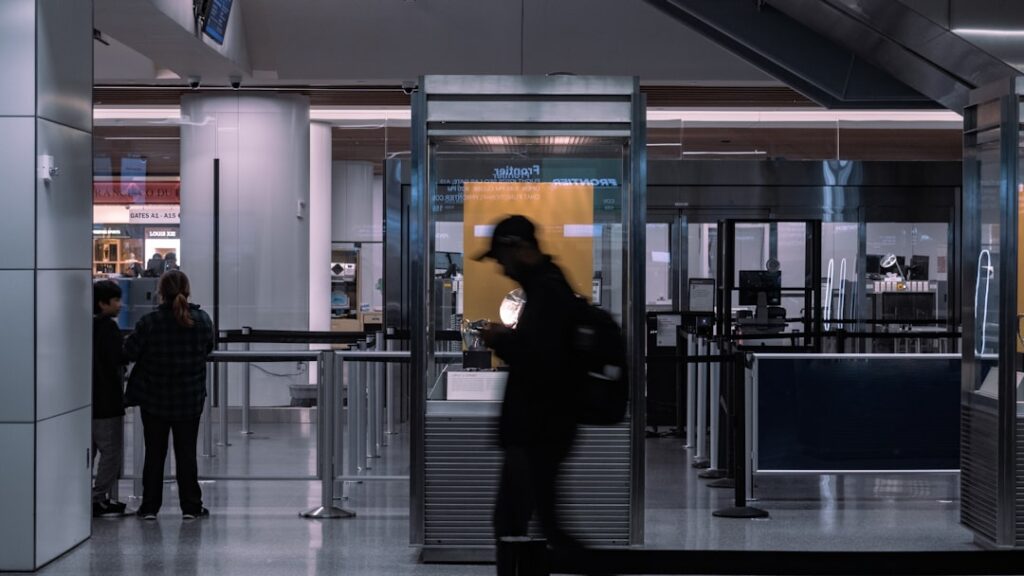
- After disembarking, follow signs for « Passport Control / Immigration. » Non‑EU citizens will go to a counter for passport and visa checks if required. Officers check document validity, stamp passports and may ask about the duration and purpose of your stay.
- Collect your luggage at the designated carousel and proceed to customs. If you have items to declare (large amounts of cash, commercial goods, restricted food items), use the « Goods to Declare » queue. Otherwise, go through the « Nothing to Declare » lane.
- If you’re picking up a rental car, rental agency desks (Avis, Hertz, Sixt, Enterprise) are in the arrivals hall. Inspect the vehicle before leaving the rental area.
Practical fares and shuttles:
- Airport bus to Split center (Riva promenade): about EUR 4 (30 HRK) per person, journey 40–60 minutes depending on seasonal traffic. Operator: Promet Split / Pleso Prijevoz. Stops: Split Riva (Obala Hrvatskog narodnog preporoda).
- Official taxi: around EUR 25–40 depending on time and destination (city center ~EUR 30 at night). Use marked official taxis with a working meter and note the exact destination address to avoid confusion.
- Shared shuttles or private transfers: EUR 15–50 per person depending on booking and level of comfort.
Local tips:
- Keep digital copies of your documents (passport, insurance, bookings) accessible. Some « mobile passport control » options exist for EU citizens using an ID card, but it’s wise to have the physical document on hand.
- If you arrive very late, notify the bus company or book a private transfer to avoid long waits.
- If you travel with a pet, report to the veterinary service on arrival: pet passport, proof of rabies vaccination and microchip are required.
Arrival by sea: international ferries and island connections
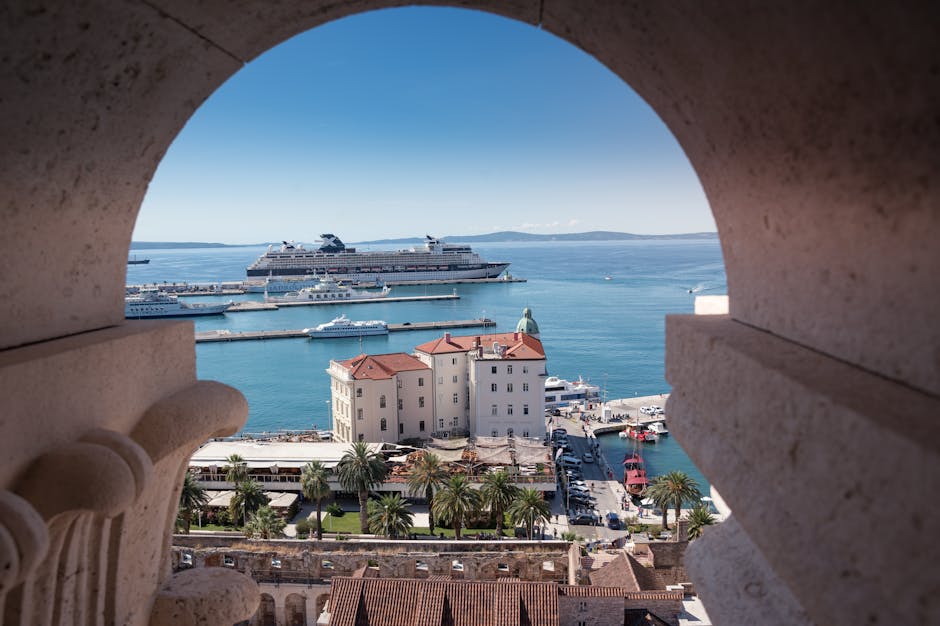
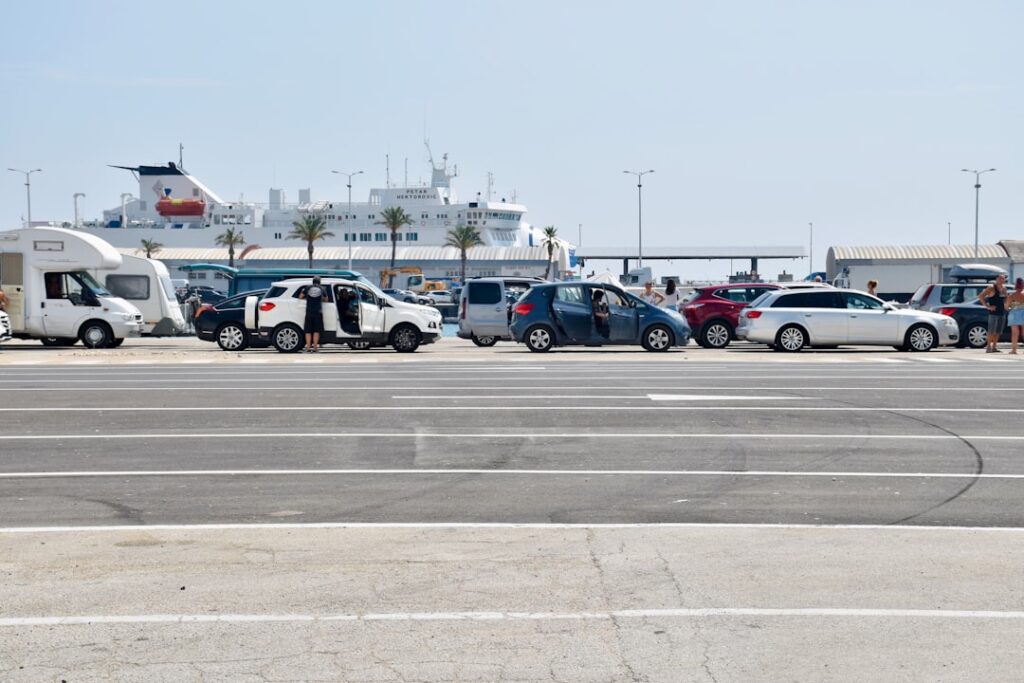
Split port (Trajektna luka Split) sits in the heart of the city at Obala kneza Domagoja 1, 21000 Split. It’s a busy spot where international ferries (to Ancona, Bari in Italy), fast catamarans to the islands and cruise lines all converge. Formalities vary if you arrive from a non‑Schengen port (Italy is Schengen so checks are limited), but police and customs checks can happen depending on route and origin.
Practical info on sailings:
- International ferry (Ancona–Split): operators include SNAV, Jadrolinija and GNV; fares roughly EUR 50–120 depending on season, seating/cabin and whether you bring a car; crossing takes about 6–10 hours depending on the service (day/night).
- Fast catamaran (Split–Hvar–Vis): operators such as Jadrolinija and Krilo (Kapetan Luka); short trips 45 minutes to 2 hours; typical fares EUR 15–35 per person depending on distance.
- Boarding and tickets: quays and ticket offices are along the Riva; arrive 60–90 minutes before international ferries and 30 minutes before local catamarans.
Checks and documents:
- Identity checks: for international sailings from non‑Schengen ports, immigration checks may be carried out at embarkation or disembarkation. Keep your passport and visa (if needed) within easy reach.
- Customs: if you carry large quantities of alcohol, tobacco or commercial goods, go to the port customs office to declare them. Customs offices are usually open around international ferry departures.
- Vehicles: if you temporarily import a foreign‑registered vehicle, carry the registration documents and proof of insurance. Rental companies handle necessary documentation for rental vehicles.
Practical tips for sea arrivals:
- Book international ferries well in advance during peak season (July–August); prices rise and cabins sell out fast.
- If you’re prone to seasickness, opt for a cabin or an outer seat on longer crossings.
- When you arrive on the Riva, have a coffee and wait for the crowds to thin before hunting for your accommodation — it’s often easier to negotiate a taxi or spot the local bus once the rush subsides.
Customs, taxes and personal imports: what must be declared
Croatia applies EU customs rules for goods arriving from non‑EU countries; that means you must respect allowances and declarations on arrival. Below is a practical summary that applies to most travelers.
Personal allowances (indicative) for arrivals from non‑EU countries:
- Alcohol: up to 1 litre of spirits over 22% ABV or 2 litres of alcoholic beverages ≤22% ABV; or a reasonable combination within legal limits.
- Wine and beer: typically 4 litres of still wine and 16 litres of beer (figures may vary; check the Croatian Customs Authority for confirmation and updates).
- Tobacco: 200 cigarettes or 100 cigarillos or 50 cigars or 250 g of smoking tobacco.
- Cash: any amount over EUR 10,000 (or equivalent) must be declared to customs on arrival or departure.
Prohibited or restricted items:
- Certain food products (meat, dairy) from third countries can be banned or require health certificates.
- Plants, seeds and live animals may face veterinary or phytosanitary checks.
- Cultural or historical items (antiques) must be declared if they exceed certain values.
What to do if you’re unsure:
- If you have items to declare, use the « Goods to Declare » lane at the airport or make a declaration at the port customs office.
- Fines and confiscations can apply for false declarations or illegal imports.
- Useful site: Croatian Customs (Carinska uprava) — check ahead for specific goods. In French or English, some consular offices can help with complex questions.
Getting around after arrival: buses, trains, car hire and local tips
Once formalities are done, you’ll need reliable ways to reach your accommodation and explore the area. Split has a solid transport network: buses, ferries, taxis, car rentals and shuttle services. Here are the main options and practical tips to use them well.
Buses and public transport:
- Autobusni kolodvor Split — Address: Fra Andrije Kačića Miošića 380, 21000 Split. This is the main coach station for intercity buses to Dubrovnik, Zadar, Zagreb and inland towns. Ticket office hours: usually 05:00–22:00 depending on the line. Prices: e.g. Split–Dubrovnik EUR 20–40 depending on service.
- The urban Promet Split network serves the city and surroundings; single ticket ~EUR 1.30 (10 HRK) in town, buy from the driver or a kiosk.
Trains:
Split’s railway station is small with limited services (e.g. Split–Zagreb; often buses are faster and more convenient). For longer domestic journeys it’s usually quicker to combine bus and ferry.
Car hire:
- Available companies: Avis, Hertz, Sixt, Europcar and local operators like Oryx Rent a Car and Rent‑a‑car Croatia. Desks are at the airport (arrivals hall) and in town.
- Indicative prices: EUR 25–60/day for a small car in high season; additional insurance recommended. Book early for July–August.
- Driving: an EU driving licence is sufficient for EU drivers; other nationalities may need an international driving permit. Speed limits, seatbelt use and right‑of‑way rules are enforced; speed cameras and fines are common.
Taxis and transfers:
- Official taxis: taxi ranks along Split Riva and in front of the port. Fare information is usually displayed in the vehicle. Typical center fares EUR 10–30 depending on distance and time.
- Ride‑hailing apps: some international and local platforms operate in Croatia; compare prices and availability.
Local tips:
- Carry some Croatian kuna or a small amount of euros for small purchases; most shops accept cards but some kiosks and local ferries prefer cash.
- To save money, use public buses to reach nearby islands and book ferries early. Fast catamarans cost more but save time for day trips.
- Always ask for a receipt (račun) in taxis and shops — it’s your proof of purchase in case of dispute.
Useful contacts and official addresses to keep handy
Here’s a practical list of addresses, numbers and websites to prepare your arrival and get help if needed:
- Zračna luka Split (Split Airport) — Put Trsata 101, 21217 Kaštela, Croatia. Website: www.split-airport.hr. Flight and service info: +385 21 319 300.
- Trajektna luka Split (Port of Split) — Obala kneza Domagoja 1, 21000 Split. Ferry bookings: www.jadrolinija.hr; port ticket offices open according to departures.
- Autobusni kolodvor Split (Bus station) — Fra Andrije Kačića Miošića 380, 21000 Split. Ticket office: +385 21 345 678 (local indicative number; check online for current timetables).
- Police / Border Police — present at airports and ports; emergency number: 112 (EU emergency number).
- Customs — Carinska uprava — official site: carina.gov.hr (information on allowances and procedures).
Final tip: always keep a paper and digital copy of your passport, any visas, insurance policies and booking confirmations. In case of loss or theft contact your country’s embassy or consulate immediately; you can also file a police report at the local station to obtain a document needed for an emergency travel document.
Conclusion — Arrive relaxed in Split: summary and practical recommendations
Entering Croatia via Split is generally straightforward if you come prepared. Key points: check the validity of your documents (passport or ID card), confirm whether you need a visa based on your nationality, have accommodation proof and insurance ready, and anticipate customs checks if you carry goods that must be declared. Whether you arrive at Zračna luka Split (Put Trsata 101, 21217 Kaštela) or by ferry at Trajektna luka Split (Obala kneza Domagoja 1, 21000 Split), services are well organized — but in high season you’ll need to book ferries, rental cars and airport transfers in advance.
Adopt these practices for a smooth arrival:
- Preparation: digital and paper copies of essential documents, travel insurance covering EUR 30,000 or more.
- Transport: book buses/ferries/private transfers in advance in high season; the airport bus to the center costs about EUR 4, while a taxi to the center ranges between EUR 25 and 40 depending on time.
- Customs: declare cash over EUR 10,000 and respect allowances for alcohol and tobacco; consult carina.gov.hr for up‑to‑date rules.
- Emergency contacts: EU emergency number 112; for administrative matters contact local offices or your embassy.
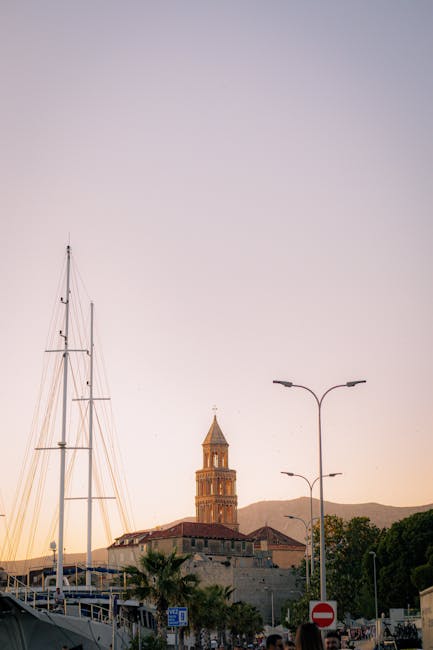
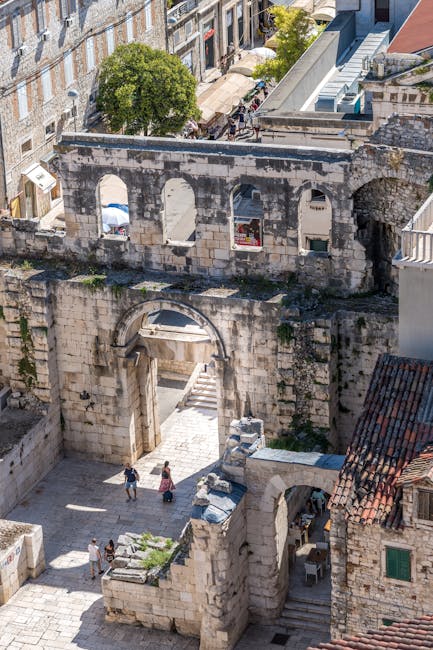
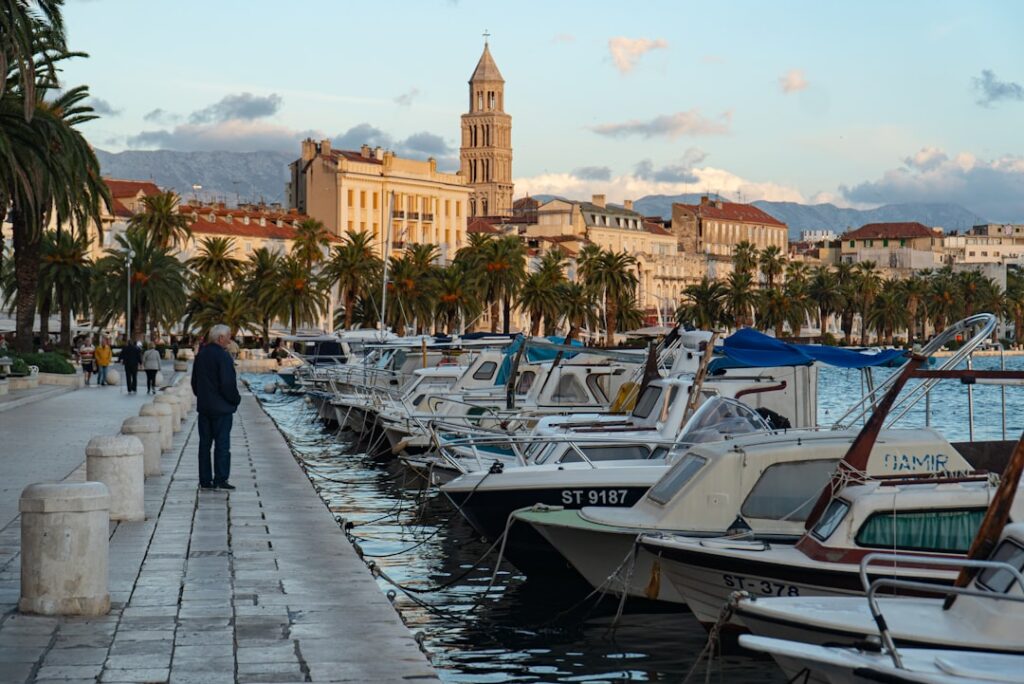
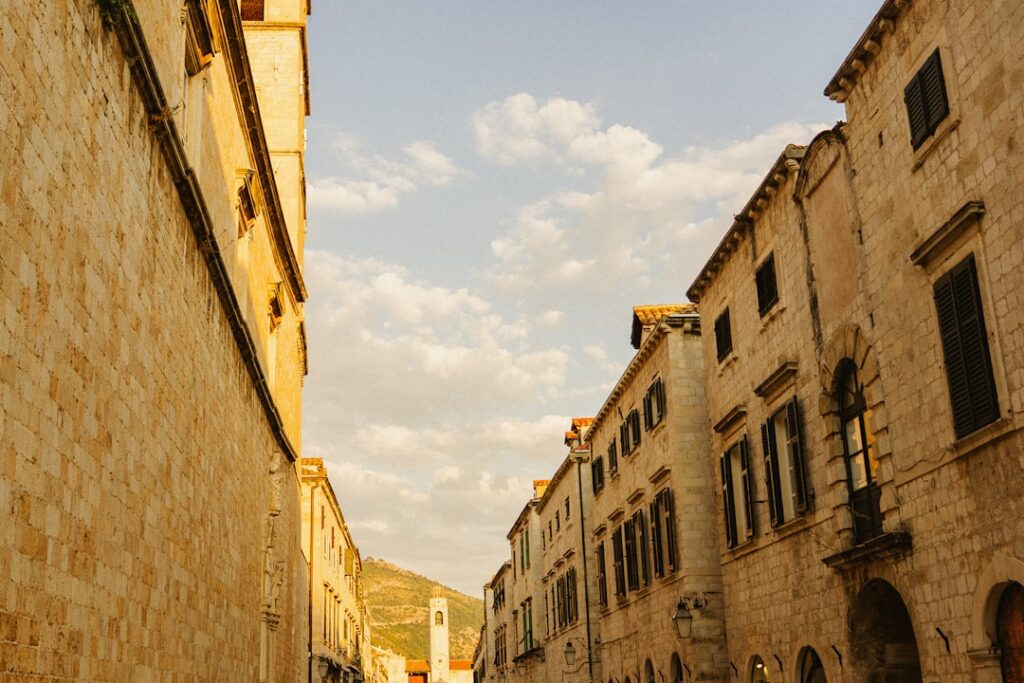
One last local tip: after handling formalities, take a stroll along the Riva (Obala Hrvatskog narodnog preporoda) to soak up Split’s atmosphere — the mix of Roman history (Diocletian’s Palace), bustling cafés and island views is the perfect reward after a well‑organized trip. Enjoy your stay in Croatia and welcome to Split!