





Introduction
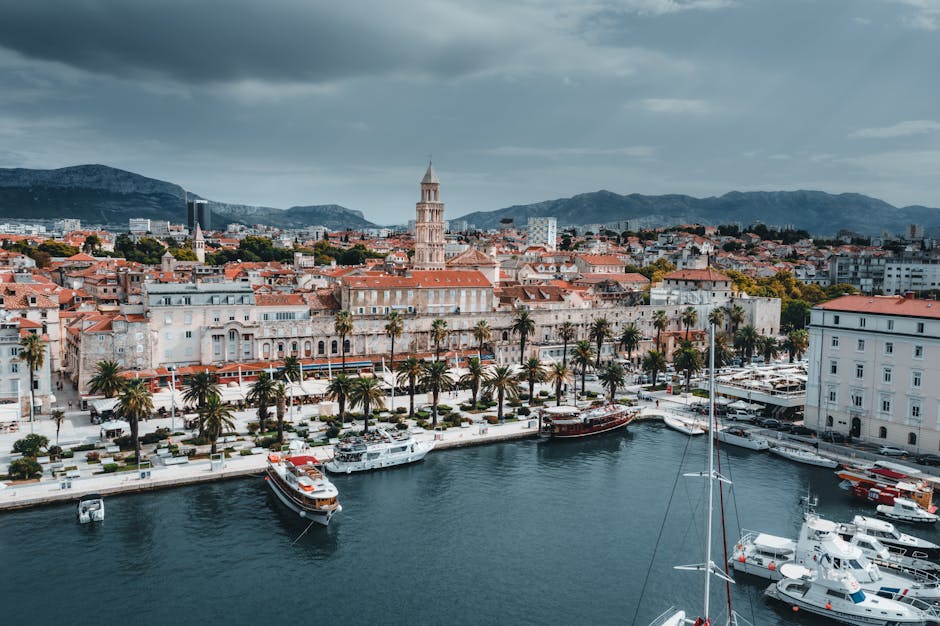
Split, the beating heart of the Dalmatian coast in Croatia, is a city where ancient Roman history blends seamlessly with modern Mediterranean life. With a well-planned day you can cover Split’s highlights and squeeze in a short trip to Trogir, a UNESCO-listed town. This guide is tailored for the time-pressed but curious traveler: it mixes iconic sites, exact addresses, opening hours, prices in euros and local tips to help you make the most of every hour for a realistic, immersive experience.
The cluster of monuments around Diocletian’s Palace makes Split especially walkable. Start with the Roman ruins and the cathedral, explore the palace cellars, wander through the market, grab a coffee on the Riva overlooking the harbor, then hike up Marjan Hill for panoramic views. After lunch, a short bus or boat ride takes you to Trogir, where Kamerlengo Fortress, St. Lawrence Cathedral and the medieval lanes provide a charming, complementary contrast.
This guide gives practical details: exact addresses (for GPS), price ranges in euros for entrances and common services, typical opening hours (with seasonal notes), and local advice — where to order a short coffee, how to skip the cathedral queue, or which route saves you time. Recommendations follow a day’s pace: an early start, seeing the essentials before the heat and crowds, lunch in a local bistro, transfer to Trogir mid-afternoon, then return to Split at sunset.
You’ll also get visual tips to feed your travel journal or social feed (most photogenic viewpoints), so whether you’re a photographer, a fast traveler or a history buff, this Top 10 must-sees in Split and Trogir for one day helps you squeeze the most out of your time while leaving room for spontaneous discoveries and essential coffee breaks to soak up the Dalmatian vibe.
1. Diocletian’s Palace (Dioklecijanova palača) — Peristyle and Cellars
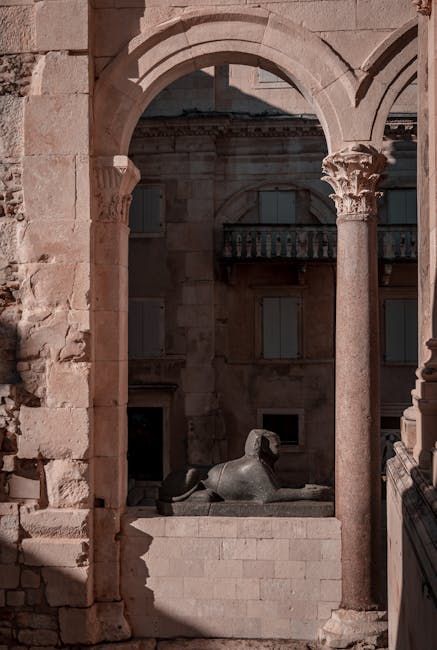
Address: Dioklecijanova palača, 21000 Split, Croatia. GPS: 43.5081 N, 16.4402 E. Built in the early 4th century for Roman Emperor Diocletian, the palace forms Split’s historic core. The central court, the Peristyle, is one of the city’s most photogenic spots and is free to visit; it’s often the starting point for guided tours and cultural events.
Opening hours: the Peristyle is open to the public at all times, but the cellars (substructures) and some internal monuments have separate hours. Cellars (basements/Split City Museum): typically 9:00–18:00 in summer, 9:00–16:00 in low season; closed on some public holidays. Price: entry to the cellars about €7.00 (indicative, sometimes paid in HRK on site).
Immersive description: stroll among Roman columns, feel stone cooled by centuries of history; picture servants and imperial troops moving here 1,700 years ago. The Peristyle is flanked by medieval and Renaissance buildings that reveal layer upon layer of history. Take time to notice carved moldings, the cathedral’s wooden doors and modern shops tucked into ancient vaults.
Local tip: arrive early (8:30–9:00) to avoid crowds and the heat. Buy your ticket for the cellars at opening to skip lines. If you’re short on time, focus on the Peristyle, the Vestibule and the cellars to grasp the palace’s layout.
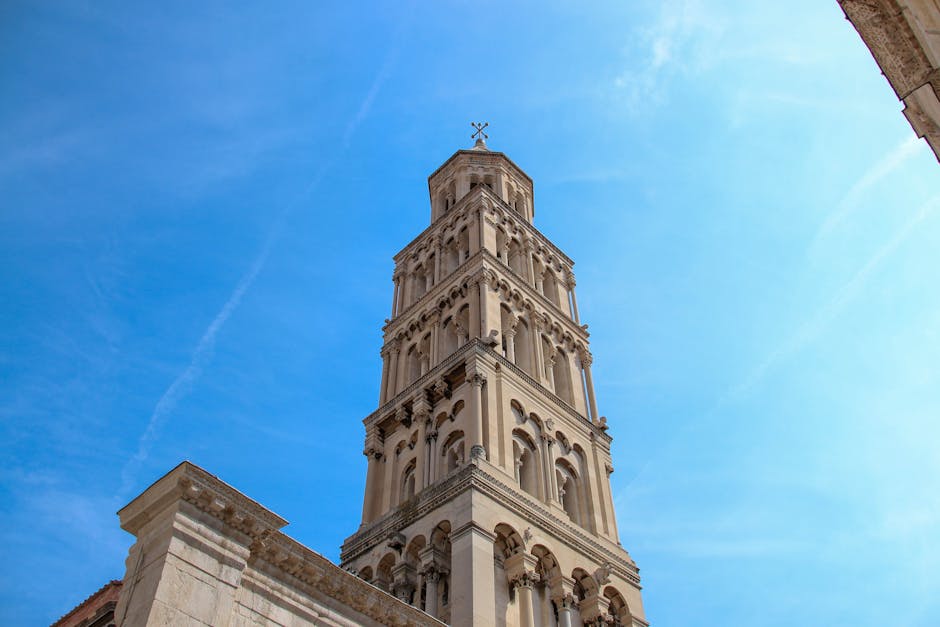
2. Cathedral of Saint Domnius (Katedrala Svetog Duje) and its Bell Tower
Address: Katedrala Svetog Duje, Ul. Kraj Svetog Duje 5, 21000 Split, Croatia. GPS: 43.5086 N, 16.4419 E. Integrated into the palace, this cathedral is one of the oldest Catholic buildings still in use in Europe. Its Romanesque/Gothic bell tower dominates the old town and offers a unique panorama over Split.
Opening hours: Cathedral: 9:00–19:00 (summer) / 9:00–17:00 (low season). Bell tower access: 9:00–18:00 in high season, 10:00–16:00 in low season. Price: climb the bell tower about €6.00 per person (tickets often payable in cash or card, seasonal variations possible).
Immersive description: the interior features mosaics, ornate chapels and the reputed tomb of Saint Domnius. Climb the narrow stairway to the bell tower for a 360° view: the Adriatic, red-tiled roofs and the maze-like alleys help you orient the rest of your day.
Local tip: the tower gets crowded around midday; aim for morning or late afternoon. Wear closed shoes for the climb and note that access is not recommended for people with reduced mobility. If you want photos without people, consider waiting until a Mass is in progress — the interior can be temporarily closed to tourists.
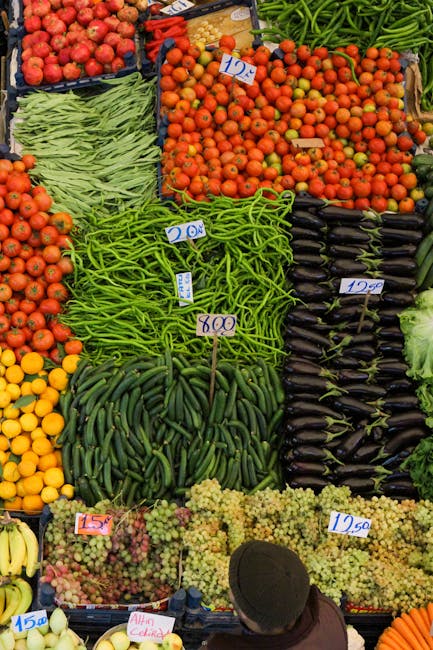
3. Split Market (Pazar / Green Market) and Marmontova Street
Address: Pazar (Green Market), Trg Republike Hrvatske / Ul. Marmontova 1, 21000 Split, Croatia. GPS: 43.5089 N, 16.4410 E. Just steps from the palace, Pazar is a riot of colors and scents: fruit, vegetables, local cheeses, olive oils and spices.
Opening hours: market: 7:00–14:00 (busiest in the morning). Shops and cafes on Marmontova: 8:00–22:00. Prices: local espresso ≈ €1.30, burek or pastry ≈ €1.50–2.50, kilo of local citrus ≈ €2.50–4.00 depending on season.
Immersive description: wander among stalls where locals haggle cheerfully, taste a fresh fig or Paški cheese, or buy a bottle of locally pressed olive oil. Marmontova is a pedestrian avenue lined with Austro-Hungarian palaces and elegant cafes — the perfect spot to feel the city’s pulse and take a coffee break.
Local tip: pick up fresh supplies for a picnic on the Riva. Haggle politely for handmade goods; vendors often prefer cash (HRK) but many accept cards for larger purchases.
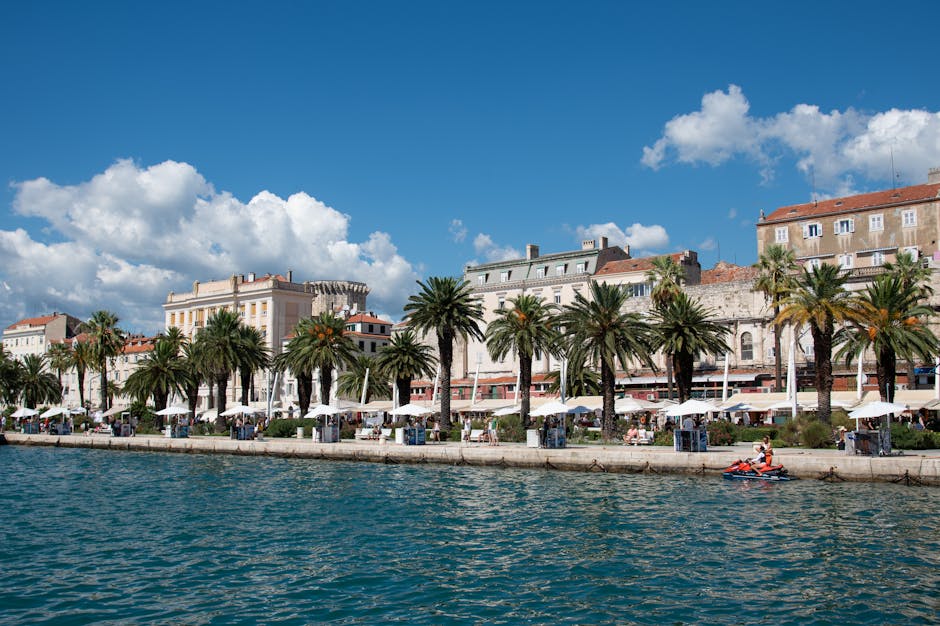
4. The Riva — Seafront Promenade
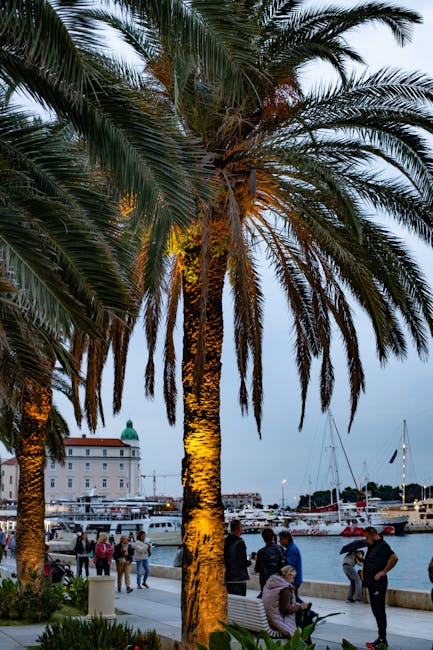
Address: Obala Hrvatskog narodnog preporoda (Riva), 21000 Split, Croatia. GPS: 43.5079 N, 16.4427 E. The Riva is Split’s iconic promenade: palm trees, terrace cafes and direct views of the harbor, ferries and nearby islands.
Opening hours: open 24/7; cafes and restaurants usually open from 7:00 and close around midnight or later in summer. Prices: coffee on the Riva ≈ €1.50–3.50 depending on location; bistro lunch ≈ €10–18.
Immersive description: settle on a terrace to watch fishermen, sailors and ferry passengers arrive and depart. The Riva is the best place for a Mediterranean pause — watch the boats and plan the rest of your day. Cafes facing the harbor are great for capturing maritime photos.
Local tip: avoid the terraces closest to the port if you want better value; walk a bit east for more local spots. For a true Dalmatian taste, order fried calamari (lignje) and a glass of Croatian white wine.
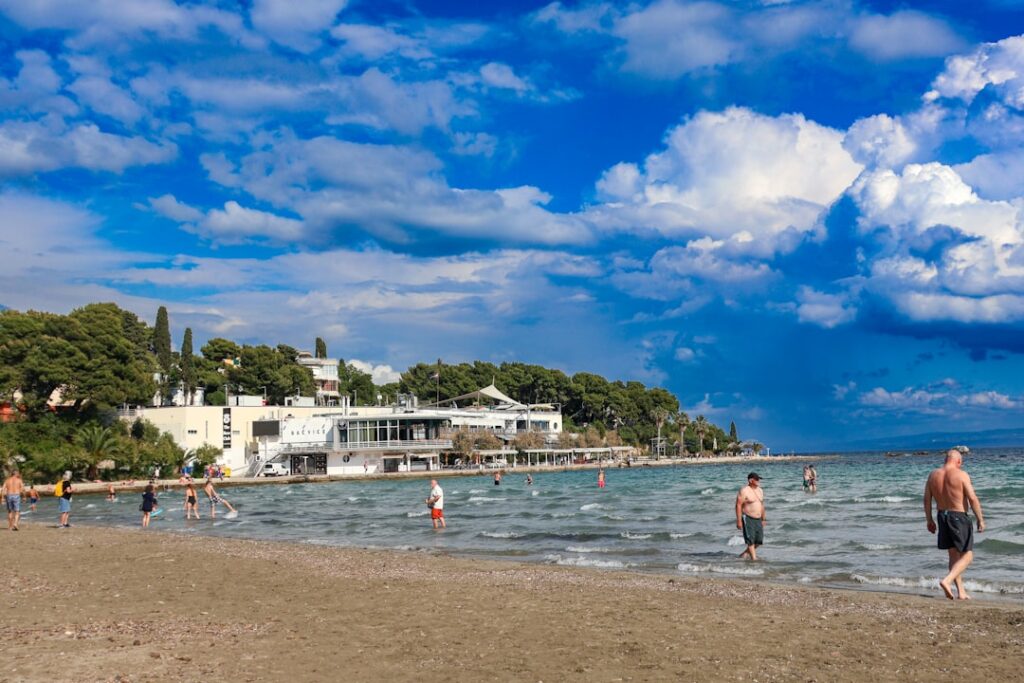
5. Bačvice Beach — Swimming and Picigin
Address: Plaža Bačvice, Obala kneza Trpimira 3, 21000 Split, Croatia. GPS: 43.5083 N, 16.4414 E. Bačvice is Split’s most popular beach, known for its relatively fine sand (for the Adriatic) and the local game picigin — a shallow-water ball game where players keep a small ball aloft.
Opening hours: accessible all day. Services (sunbeds/umbrella rental): typically 9:00–19:00. Prices: rent a sunbed and umbrella ≈ €8–15 per day depending on season; public showers are free.
Immersive description: dive into clear, shallow water, watch a picigin match or join a casual game. The vibe is relaxed — perfect for a quick swim between visits.
Local tip: bring water shoes if you plan to explore nearby rocks. For fewer crowds head to the west side of Marjan or the coves on the south coast of Čiovo Island (reachable from Trogir).
6. Marjan Hill (Marjan Forest Park) — Panoramic Views over Split
Address: Marjan Forest Park, Ul. Ivana pl. Zajca, 21000 Split, Croatia. GPS: 43.5156 N, 16.4411 E. This wooded hill overlooks the city and offers trails, historic chapels and viewpoints with sea and island vistas.
Opening hours: park open 24/7; recommended trail times 7:00–20:00 for safety. Price: free entry; some viewpoints have cafes with items priced around ≈ €2–5.
Immersive description: on foot or by bike, climb shaded paths up to the Vidilica viewpoint or St. Jerome’s chapel. The ascent is a refreshing contrast to the stone old town, and from the top the views over Split’s harbor and the islands of Brač and Šolta are spectacular at sunset.
Local tip: start from the northwest coast for a gentler climb. If you’re short on time allow 45–60 minutes round trip to the best viewpoint; add more time to explore additional trails. Bring water and a hat in summer.
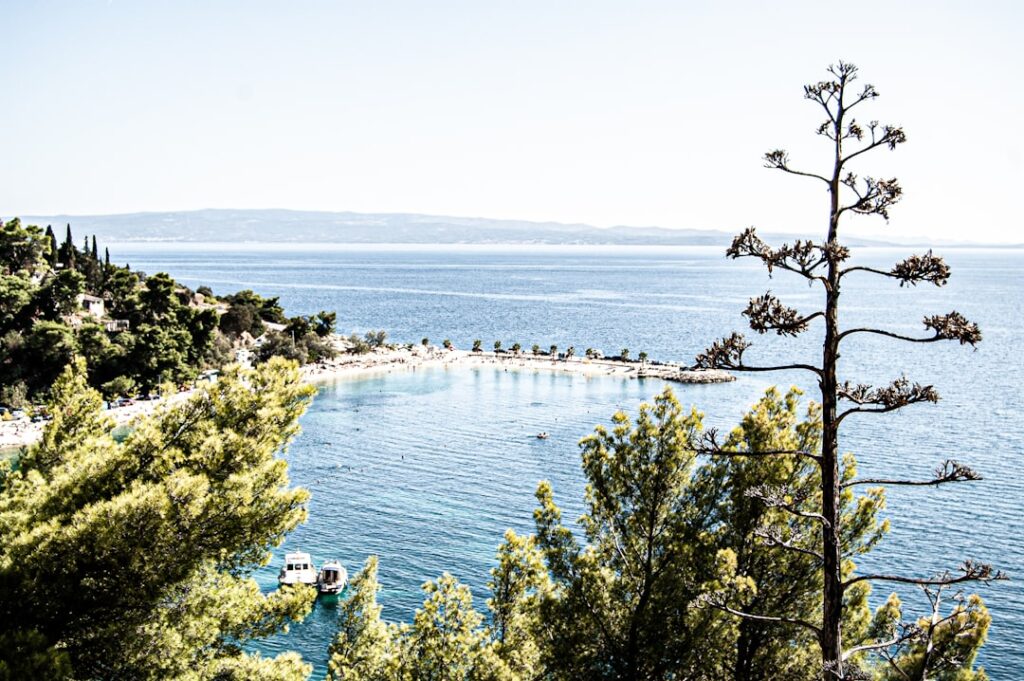
7. Transfer Split → Trogir: Bus or Boat
Departure points: Autobusni kolodvor Split (Autobus Bus Station), Obala kneza Domagoja 1, 21000 Split, Croatia. GPS: 43.5036 N, 16.4397 E. Destination: Trogir old town, Tvrđava Kamerlengo and the harbor.
Options and prices: regular bus (Promet Split): frequent departures, duration ≈ 30–40 minutes, price ≈ €3.00–4.50 one way. Water taxi / catamaran: time ≈ 15–25 minutes depending on the service, price ≈ €8.00–15.00. Check schedules in high season (more departures) and off-season (limited service).
Practical tip: for a day trip take a morning or early-afternoon bus so you have at least 3–4 hours in Trogir. Buy a return ticket if available to save time. For groups a water taxi can be cost-effective and prettier.
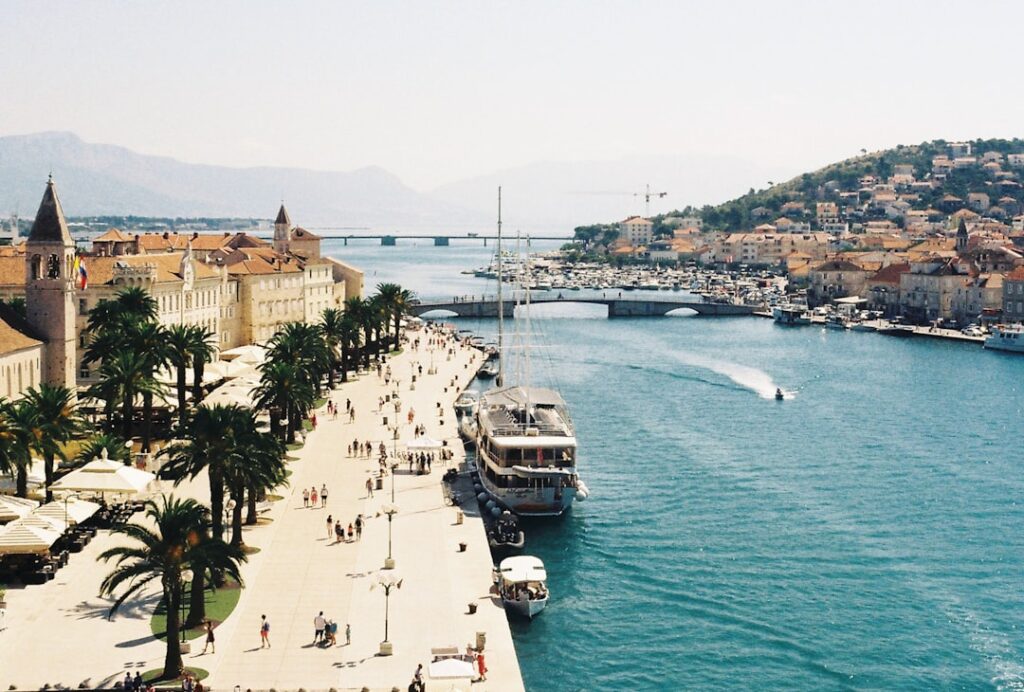
8. Tvrđava Kamerlengo (Kamerlengo Fortress) — Trogir
Address: Tvrđava Kamerlengo, Ulica Vladimira Nazora 2, 21220 Trogir, Croatia. GPS: 43.5124 N, 16.2519 E. Built in the 15th century to guard the harbor entrance, the fortress is now an exhibition space with superb views over the coastline.
Opening hours: generally 9:00–19:00 in summer, 9:00–16:00 in low season. Price: entry ≈ €6.00 per person (indicative). Photography and panoramic shots of the old town from the ramparts are a must.
Immersive description: climb the fortress steps, walk the defensive platforms and imagine cannons aimed at the sea. The proximity to the water softens the setting, and from the top you’ll get one of the best frames to photograph Trogir and the surrounding archipelago.
Local tip: pair the fortress visit with a stroll along the waterfront and a late lunch at a konoba (Dalmatian tavern). Summer evenings sometimes host concerts or open-air screenings on the ramparts.
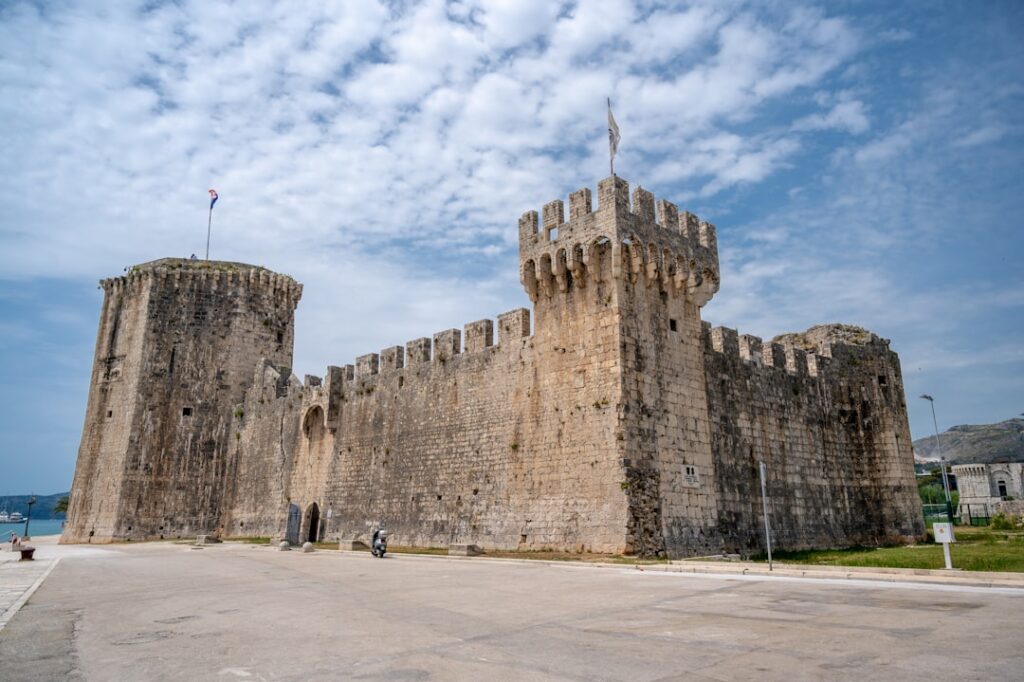
9. St. Lawrence Cathedral (Katedrala Sv. Lovre) and Trogir’s Medieval Lanes
Address: Katedrala Sv. Lovre, Trg Ivana Pavla II 5, 21220 Trogir, Croatia. GPS: 43.5121 N, 16.2509 E. Trogir’s cathedral is famed for its Romanesque portal carved by Master Radovan in the 13th century, and its bell tower offers impressive views.
Opening hours: cathedral 8:00–19:00 in summer / reduced hours in low season; bell tower often open 9:00–18:00. Price: climb the bell tower ≈ €6.00 per person. Entry to the cathedral may be ticketed for access to museum areas.
Immersive description: Trogir’s white stone, small squares and cobbled lanes create a remarkably well-preserved medieval atmosphere. Wander without a map, be surprised by arcades, patios and tiny artisan workshops; stop for gelato or coffee on the main square.
Local tip: allow 60–90 minutes to see the cathedral, adjacent museums and a walk through the lanes. If you’re tight on time, just climb the bell tower for a quick view and spend 20 minutes wandering the maze of streets.
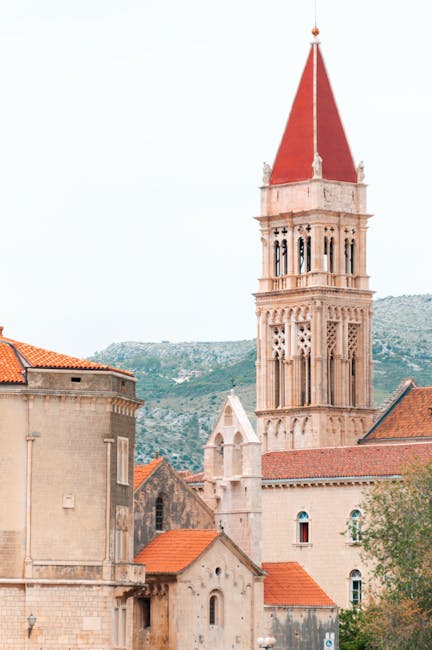
10. Back to Split and End of Day: Aperitif and Sunset
After Trogir, return to Split by bus or boat (same fares as listed). To close the day, head to a rooftop bar or the Riva for an aperitif while watching the sun drop over the Adriatic. Suggestions: a central hotel roof terrace (check venues by season) or a bar along the Riva.
Timing: aperitif recommended 18:00–21:00. Prices: a glass of local wine ≈ €3.50–6.00, cocktail ≈ €6–12. Some rooftops require a minimum spend.
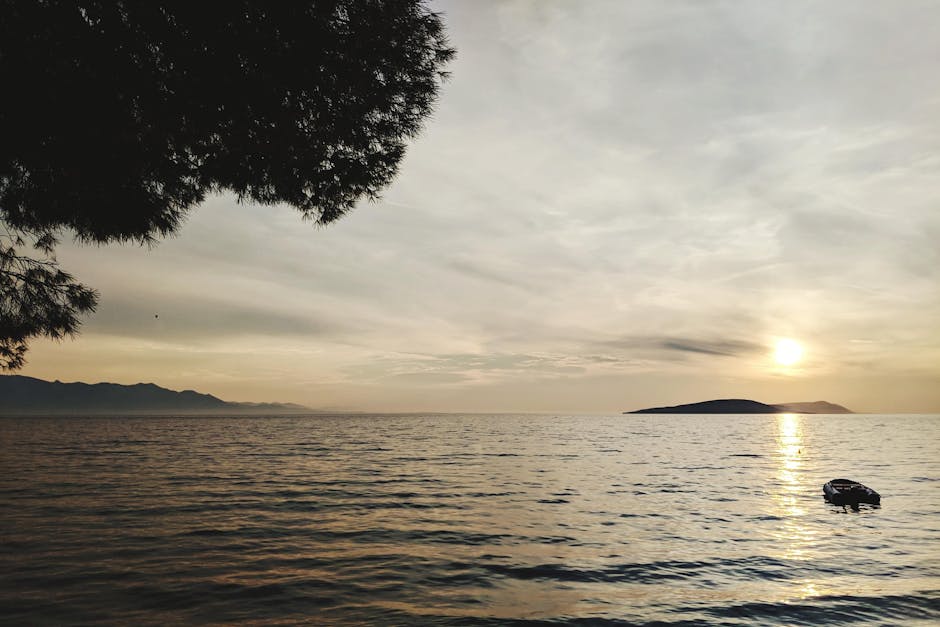
Immersive description: feel the sea breeze, watch island silhouettes against an orange sky, and enjoy Dalmatian antipasti — olives, cheeses, marinated anchovies — with a glass of Malvasia (Croatian white wine). It’s the perfect moment to review your day, sort photos and plan your next stop toward the islands or Dubrovnik.
Local tip: reserve if you plan to dine at a popular restaurant. If you’re tired from a busy day, choose a nearby konoba on the Riva for simple, high-quality food. Don’t forget to check the last bus or boat times if you’re not within walking distance.
Conclusion
In short, a well-paced day allows you to see Split’s essentials and add a trip to Trogir without rushing unnecessarily. Start at Diocletian’s Palace and the cathedral at opening, pass through the market to sample local produce and take a break on the Riva. The morning is ideal for historic sites before the heat; afterward hit Bačvice beach or climb Marjan for expansive views. In the afternoon head to Trogir — the short crossing is a pleasure — then explore Kamerlengo Fortress and St. Lawrence Cathedral. Finish with an aperitif at sunset and a Dalmatian dinner.
This Top 10 lists exact addresses, hours and indicative euro prices to help you plan confidently. Keep in mind prices and opening times may change seasonally; favor cash for small market purchases and keep digital copies of tickets and schedules. In one day you’ll touch Roman history, Mediterranean life and Dalmatian ease — a perfect snapshot for anyone wanting a quick but rich introduction to the region.
Final tips: wear comfortable shoes (cobblestones and stairs), stay hydrated, carry a small backpack for market purchases and protect yourself from the sun. If you love history, allow extra time for the palace cellars; if you prefer the sea, extend your Bačvice stop or take a boat to a nearby cove. And always leave room for the unexpected: a charming alley, a market stall or an impromptu concert can turn a well-planned day into an unforgettable memory.