




Introduction — Languages spoken in Split: from Dalmatian to Globish, a traveler’s guide
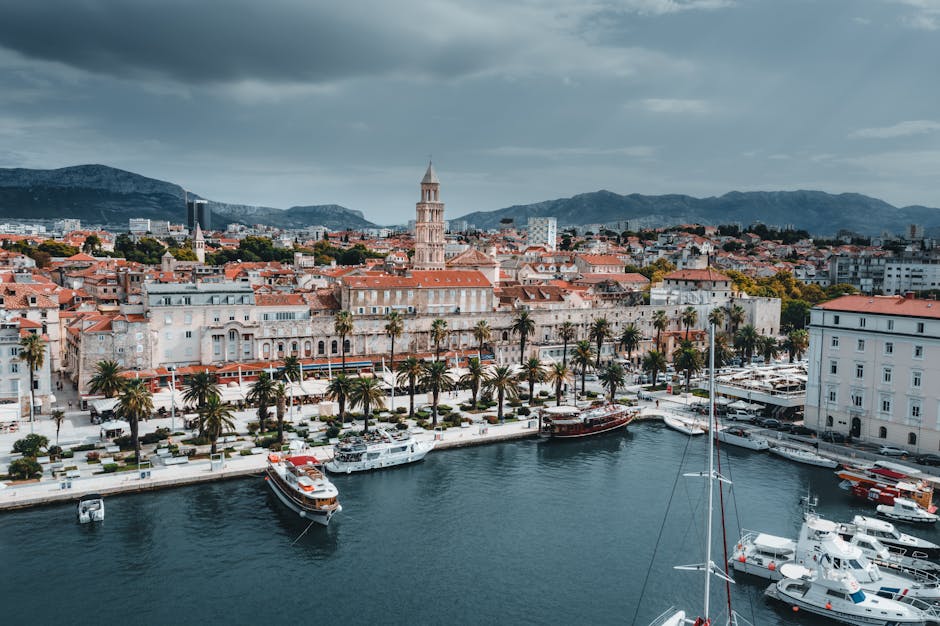
Split, the capital of Dalmatia in Croatia, is a city where languages tell history as much as the stones of Diocletian’s Palace. As a traveler, understanding the local language landscape helps you find your way down narrow lanes, haggle at markets, enjoy cafés, and make genuine connections. This detailed guide offers a linguistic immersion: from remnants of Dalmatian and local Croatian dialects to the Globish used in tourist services, plus helpful addresses, practical prices in euros and concrete tips to communicate effectively.
The official language is Croatian (hrvatski), but Split is also a historical crossroads where Chakavian dialects, Venetian and Italian influences mix, and where today Globish (simplified English) dominates tourist areas. Walking along the Riva, the green market (Pazar) or the city’s cafés, you’ll hear standard Croatian, regional dialects and English with various accents. Young locals often speak fluent English and German, while in neighborhood shops and among older generations, a bit of basic Croatian will open many doors.
This guide starts with a historical and sociolinguistic introduction, then describes practical situations (restaurants, museums, transport), offers useful Croatian phrases with rough pronunciations, and lists exact addresses and opening hours of places where language matters (tourist offices, language schools, exchange cafés). You’ll also find price estimates in euros — bus tickets, tours, coffees — to plan your language budget on site: learning a phrase, buying a SIM card, booking a guided tour in simple English. Each section ends with local tips to turn a few words into real shared moments.
1. Linguistic history of Split and local dialects
Split’s linguistic fabric has been woven by centuries of contact: the Roman Empire, Venetian rule, Austro‑Hungarian influence and the mixing of Adriatic peoples have all left traces. Modern Croatian used in official documents and education is based on the Shtokavian standard, but in Dalmatia you’ll mostly encounter the Chakavian dialect and local forms sometimes referred to as “Dalmatian” (a historical reference to the now‑extinct Dalmatian Romance language). This dialectal diversity explains why words and pronunciations can vary from town to town — a charming fact for curious travelers.
The historic heart, Diocletian’s Palace (Dioklecijanova palača), is where you’ll hear a blend of tongues: shopkeepers use standard Croatian with local turns of phrase, and some menus include Italian and English translations. Older residents in the outer neighborhoods may prefer dialectal Croatian, often sprinkled with Italian words (leftovers from Venetian rule) and local maritime expressions. Learning a few Chakavian phrases, even simple ones, is appreciated by locals who love hearing their regional speech.
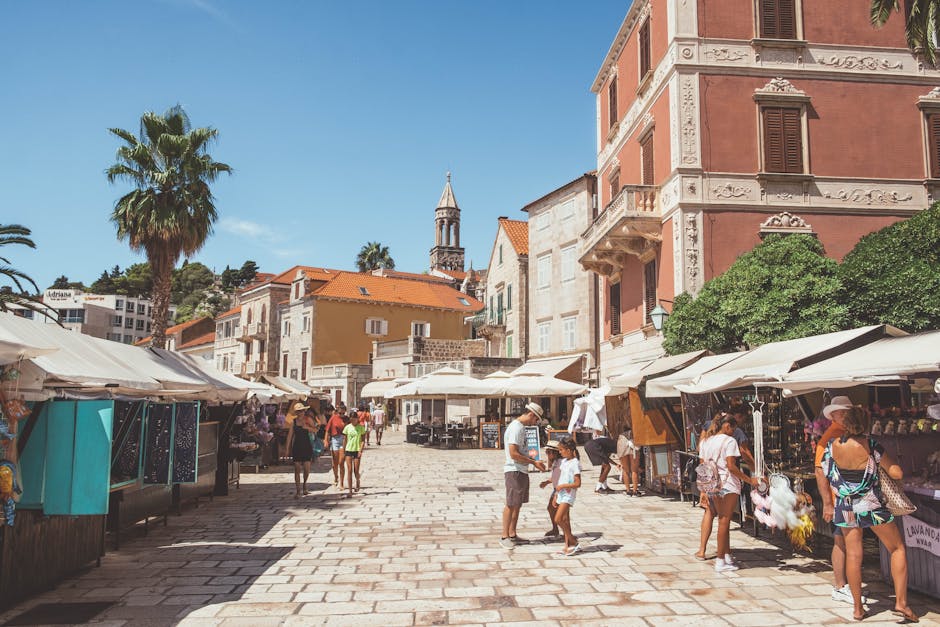
Practical tip: start by memorizing basic polite phrases in standard Croatian — « Dobar dan » (Hello), « Hvala » (Thank you), « Molim » (Please / you’re welcome) — and add a regional phrase like « Kako si? » pronounced in the local way. Markets like Pazar (Green Market) near People’s Square (Narodni trg / Trg Republike Hrvatske) are perfect spots to listen and practice. The market runs around Trg Braće Radić, 21000 Split and is generally open from 07:00 to 14:00; fresh produce prices start at about €1–€3 for local vegetables, giving you a great excuse to start a conversation while buying something.
2. The role of Globish and tourist English in Split
Since the 2000s, English has become omnipresent in Split’s tourist areas: restaurants, travel agencies, organized tours and hotels often use Globish — simplified, pragmatic English that’s widely understandable. Globish makes communication between tourists and locals easier but doesn’t erase cultural nuance. Learning when to use simple English and when to try Croatian will give you a real advantage for more authentic interactions.
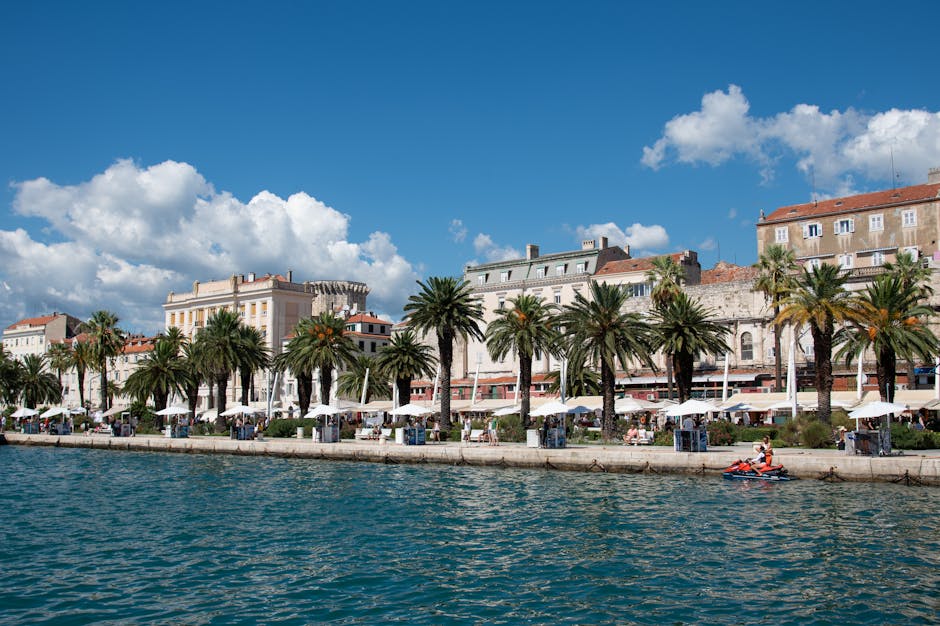
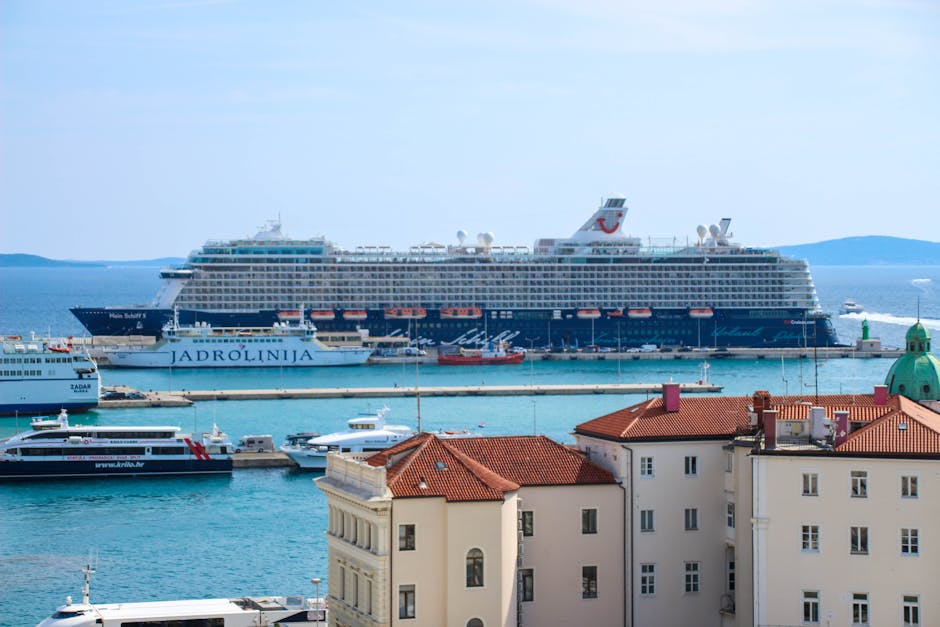
In the historic center, most servers and vendors speak at least functional English. On the Riva (Adriatic waterfront, Obala Hrvatskog narodnog preporoda) and at the ferry port, expect to hear English with an international intonation. The Bilheterija at Trajektna luka Split (Split Ferry Port, Obala Lazareta 1, 21000 Split) provides information and tickets in English — ferry schedules vary by season; in high season (June–September) the ticket offices are open 05:00–23:00. A ticket to Hvar or Brač generally costs between €6 and €20 depending on the destination and ferry type.
Practical Globish examples: menus often use simple phrases (« Grilled fish with potatoes ») rather than complicated anglicisms; guides advertise « short walking tour » or « private transfer. » For a typical dinner, expect to pay around €10–€18 for a main course in a konoba (Dalmatian tavern) like Konoba Fetivi, address: Ulica Kralja Tomislava 11, 21000 Split — opening hours 11:00–23:00, main course ~€12–€18. Tipping is not mandatory but 5–10% is appreciated if the service is good.
3. Where to practice, learn and get help: addresses, hours, prices
To deepen your language practice or get help, several places in Split combine tourist resources, courses and community exchanges. Here are concrete addresses, typical opening hours and indicative prices useful for a traveler.
- Turistička zajednica grada Splita (Split Tourist Board) — Obala Hrvatskog narodnog preporoda 2, 21000 Split. Hours: 08:00–20:00 (high season), 09:00–17:00 (low season). Services: maps, brochures in English, advice on tours and guides. Free.
- Autobusni kolodvor Split (Main Bus Station) — Ul. R. Boškovića 1, 21000 Split. Ticket office hours: 05:00–23:00. Fares: local urban bus ticket ~€2 (one‑way), bus to the airport €4–€6 depending on the operator.
- Trajektna luka Split (Split Ferry Port) — Obala Lazareta 1, 21000 Split. Ticket office hours: 05:00–23:00 (varies by season). Example prices: Split–Hvar €8–€18, Split–Vis €15–€30.
- Gradska knjižnica Marka Marulića (City Library) — Trg braće Radić 1, 21000 Split. Hours: 09:00–19:00. Services: loans, reading corners and occasional language exchange meetups. Membership or reading on site is free; photocopies and printing cost extra.
- Language exchange cafés — Kavana Pizzeria Bajamonti, Trg braće Radić 1, 21000 Split — hours: 07:00–22:00. Price of a coffee: €1.5–€3. Look for posters reading « Language exchange / Tandem » to join for free.
For structured courses, look for « Croaticum — Center for Croatian as a second and foreign language » (university programs) and private schools offering intensive week courses; prices vary: 1 intensive week (20 h) ~€120–€200 depending on the school. Private lessons usually cost between €15 and €35 per hour depending on level and tourist demand. If you prefer learning on the move, book a « walking tour with a local guide » in simple English: average price €15–€30 per person for 1.5–2 hours, often available at the Tourist Board office.
4. Useful phrases, behaviors and local tips for good communication
A few Croatian phrases will go a long way in Split. People appreciate the effort and most will respond warmly if you start in Croatian before switching to English. Here’s a practical selection, with rough pronunciation and when to use them:
- Dobar dan (DOH‑bar dahn) — Hello (use until around 16:00).
- Dobro jutro (DOH‑bro YOO‑tro) — Good morning.
- Hvala (HVAH‑lah) — Thank you.
- Molim (MOH‑leem) — Please / you’re welcome.
- Gdje je…? (GD‑yeh yeh) — Where is…? Ex: « Gdje je trajektna luka? » (Where is the ferry port?)
- Koliko košta? (KOH‑lee‑ko KOHS‑ta) — How much does it cost?
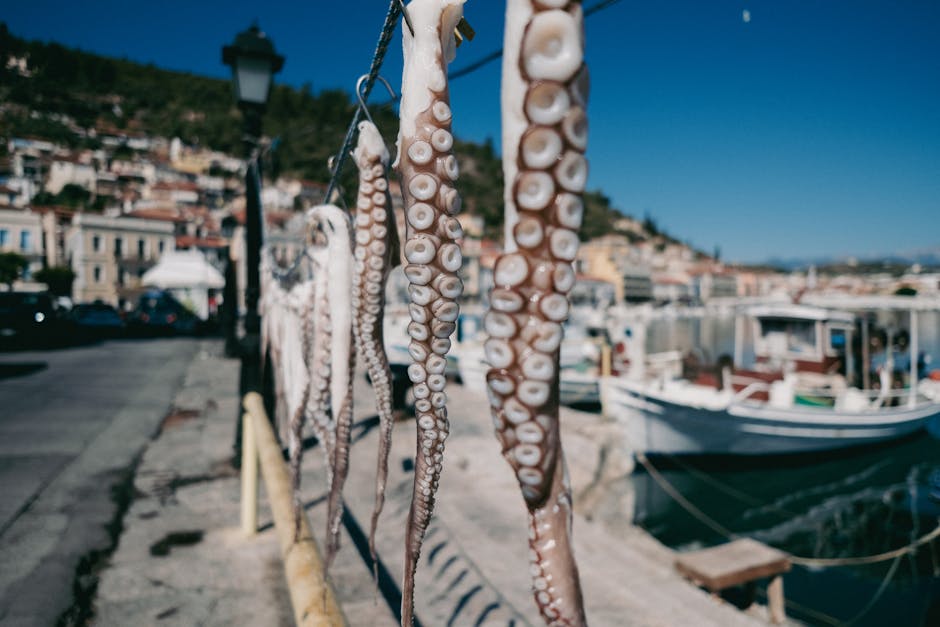
Cultural behaviors: a formal handshake is common for first business contacts; in cafés and small shops the tone is more informal. Conversations often start with the weather, local football (RNK Split, Hajduk Split) or food: mentioning local fishing and fish dishes is a great icebreaker. Avoid diving into sensitive political topics quickly; favor curious, friendly questions and compliments about the city or the food.
Practical tips for interactions: keep small banknotes (€5–€10) for taxis and small shops; if you’re asking for directions, choose quieter times (10:00–12:00 or 15:00–17:00) — in high season (July–August) places are very busy and staff may be rushed. If you want a language souvenir, buy a pocket bilingual Croatian‑English phrasebook at a Riva bookstore or the Tourist Board for €6–€12.
Conclusion — Traveling and speaking in Split: strategies for real encounters
Split offers a rich balance between the convenience of Globish for tourist services and the cultural depth of local languages. As a savvy traveler, you’ll gain a lot by combining respect, curiosity and practical tools: a few Croatian phrases, a pocket guide, using Globish for quick situations and the willingness to listen to local dialects. These linguistic gestures will turn transactions into exchanges and guided tours into shared stories.
Plan your interactions: start at the Tourist Board (Obala Hrvatskog narodnog preporoda 2), take a local bus to Pazar market or Marjan Hill, and join a language exchange in a café like Kavana Bajamonti to practice in real situations. Investing in a short lesson or an intensive week (≈€120–€200) can pay off if you stay longer. Don’t forget the practical costs: bus tickets ≈€2, ferries €6–€30 depending on the destination, main dishes in a konoba €10–€18. These figures will help you manage daily interactions without surprises.
Finally, think of language as a key, not a barrier. Even though Globish will help you get by, it’s the attempt to speak Croatian, however imperfect, that brings smiles, the helpful tip and sometimes an invitation to keep chatting. Split is a city of meetings — its stone alleys, sea‑facing terraces and bustling markets are the best classrooms. Come back with words, not just photos: a learned greeting, a sincere « hvala » and a shared moment with a Split local are the truest travel souvenirs.