





Introduction — Why visit Split for 48 hours and how to make the most of your stay
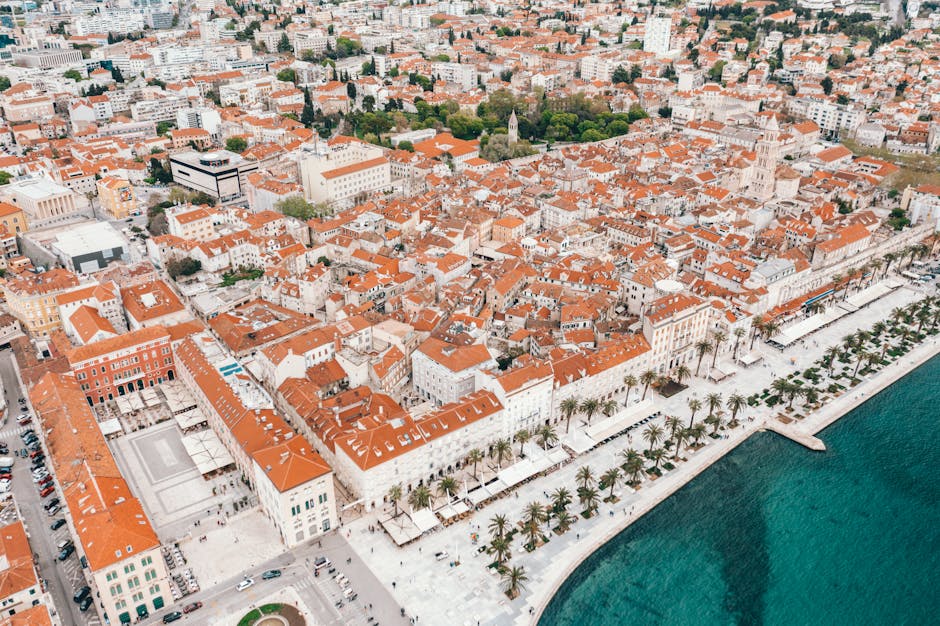
Split, Croatia’s second city and the beating heart of Dalmatia, is perfect for a short but full-on getaway. Built around the Roman palace of Emperor Diocletian, the city blends ancient ruins, medieval lanes, lively markets and a bustling waterfront. In 48 hours you can cover the essentials: historic landmarks, scenic viewpoints, taste Dalmatian cuisine and soak up the local vibe. This detailed guide offers an hour-by-hour plan, exact addresses, prices in euros and suggested opening times so you can make the most of your time without feeling rushed. It’s aimed at independent travelers and short-stay visitors who want to leave feeling they really discovered the city.
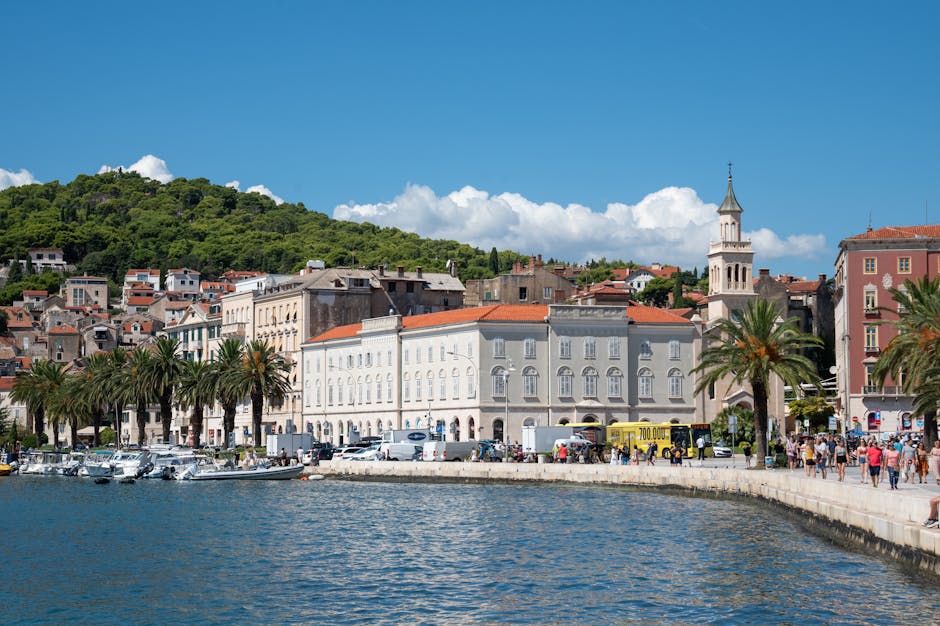
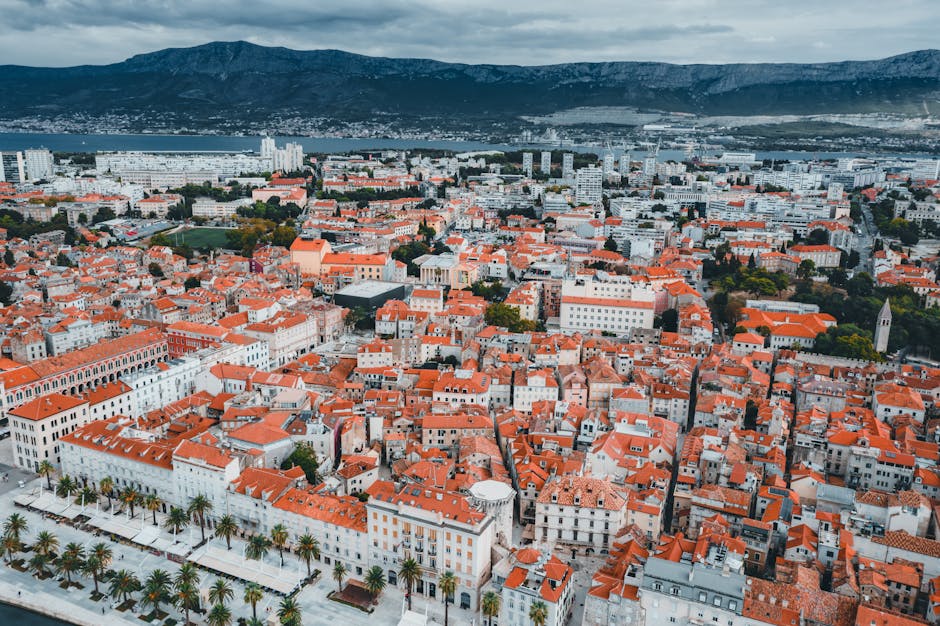
Split is best explored on foot. The historic core is compact and concentrates most of the main attractions: Diocletian’s Palace, the Cathedral of Saint Domnius, the Riva (waterfront promenade), the Pazar market and the port. On top of that, there are must-do nature experiences like the climb up Marjan Hill and an afternoon chilling at Bačvice Beach. The schedule below is intentionally busy but realistic: bring sturdy shoes, a water bottle and offline maps. Practical details (addresses, prices in euros, opening hours) are given for the main sites: in Croatia many entrances are priced in kunas converted here to rounded euros, and I note when fees are seasonal or approximate.
This guide doesn’t just list sights: it offers immersive descriptions to help you picture each place before you go, local tips (best times to visit, how to avoid queues, foodie alternatives) and suggestions for small detours. You’ll also find practical pointers: how to walk between sites, which visits are worth paying for and which can be enjoyed from outside, which restaurants and cafés suit different budgets, and how to optimize transfers to the islands or the airport if your trip continues after Split.
1) Day 1 — Historic morning: Diocletian’s Palace, the Cathedral and the Peristyle
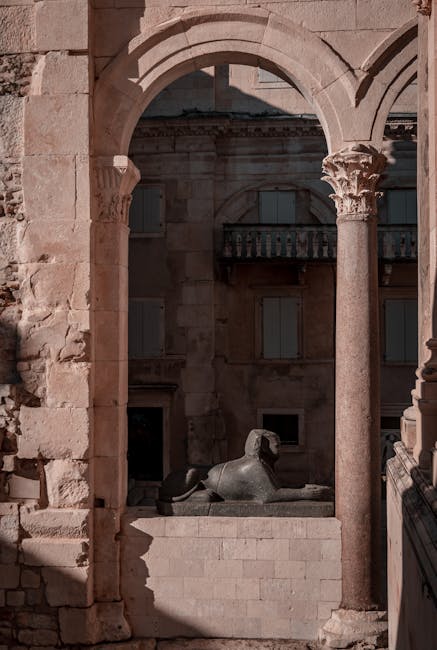
Start your exploration in the historic heart: Diocletian’s Palace, a UNESCO World Heritage site. Address: Peristil, 21000 Split, Croatia. Entering the palace zone is free because the complex is a living neighborhood, but some inner areas and museums charge admission. Wander through the Peristyle, the main courtyard lined with arcades and columns where Roman architecture sits alongside modern cafés. Inside the walls the atmosphere is special: sun-warmed stone, footsteps on ancient slabs, and artisans crafting souvenirs.
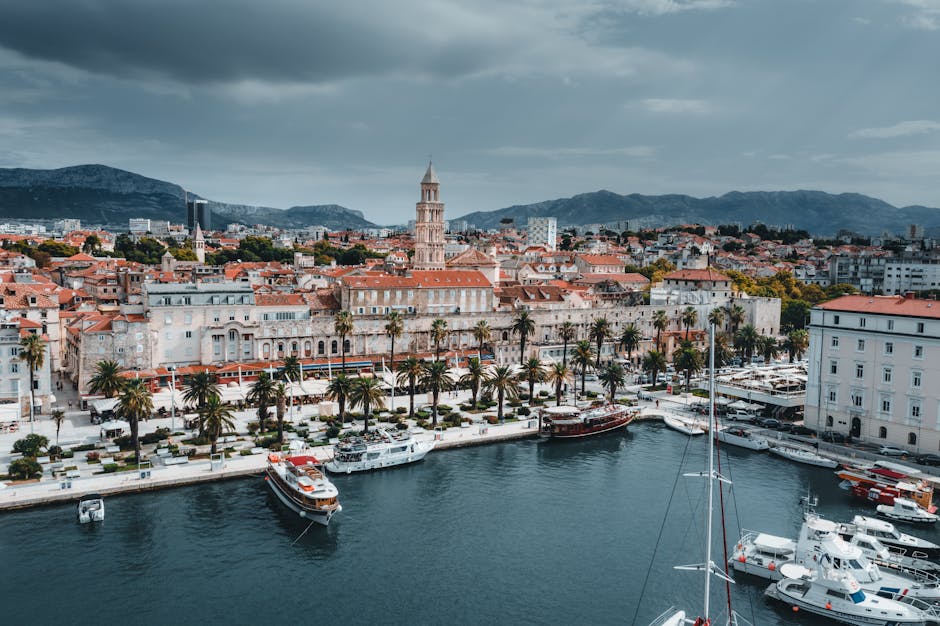
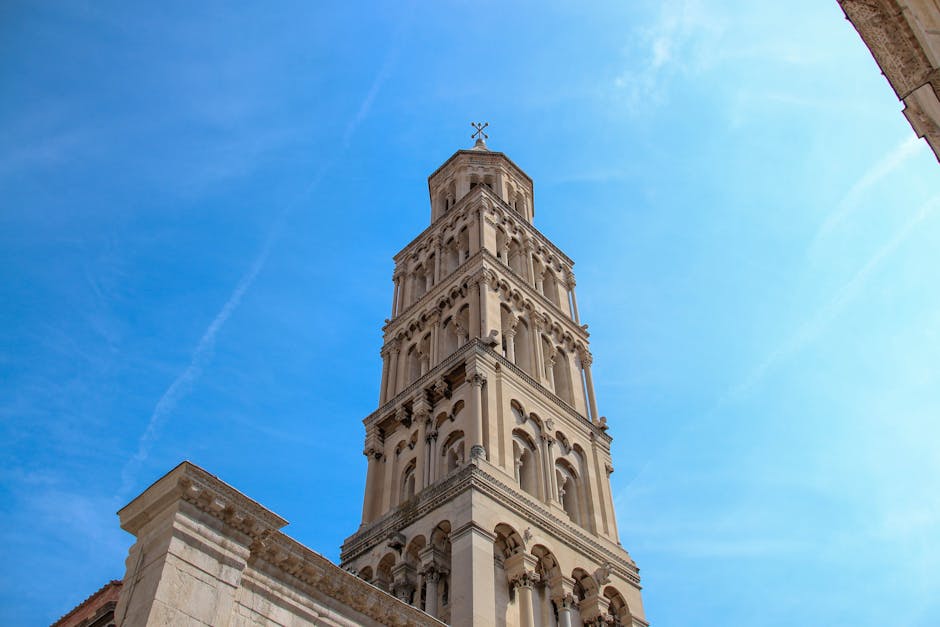
Visit the Cathedral of Saint Domnius (Katedrala Svetog Duje) located in the palace core. Address: Katedrala Svetog Duje, Peristil 21000, Split. Hours: typically 08:00–12:00 and 16:00–19:00 (varies by season and services). Price: bell tower climb about €3–€6 (seasonal rate); cathedral entry is free but the treasure chapel may charge (~€2–€4). The view from the top of the bell tower is one of Split’s signature panoramas: the Adriatic on the horizon, red tile roofs and a maze of narrow streets below.
Don’t miss the Vestibule of Diocletian and the nearby Archaeological Garden: the Vestibule is often used for early music concerts and gives a sonic dimension to the visit. If you love history, the Archaeological Museum (Archaeological Museum Split) has great collections. Address: Ul. Domaldova 6, 21000 Split. Hours: 09:00–17:00 (may vary). Price: around €5–€8. That morning, prioritize the palace visit early (or before 10:00) to avoid tour groups and the summer heat.
Practical tips for the morning
- Tickets and queues: arrive early for the bell tower. In high season (June–August) queues can be long between 10:00 and 15:00.
- Recommended duration: 2.5–3 hours to walk the Peristyle, visit the cathedral and see a couple of museums.
- Gear: hat, water and good shoes. Cobblestones can be slippery after rain.
- Budget: allow €10–€20 for morning admissions and small tips.
2) Day 1 — Afternoon & evening: market, Riva, Bačvice and a Dalmatian dinner
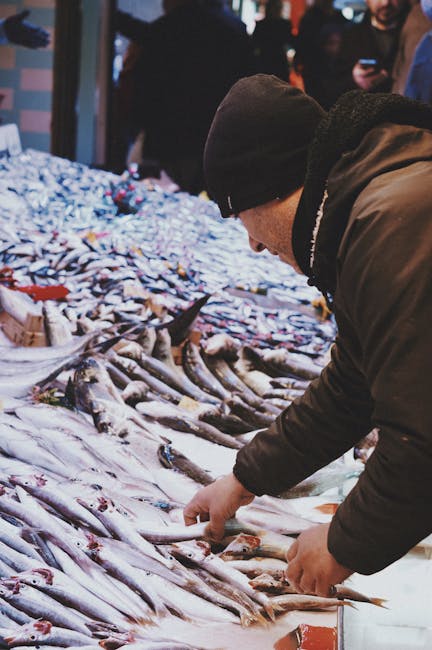
After the palace, head to the Pazar market (People’s Market / Pazar). Address: Pazar, 21000 Split (between the palace and the Riva). Hours: 06:00–14:00 (active in the morning to early afternoon; quieter later). You’ll find fresh fruit, vegetables, local cheeses, olives, fish and flowers. The market is perfect for tasting local produce or picking up fresh bread and supplies for a later picnic in Marjan Park.
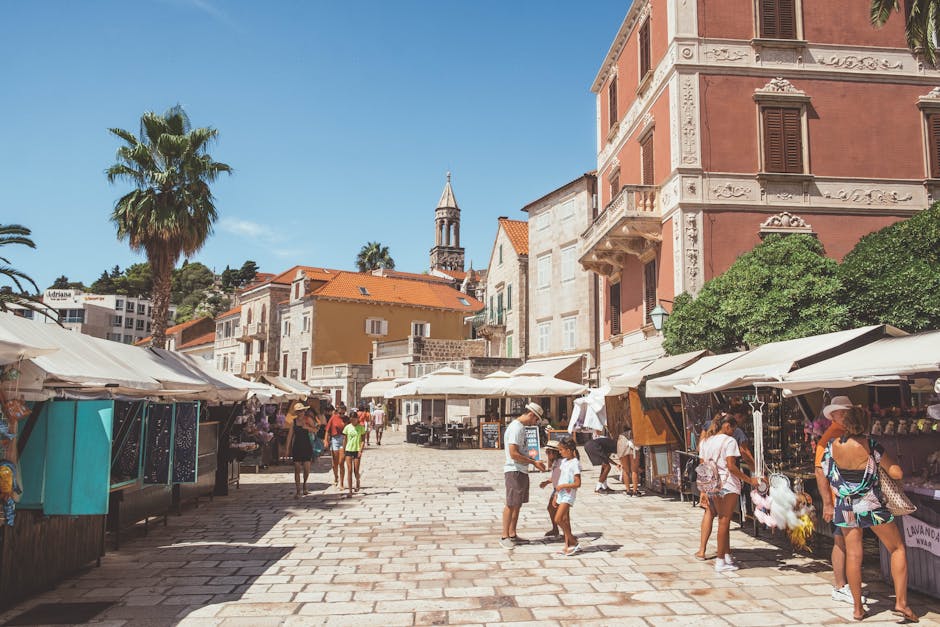
Then make your way to the Riva, the official waterfront promenade: Obala Hrvatskog narodnog preporoda, 21000 Split. The Riva is ideal for a coffee and people-watching: boats, terrace cafés and street musicians. Coffee prices: espresso ≈ €1.50–€2.50, cappuccino ≈ €2.50–€4 depending on the place. For a local lunch, try a nearby konoba (traditional Dalmatian tavern): konoba « Nostromo » (Obala Hrvatskog narodnog preporoda 9) or « Konoba Fetivi » (Hektorovićeva ul. 1). Typical dishes: peka (meat or seafood stew baked under a bell) €15–€30, black risotto (crni rižot) €10–€18, simple Dalmatian salad €6–€10.
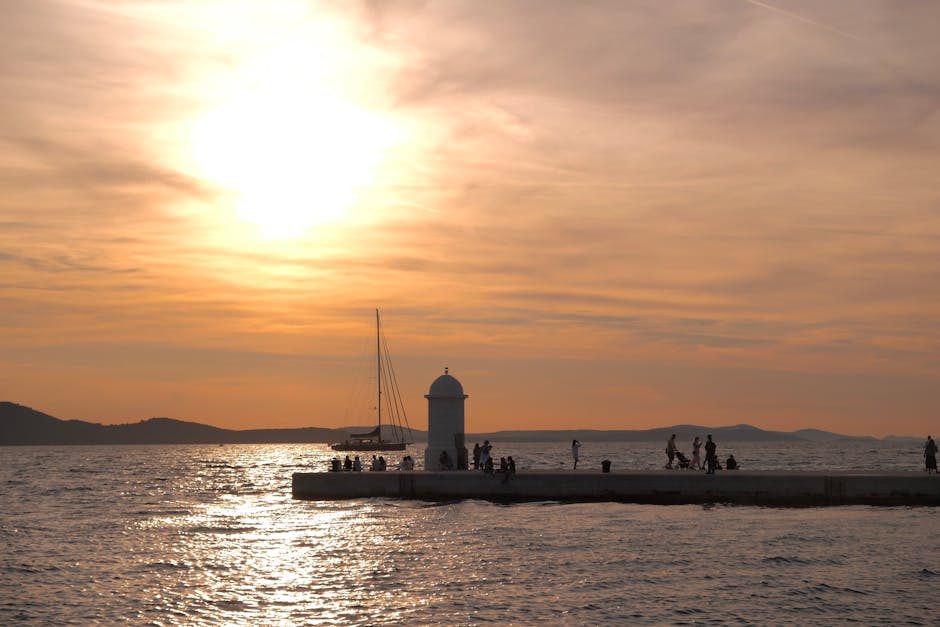
For the afternoon, take some downtime at Bačvice Beach. Address: Plaža Bačvice, Ulica Gaje Bulata 6, 21000 Split. Hours: public beach accessible 24/7; beach facilities often open 08:00–22:00. Price: beach access is free; sunbed rental ≈ €5–€15 depending on spot. Bačvice is famed for its fine sand, shallow water and the local game picigin (a small-ball water game), which makes for great sunset photos.
In the evening, return to the Old Town for dinner. For a contemporary gastronomic experience, book a table at « Zrno Soli » (Address: Matejuška 1, 21000 Split) — modern Mediterranean cuisine, menus €25–€45 per person. For a budget-friendly authentic option, « Pizzeria Galija » (Ulica Domagoja 2) offers good pizzas and local dishes for €6–€15. After dinner, take a stroll along the Riva at night when the lighting creates a refined atmosphere, and finish with a drink at a local wine bar.
Local tips for the evening
- Dining hours: Croatians often dine after 19:00–20:00; reserve ahead at weekends.
- Drinks: try Dalmatian wine (Plavac Mali); bottle prices in restaurants €15–€40.
- Safety: Split is generally safe at night; stay mindful of personal belongings in busy tourist spots.
3) Day 2 — Morning in nature and views: Marjan, the zoo and panoramas
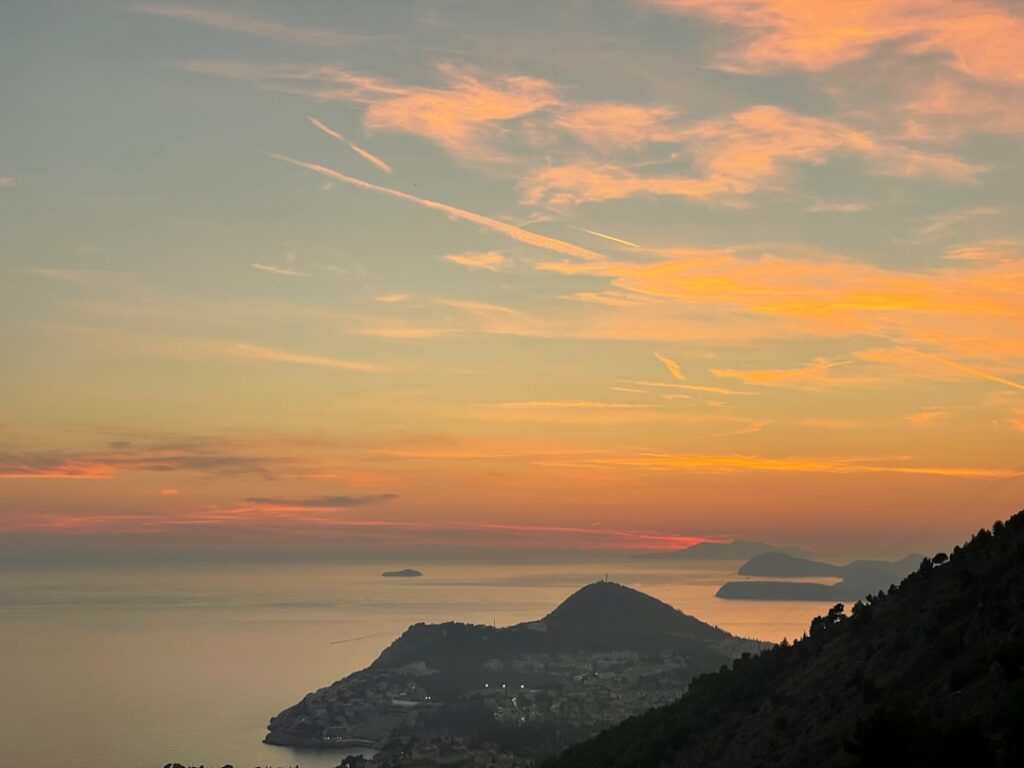
Dedicate the second morning to Split’s green lung: Marjan Forest Park (Marjan Hill). Address: Park-šuma Marjan, 21000 Split. Hours: open 24/7; some small museums/visitor points open 08:00–20:00. Marjan offers multiple walking trails, small chapels, viewpoints and hidden beaches. The climb to the summit (Telegrin or Vidilica viewpoints) takes 20–40 minutes depending on your starting point and pace. The reward is a sweeping view over Split and the islands—best at sunrise or early morning to beat the heat.
Near the park entrance you’ll find the small Split Zoo (Zoološki vrt Split) — Address: Marjan 1, 21000 Split — which is more of a family attraction with local and exotic species. Hours: 10:00–18:00 off-season; times vary by season. Price: about €3–€6. Even if you skip the zoo, stroll along the coastal trails that reveal quiet pebble beaches, swimming coves and tucked-away cafés.
For a late breakfast or brunch try « Brasserie on 7 » (Obala Hrvatskog narodnog preporoda 7) or a café near the Maritime Museum. Brunch budget: €5–€12 per person. If you bought market produce the day before, Marjan’s summit is a wonderful spot for a picnic with a view.
Recommended activities and alternatives
- Hiking: easy-to-moderate trails, 1–2 hours depending on route and photo stops.
- Alternative beaches: Kašjuni Beach and Bene Beach (west side of Marjan) for calmer waters and fewer crowds.
- Transport: easy walk from the Old Town in 20–30 minutes, or take a local bus (stops near Meje).
4) Day 2 — Afternoon explorations: museums, the fish market, a short island hop or ferry
In the afternoon, return to the harbor area and visit Split’s fish market (Fish Market Split / Ribarnica). Address: Riva, između Matejuške i trajektnog pristaništa, 21000 Split (on the edge of the port). Hours: early morning until about 14:00. It’s the place to see local catches, buy fresh fish if you’re cooking, or simply admire the colorful stalls. Nearby, the small « Muzej Grada Splita » (City Museum of Split) is housed in the Porta Argentea tower and offers insight into the city’s urban history. Address: Papalićeva ul. 1, 21000 Split. Hours: 10:00–17:00. Price: around €3–€6.
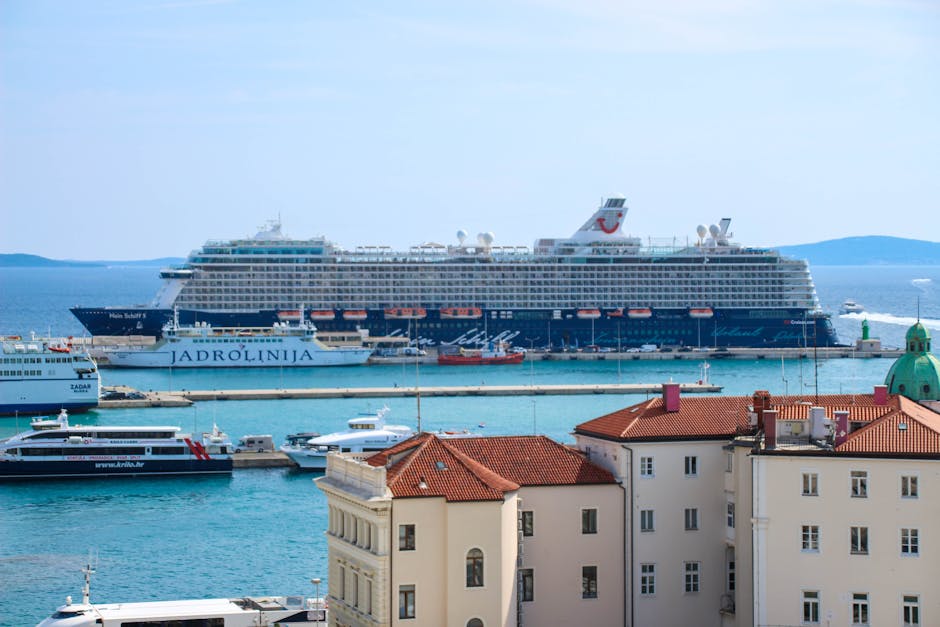
If you want a quick island trip, multiple ferries and catamarans depart from Split port (Trajektna luka Split). Address: Obala Lazareta 1, 21000 Split. Schedules vary; frequent connections to Hvar, Brač and Šolta in high season. Price: short crossings to Šolta or Brač ≈ €6–€15; Hvar ≈ €8–€25 depending on the vessel (faster catamarans cost more). For a relaxed afternoon cruise consider the short hop to Brač (Supetar) or a half-day boat tour to nearby coves (≈ €25–€45).
If you prefer to stay in town, explore the Veli Varoš neighborhood, one of Split’s oldest quarters with narrow lanes, stone steps and traditional homes. Food recommendation: try a soparnik or truffle products from Dalmatia at a small local konoba (dishes €6–€15). For recent history buffs, the Homeland War Museum is an option to check (hours and prices vary).
Late afternoon, shopping and coffee
- Souvenirs: for local crafts look along Ulica Marmontova (Marmont Street) and the galleries in the Old Town.
- Food shopping: cheeses, olive oils and wines can be bought at Pazar or specialty shops (local wines €8–€25).
- Cafés to try: « Kava2 » (Marmontova ul.) for a quick espresso, and « D16 Coffee » in the Old Town for specialty coffee.
Conclusion — Summary, final tips and onward trips from Split
In 48 hours Split delivers a rich mix of experiences: immersion in antiquity at Diocletian’s Palace, seaside moments on the Riva and at Bačvice, nature escapes in Marjan Park, and culinary discoveries between markets and konobas. This plan is realistic: mornings devoted to monuments and history, afternoons for nature, sea and local atmosphere, evenings for food and leisurely walks. The addresses and hours provided are practical references; in Croatia the tourist season strongly affects opening times and prices, so double-check before each visit.
A few practical tips to perfect your stay: buy tickets online where possible for paid attractions (bell tower, museums), carry some cash in euros and kunas because small shops may prefer cash, and always leave time to wander — some tucked-away lanes and terraces aren’t in any guide but hold lovely surprises. To extend your trip, Split is an excellent base for Hvar, Brač and Šolta, or for exploring the coast to Trogir (about 30 minutes by car) and Krka National Park (1h15–1h30 by car). Ferries to the islands leave from Trajektna luka Split (Obala Lazareta 1) and schedules vary seasonally.
Finally, respect historical sites: many spaces inside the palace are private homes or local businesses — behave discreetly, don’t climb on ancient structures and support the local economy by choosing independent restaurants and artisans. With this itinerary you’ll come away with an authentic understanding of Split: its long history, its close relationship with the sea and its lively food traditions. Have a great trip and may your 48 hours in Split be full of discoveries, photos and shared moments!