





Introduction — Why Split is a must-visit for street food
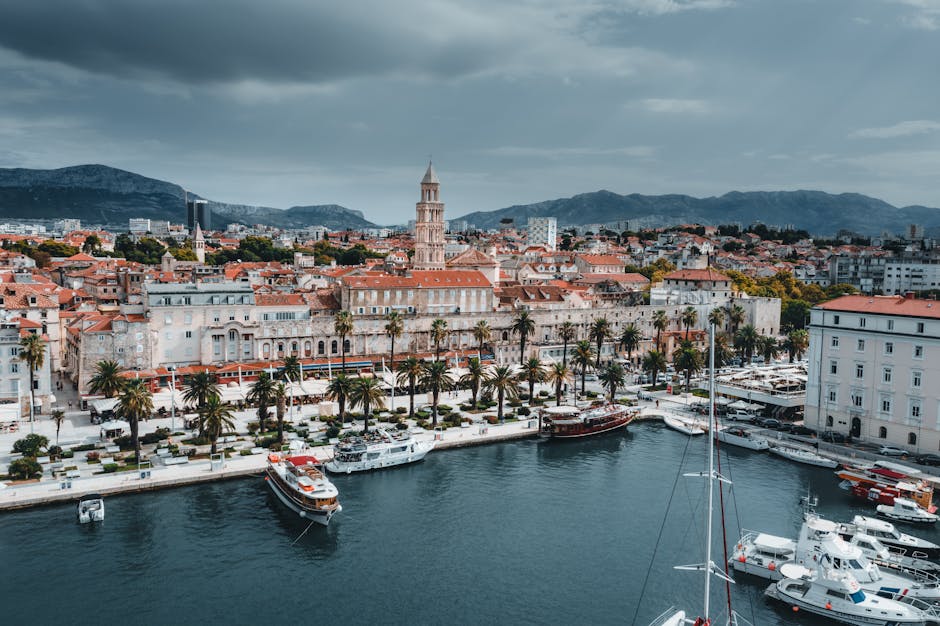
Split, Croatia’s second-largest city, is much more than a port and a UNESCO-listed Roman gem: it’s a crossroads of flavors where street food deserves as much attention as the beaches and sights. With the Adriatic on its doorstep, bustling markets full of local produce, and a culinary tradition shaped by Dalmatian, Mediterranean and Ottoman influences, Split’s street food scene is lively, tasty and budget-friendly. Whether you need a quick lunch between visits to Diocletian’s Palace, a snack after swimming at Bačvice, or an inexpensive dinner before catching a ferry to the islands, Split has plenty of delicious low-cost options.
This detailed guide points you to the most accessible stalls and spots beloved by locals, with exact addresses, price ranges in euros, typical opening hours and tips to choose wisely. You’ll find must-try specialties: burek (savory flaky pastry filled with spinach or meat), ćevapi (small grilled sausages), grilled fish sandwiches (including pljeskavica and Dalmatian fish burgers), soparnik (chard-filled pastry), and treats like fritule (Croatian donuts) and kremšnita (cream cake). Several places mentioned are local institutions known for great value — ideal for travellers watching their budget but not willing to compromise on taste.
The addresses are in the heart of Split or in neighborhoods where street food is most active: the Pazar (Green Market) southeast of the Palace, the Riva (seafront promenade), Marmontova street and the areas around the beaches. Hours reflect typical patterns, but check for public holidays or high season (July–August) when some stalls open earlier or stay open later. I’ve also included practical tips (language, payment, portion size and specialties to try) to turn every bite into a memorable experience.
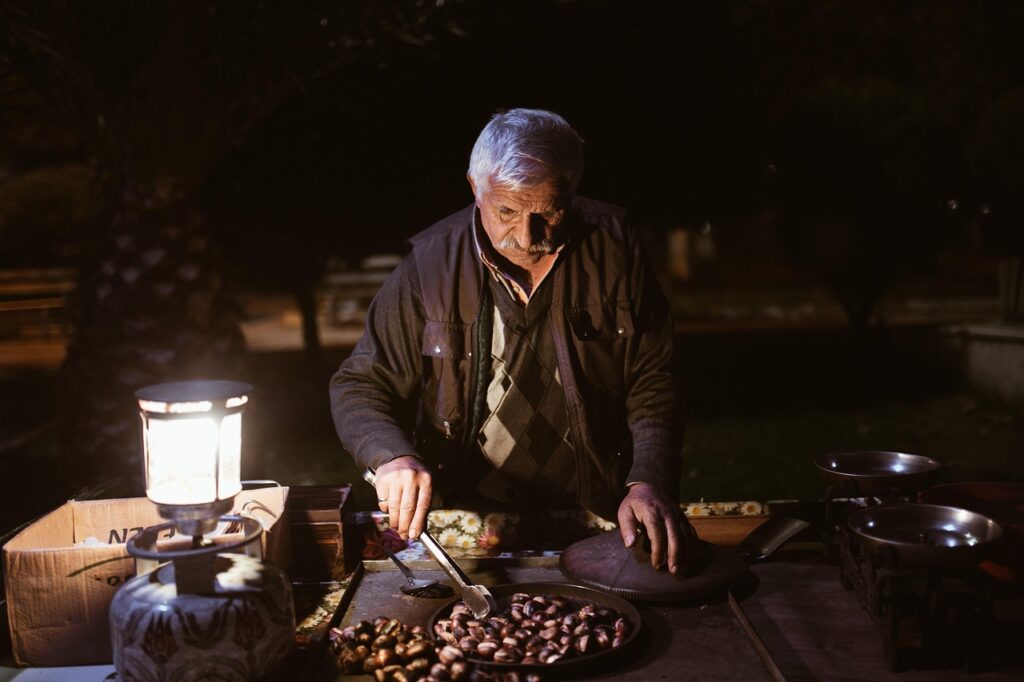
1) The Pazar (Green Market) — the beating heart of local produce and quick snacks
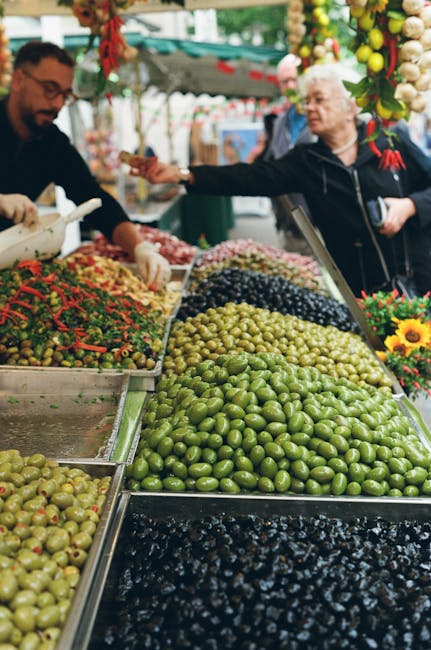
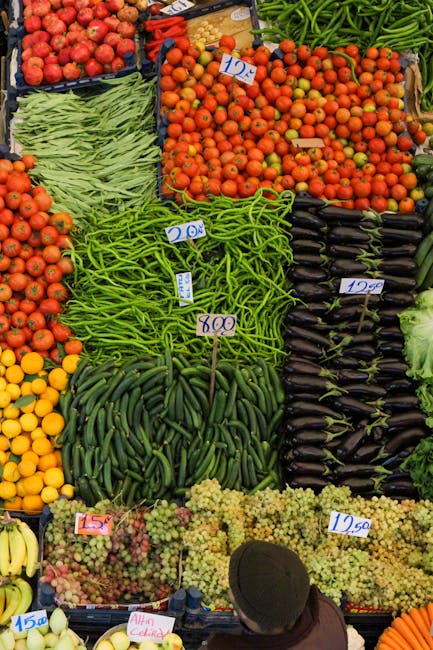
The Pazar, or Green Market, is the historic market that runs along the east side of Diocletian’s Palace. Address: Trg Braće Radić, 21000 Split. It’s the perfect place to dive into authentic Dalmatian ingredients and grab quick bites. Stalls offer fruit, vegetables, aromatic herbs, goat cheeses, olives and smoked fish — but you’ll also find small food stands selling burek, soparnik, fish sandwiches and freshly pressed juices.
Hours: most vendors open early, between 06:00 and 07:00, and stay until around 13:00–15:00 depending on the season. Some food stalls stay open later, especially on weekends. Prices: expect to pay between €1.50 and €4.50 for a portion of burek, €2.00–€3.50 for a glass of fresh juice, and €3.50–€6.00 for a simple fish sandwich. Portions are generous, great for an economical snack.
Immersive description: picture colorful rows of wicker baskets, the smell of warm bread and grilled fish mingling with the scent of coastal herbs. A typical stall sells burek — crisp, flaky pastry filled with minced meat or spinach and cheese — served piping hot, often with a yogurt or a small coffee. Another vendor might serve little grilled sardines in rustic bread with olive oil and lemon — a cheap, delicious taste of the sea.
Local tips: arrive early to get the freshest produce and avoid the crowds. Bring cash: some small stalls prefer cash payments (euros or kunas). Don’t hesitate to ask producers for recommendations — they often offer tastings. Also sample local cheeses in small portions (paški sir is not far away geographically) to round out your street meal.
2) The Riva and fish sandwiches — grilled fish and seaside paninis
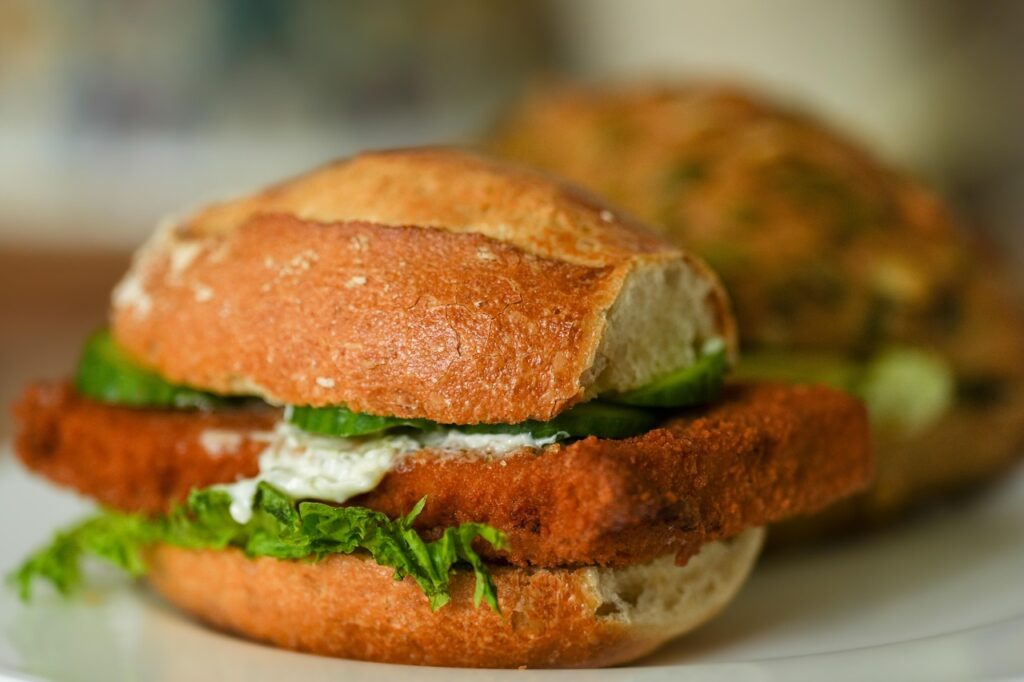
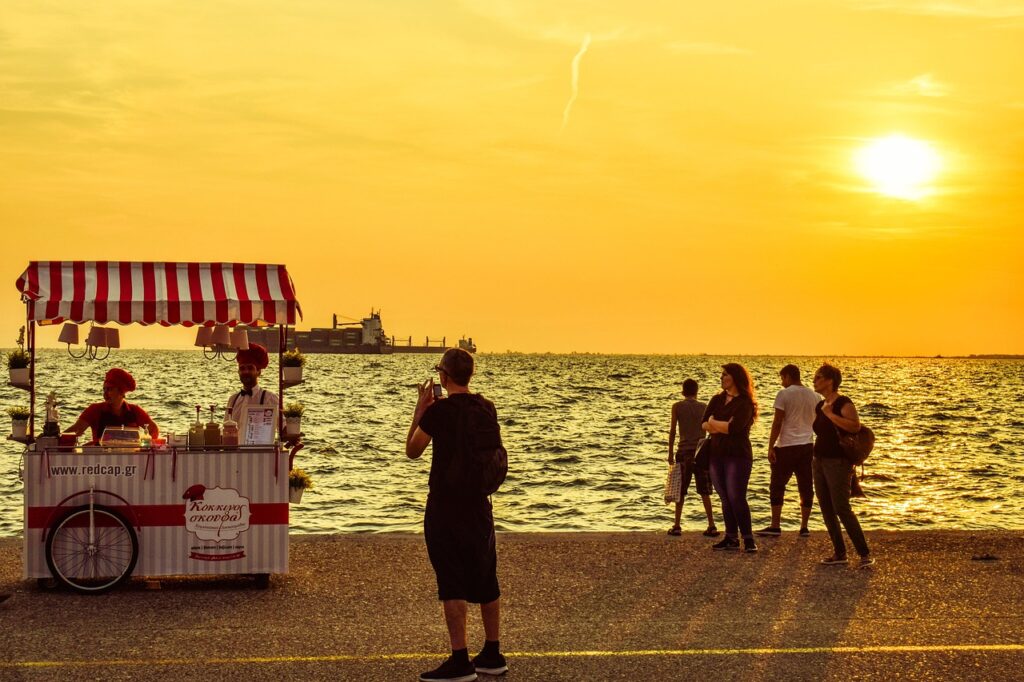
The Riva (Obala Hrvatskog narodnog preporoda) is the iconic seafront promenade where tourists and locals mingle at all hours. Address: Obala Hrvatskog narodnog preporoda, Split. At dusk, several stalls and small kiosks along the Riva sell fish sandwiches (grilled fish fillets, fried calamari or small whole fish in bread) as well as Dalmatian takes on pljeskavica (grilled meat patty) served in a bun. It’s the perfect option for eating while strolling by the harbor.
Hours: most vendors along the Riva operate through the day into late evening, roughly 10:00–23:00, and some stay open even later in summer. Prices: fish sandwiches range from €4.00 to €8.50 depending on the type (calamari, whole fish or fillet), pljeskavica in bread costs around €3.00–€6.00. Portions vary but are usually enough for a full meal.
Sensory description: imagine a crusty slice of bread piled with grilled fish, drizzled with olive oil, sprinkled with fresh parsley and topped with lemon slices — simple and perfect after a sunny day. Vendors often serve these with fresh salad, pickled onions or ajvar (roasted pepper spread) to add a kick. The sound of the waves and the cries of seagulls complete the maritime vibe.
Local tips: for better value, avoid kiosks right next to luxury yachts — choose stalls frequented by locals. If you want adjustments, ask for “bez luka” (without onion) or “s dodatkom limuna” (with extra lemon). For seafood lovers, the calamari sandwich is a safe bet — crunchy and often served in a generous portion.
3) Varoš neighborhood and traditional Dalmatian street food
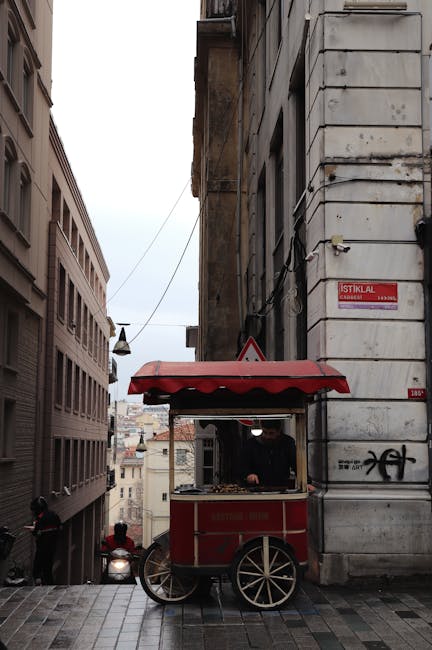
Varoš is one of the old quarters next to the Palace and less touristy than the Riva, but full of small family-run shops. General neighborhood address: Varoš, Split (near Ulica Kraj Sv. Ivana). In these narrow streets you’ll find vendors selling classic takeaway dishes: soparnik (chard-filled pastry from the Poljica region), mici/ćevapi, and roasted portions served with homemade bread.
Hours: many small businesses open around 08:00 and close around 20:00, with some street eateries staying open until 22:00. Prices: a portion of soparnik or burek is about €2.00–€4.00, a plate of ćevapi with bread and ajvar costs €4.50–€7.00. Portions are often cooked to order by families who have run these stalls for years.
Immersive description: walking the cobbled lanes and stone facades you’ll hear meat sizzling on the grill and smell warm bread. Varoš vendors tend to offer homemade twists: a soparnik might be more textured, less oily, and served with local olive oil. Ćevapi, served in toasted pita bread, are usually accompanied by raw onions and ajvar for a sweet-spicy contrast.
Local tips: look for small queues and benches filled with residents — a sure sign of a recommended spot. To save money, order a “mala porcija” (small portion) if you want to try several things. Saying a few words in Croatian (hello = “Dobar dan”, thank you = “Hvala”) often leads to warm exchanges and sometimes extra portions.
4) Bakeries and patisseries around Marmontova — coffee, burek and sweets
Marmontova Ulica is the main pedestrian avenue lined with shops and bakeries. Address: Marmontova ul., Split. Here, patisseries and bakeries sell small portions perfect for breakfast or a cheap snack: cheese burek, fritule (mini donuts) and kremšnita (cream cake). Cafés around Marmontova also offer hot sandwiches and paninis for quick lunches.
Hours: bakeries open early, typically 06:00–20:00, cafés from about 07:00 and often stay open late depending on customers. Prices: a burek or slice of kremšnita costs around €1.50–€3.50, an espresso €1.20–€2.20, and a panini €2.50–€5.00. These artisan pastries are usually made daily and are very reasonably priced compared to the rest of Europe.
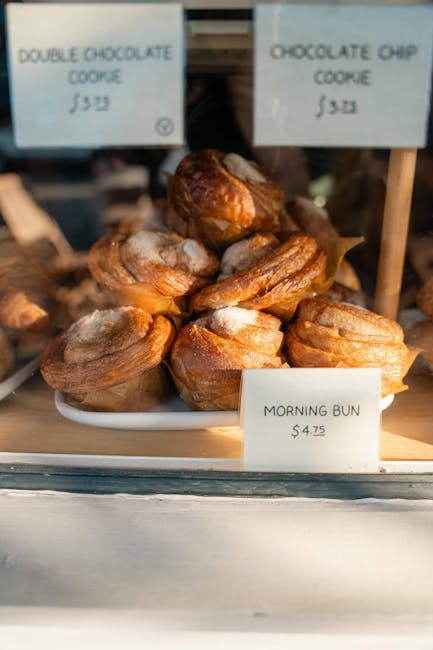
Sensory description: a Marmontova bakery window is full of golden pastries, sugar-dusted donuts and creamy tarts. Grabbing a hot burek with a short coffee is a local ritual enjoyed by students and workers. Fritule — little fried dough balls often flavored with rum and orange zest — are especially popular during festivities and at the end of the year.
Local tips: buy early in the morning to enjoy fresh, still-warm goods. If you want a less greasy option, ask for “bez previše ulja” (without too much oil) on fried items. Most bakeries accept card payments, but having a bit of cash is handy for tiny stalls.
Conclusion — Eat well, local and cheap in Split: final tips
Split is a place where street food mixes simplicity, authenticity and affordable prices. Whether you roam the Pazar for fresh produce, grab a fish sandwich on the Riva, discover Varoš’s specialties or give in to a hot burek on Marmontova, every corner offers a chance to taste Dalmatia without breaking the bank. The addresses and hours in this guide give you a clear roadmap to eat like a local and enjoy excellent value for money.
Some practical pointers to remember: favor stalls busy with residents, arrive early for markets and bakeries, carry a little cash for small orders, and ask vendors for recommendations — many enjoy talking about their recipes and sharing stories about their ingredients. In summer, opening hours can stretch late into the night, while in low season some small stalls close earlier; keep that in mind when planning meals around sightseeing or ferries.
Finally, follow your nose and your curiosity: the best street food often announces itself with an irresistible smell coming from an alley, a queue of locals or a storefront that hasn’t changed in decades. Eating in Split also means experiencing Dalmatian generosity — a smile, a shared portion or a welcome shot of rakija. Enjoy your meals and happy culinary discoveries on Split’s sunny streets!