





Introduction — Why visit Diocletian’s Palace in Split and what to expect
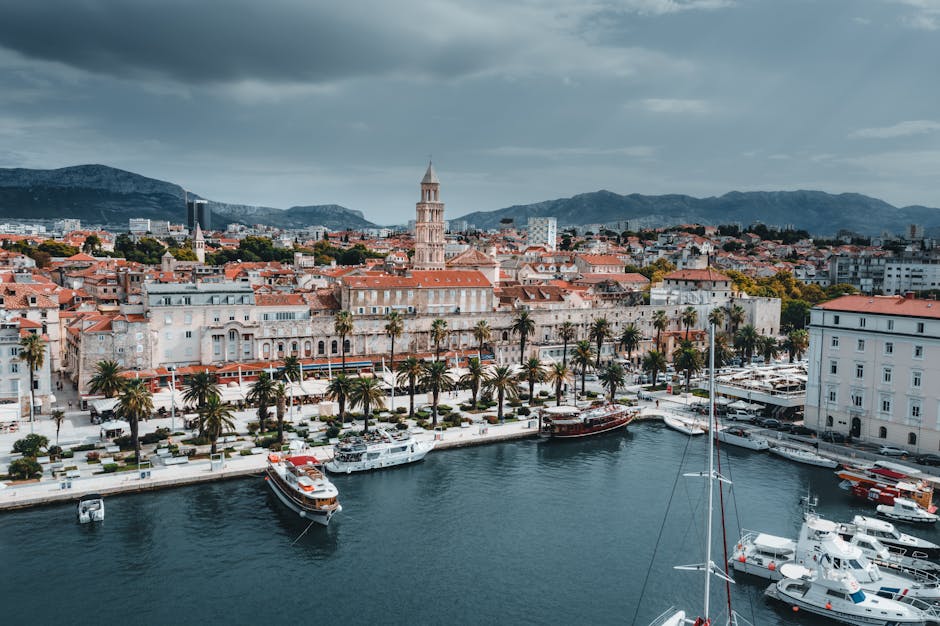
The Diocletian’s Palace (Croatian: Dioklecijanova palača) is one of the most remarkable late antique architectural ensembles still visible today. Located in the heart of Split, Croatia, it is not just an outstanding archaeological site but also a vibrant neighborhood where everyday life has adapted to imperial remnants. A UNESCO World Heritage site since 1979, the palace isn’t an isolated monument: it forms the historic core of the city, a maze of alleys, squares, shops, restaurants and places of worship layered over Roman structures.
Visiting Diocletian’s Palace means mixing history, architecture, religion and contemporary culture. You’ll walk through and around the former imperial apartments, explore the Peristyle, enter the Cathedral of Saint Domnius (Katedrala Svetog Duje), descend into the cellars (the cellars of Diocletian’s Palace) and see how stone worn by centuries of footsteps preserves the memory of the Roman Empire. But it’s also about sitting on a terrace along the Riva, browsing the local market, sipping a coffee on the main square and listening to street musicians at sunset.
This practical guide is written for every kind of visitor: the curious traveler who wants historical context, families planning an accessible visit, people with reduced mobility looking for workable routes, and time-pressed travelers who want to optimize their time. You’ll find clear information here: full addresses, typical opening hours, prices in euros for main attractions and services, visiting tips — including accessibility for wheelchairs and strollers — and local tricks to avoid the crowds and enjoy an authentic experience.
Before diving into the heart of the guide: Diocletian’s Palace covers a large area. Its immediate surroundings include the Riva (Obala Hrvatskog narodnog preporoda), the lively old port quays, plus nearby museums and tourist offices that make visiting easier. The central address used by most maps and guides is Peristil, Diocletian’s Palace, 21000 Split, Croatia — that’s where you’ll find the iconic central court. Keep in mind that many parts of the palace are outdoor public spaces open 24/7, while museums, the cathedral and the cellars have separate ticketing and opening hours.
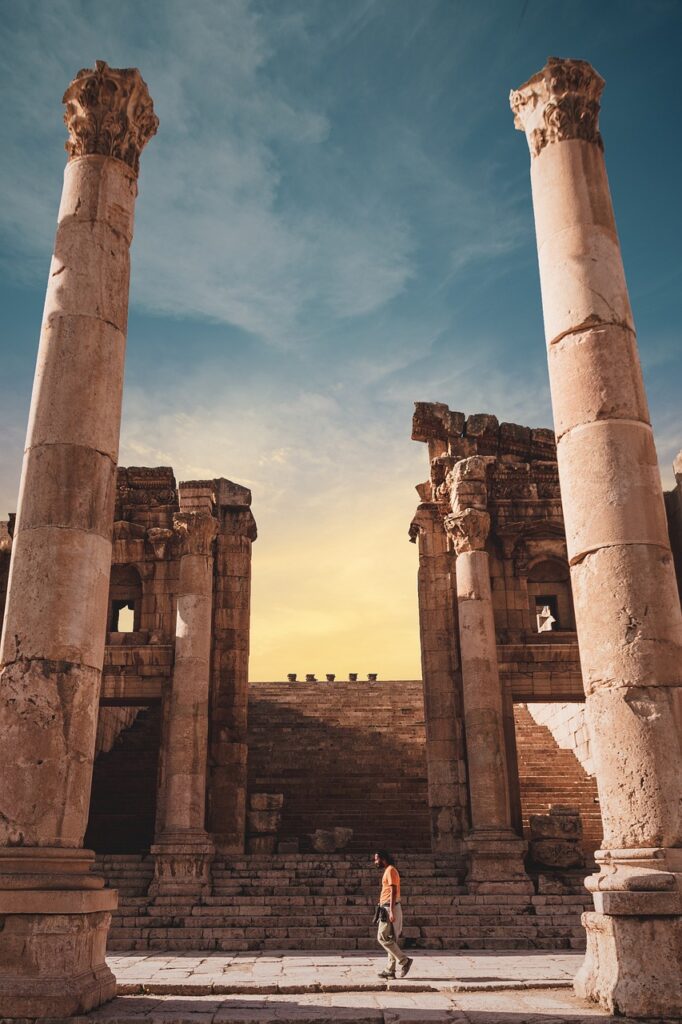
1) Detailed description of the site and main sights to see (architecture and history)
Diocletian’s Palace was built at the end of the 3rd century and the beginning of the 4th century AD by the Roman emperor Diocletian as his retirement residence. This vast fortified complex blends military and residential elements: defensive walls, towers, monumental gates, inner courtyards (peristyles), temples converted into churches, and extensive vaulted cellars. A full visit includes several sub-areas to discover:
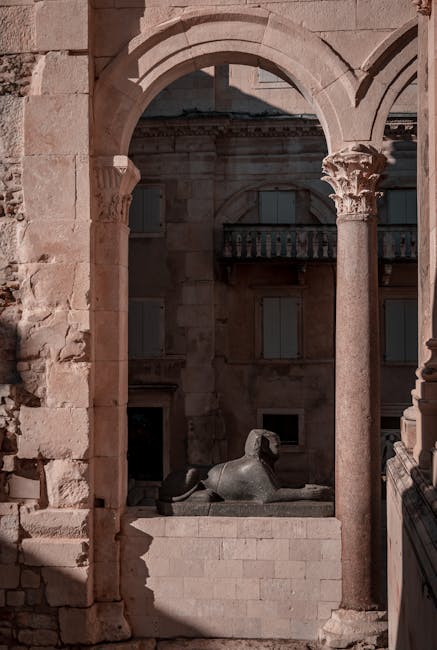
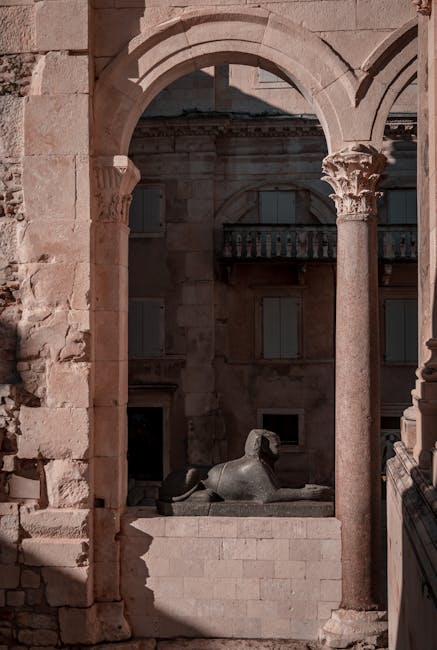
- Peristyle (Peristil) — Address: Peristil, Diocletian’s Palace, 21000 Split, Croatia. The ceremonial heart of the palace, the Peristyle is a paved court surrounded by Ionic and Corinthian columns. It was the setting for official ceremonies. Today it’s used as a stage for small concerts, historical reenactments and cultural events.
- Vestibule (Vestibul) — The entry vestibule once led to the imperial apartments. The dome and arches are impressive; you can really feel the scale of Roman architecture here.
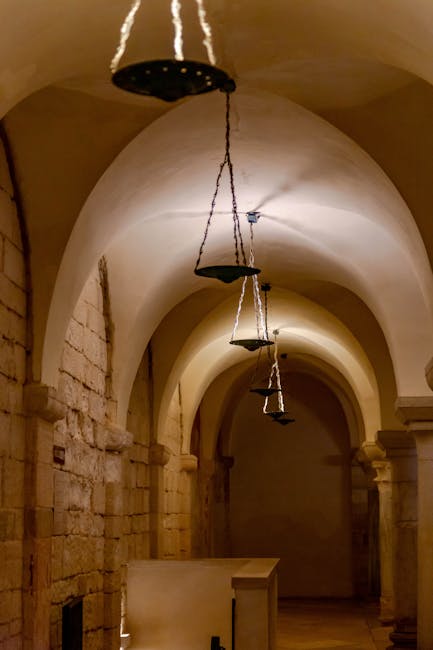
- Palace cellars (Diocletian’s Palace cellars) — Main access address: northwestern corner of Peristil area. These vaulted basements, covering a large footprint, served as foundations and storage. Today they give a clear view of the original structure and occasionally host temporary exhibitions. Admission ticket required — see the ticketing section.
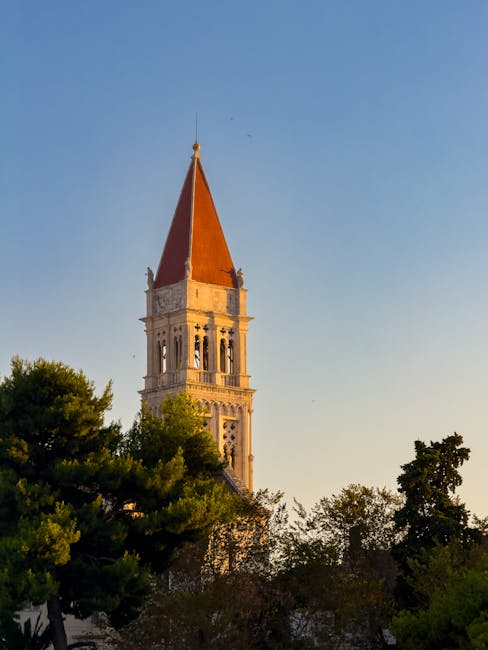
- Cathedral of Saint Domnius (Katedrala Svetog Duje) — Address: Ćirilometodska ul. 2, 21000 Split, Croatia. Converted from Diocletian’s mausoleum, this building is an example of continuous use: an imperial monument turned into a Christian spiritual center. The crypt, choir and especially the bell tower (campanile) offer great panorama views of Split.
- Golden Gate (Porta Aurea) and the other gates — The palace originally had four cardinal gates; the Golden Gate (south), the Silver Gate (west), the Iron Gate (east), and the Bronze Gate (north) remain essential orientation landmarks.
Each zone shows the interplay between antiquity and modern life: you can drink an espresso beside a Roman column, find private apartments converted into craft shops, or attend a mass in a two-thousand-year-old crypt. The materials — polished marble, limestone blocks, brickwork — tell the story of successive restorations and the ravages of time. While you walk, look out for stone inscriptions, carved capitals and old wooden doors that reflect periods ranging from the 4th to the 19th century.
2) Practical information: addresses, opening hours, tickets and prices in euros
Visiting Diocletian’s Palace requires some practical planning to make the most of the site. Here are the key addresses and details:
- Central address: Peristil, Diocletian’s Palace, 21000 Split, Croatia — This central court is the main landmark.
- Split Tourist Board – Turist Informativni Centar: Trg Braće Radić 1, 21000 Split, Croatia. Opening hours: generally 08:00–20:00 in high season (June–September), 09:00–17:00 off season. Phone: +385 21 343 444 (check online before you go).
- Archaeological Museum in Split (Arheološki muzej Split): Address: Kralja Zvonimira 9, 21000 Split, Croatia. Hours: 09:00–19:00 (high season), 10:00–17:00 (low season). Indicative price: €6–€8 for an adult ticket. Discounts for students and seniors.
- Cathedral of Saint Domnius (Katedrala Svetog Duje): Address: Ćirilometodska ul. 2, 21000 Split, Croatia. Hours: church generally open 09:00–19:00, the bell tower often open 09:00–17:00; note that times vary with religious services. Bell tower access fee: €5–€7. Entrance to the cathedral is usually free; a donation is recommended.
- Diocletian’s Palace Cellars (often managed by the Split City Museum): Separate paid entry. Access points: entrances from Peristil or Narodni trg. Hours: generally 09:00–18:00. Indicative price: €7–€10 for adults, reduced rates for youth and seniors.
- Split City Museum (Gradski muzej Split): Address: Ulica Papalićeva 1, 21000 Split, Croatia. Hours: 10:00–18:00 (variable). Indicative price: €4–€6.
Combined tickets: several tourist offices and museums offer combined tickets that include access to the cellars, the bell tower and the archaeological museum. Combined high season rates can hover around €12–€20 per person. Recommendation: buy tickets in advance online (official sites or the tourist information point) during summer to avoid queues. For guided tours, expect roughly €10–€25 per person for a 90-minute tour led by a certified local guide (group tours, themed tours, or private visits cost more).
Payment and currency: Croatia now uses the euro (€). Small shops and cafés accept card payments (Visa, Mastercard) but carry some cash for small purchases, tips and local tickets. Note that exterior archaeological zones generally do not close, but indoor buildings and museums follow specific opening hours.
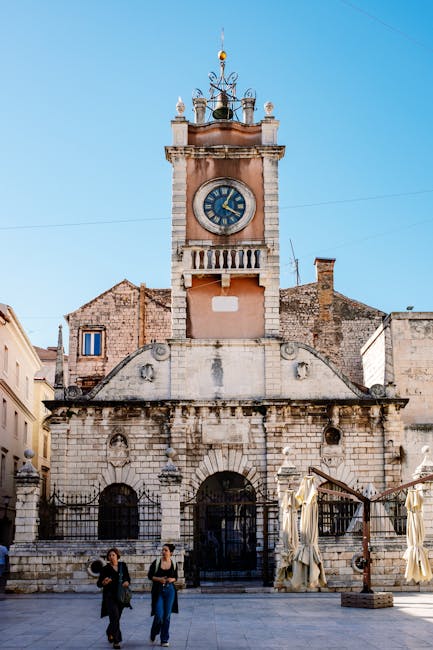
3) Accessibility and routes for visitors with reduced mobility
Diocletian’s Palace is an ancient historic site; it mixes paved streets, stone steps, narrow passages and multi-level buildings. Despite that, efforts have been made to improve accessibility. Here’s a detailed guide to prepare an accessible visit:
- General access: Major entrances to the palace (notably the Bronze Gate and the Silver Gate) offer ground-level access to some areas without steep steps. The main streets in the historic center are paved with cobblestones and can be uneven; sturdy wheels for wheelchairs are recommended and watch out when it rains (slippery cobbles).
- Cellars: The underground vaults are a highlight but can pose accessibility challenges. Some sections have ramps and elevators depending on the configuration, but many spaces are still only reachable by stairs. Contact the Split Tourist Board – Turist Informativni Centar (Trg Braće Radić 1) to find out which routes are accessible on the day of your visit.
- Cathedral of Saint Domnius and bell tower: The cathedral’s main entrance is generally accessible, but the bell tower is not fully accessible — the ascent is via a narrow staircase, making it unsuitable for wheelchairs. The main crypt is often at a lower level but can be accessed via ramps in some setups; check in advance.
- Toilets and facilities: A few accessible toilets are located along the Riva and in public centers near the palace. The tourist information center provides details about accessible sanitary facilities.
- Transport to the palace: Main arrival points — Split Bus Station (Autobusni Kolodvor Split), Avenija Marin Držić 4, 21000 Split; Split Ferry Port (Trajektna luka Split), Obala kneza Domagoja 2, 21000 Split; Split Train Station (Željeznička stanica Split), Avenija Stjepana Radića 1, 21000 Split — have platforms and areas close to the Riva. Accessible taxis or adapted transport services can be booked in advance through local companies.
Practical tips for visitors with reduced mobility:
- Choose off-peak times (early morning or late afternoon) to reduce crowd density.
- Wear shoes with good grip and avoid heels; cobbles and steps are everywhere.
- Contact the tourist information point before arrival to get a map of accessible routes and to reserve assistance or specialized guides if needed.
- If you use an electric wheelchair, check battery range and wheel size: some alleys require precise maneuvering.
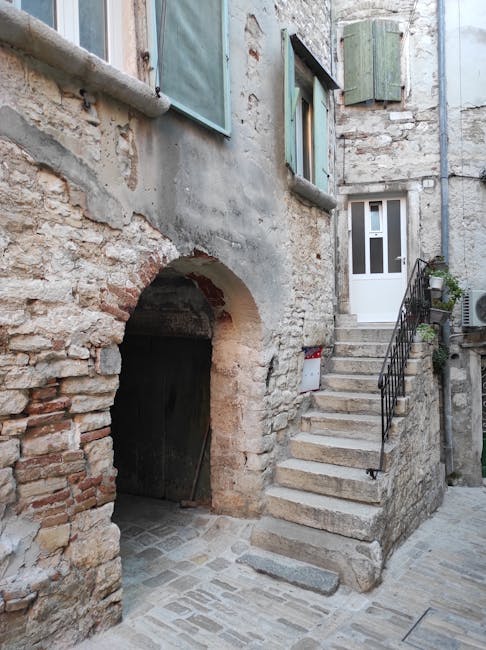
4) Local tips, recommended routes and best practices for an optimal visit
To get the most out of your visit to Diocletian’s Palace, it helps to adopt a few local habits and plan your day. Here are recommended routes and practical tips:
Suggested morning itinerary:
- Start early, ideally between 08:00 and 09:00 to avoid crowds and summer heat. Access point: Peristil, Diocletian’s Palace, 21000 Split.
- First visit the Peristyle and the Vestibule to soak up the palace atmosphere before tour groups arrive.
- Then descend into the Palace cellars (if accessible) — recommended time: 45 minutes to 1 hour.
- Head to the Cathedral of Saint Domnius to tour the cathedral; if the bell tower is open, climb up for panoramic views (allow an extra 20–30 minutes).
Suggested afternoon and evening itinerary:
- Stroll along the Riva (Obala Hrvatskog narodnog preporoda) — address: Obala Hrvatskog narodnog preporoda, 21000 Split — for a late lunch. Seafront restaurants range from simple cafés to fine dining. Expect €10–€30 per person depending on the restaurant.
- Explore narrow lanes such as Ulica Varoš and Papalićeva to discover local crafts, galleries and the fish market.
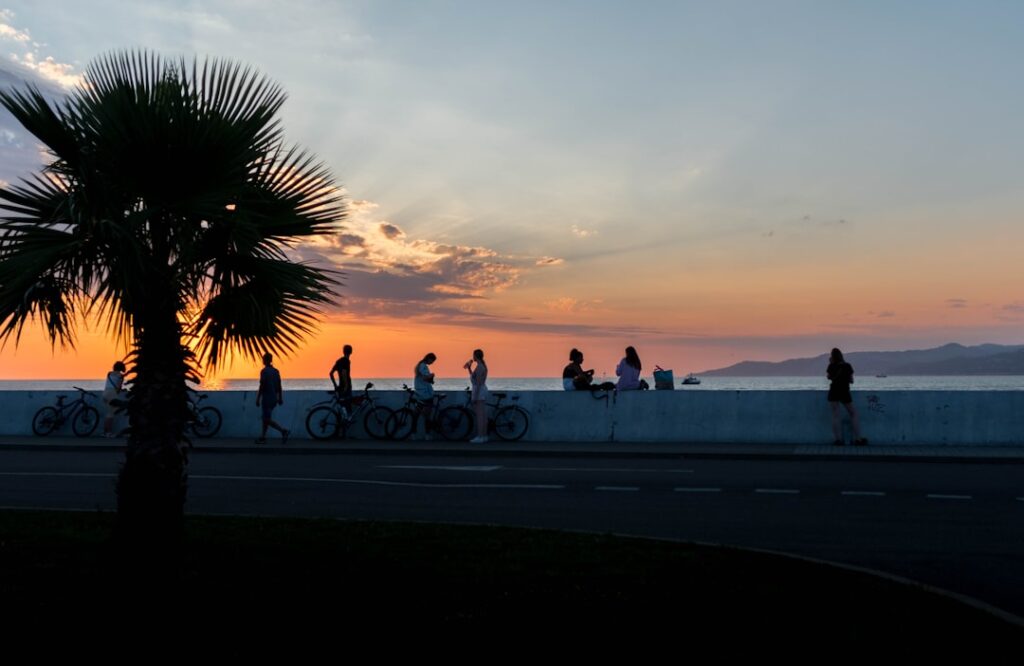
- In the evening, the Peristyle and the Riva take on a different vibe: live music, soft lighting and a pleasant atmosphere for a stroll.
Local tips and best practices:
- Stay hydrated and bring water: Split can get very hot in summer. Public fountains and cafés are plentiful but sometimes tucked away in narrow streets.
- Respect places of worship: the Cathedral of Saint Domnius is still active; dress modestly and avoid photography during services.
- Bargaining and shopping: the palace hosts many craft shops. Prices are generally fixed, but slight bargaining may be possible at outdoor market stalls.
- Safety: Split is generally safe; however, watch your belongings in busy tourist spots (Peristyle, Riva) and avoid open bags at night.
- Photography: most outdoor areas are free to photograph. Inside museums or temporary exhibitions, check signage; some places may charge a small extra fee for photography without flash.
Conclusion — Make the most of Diocletian’s Palace: summary and final recommendations
Diocletian’s Palace in Split is both a historic and living place: a site where Antiquity meets contemporary life. For a successful visit, combine preparation with curiosity. Plan your tickets according to opening hours (museums and the bell tower have different schedules), favor early morning visits to avoid crowds and heat, and check accessibility in advance if you have specific needs. The Peristyle, the cellars and the Cathedral of Saint Domnius make up the essential trio, but don’t overlook the surrounding alleys, the Riva and nearby museums which enrich your understanding of the place.
On accessibility: although the site is ancient and contains challenging areas, many options exist to make a visit feasible: adapted routes, information offices (Trg Braće Radić 1) ready to advise, and a strong presence of tourist services. For visitors with reduced mobility, planning and communicating in advance with local offices often makes all the difference. Families will appreciate short breaks in nearby cafés and the chance to turn the visit into a varied day of history and food.
Finally, adopt the mindset of a respectful traveler: preserve the ruins, follow signage, and give the site time to tell its stories — those of Diocletian, the transition from Empire to Christianity, and the generations that lived and shaped Split around these stones. The palace is a living testimony, and your visit, like those of thousands of others each year, becomes another page in its millennia-old story.
Have a great trip and enjoy your visit to Diocletian’s Palace — may your footsteps on these paving stones bring you closer to Roman Europe and contemporary Split.