





Introduction
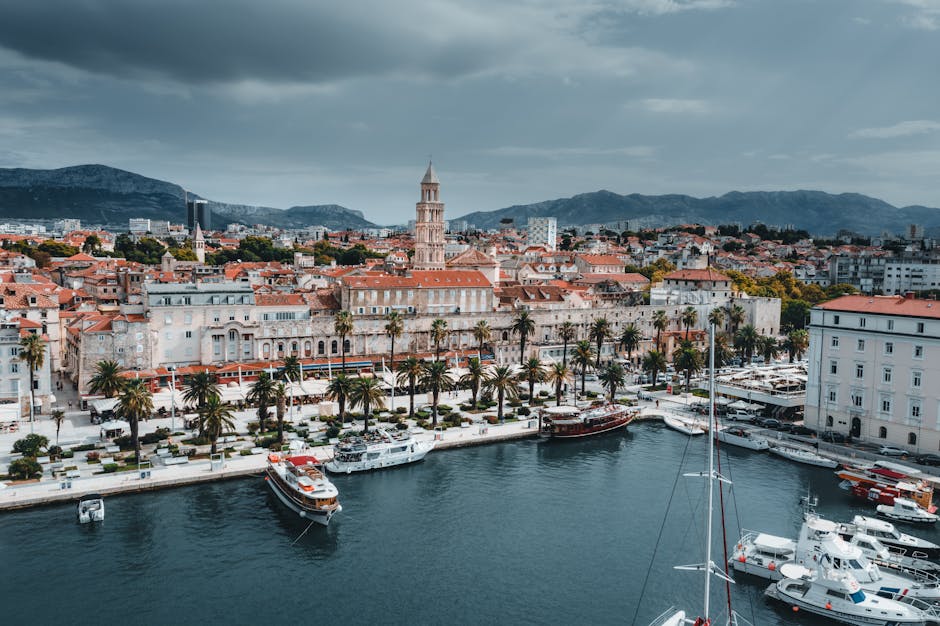
Split draws a mix of crowds: curious tourists, backpackers, families and food lovers. But for the broke traveler or passing student, the challenge isn’t only visiting Diocletian’s Palace or hiking Marjan Hill — it’s eating well, locally and cheaply without losing the experience. This guide, aimed at “budget foodies,” maps out practical, detailed spots for cheap eats, markets to shop at, must-try street snacks and local tips to cut your food bill in Split — all while enjoying Dalmatian flavors.
Split blends heavy tourism with a real local life. Steps from Roman ruins you can share a plate of peka, grab a still-warm burek or a fish sandwich (riba u lepinji) for next to nothing. Locals still shop at the Pazar (Green Market) and the fish stalls to cook at home or picnic by the harbor. Follow these habits and you’ll not only find friendlier prices but also ingredients fresher and often better than what touristy restaurants offer.
This guide is built to be used right away: every place listed includes exact location, typical opening hours, visual cues and price ranges in euros (€). I also give sensory descriptions to help you pick — sweet, savory, crunchy or comforting — plus practical tips (best times, portions to share, whether to haggle). Whether you’ve got around €10 a day for food or want to minimize spending while treating yourself, you’ll find options for breakfast, lunch, dinner and snacks.
Finally, logistics aren’t forgotten: where to buy for cooking in an apartment, what portions to favor to avoid waste, how to read menus in Croatian and which time of day yields the best deals. By the end you’ll have not just a list of spots but local habits to eat smart in Split without going hungry.
Where to eat cheap in the Old Town (Diocletian’s Palace & surroundings)
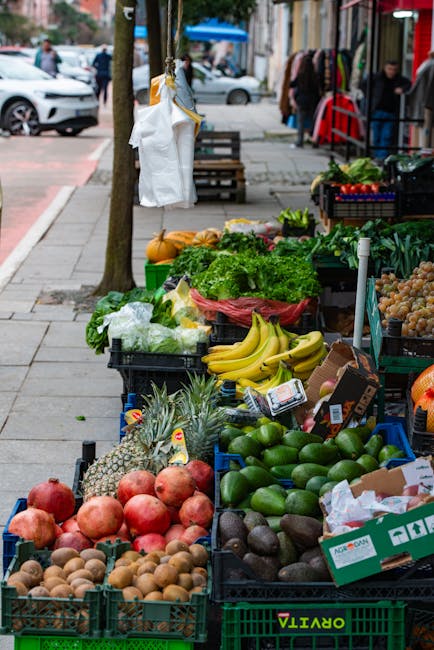
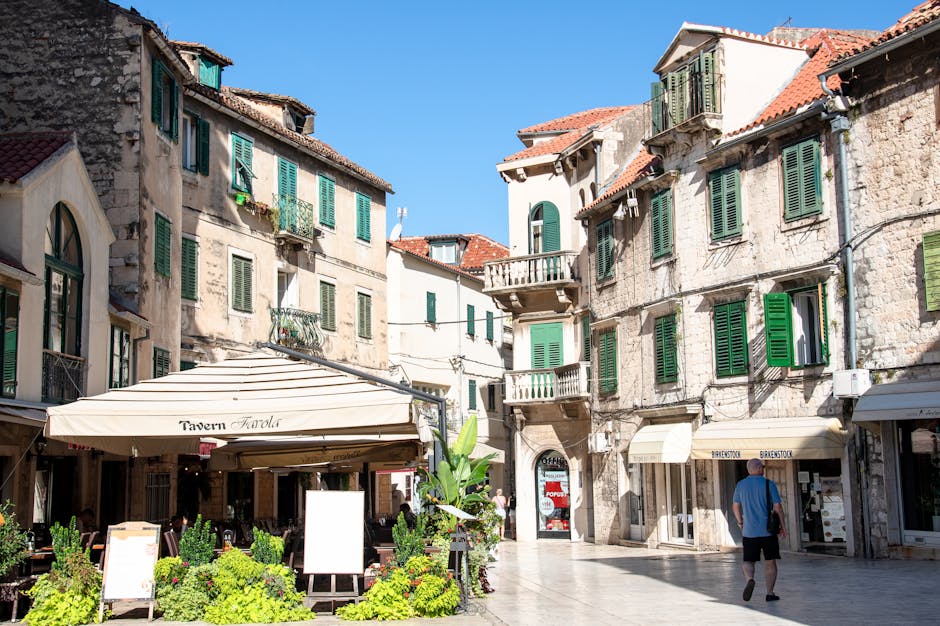
The tourist heart of Split is full of tourist-trap eateries, but there are affordable, authentic spots if you know where to look. The rule is simple: skip the terraces facing the monuments, favor small side lanes and look for places mostly packed with locals. Here are several tried-and-true recommendations with precise addresses, hours and average prices.
- Konoba Fife – Sinjska ul. 2, 21000 Split, Croatia. Hours: daily 09:00–23:00 (continuous service). Price: mains €5–€10 (ćevapi €5–6, Dalmatian plate €8–10). Description: a local institution, simple and unpretentious. Family-style dishes, generous portions and a friendly vibe. Perfect for a hearty dinner without breaking the bank. Local tip: arrive early (before 20:00) to avoid queues.
- Kantun Paulina – Ulica Republike 10 (near the Palace vestibule), 21000 Split. Hours: 08:00–23:00, sometimes closed Sunday evenings. Price: ćevapi or pljeskavica sandwiches €3–5, small snacks €1–3. Description: a tiny, well-known spot for grilled meat sandwiches with house bread and sauces. Great for a quick meal between visits. Tip: order it « with ajvar » for an authentic flavor.
- Brasserie & Bakery Mlinar (local bakery) – Marmontova ul. 4, 21000 Split. Hours: 06:00–21:00. Price: pastries €0.80–€1.50, sandwiches €2–4. Description: a local bakery chain, reliable and cheap; ideal for breakfast or a snack. Hack: grab a cheese burek for about €1.50 and a Turkish-style coffee for €1–1.50.
- Shared peka portions – small places – often made on request; check the little konobas in the lanes. Price: shared portions €6–12 per person depending on the meat. Description: while a full traditional peka might be pricier in tourist restaurants, some local konobas offer reasonable portions if you share.
Practical tips: to save money, order sharing plates (Dalmatian plate), look for daily specials (danas menu) often written on a board outside and ask for tap water (cisterna/ tap water) — it’s free in most restaurants. Prices listed are averages seen in low season; expect a 10–20% increase in high season (July–August).
Markets, groceries and ingredients to cook yourself
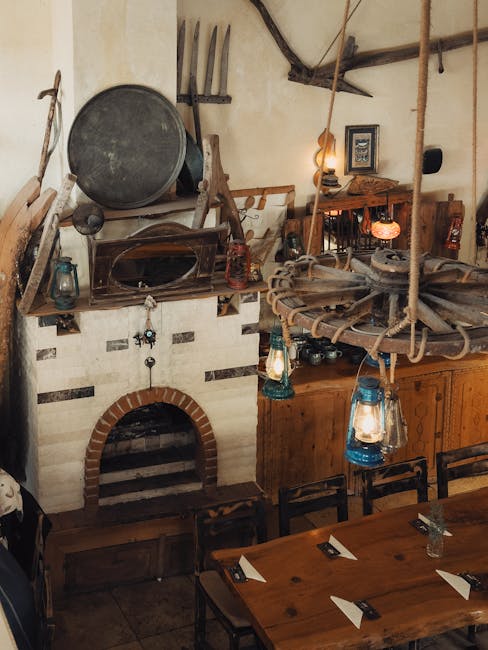
If you’re staying in an apartment or hostel with a kitchen, shopping for groceries is the best way to save while discovering local produce. In Split, two markets and several small grocers offer a full range of fruits, vegetables, cheeses, meats and Mediterranean staples at very reasonable prices.
- Pazar (Green Market) – Trg Braće Radić, 21000 Split. Hours: usually 06:00–14:00 (some stalls close earlier). Price: fresh tomatoes €0.80–€1.50/kg depending on season, loose olives €5–8/kg, large bread (kruh) €0.80–€1.50. Description: the historic market at the foot of Diocletian’s Palace, ideal for super-fresh produce. Tip: go between 11:00 and 13:00 to find reductions on unsold goods.
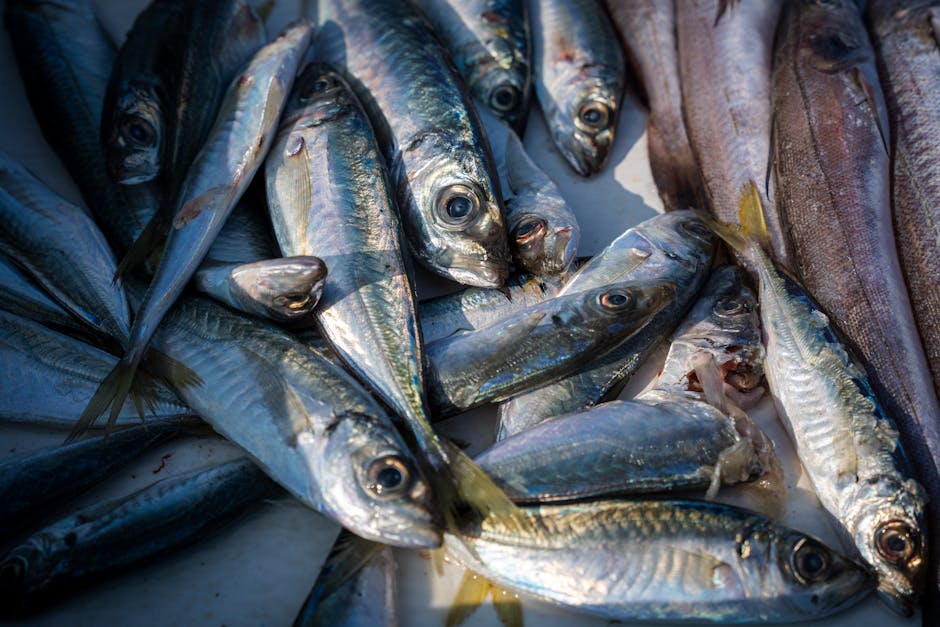
- Split Fish Market (Ribarnica) – Riva/harbor area, address markers near Brsalje 1, 21000 Split. Hours: 06:00–12:00 (best early morning). Price: small whole fish (sardines) €3–6/kg, sea bream €8–15/kg depending on size. Description: freshly landed fish, and you can ask the seller to clean it for cooking. Tip: buy grill-friendly fish (sardines, mackerel) for little money; cook on your place’s plancha or oven.
- Lidl / Konzum (supermarkets) – several locations in town (Konzum – Pujanke ul. 6; Lidl – Zagrebačka cesta area). Hours: 07:00–21:00. Price: pasta €0.60–€1.20, rice €1–2, cheese €2–4 depending on brand. Description: for basics, supermarkets offer savings and deals. Hack: look for « akcija » promotions for discounts.
- Cheese & olive oil shops – small boutiques around Marmontova and the old harbour. Price: local olive oil €6–12/litre for a decent basic bottle; local cheeses €8–15/kg depending on aging. Description: great for edible souvenirs or to dress up a picnic.
Cooking-on-a-budget tips: favor pasta, rice, vegetables and cheap proteins (eggs, sardines, chicken on promotion). Buy small quantities to avoid waste and use local herbs (fennel, oregano, arugula) from the market to boost simple dishes. If you’re in a group, make a big pot (stew, improvised Dalmatian paella): cost per person often < €3–4.
Street food and must-try snacks (small budgets, big flavors)
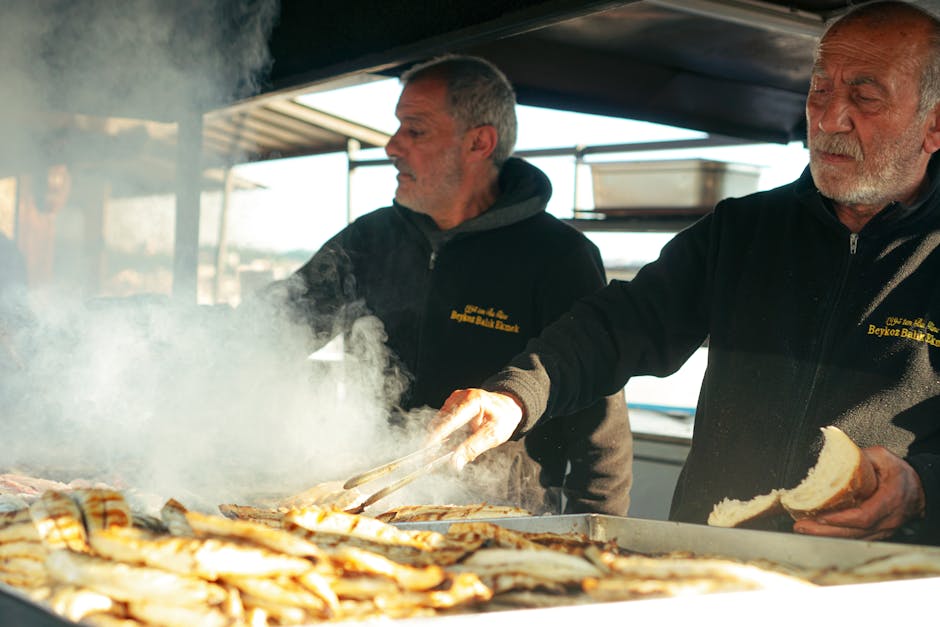
Street food in Split is a godsend for budget travelers: fast, tasty and very affordable. Street specialties include burek, the fish sandwich (riba u lepinji), ćevapi and a variety of savory pastries. Here’s what and where to try.
- Burek (flaky pie) – many small bakeries around the train station and student neighborhoods (for example, Pekara Pinner). Approx areas: Train Station area – Vukovarska ul. and side streets. Hours: 05:00–13:00 for the best pieces. Price: cheese or meat burek €1–2. Description: crispy pastry, often sold to go; very filling for little money.
- Riba u lepinji (fish sandwich) – stalls and small stands along the Riva and near the harbor (look for « Fish Burger » vendors). Hours: 10:00–20:00. Price: €3–6 depending on the stall and type of fish. Description: a fried fish fillet in local bread with onion, salad and sauce. Tip: buy it at the harbor stall in the late afternoon for sometimes reduced prices.
- Ćevapi and pljeskavica – kantuns and small kiosks (e.g., the aforementioned Kantun Paulina). Price: portion €3–6. Description: grilled meat rolls or patties, usually served with pita, raw onion and ajvar. Very filling and economical.
- Sweets & gelato – artisanal gelato along the Riva or in adjacent streets. Price: scoop €1–1.50, cup €2–3. Description: perfect for a cheap sweet break; choose artisan gelaterias over big chains.
Tips: eat on the go and move a little away from the Riva to avoid tourist markups; ask for « small » portions if you’re alone or share two snacks to try more. On your way back, keep a loaf, cheese and olives from the market: you’ll have an economical, delicious dinner for under €5.
Cafés, budget breakfasts and low-cost brunches
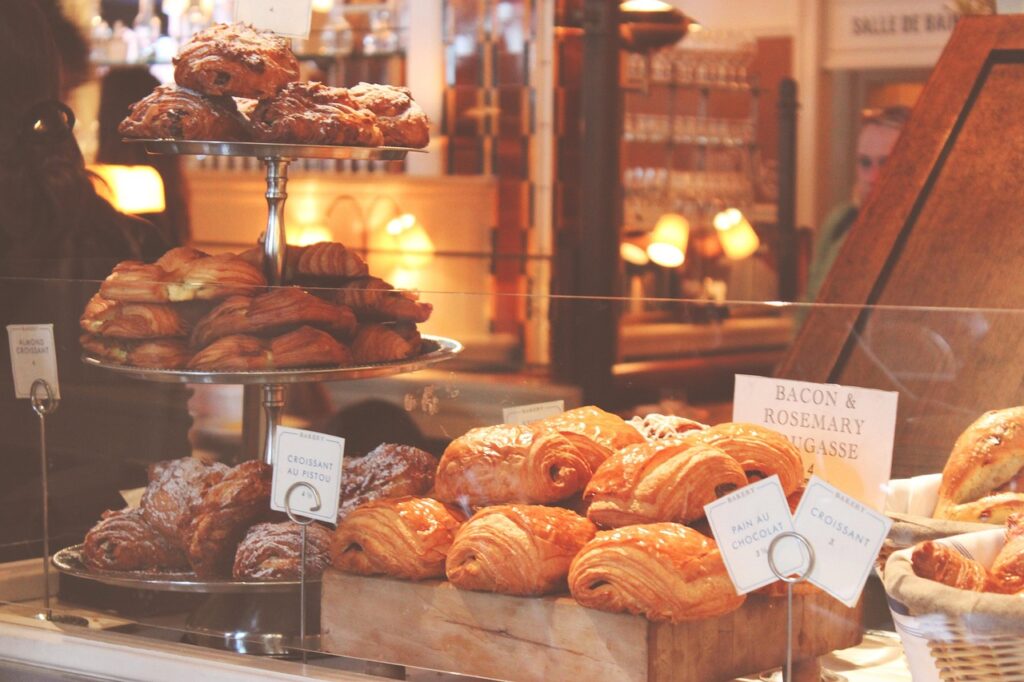
Breakfast can be the most flexible expense of your trip: choose wisely and you’ll save a lot without losing energy for a day of sightseeing. Split has cheap coffee options, traditional bakeries and small cafés where you can get a kava and a pastry for €2–4.
- Local bakery breakfast – Marmontova ul. and shopping streets. Hours: from 06:00–13:00. Price: filter coffee €1–€1.50, burek or croissant €0.80–€1.50. Description: ideal for early risers; grab and go. Tip: « kava s mlijekom » (coffee with milk) is often cheaper than an espresso.
- Marvlvs Library Jazz Bar (for a cultural coffee) – Dioklecijanova ul. 12, 21000 Split. Hours: 09:00–01:00 (varies by season). Price: coffee €1.50–€2.50, small sandwich €2–4. Description: a stylish café-bar in the heart of the Palace, sometimes offering weekday breakfast deals. Tip: mornings are cheaper than afternoons.
- Neighborhood cafés (nomad spots) – Praia and Varos districts. Price: full breakfast (coffee + toast + egg) €4–6. Description: choose a local neighborhood café frequented by residents; the vibe is more authentic and prices are often friendlier.
Practical tip: if your place has a kitchenette, buy eggs, bread, tomato and coffee at the market for a full breakfast under €3 per person. Cafés often offer « kava to go » for around €1 if you pick a simple espresso — perfect to keep you going until a late brunch.
Practical tips, sample budgets and local hacks
To finish, here are concrete tips and budget estimates to help plan your tasty, low-cost stay in Split. These suggestions come from local habits and common observations on the ground.
- Typical daily budget (broke traveler): breakfast €1–3, street-food lunch €3–6, snack/coffee €1–2, dinner €5–10. Indicative total: €10–21/day. Hack: if you cook one meal yourself (pasta + sauce + veg), you can drop to €7–10/day.
- When to go to the market: early morning (06:00–09:00) for fish and the best picks; late morning (11:00–13:00) to negotiate unsold items. Some vendors are more willing to lower prices late in the market.
- Strong>Boire l’eau du robinet ? : generally drinkable in Split; check with your host. Asking for tap water at a restaurant is common and usually free — say « Voda, molim » (water, please).
- Local mealtime hours: Dalmatians often dine late (19:30–21:30). If you want lower prices and faster service, eat earlier (18:00–19:00).
- Avoid tourist traps: menus without prices (menu na upit) and terraces on the Riva are often pricier. Look for signs saying « dnevni meni » (daily menu) for an economical option.
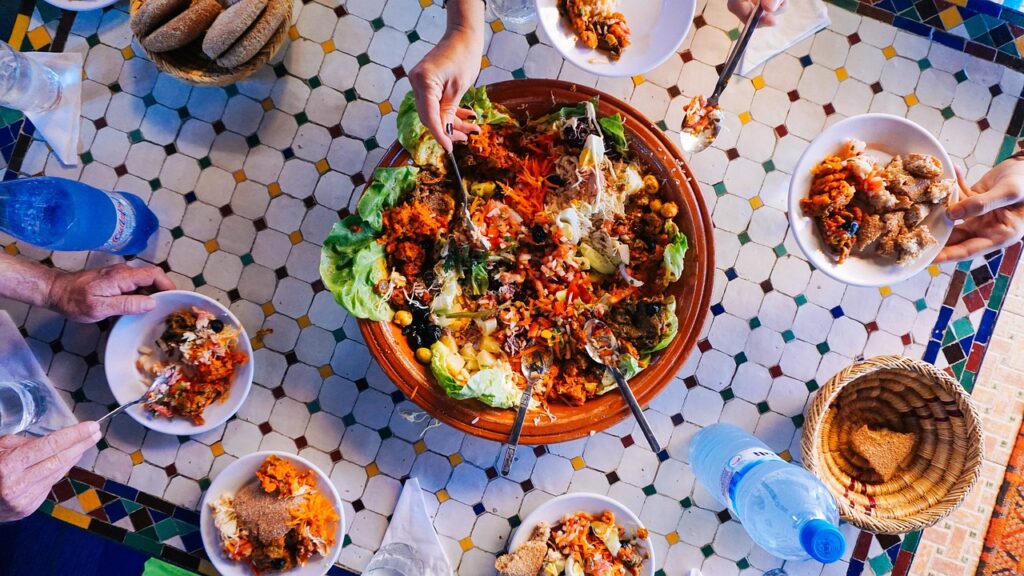
- Sharing and portions: many Dalmatian dishes are generous — share to taste more. Ask for separate plates if needed; sometimes it’s free, sometimes around €0.50.
- Useful apps: use Google Maps to check current hours, and apps like Glovo or Wolt for deliveries if you want to compare prices (delivery fees usually €1.5–3).
By following these tips you’ll eat like a local in Split without blowing your budget: fresh market produce, street snacks, affordable konobas and shared home-cooked meals will give you a full, flavorful experience. Don’t forget to leave a little for a gelato or a coffee on a terrace — sometimes those simple treats make the best memories.
Conclusion
Split is a city where cultural discovery and culinary pleasure can go hand in hand without spending a fortune. By choosing between markets, bakeries, neighborhood restaurants and street vendors you can assemble varied, complete meals for €10–20 a day — sometimes less if you cook yourself. Recommended spots like Konoba Fife (Sinjska ul. 2) or the Pazar (Trg Braće Radić) are reliable starting points to taste local food without overspending.
Beyond specific addresses, the key to eating smart in Split is watching local habits: buy in the morning at the market, favor konobas popular with residents, share portions and be willing to step a little away from ultra-touristy areas. These simple moves will not only lower your bill but also bring more authentic encounters with the city and its people.
Finally, remember seasons greatly affect prices and availability: high season (July–August) brings price increases, while spring and autumn often offer the best value. Whether you’re a student on a shoestring or a cautious traveler, Split has a range of accessible, memorable foodie options — you just need to know where to look. Enjoy your meal and happy discoveries!