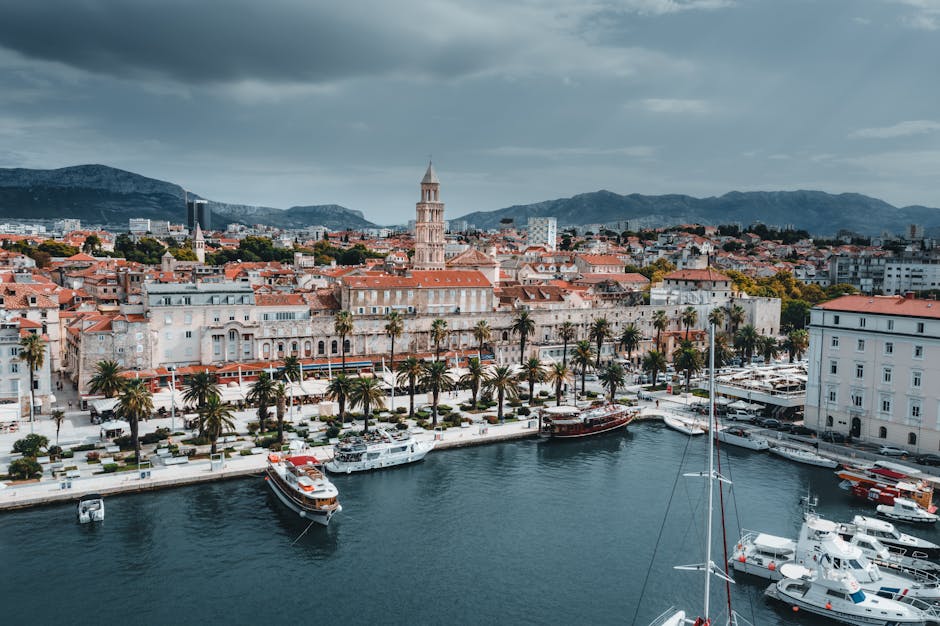






Introduction — Split for families and accessible travelers: welcoming everyone
Split, Croatia’s second city, is a vibrant Mediterranean destination where ancient Roman stone sits alongside inviting beaches and shady green spaces. Nestled on the Dalmatian coast, Split draws families with its safe, walkable lanes, seaside cafés and easy boat links to nearby islands (Brač, Hvar, Šolta). For travelers with reduced mobility, the city is steadily improving accessibility — ramps, lifts, adapted transport and equipped hotels — but a smooth visit still needs a bit of planning: pick the most practical routes, schedule activities at a gentler pace, and target places that offer accessible facilities (adapted toilets, designated parking, firm pathways).
This detailed guide, written with families and accessible travel in mind, lays out concrete routes, address by address, with accessibility notes, approximate prices in euros and typical opening hours. The goal is to help you make the most of Split — from the magic of Diocletian’s Palace to beach afternoons and park strolls — without unpleasant surprises. We cover central areas and nearby excursions, and highlight the best mobility options: wheelchair-friendly taxis, the flat Riva promenade, low-floor buses and equipped ferry piers.
Families will find tips to keep kids entertained (playgrounds, sandy beaches, hands-on activities), while travelers with limited mobility get practical door-to-door information (exact addresses, opening times, rough costs in euros, useful contacts). We also explain how to avoid the roughest cobbled alleys of the old town and which routes minimize steep climbs around Marjan Hill.
Finally, you’ll get local tips — best time slots to visit to dodge crowds and heat, restaurants with level access, wheelchair and mobility scooter rental services, and tricks for managing ferry trips to the islands. The text includes visual reference images 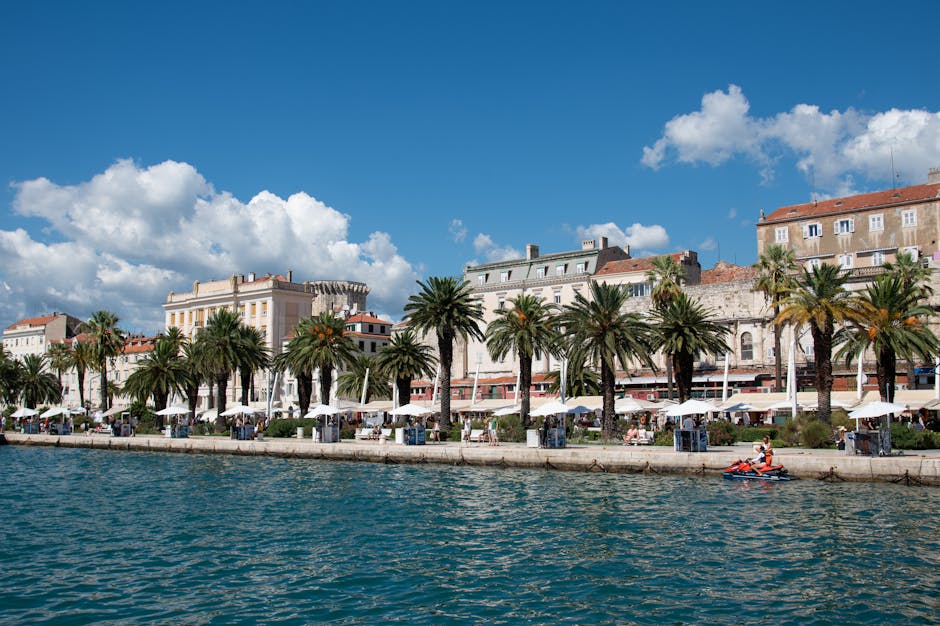 to help you spot the key places online and give a concrete feel for spots to prioritize during your stay.
1) Accessible city route: Old Town, the Riva and Diocletian’s Palace
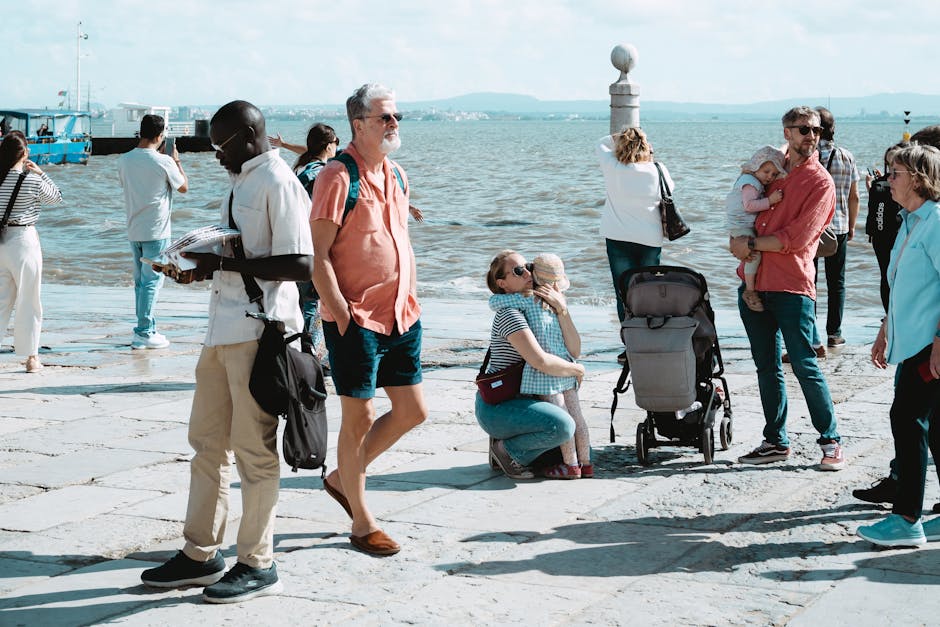
Start your exploration in the city heart at the Riva promenade (Obala Hrvatskog narodnog preporoda, 21000 Split). The Riva is a flat, seaside promenade that’s well paved and heavily used — ideal for strollers and wheelchairs. Hours: the promenade is open 24/7 (cafés and shops along the Riva usually operate roughly 08:00–23:00). Family tip: stop for an afternoon snack at a café terrace where there’s space for kids to stretch their legs.
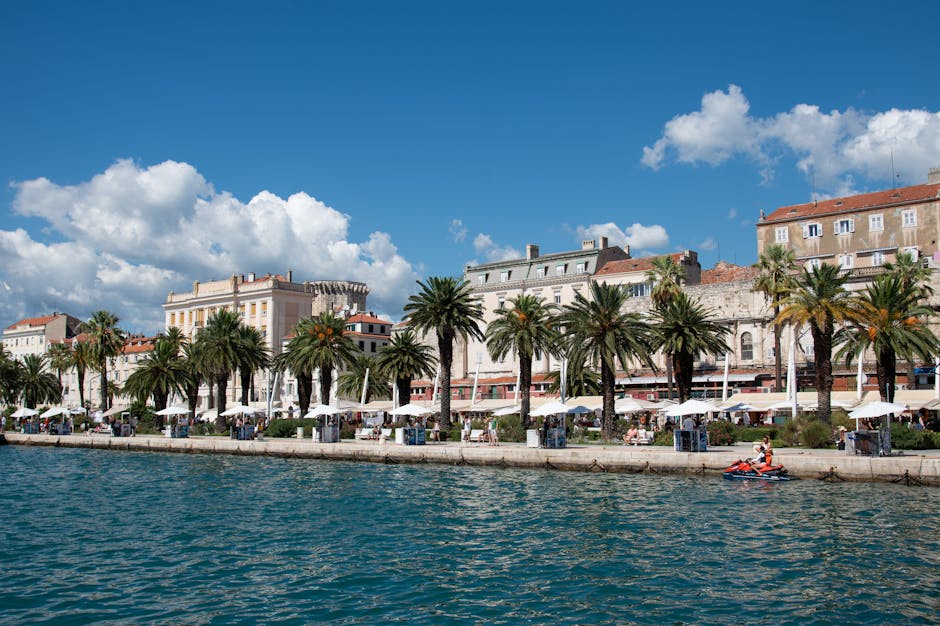
From the Riva, the main entrance into Diocletian’s Palace is via the Peristyle (Peristil, Dioklecijanova palača, 21000 Split). The Roman palace is a semi-open site: most of it is free to access and manageable, but some historic sections (narrow vaults or steps) can be challenging for wheelchair users. Hours: the palace grounds are generally open 24/7 though museums and chapels have separate opening times; note that tourist shops tend to open around 09:00–20:00. Admission: walking around the perimeter is free; guided tours cost roughly €10–20 per adult depending on options (prices vary by operator).
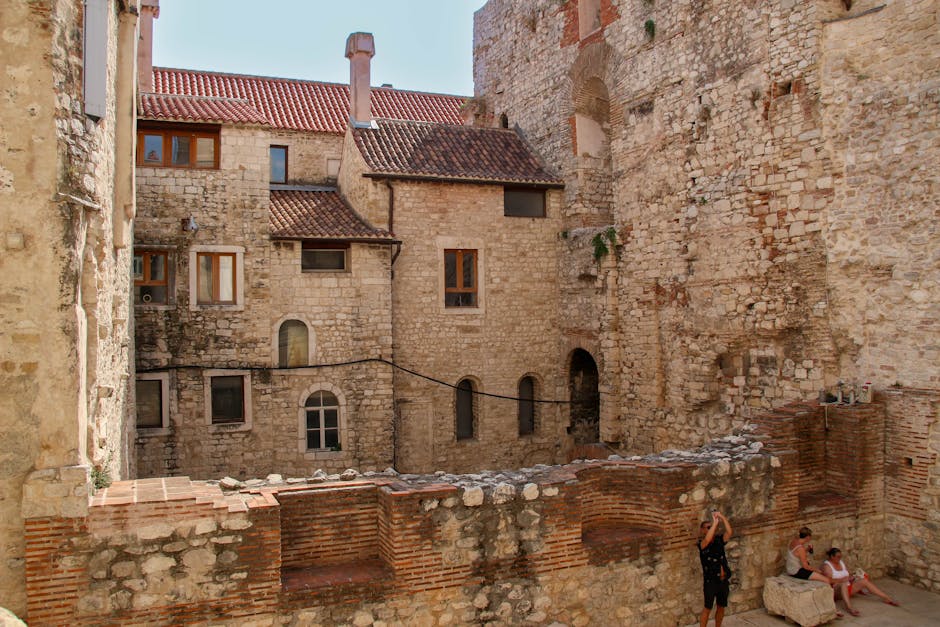
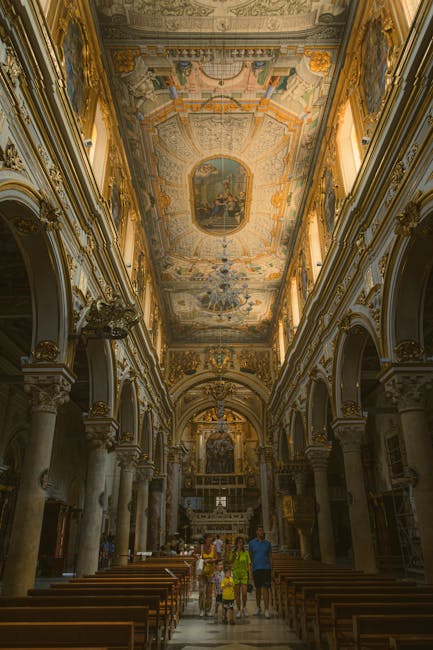
Inside the complex, the Cathedral of Saint Domnius (Katedrala Svetog Duje, ul. Kraj Svetog Duje 1, 21000 Split) is a highlight. Hours: typically 09:00–17:00 (seasonal variations possible); masses and services can restrict access at certain times. Price: entry to the cathedral itself is often free, but access to the bell tower is ticketed — about €4 (approx.). Accessibility: the cathedral has level access into the main nave, but climbing the bell tower requires stairs (not wheelchair-accessible); ask at the desk about alternatives — sometimes virtual tours or videos are available at the cathedral office.
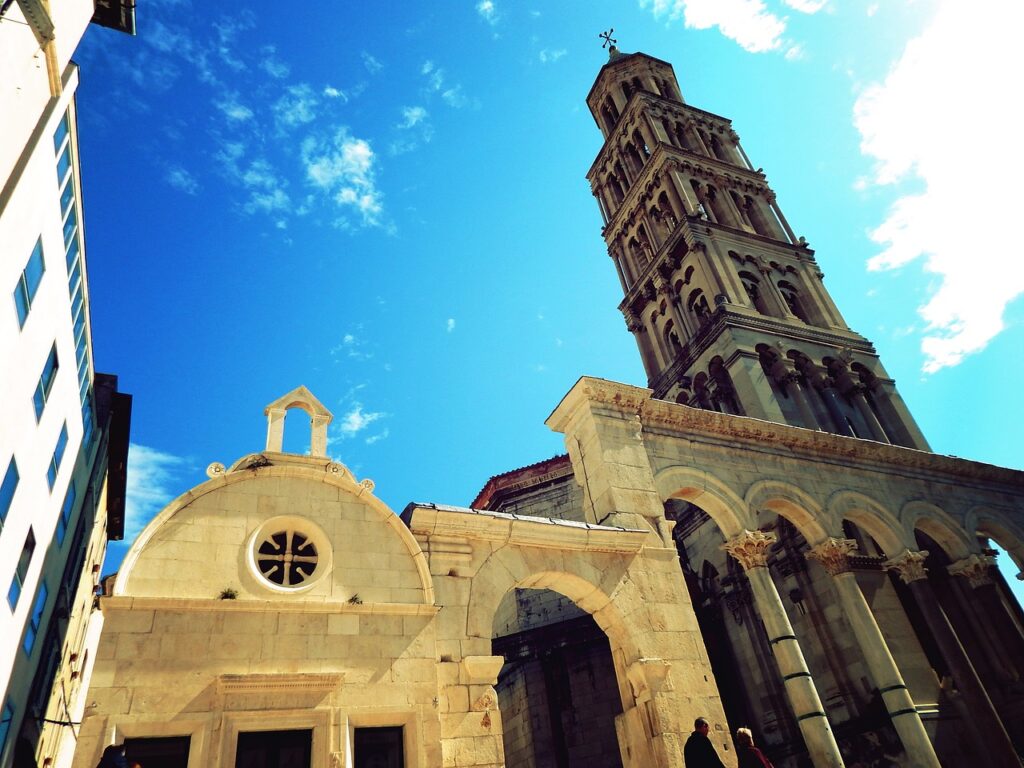
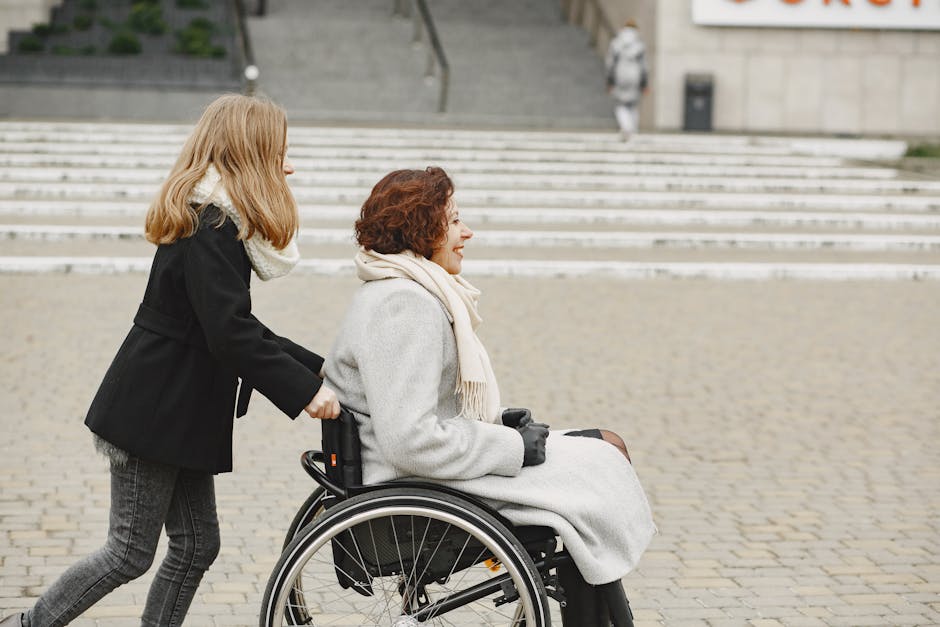
Practical tip: stick to the marked routes and avoid the narrow, heavily cobbled alleys for longer transfers with a stroller. The Peristyle and the wider main walkways are the most comfortable. For accessible guided tours, book in advance tours specifically labeled “accessible & family-friendly” that include a guide focused on avoiding stairs and tight sections.
2) Parks, walks and accessible viewpoints: Marjan Hill and Poljud
For fresh air, Marjan Hill (Marjan Forest Park, Marjansko šetalište, 21000 Split) is a must. The park has flat areas as well as more technical trails. For families and people with reduced mobility, opt for the lower coastal promenade (Marjan seafront paths): the path running along the coast from Bene beach to Kašjuni is largely paved and stable, and is wheelchair-friendly. Hours: the park is open 24/7; public facilities and paths are generally usable from about 07:00 until sunset for safety.
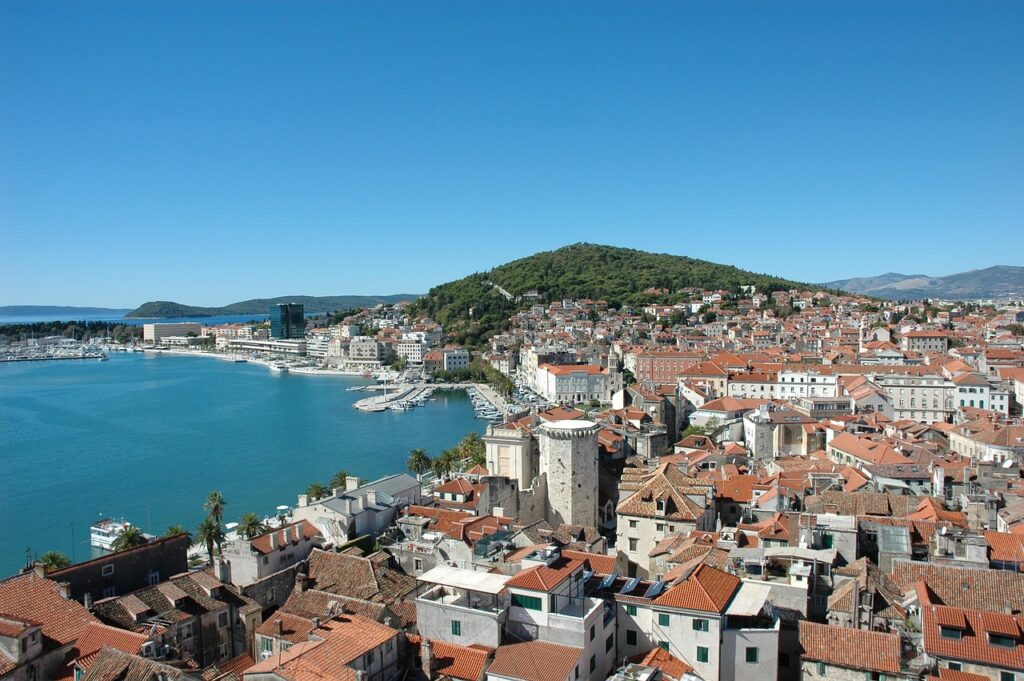
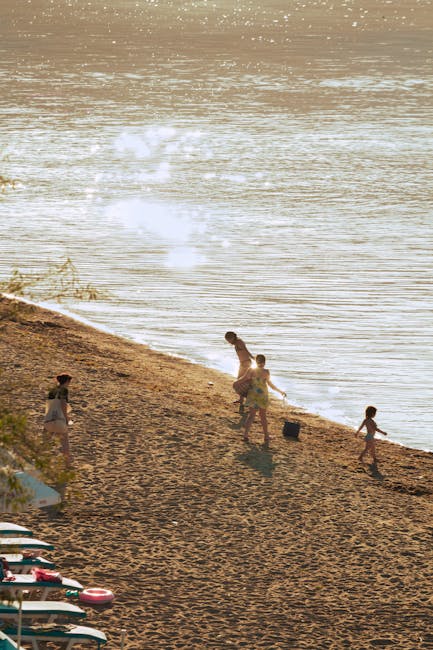
Beaches and swimming: Bačvice Beach (Obala kneza Domagoja, 21000 Split) is the closest beach to the center, popular with families for its sand and shallow waters. Lifeguard hours in season: roughly 09:00–18:00. Accessibility: Bačvice has shared access ramps and areas where walkways/boarded sections make it easier to reach the shore; in high season, beach assistance devices may be available on request. Cost: beach access is free; sunlounger/umbrella rentals cost roughly €8–15/day depending on location.
Further into Marjan, the Vidilica viewpoint offers superb panoramas but is generally unsuitable for wheelchairs due to steps. As an accessible alternative, head to the southern lookout (near the drivable road) which provides sea and island views with minimal elevation change. Families will appreciate picnic spots, playgrounds and the shade of pine trees — especially later in the afternoon.
3) Museums, indoor activities and rainy-day options
On wet or uncertain days, Split has several accessible museums and indoor activities. The City Museum of Split (Gradski muzej Split, Papalićeva ul. 1, 21000 Split) sits inside the urban complex; typical hours: 10:00–18:00 (weekly closures vary, often Monday or Tuesday). Price: around €4–6 per adult, children reduced or free depending on age (approx.). The entrance is largely accessible, with ramps and spacious rooms that make circulation with a stroller or wheelchair easier.
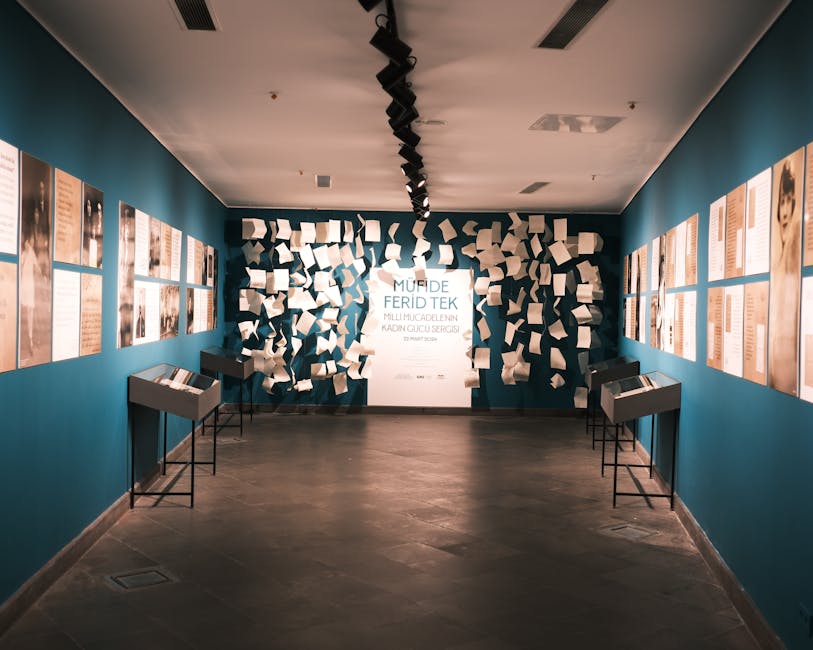
The Archaeological Museum of Split (Arheološki muzej Split) and the Meštrović Gallery (Galerija Meštrović, Ul. A. Radića 37? — double-check the exact address before visiting) often host temporary exhibitions and have adapted areas. Common museum hours: 10:00–18:00; tickets generally €3–8. Tip: call ahead or check each venue’s website to confirm room-by-room accessibility (lifts, adapted toilets). Museums sometimes provide wheelchairs on request at the entrance.
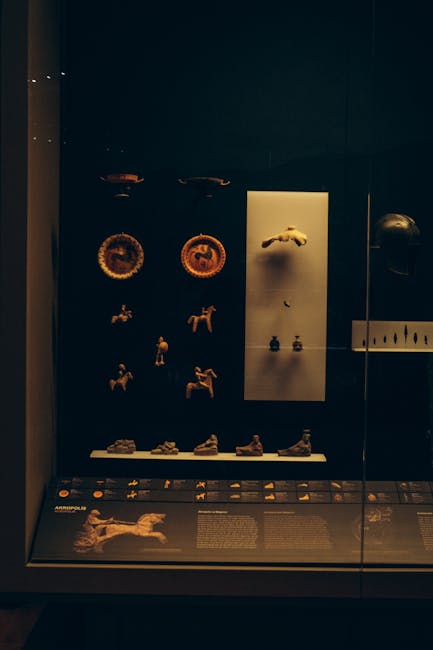
Indoor family activities: pottery workshops, themed “kids-friendly” tours and pop-up aquariums are offered by local operators. For families with young children or people needing frequent breaks, favour museums and indoor spots close to the Riva so you can alternate activities and rest easily.
4) Island trips and accessible ferries
The islands around Split (Brač, Hvar, Šolta) make classic day escapes. The main port is Luka Split / Trajektna luka Split (Obala kneza Branimira bb, 21000 Split). Hours: ferries and catamarans sail from around 06:00 into the evening in high season, with frequencies that vary. Approximate fares: local boat trips to Supetar (Brač) €3–6 per person (fast catamaran €8–15); car+passenger fares are higher. Accessibility: main piers have ramps; major operators (Jadrolinija, Krilo) offer reserved spaces and priority boarding for travelers with reduced mobility — it’s essential to book ahead and notify them of assistance needs at least 24–48 hours before departure.
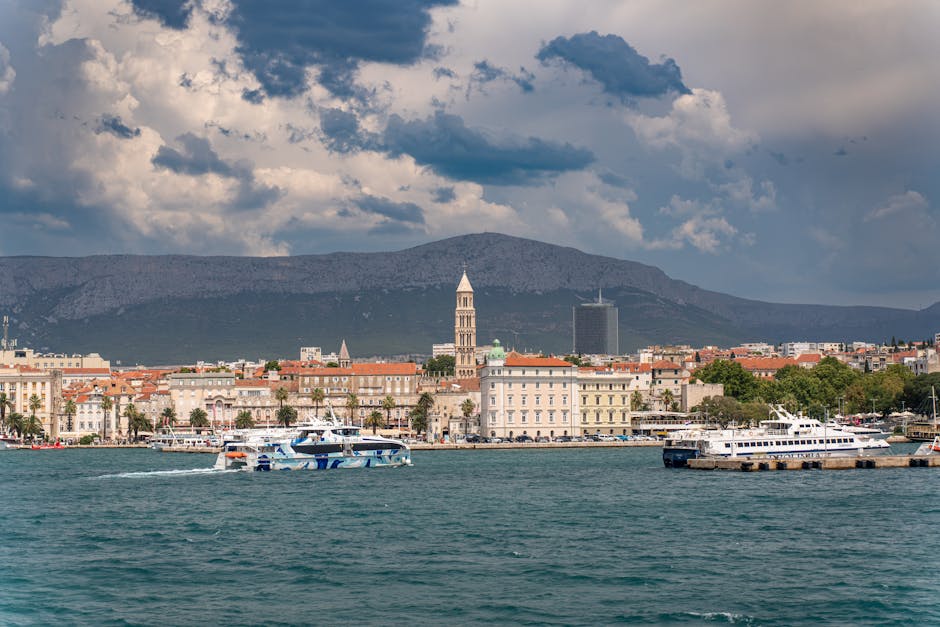
Family tip: pick short, frequent crossings (for example Supetar on Brač, about 50 minutes) to keep sea time minimal. For accessible travel, check the quay height and request port staff assistance; some fast-boat routes require steps to board, while larger ferries usually have ramps more suitable for wheelchairs.
5) Local transport, adapted services and useful logistics
Getting around Split is fairly straightforward: local taxis, city buses and rental services. For comfortable travel, use adapted taxis (for example Autotaxi Split — check locally for numbers and availability). The intercity bus terminal (Autobusni kolodvor Split, often referred to as « Main Bus Station », address near Željeznička/Glavni kolodvor) has accessible platforms and connections to Trogir, Omiš and the airport. City bus fares: about €1–2 per trip depending on zone; tickets purchasable at kiosks and via mobile apps.
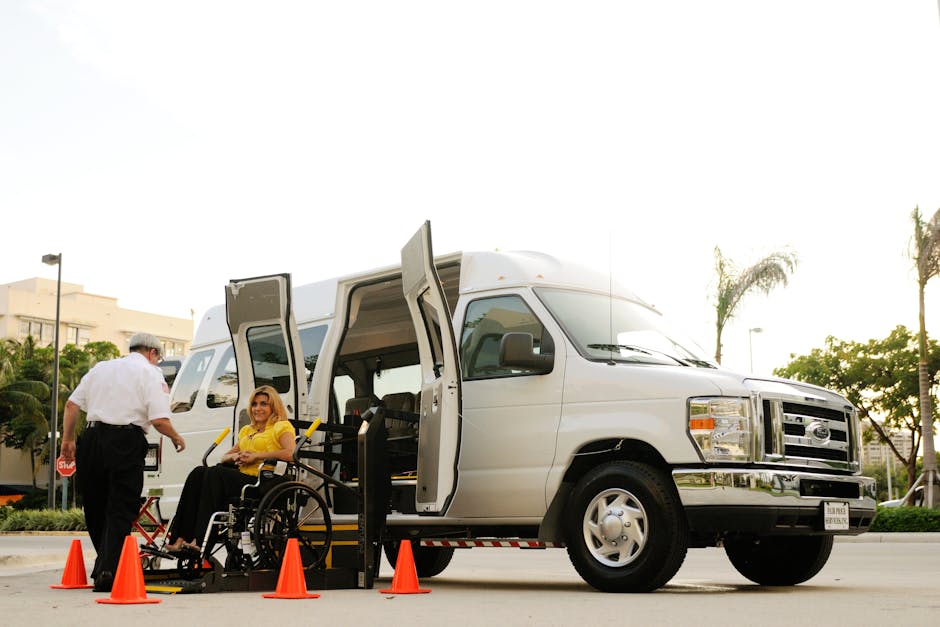
Equipment rental: several agencies in Split rent wheelchairs, mobility scooters and beach-access equipment (aids for bathing). Approximate rental costs: manual wheelchair €10–20/day, electric scooter €25–60/day. Book ahead and ask for hotel delivery if needed. For families, stroller rentals or travel cots can often be arranged through hotels or child-equipment agencies.
Conclusion — Plan well to enjoy Split with peace of mind
Split is a city you can comfortably explore with family or limited mobility if you plan ahead. Start your days early on the Riva and through Diocletian’s Palace to avoid midday heat, alternate historical visits with time by the sea, and schedule regular breaks for kids and anyone who tires easily. Key addresses — Obala Hrvatskog narodnog preporoda (Riva), Dioklecijanova palača (Peristil), Katedrala Svetog Duje (ul. Kraj Svetog Duje 1), Bačvice (Obala kneza Domagoja), Marjan Forest Park — form an easy network of sites with short, mostly flat connections.
Before you travel, double-check opening hours and prices which can change seasonally; many museums and services offer discounts for families, seniors and people with disabilities (keep accreditation cards and supporting documents handy). For island crossings, contact ferry companies (Jadrolinija, Krilo) to reserve assistance and accessible spaces. Let your hotel know your needs (ramp, accessible room, baby cot) to make arrival smoother. Finally, tap local knowledge: shops and tourist offices often have the best up-to-date tips — they’ll point you to the most accessible beaches, level-access restaurants and trusted equipment rental providers.