




Introduction: Accessibility in Split — a complete overview for stress-free travel
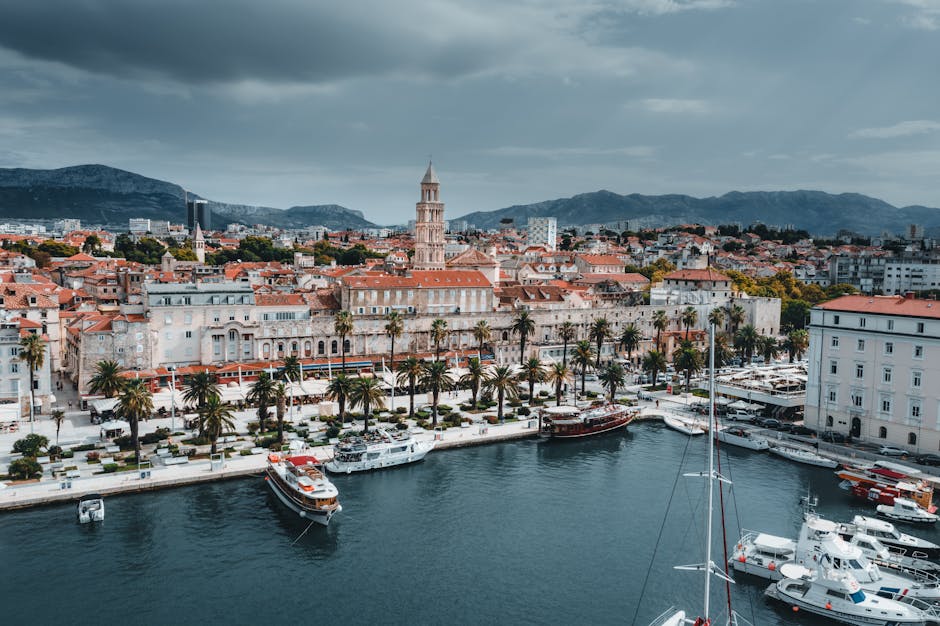
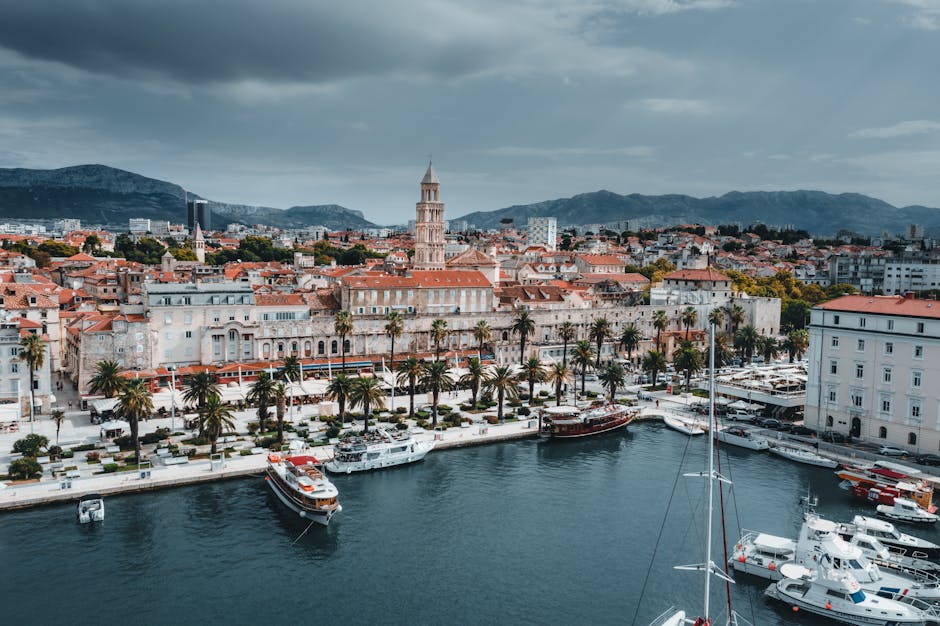
Split, Croatia’s second city and a gem of the Dalmatian coast, draws hundreds of thousands of visitors every year with its unique blend of Roman history, lively waterfront and busy port facilities. For people with reduced mobility, families with strollers, travelers with sensory needs or older visitors, knowing which transport options and sites are accessible is essential to make the most of the stay. This practical, professionally written guide gives a detailed overview of accessible transport options, adapted attractions, exact addresses, prices in euros, opening hours and local tips to help you get around Split with confidence.
Accessibility in Split depends on several factors: the topography (the old town is paved), recent municipal upgrades (Riva renovation, bus station modernization) and private services (wheelchair-friendly taxis, ferries with ramps). This guide covers the main arrival points — Split Airport (Zračna luka Split), the main bus station (Autobusni kolodvor Split), and Split ferry port (Luka Split) — and details routes to iconic spots like Diocletian’s Palace (Dioklecijanova palača), the Riva (Riva promenade), Marjan Park (Marjan Forest Park) and the museums. For each place you’ll find the exact address, opening hours, prices in euros, a description of accessible features (ramps, lifts, adapted toilets) and concrete tips to anticipate challenges (paved areas, steps, seasonal changes).
We include practical recommendations: how to book an accessible taxi, how to board a ferry with a wheelchair, which bus lines to favor and where to find public lifts. Fare information is updated in euros and shows standard fees, possible discounts and extra costs linked to assistance services. Finally, each section contains local tips to save time and avoid frustrations: the best accessible routes to the old town, alternatives to avoid cobbles, quieter times to visit the palace and useful contact details for assistance services.
1) Arriving in Split: airports, bus stations and ports — access and adapted services
Getting to Split is usually straightforward, but accessibility varies by arrival point. Here are practical, precise details for each mode of arrival.
Split Airport — Zračna luka Split (SPU)
Address: Zračna luka Split, Put Trstenika 11, 21210 Kaštela, Croatia. The international terminal is clearly marked “Split Airport.” The airport has seen accessibility upgrades: reserved parking, accessible toilets, and an assistance service for passengers with reduced mobility.
Opening hours: Open 24/7 (flight operations depend on airlines). Assistance service must be booked at least 48 hours before the flight via your airline. Fares: airport shuttle to Split city centre (Autobus Pleso Prijevoz / Promet) — around €6.00 per person (one-way); official airport taxi to central Split: approx. €30–40 (depending on traffic and destination). Wheelchair-accessible taxis (minivans with ramps) are available on request: contact Taxi Split (+385 21 345 678 or book online via split-taxi.hr); estimated cost €40–60 depending on vehicle and assistance.
Local tip: ask for the PAX assistance service and specify if you need a ramp or help with luggage. For wheelchair users, the boarding area has lifts, but tarmac transfers may require adapted transfer vehicles. Booking an accessible airport shuttle in advance avoids long waits.
Main bus station — Autobusni kolodvor Split
Address: Radićeva ul. 3, 21000 Split, Croatia. The bus station is about a 15–20 minute walk from the Riva; several accessible routes are available via adapted sidewalks. Opening hours: ticket offices usually open from 05:00 to 22:00; some services run 24/7 depending on international lines.
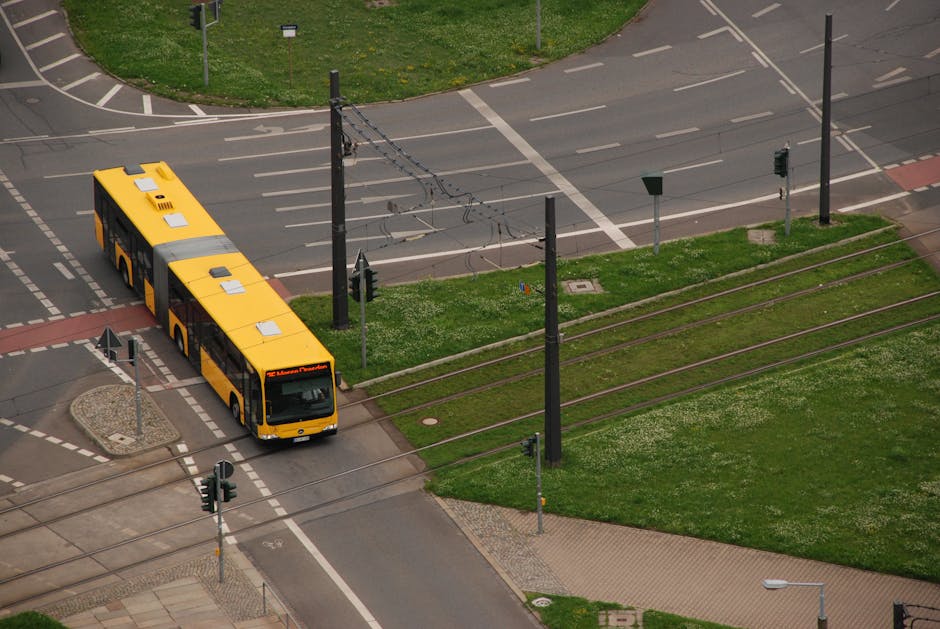
Fares: local bus lines (Promet Split) cost €1.40–€1.70 per ride (ticket valid 30–60 minutes). Tickets can be bought at the Promet agency (Ulica Domovinskog rata 1, 21000 Split), via the Moovit app or from ticket machines. Many modern buses are equipped with telescopic ramps and reserved wheelchair spaces; it’s wise to arrive 15 minutes early to alert the driver.
Local tip: the station has accessible toilets and a lift to the departure platforms. If you need help boarding an intercity bus (to Trogir, Makarska, Dubrovnik), state this when buying your ticket; major companies sometimes adapt coaches on request.
Main port — Luka Split (ferries and catamarans)
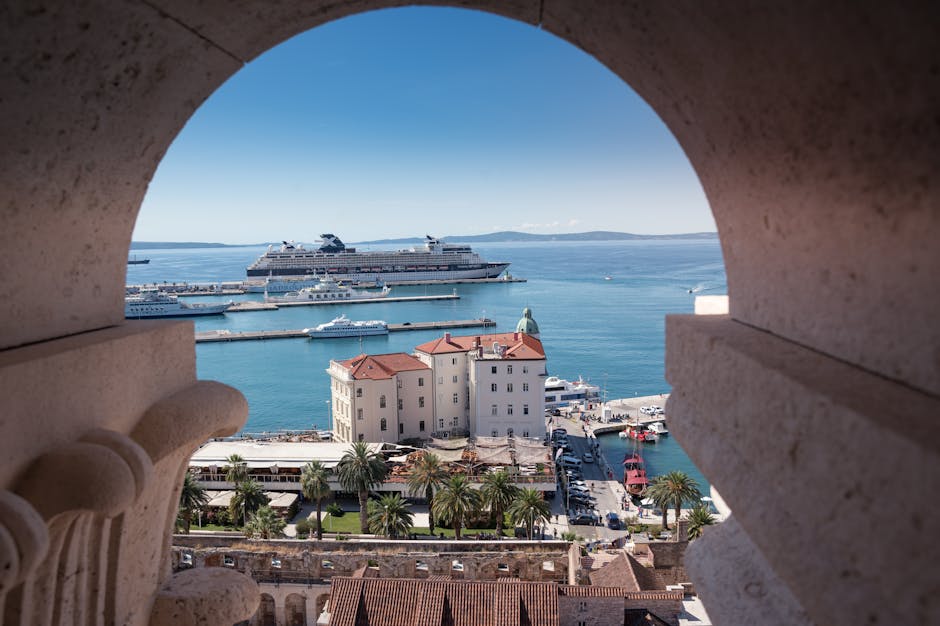
Address: Obala kneza Domagoja 1, 21000 Split, Croatia. Split’s port serves the islands (Hvar, Brač, Vis), international ferries and passenger services across Dalmatia. Terminals have been modernized; boarding piers feature variable ramps and there are lifts in the indoor area.
Opening hours: schedules vary by season. Jadrolinija and Krilo catamarans run multiple departures daily in high season (April–October). Approximate fares: Split–Hvar by fast catamaran €8.50–€12.00; Split–Brač car ferry €7.00–€20.00 (depending on category and passenger). Jadrolinija (Obala kneza Domagoja 8, Split) offers assistance for passengers with reduced mobility: booking 24–48 hours in advance is recommended. Older ferries may require help using the gangway.
Local tip: arrive 45–60 minutes before departure if you use a manual or electric wheelchair; request priority boarding and ramp use. The most accessible piers for fast ferries are near the ferry terminal at Obala kneza Domagoja.
2) Getting around town: buses, taxis, adapted services and accessible routes
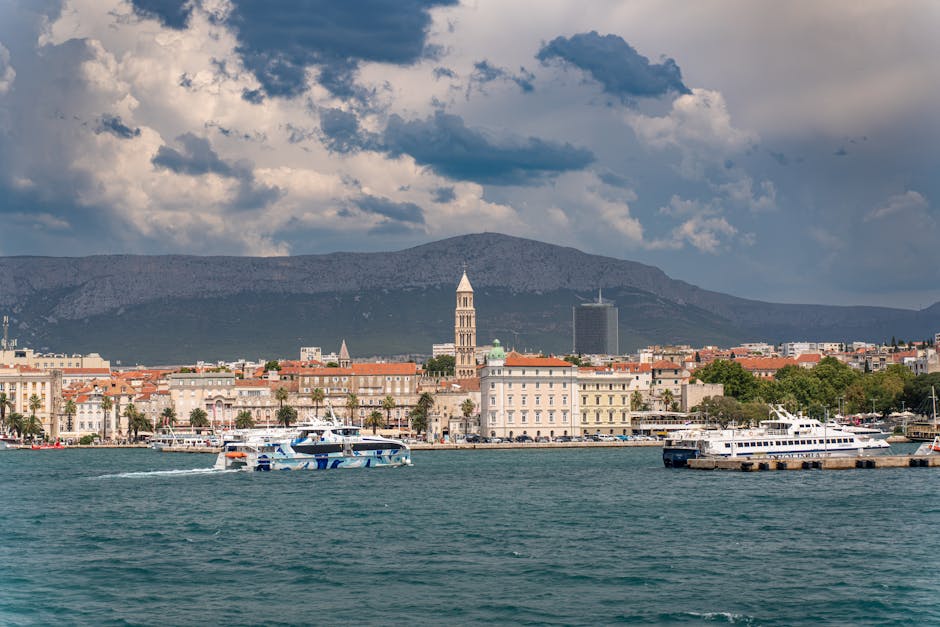
Split is compact, but its historic centre is a maze of paved lanes that can be challenging for some mobility needs. Here’s a detailed guide to getting around safely and efficiently, with addresses, prices, opening hours and recommendations.
City buses — Promet Split
Company: Promet d.o.o. Split, headquarters: Ulica Domovinskog rata 1, 21000 Split. Bus lines cover the whole city and outskirts (Marjan, Stobreč, Kaštela). Hours: most lines run from 05:00 to 23:00; some local lines operate late at night. Fares: single ticket €1.40–€1.70 (buy at a kiosk or via the app); 10-ride booklets about €11.00–€13.00. Modern buses have low-floor boarding and reserved wheelchair areas.
Practical tip: look for stops marked with the ramp pictogram. Main stops like “Riva” and “AutoKolodvor” have lowered curbs and accessible access. Bus staff can assist boarding and alighting; signal your need as the stop approaches.
Accessible taxis and ride-hailing
Official taxis: Taxi Split (main dispatch +385 21 345 678). Central pickup point: Obala kneza Trpimira / Riva. Fares: starting fare about €3.50 + €1.00 per km; average Riva–Airport trip €30–40. Wheelchair-friendly taxis: Taxi Banic, Taxi Spinut (advance booking recommended). Indicative cost: €45–70 for an adapted airport transfer depending on vehicle and assistance.
Local tip: book 24–48 hours in advance to secure an adapted vehicle. Confirm the driver has a telescopic ramp and tie-down straps if you use an electric wheelchair. Ask for a receipt for possible reimbursement and confirm the route before departure.

Adapted vehicle rentals and private services
Several agencies offer adapted vehicles: Rent a Car Toni (Zapadna obala 10, 21000 Split) offers minivans with ramps; prices roughly €70–120/day depending on model and season. For long-term rentals expect a deposit and specify required adaptations.
Private assistance service: Handisplit (local accessible tourism service) offers accompaniment, guides and specialized transport (book via handisplit.hr). Fares: accessible guided half-day tours €50–90 per person depending on group and needs; private transfers €40–80.
Local tip: if you plan to visit several islands, favor a fast ferry with assisted boarding, or arrange an early private transfer to avoid summertime queues.
3) Accessible attractions: Diocletian’s Palace, the Riva, museums and green spaces
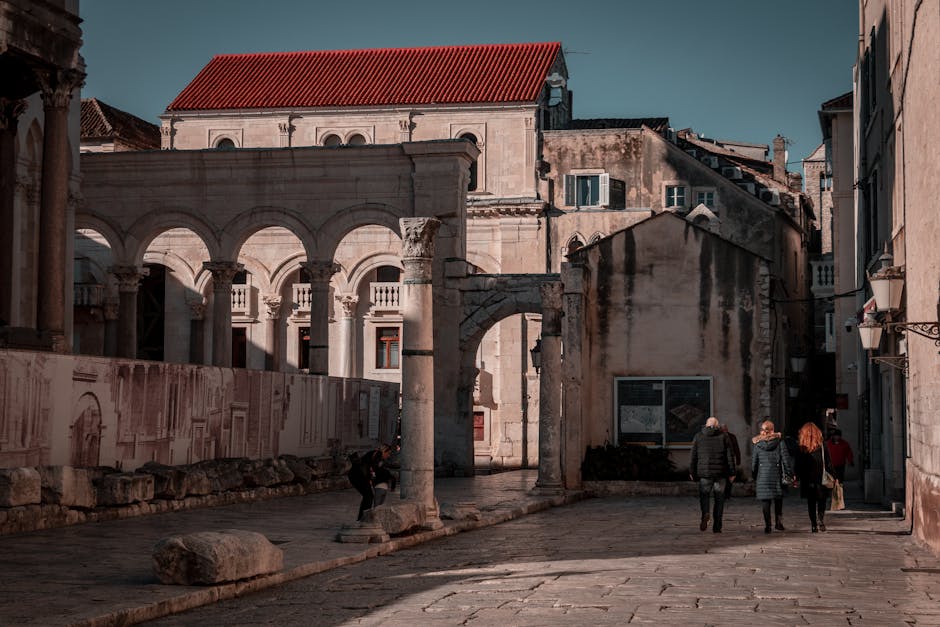
Split’s historic core is dominated by Diocletian’s Palace, a UNESCO World Heritage site. Although built on ancient Roman foundations with many slabs and steps, local authorities have implemented several accessibility measures. Here’s a detailed look at the main tourist sites and their facilities.
Diocletian’s Palace (Dioklecijanova palača)
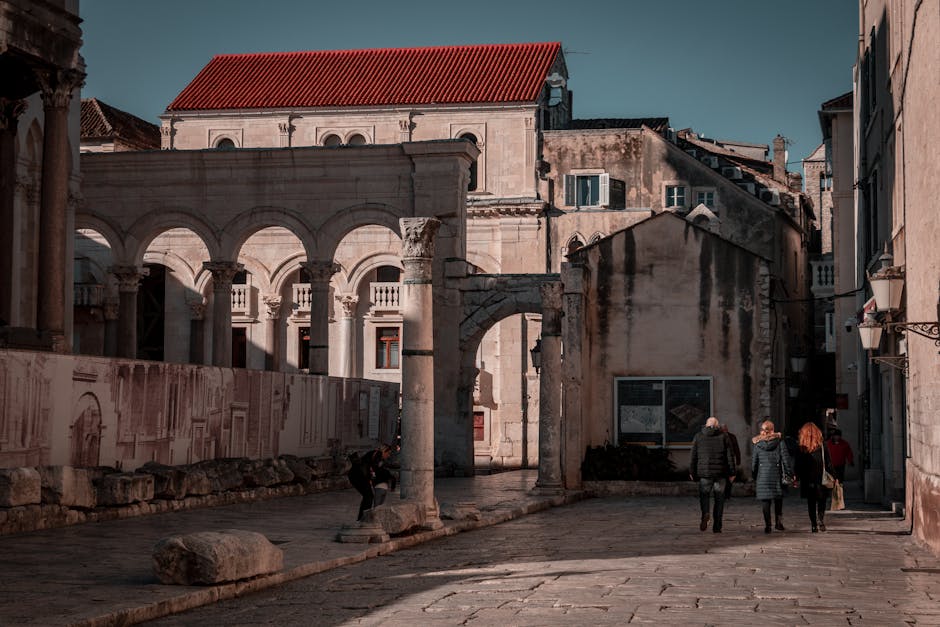
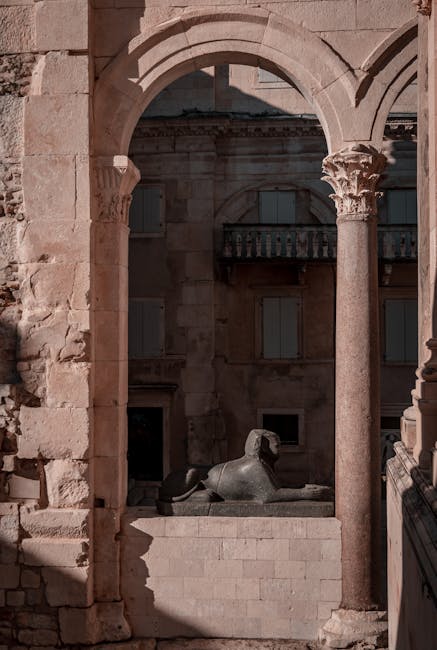
Address: Peristil, 21000 Split. The Peristyle is the central square and is accessible; the entrance from the Riva via the Porta Aenea (Bronze Gate) offers a wheelchair ramp. Opening hours: outdoor areas are freely accessible 24/7; guided tours and internal museums follow individual opening times. Fares: outdoor courtyard access is free; museums inside the complex (e.g., the City Museum of Split / Muzej grada Splita, Papalićeva 4) charge about €6.00–€8.00 for an adult, with discounts for students and seniors.
Facilities: accessible routes are available to bypass the most uneven paved stretches. Several entrances (often beside the cathedral) have ramps. However, some sections include unavoidable stairs; in those cases an accompanying person is necessary.
Local tip: aim for an early morning visit (08:00–10:00) to avoid crowds and use the newer public lifts located near the north end of the palace. Ask the Split Tourist Board for an accessible map (Turistička zajednica grada Splita, Trg Braće Radić 1, 21000 Split).
The Riva — Obala Hrvatskog narodnog preporoda
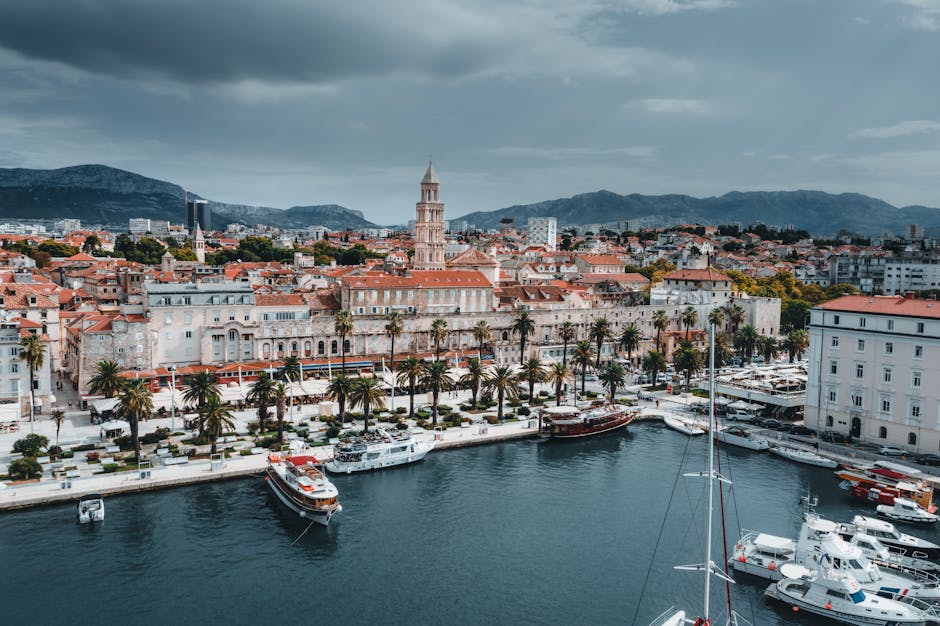
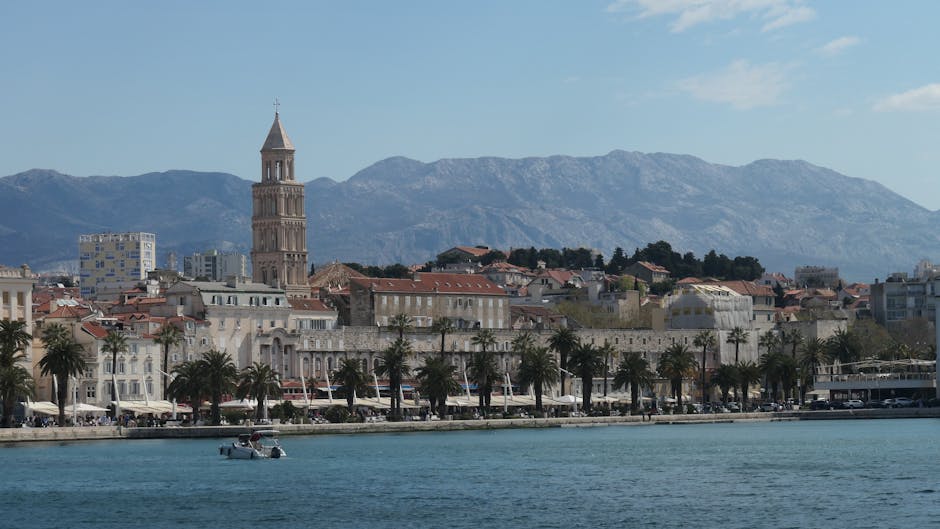
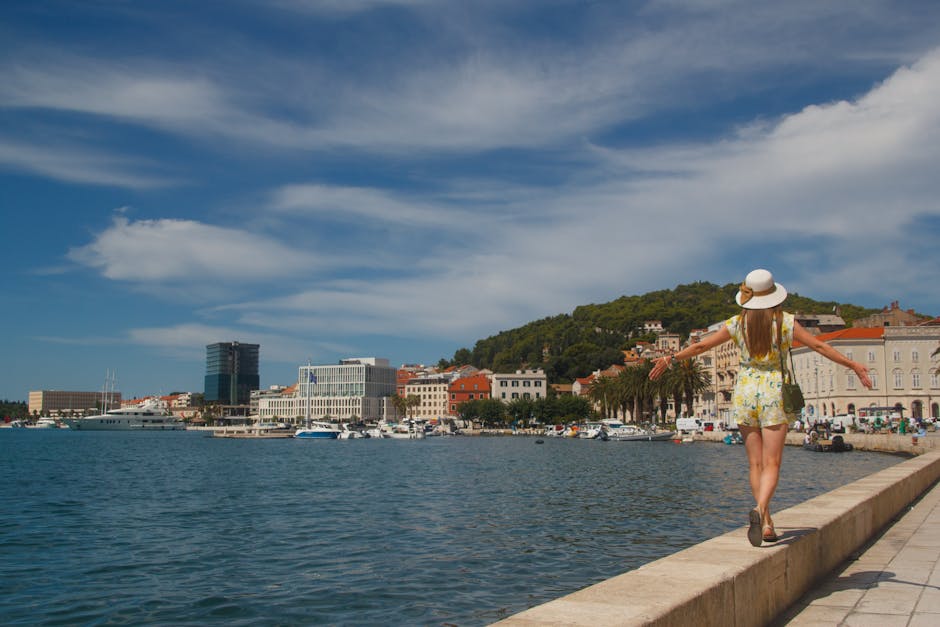
Address: Riva, Obala Hrvatskog narodnog preporoda, 21000 Split. The Riva is the main waterfront promenade, fully renovated with smooth paving, tactile guidance strips and benches. Opening hours: public access 24/7; shops and cafés usually open from 07:00 to 23:00, with extended hours in summer.
Accessibility: wide sidewalks, no major steps, numerous ramps from the road. Accessible public toilets are near the port (Carobna vrata area); some café terraces offer level access. Prices: a typical café order costs €3.00–€6.00; restaurant entry is free (but reserve accessible terrace seating in advance).
Local tip: for a comfortable break try Kavana Atmosfera (Obala kneza Branimira 3) which has level access and an accessible terrace. Avoid the Riva in late afternoon during high season if you want easy movement — it becomes very busy.
Museums and cultural attractions
Archaeological Museum Split (Arheološki muzej Split) — Address: Poljana kraljice Jelene 1, 21000 Split. Hours: Tuesday–Sunday 10:00–18:00; closed Mondays. Adult ticket roughly €4.00–€6.00. The museum has lifts, ramps and accessible toilets; free or reduced admission may apply for certain categories.
Cathedral of Saint Domnius (Katedrala sv. Dujma) — Address: Ul. Kraj Sela 1, 21000 Split. Hours: 08:00–19:00 (seasonal). Access to the cathedral is free, but the bell tower is not accessible to wheelchair users (stairs). The forecourt and nave are accessible via side ramps.
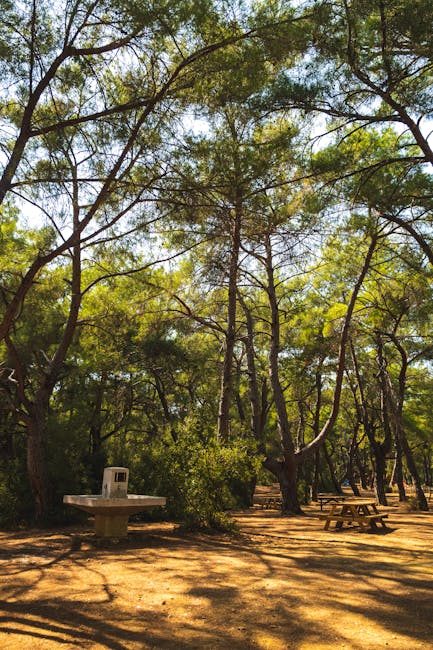
Marjan Park (Marjan Forest Park) — Several trails are accessible and offer views over the city and sea. Main parking: Park šuma Marjan, Ul. Merguška 3, 21000 Split. Some paved paths lead to viewpoints. Tip: for a peaceful, accessible visit follow the coastal road to Kasjuni beach (Uvala Kašjuni) which has adapted access and a partially equipped beach for people with reduced mobility.
4) Accommodation, medical services and practical tips for a hassle-free stay
Choosing accessible lodging and knowing local medical services is essential for a comfortable trip. Here are precise recommendations, addresses, indicative prices and practical advice.
Accessible accommodation
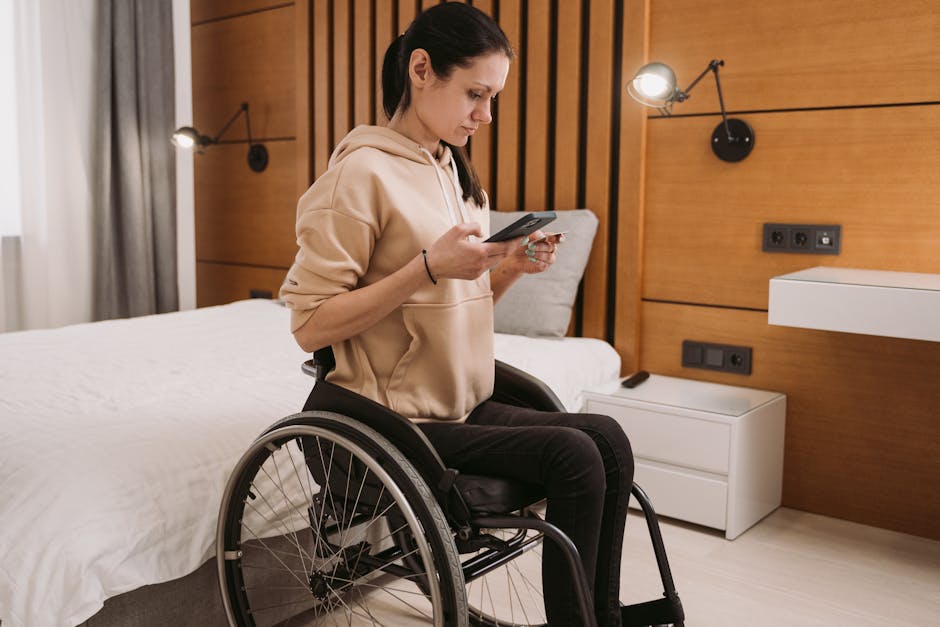
Vestibul Palace Hotel (part of Cornaro Collection) — Address: Ul. Kneza Trpimira 8, 21000 Split. Located in the heart of the palace, this property offers accessible rooms (reservation required). Rates: accessible rooms about €120–200/night depending on season. Services: 24-hour reception, lifts, adapted bathrooms, accessible buffet breakfast.
Hotel Park Split (part of Marriott Autograph Collection) — Address: Ulica Zagrebačka 4, 21000 Split. Accessible features: ramps, wide lifts, adapted rooms. Rates: €150–250/night in high season. The hotel has direct access to a public beach with an accessible section.
Hostels and apartments — many rentals on Airbnb and local agencies specify accessibility (ramps, no steps, adapted bathrooms). Prices vary: central apartments €60–150/night depending on size and season. Tip: ask for detailed photos of the bathroom and the entry access.
Medical services and pharmacies
University Hospital Split (Klinicki bolnički centar Split) — Address: Šoltanska ul. 2, 21000 Split. Emergency services 24/7; phone +385 21 555 555 (European emergency number 112). If you need urgent care, go to the nearest hospital or call your travel insurance assistance.
Pharmacies (Ljekarna): Ljekarna Farmacia Split — multiple branches across the city. Example: Ljekarna Hvar, Muzejska ul. 2, 21000 Split — hours 08:00–20:00; Sunday hours vary. Prices: over-the-counter medications from about €1.00; prescriptions depend on your insurance and Croatian regulations.
Practical tip: bring prescriptions and a sufficient supply of medication because not all brands are available. For wheelchair parts or batteries, contact local suppliers via the university hospital or specialized assistance services.

Useful tips and local contacts
– Split Tourist Board (Turistička zajednica grada Splita) — Trg Braće Radić 1, 21000 Split. Hours: 08:00–20:00. Phone: +385 21 344 750. They provide accessible route maps and lists of adapted accommodations.
– Assistance services for people with reduced mobility (Handisplit or local associations): book 48–72 hours in advance for guides and transport.
– Emergency number (European emergency): 112.
Local tips: carry a map of the old town showing accessible routes, avoid Riva peak times (17:00–20:00 in summer), and take advantage of quiet morning hours to visit museums. If you need help with cobbles or unstable ramps, most local shops and cafés are friendly and willing to lend a hand.
Conclusion: enjoy Split with confidence — summary and final recommendations
Split today offers strong accessibility options thanks to municipal investments and growing awareness of inclusive tourism. With advance planning, the right choice of transport and accessible accommodation, you can greatly reduce obstacles and fully enjoy the Roman heritage, the waterfront promenades and island excursions. The main arrival points (Split Airport, Autobusni kolodvor Split and Luka Split) provide assistance services and adapted infrastructure, but the key to a smooth trip is to book specific services in advance (accessible taxi, priority ferry boarding, adapted hotel room).
For getting around town, favor low-floor buses (Promet Split) and pre-book accessible taxis. When visiting Diocletian’s Palace and the Riva, follow the routes recommended by the tourist office to avoid cobbled sections and stairs. Check the schedules and fares listed in this guide (bus fares €1.40–€1.70, airport shuttle €6.00, taxi transfers €30–60, museums €4.00–€8.00) so you can budget your trip without surprises.
Don’t forget the medical and logistical side: carry your prescriptions and the University Hospital Split contact (Šoltanska ul. 2), locate the nearest pharmacy to your accommodation and keep emergency numbers handy. Finally, use local contacts — the Split Tourist Board (Trg Braće Radić 1) and specialized assistance services — to get updated maps and personalized support. With these tips and practical information, Split becomes an accessible, welcoming destination ready to offer its scenery, flavors and history to everyone with comfort and safety.
Safe travels and enjoy discovering Split — soak up the local kindness, the sunny Riva terraces and Marjan’s sunsets, knowing there are solutions to make every step of your visit as accessible as possible.