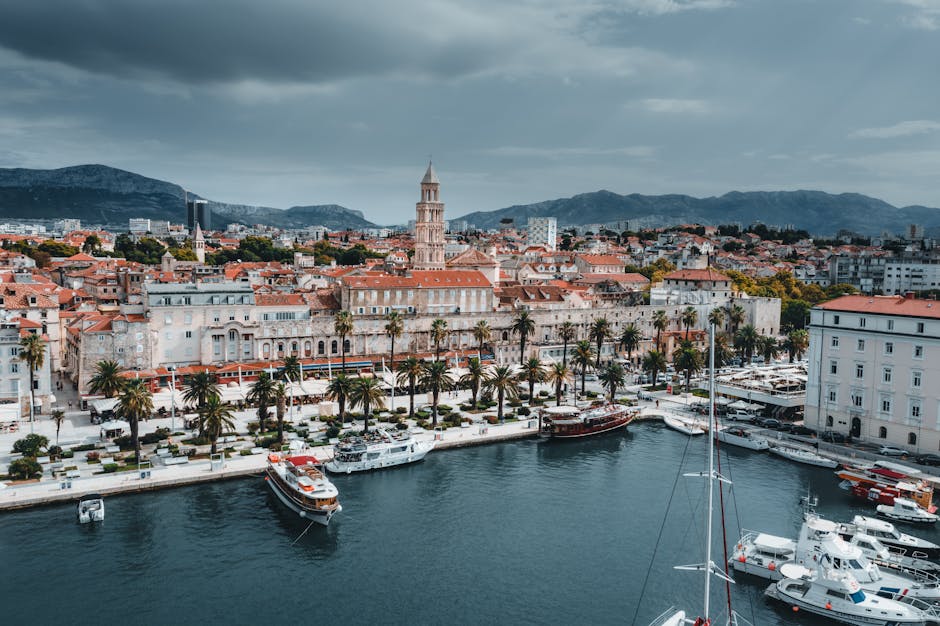






Introduction: Coastal walks in Split — Riva, Marjan and hidden beaches
Split, Croatia’s second-largest city, sits where ancient history meets Mediterranean nature. Perched on the Dalmatian coast, Split offers shoreline walks that mix sea views, UNESCO-listed architecture, pine forests and tucked-away coves. This guide focuses on three complementary ways to explore Split’s waterfront: the famous Riva — the city’s lively seafront where locals gather, Marjan hill — the green lung that crowns the peninsula, and the so-called “hidden” beaches nearby, reachable on foot, by bike or by a short local boat ride. The aim is to give you a practical, detailed and immersive guide with exact addresses, opening times, prices in euros and local tips so every walk becomes a memorable experience you can tweak to match your pace.
Start on the Riva: it’s the natural meeting point between the old town and the sea, where locals and visitors cross paths from morning until night. From there, narrow alleys lead to Diocletian’s Palace while waterfront cafés offer prime people-watching — fishermen’s boats and gleaming yachts included. Nearby, Marjan hill rises with shaded trails and viewpoints that open up panoramic views of the Dalmatian archipelago. Marjan is dotted with small chapels, art monuments, rocky coves and beaches — ideal for an active walk or a contemplative picnic.
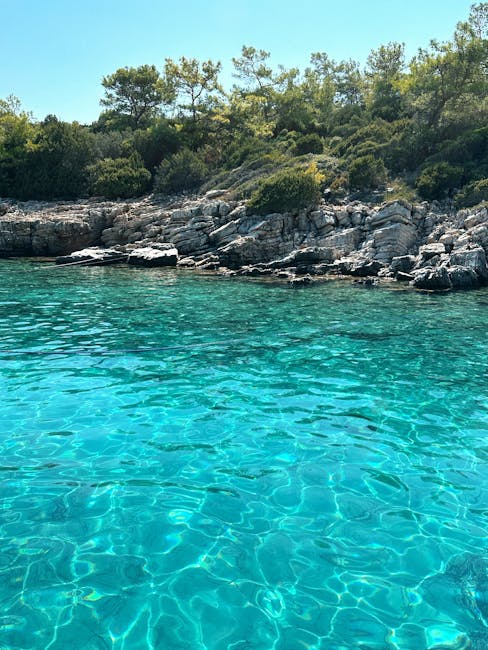
The “hidden” beaches aren’t always truly secret, but they’re often overlooked by standard tourist routes: Kašjuni, Bene, Firule and several small coves give you relative privacy, crystal-clear water and great snorkeling. Some are reachable on foot from the Riva or via short bus/bike rides; others require a short boat transfer. This guide walks you through how to get to each spot, the best times to visit, expected costs (in euros) and handy tips — where to find drinking water fountains, which paths avoid the steepest climbs, or which Riva cafés serve the best Dalmatian pastries in the morning.
Throughout the text you’ll find evocative descriptions to picture each moment of the walk: the scent of maritime pine on Marjan’s trails, sun-warmed pebbles on tiny beaches, the low clink of cups at Riva cafés. We also include practical facts — opening hours for key sites, entry fees (nearby museums or galleries), transport options and local tricks to dodge peak crowds or to photograph the finest views at sunrise and sunset. Whether you’re planning a cultural half-day, an afternoon hike or a family beach day, this guide helps you plan coastal walks in Split in a calm, rewarding way.
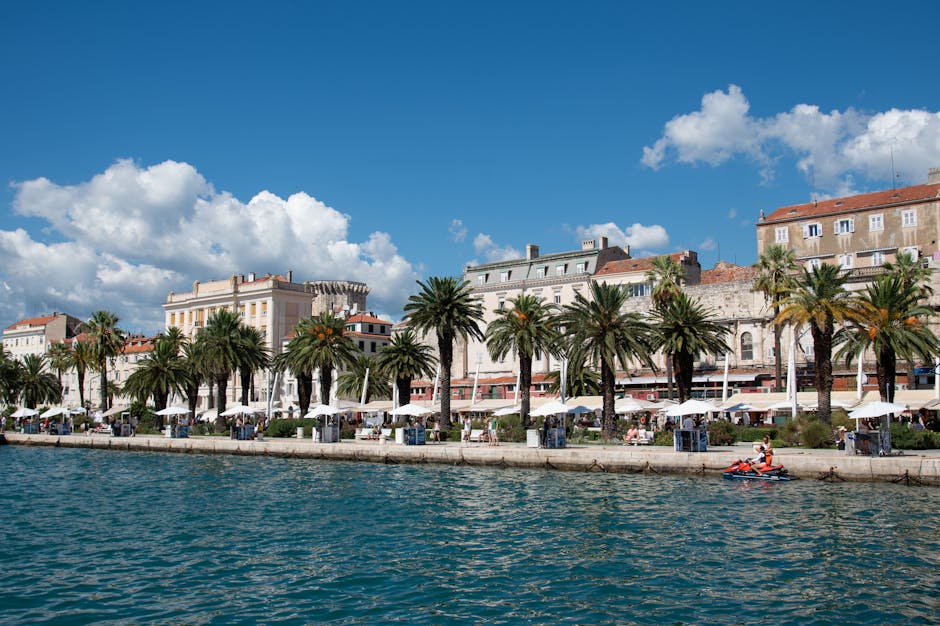
1) The Riva — Split’s bustling waterfront heart
The Riva (official name: Obala Hrvatskog narodnog preporoda) is Split’s iconic waterfront promenade. Address: Obala Hrvatskog narodnog preporoda, 21000 Split, Croatia. It’s the perfect first stop for any coastal visit. The Riva is a broad palm-lined quay with cafés and terraces running along the port and Diocletian’s Palace. It’s ideal for a morning stroll, an afternoon coffee or to watch the sunset over the Adriatic.
Opening hours: the promenade is open 24/7; shops and cafés keep varying hours. Typically, Riva cafés open between 07:00 and 08:00 and close between 22:00 and 01:00 depending on the season. The nearby local market (Pazar) at Voćni trg operates in the mornings; typical hours: 07:00–13:00 on weekdays, longer on weekends in high season.
Costs: walking the promenade is free. Expect roughly €2–€4 for an espresso at a Riva café, €4–€8 for a local beer, and €10–€25 for a casual terrace meal depending on the restaurant. Guided walking tours of the old town often start from the Riva and cost about €10–€25 per person for a two-hour tour, depending on the operator.
Highlights and tips:
- Diocletian’s Palace (Peristil): access to public areas is free, but some museums and the cellars (Cellarium) require paid entry. For example, the Split City Museum (Gradski muzej Split) near the palace charges around €3–€5.
- Photography: for classic shots, position yourself on the sea side at sunset, framing the medieval palaces in the background.
- Local tip: if you want fewer crowds, avoid the Riva between 12:00 and 15:00 in high summer; aim for sunrise (06:00–08:00) for a quieter atmosphere.
- Transport: the main bus station “Autobusni kolodvor Split” is nearby for regional connections. Taxis line up along the Riva; a typical ride to the airport costs around €25–€35.
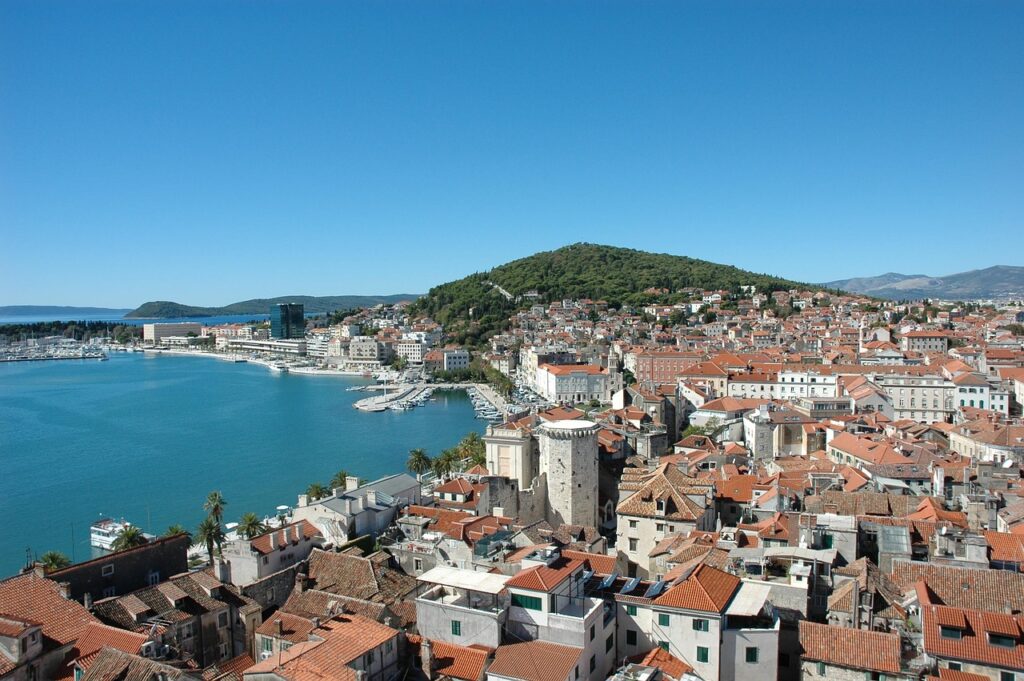
2) Marjan — the hill, its trails and viewpoints
Marjan Forest Park (Park-šuma Marjan) is the wooded peninsula west of the old town. Reference address: Park-šuma Marjan, Put Marjana 1, 21000 Split, Croatia. Marjan offers a network of marked trails, small chapels (e.g. Crkva sv. Nikola), monuments and lookout points over the islands. It’s perfect for a half-day hike, a coastal jog or a sunset picnic after a swim in a nearby cove.
Opening hours: the natural area is open 24/7. Individual sites (museums, galleries, isolated cafés) follow their own schedules. For example, the Ivan Meštrović Gallery on Put Marjana 1 typically runs 10:00–18:00 in high season (closed on Mondays), with entrance around €6–€8. Always check seasonal hours before you go.
Costs: access to the park is free. If you take the small tourist train or a local bus up the hill, expect about €1–€2 per local ride. Outdoor activities are free (trails, light scrambling). Bike rentals near the park entrance usually cost €8–€15 per day, depending on season and bike quality.
Trails and viewpoints:
- Vidilica (Observation deck): one of the most popular vantage points, reachable via a paved path from Poljička street. From Vidilica you can see the old town, the port and the surrounding islands.
- St. Jerome Trail: a quieter route winding through pine groves and passing several small chapels and old cemeteries — great for a reflective walk.
- Beach access: from Marjan several paths descend to Kašjuni, Bene and other rocky coves. The descents can be steep (10–20 minutes); closed-toe shoes are recommended.
Practical tips:
- Bring water and sun protection: although the woods provide shade, summer days can be intense. There are drinking fountains at some points, but they may be switched off outside peak season.
- Respect signage: there are protected areas and unmarked tracks — stay on main paths to preserve the vegetation.
- Best times to visit: morning (07:00–10:00) or late afternoon (16:00–19:00) for softer light and cooler temperatures.
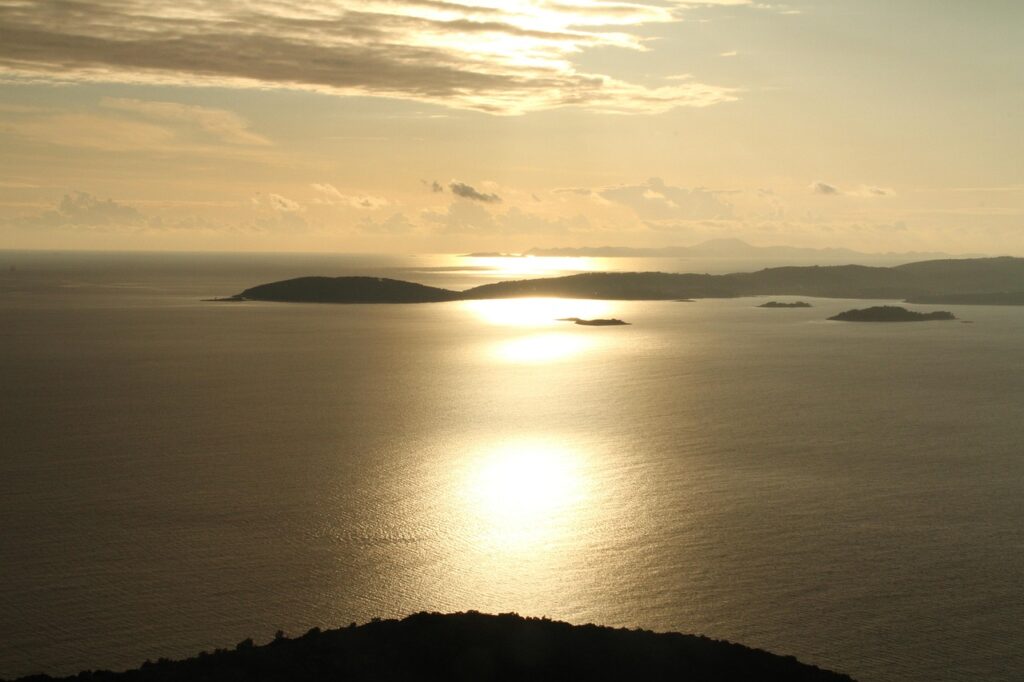
- Note: at dusk, the view of illuminated Split from the viewpoints is spectacular — a favorite for photographers and couples.
3) Hidden beaches and coves: Kašjuni, Bene, Firule and coastal gems
Around the Marjan peninsula and along Split’s western shore, several smaller beaches — often called “hidden” — provide an alternative to big urban beaches. These coves are generally pebbly or rocky with remarkably clear water. Below are the most interesting ones, with approximate locations (many are natural spots without a precise postal address) and practical info:
Kašjuni (Plaža Kašjuni) — location: Put Kašjuni 2, 21000 Split (landmark: at the foot of Marjan, southwest side). The beach is mostly rocky with developed swimming areas and a small snack bar.
- Hours: beach open 24/7; snack bar in high season often 09:00–20:00.
- Cost: free access; sunbeds/umbrellas roughly €5–€8 per day depending on the operator.
- Access: 15–25 minutes on foot from Marjan’s summit; coastal bus route n°12/46 stops nearby in season.
Bene Beach (Plaža Bene) — location: Bene Bay, Poljička cesta, 21000 Split. A smaller, more sheltered cove prized for snorkeling and calm waters.
- Hours: free access; some small boats and water taxis run daytime transfers (see fares below).
- Cost: free entry; water-taxi from the Riva ≈ €5–€10 per person depending on negotiation and season (one way).
- Access: coastal path down from Marjan (about 20 minutes on foot) or by boat from the Riva.
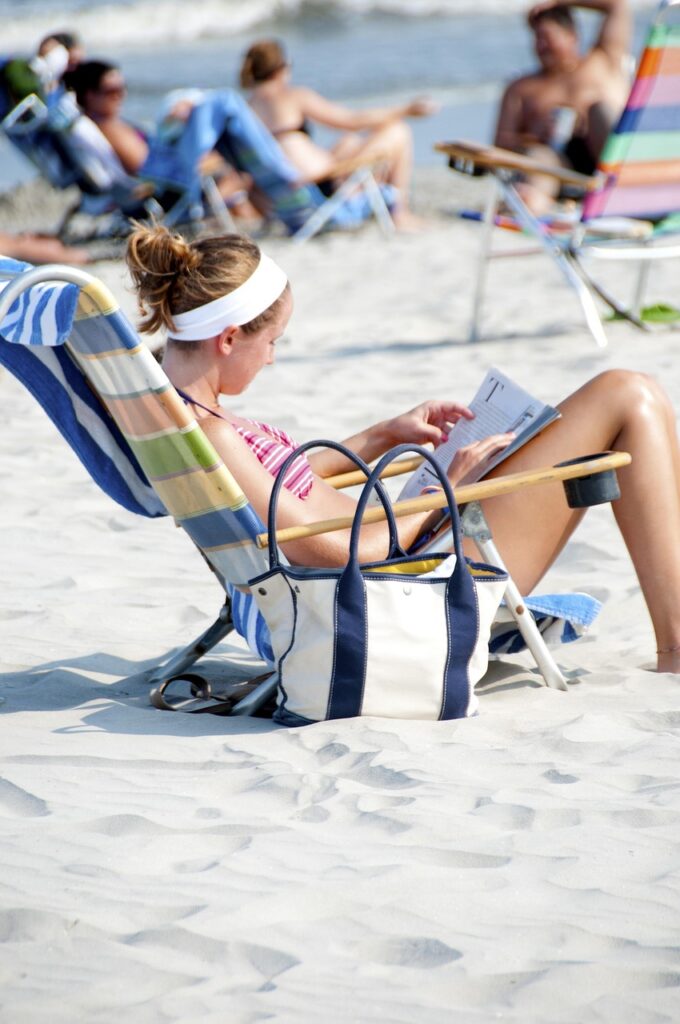
Firule (Plaža Firule) — location: Firule, 21000 Split (east of the old town, close to the port). Firule is more urban and family-friendly, with sand mixed with small pebbles and facilities for kids.
- Hours: open 24/7; services (showers, toilets) available in season with variable hours (often 08:00–20:00).
- Cost: free entry; sunbed/umbrella hire about €5–€8.
- Access: 10–20 minutes on foot from the Riva — ideal for families seeking facilities.
Other small coves: Kamen Mali, Ježinac Beach and Pokrovnik also offer clear waters and a sense of seclusion. The seabed around these spots is excellent for snorkeling; bring or rent a mask and snorkel.
Local tips for enjoying the hidden beaches:
- Water shoes recommended: rocky beaches can be slippery and the seabed is often pebbly.
- Water taxi: haggle politely at the Riva base; in high season expect €5–€15 depending on distance and number of passengers.
- Respect the environment: isolated coves have few bins — take your trash with you.
- Best times: early morning (08:00–10:30) and late afternoon (16:00–19:00) to avoid heat and crowds.
4) Practical info, suggested routes and local advice
Getting around, preparing properly and picking the right routes can turn a simple stroll into a perfect day on Split’s coast. Here are hard facts, recommended itineraries and local tips to maximize comfort and enjoyment.
Transport and access:
- From Split Airport (Split – Resnik Airport): taxi ≈ €25–€35 to the center (Riva), travel time 20–30 minutes. The “Promet Split” shuttle/bus (line 37 or seasonal shuttle) costs about €4–€8, journey 30–40 minutes.
- City buses: the local network (Promet Split) covers the city and Marjan; a single ticket costs ≈ €1–€1.5. Buy on board or at kiosks (have change).
- Bikes and scooters: many rental options near the Riva. Bikes ≈ €8–€15/day; scooters ≈ €25–€45/day depending on engine size.
Suggested routes (half-day and full-day):
- Morning walk: Riva + Diocletian’s Palace (2–3 hours) — Start 07:30 on the Riva (Obala Hrvatskog narodnog preporoda), grab a morning coffee and explore the Peristil and palace cellars. Costs: coffee ≈ €2–€4, museum entry ≈ €3–€5.
- Easy hike: Riva → Marjan → Kašjuni (half-day) — Climb via Put Firula to Marjan’s viewpoints, then descend to Kašjuni for a swim and a snack. Total time ≈ 3–5 hours. Costs: bike rental if desired ≈ €8–€15.
- Secret beach day: Riva → boat to Bene → return via Marjan (full day) — Take a water taxi from the Riva (negotiate ≈ €5–€10 pp) to Bene, enjoy swimming and return in the late afternoon by Marjan’s trail.
Safety and comfort:
- Medical and pharmacies: main pharmacies are near the Riva and Pjaca square; for emergencies, KBC Split hospital is at Šoltanska cesta 1, 21000 Split.
- Currency and payments: the euro was not Croatia’s official currency prior to 2023 (note: check the current currency at the time of travel). Most cafés and shops accept cards, but carry cash for small purchases and water taxis.
- Phone and data: mobile coverage is good in the city; isolated coves may have weak signal.
- Cultural respect: when visiting chapels and religious sites (in Marjan), cover shoulders and knees if required.
Extra local tips:
- Ask Riva servers about “fritule” (Dalmatian doughnuts) in the morning, and try “paški sir” (Pag cheese) on local appetizer boards for an authentic snack.
- If you love snorkelling, bring or rent gear — the rocky seabeds around Kašjuni and Bene are especially rich in marine life.
- To avoid extreme summer heat and crowds, travel outside July–August or schedule beach trips early in the morning.
Conclusion: plan and make the most of your coastal walks in Split
Split blends small-cove intimacy, the buzz of a lively waterfront and the calm of a wooded hill overlooking the sea. The Riva is the friendly, accessible heart — great for orientation, local tips and sampling Dalmatian food on a terrace. Marjan is your nature fix: shaded trails, viewpoints and quick access to wilder beaches. Hidden spots like Kašjuni, Bene and Firule reward you with crystal water and often less crowding than larger urban beaches.
To get the most from your walks, plan around daylight — sunrises and sunsets transform the colors of stone and sea — and adapt to weather and your fitness level. Bring closed-toe shoes for Marjan, water shoes for rocky coves, and a light bag with water, sun protection and a snorkel mask. Negotiate boat-taxi fares politely and check seasonal opening times for beach bars and rentals.
Finally, remember that prices and opening hours vary with the tourist season — verify local details before you travel. Exploring Split via the Riva, Marjan and the small nearby beaches reveals why the city is beloved: its rare mix of history, culture and natural coastline makes every coastal walk feel both everyday and unforgettable. Whether you want a cultural route, a refreshing hike or a day swimming in a secluded cove, Split has a coastal walk waiting for you.