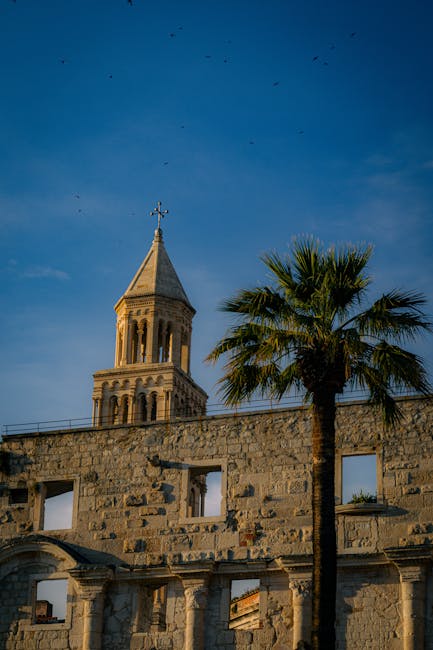






Introduction — Why this guide is essential for visiting Diocletian’s Palace in Split
Diocletian’s Palace (Dioklecijanova palača) in Split is one of the best-preserved ancient architectural complexes in the world. A UNESCO World Heritage site, it covers a large part of Split’s old town—from the Riva to the Veli Varos neighborhood—and hides fascinating corners: the Peristyle, the Cathedral of Saint Domnius, the underground cellars, the Porta Aurea (Golden Gate), the ancient walls and a maze of small lanes full of cafés and shops. That popularity draws millions of visitors each year—and with them, a range of scams and shady practices aimed at uninformed tourists.
This guide is designed to give you a clear mental map of the most common scams around Diocletian’s Palace and, most importantly, practical ways to avoid them. It’s aimed at solo travelers, families and small groups alike: you’ll find exact locations (for example, the official tourist information center), realistic price ranges in euros for attractions and services, typical opening hours, immersive descriptions of places, and tested local tips from the ground.
Visiting Split—and especially the palace—is walking through a place where the ancient meets the modern. The Peristyle, the palace’s ceremonial center, can quickly become a hotspot for fake « guides » who approach visitors offering impromptu tours for sometimes steep fees (€20–50). The proximity of the port and the Riva (Obala Hrvatskog narodnog preporoda) also attracts unlicensed drivers, sellers of unofficial ferry tickets, souvenir vendors offering counterfeit goods and front-of-house restaurants displaying misleading menus. Understanding these schemes and spotting the warning signs will help you avoid losing money and enjoy a more authentic, relaxed experience.
In the sections that follow, we’ll detail the most common scams—fake guides, unlicensed taxis, ticket reselling, restaurant rip-offs, pickpockets and digital scams—with concrete examples (names, addresses, prices), typical schedules and official complaint procedures (where to report incidents, useful contacts). We’ll also highlight visible signs to watch for, questions to ask before accepting a service, and numbers and addresses to keep handy. Whether you arrive by ferry (Jadrolinija, Riva 9) or by plane (Split Airport — Zračna luka Split, Putnički terminal), this guide will help you visit Diocletian’s Palace with confidence.
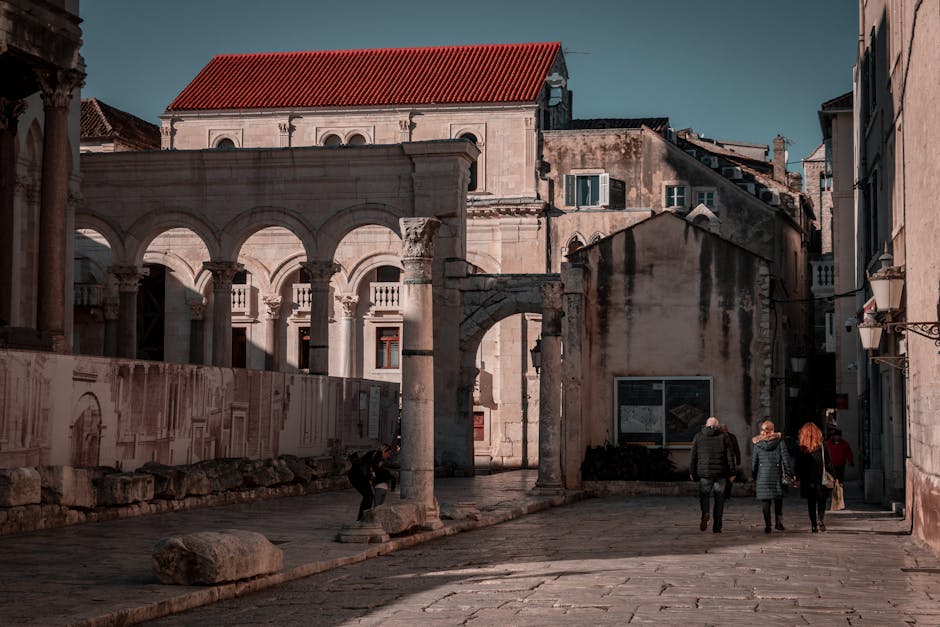
1) Fake guides and unauthorized tours: how to spot them and avoid getting scammed
The palace is a maze. That makes it a perfect hunting ground for fake guides who approach tourists around busy spots like the Peristyle, the Golden Gate (Porta Aurea) and the Riva (Obala Hrvatskog narodnog preporoda 1). These people often present themselves as “official guides,” offer an immediate tour and expect cash at the end. Prices quoted without a receipt usually range from €15 to €50 per person depending on group size and sales pitch. The catch: these « tours » are typically improvised, incomplete and sometimes misleading about history or monument opening hours.
Warning signs:
- No professional ID: official guides in Split carry an ID card or badge issued by the tourist office or a professional association.
- Pressure to start immediately: a real guide offers to schedule the tour and explains the route—there’s no push to set off right away without any agreement.
- Aggressive upselling for extra paid sites (e.g. palace cellars, the cathedral) asking for extra cash on the spot.
What to do:
- Check the guide: ask to see their professional card or ID. Official guides are often affiliated with the Split Tourist Board (Turistička zajednica grada Splita) — address: Obala Hrvatskog narodnog preporoda 1, 21000 Split. Phone: +385 21 340 979. Their official website lists authorized tours and recommended guides.
- Book tours in advance with reputable operators: the Split Tourist Board or well-known local operators like Split Walking Tours (address: Korčulanska 5 — check the website for confirmation) offer guided walks at roughly €12–25 per person for standard groups, typically 10:00–12:00 or 14:00–16:00.
- Ask for a receipt or invoice for any paid service. Official services accept card or cash and will provide an official receipt.
Examples of paid activities:
- Palace cellars (basement) — Paid entry: about 40 HRK (roughly €5–6). Opening hours: generally 09:00–19:00 in summer, 09:00–16:00 in low season. Main entrance: Peristyle, Dioklecijanova palača, 21000 Split. Use official queues and avoid people who offer to “speed up” entry for cash.
- Cathedral of Saint Domnius (Katedrala Svetog Duje) — access to the crypt is free, but climbing the bell tower is paid: combined ticket around 50 HRK (€6–7). Hours: often 09:00–17:00 depending on season. Address: Kraj Sv. Duje 4, 21000 Split.
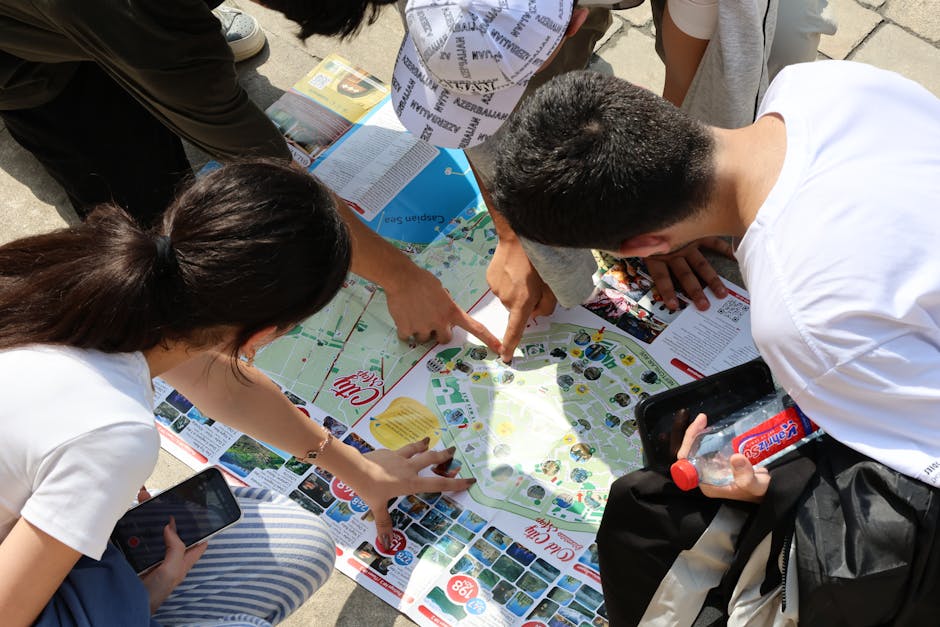
2) Unofficial taxis, tuk-tuks and transfers: fares, addresses and precautions
Arriving at Split’s ferry port (Obala Hrvatskog narodnog preporoda, waterfront) or the bus station, you’ll often be approached by unlicensed drivers offering “cheap” fares to your hotel or the airport. These unlicensed drivers may demand higher cash payments, take lengthy detours or refuse to use the meter. Tourist tuk-tuks (three-wheeled vehicles) operating around the palace can also charge inflated fares if you don’t agree on a price first.
Reference fares (approximate):
- Official Split taxi (Taxi Split) from the Riva to Split Airport (Zračna luka Split, Putnička prilaz 1, 21217 Kaštela): about 200–250 HRK (€26–33) depending on luggage and time of day. Expect a 30–40 minute ride. Official taxis use a meter and display the license number on the door.
- Tourist tuk-tuks around the palace: 50–150 HRK (€6–20) for a short ride in the old town. Always negotiate the fare before getting in.
- Official airport shuttle — services like Pleso Prijevoz / FlixBus: about 40–60 HRK (€5–8). Stops along Obala Hrvatskog narodnog preporoda.
Warning signs and best practices:
- Check the meter: make sure the driver turns on the taximeter. Official Split taxis have an ID number and a fare sheet displayed in the window.
- Refuse drivers without visible license plates or a company ID. For extra safety, ask for the driver’s name and taxi number.
- Book an official transfer through your hotel’s reception—most hotels in Split, for example the Radisson Blu Resort Split (Put Trstenika 19, 21000 Split) or local boutique places like Palace Suites, offer reliable paid transfers for €25–40.
- For tuk-tuks and short tourist rides, agree on the price, duration and route before you get on.
What to do in case of an incident:
- Note the license plate, the vehicle make and the driver’s ID number. Contact the local police (Policija) at +385 192 (emergency) or visit the central police station in Split: Ulica dr. Franje Tuđmana 3, 21000 Split.
- You can also contact the tourist office for help and recommendations: Turistička zajednica grada Splita, Obala Hrvatskog narodnog preporoda 1, +385 21 340 979.
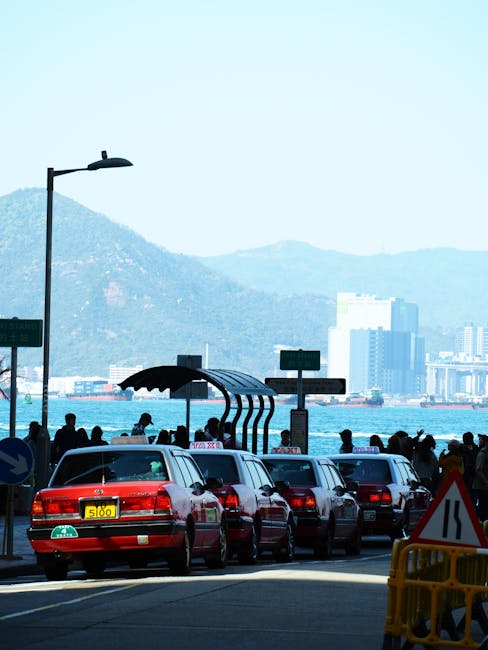
3) Restaurants, misleading menus and hidden charges: how to read between the lines
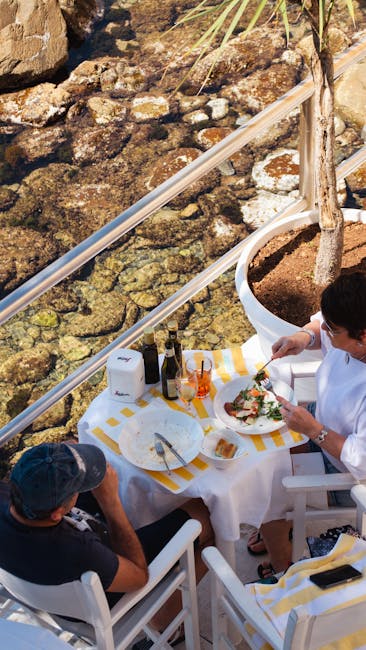
The area around Diocletian’s Palace is packed with restaurants and cafés, especially along the Riva (Obala Hrvatskog narodnog preporoda) and in the narrow lanes near the Peristyle. While many places are excellent, some mark up prices for tourists, add unshown « service charges » or bill for dishes you didn’t order. Classic tactics include: adding items to the bill, an automatic tip or cover charge, or menus that don’t clarify whether drinks and bread are included.
Practical tips:
- Always check the menu at the entrance: prices should be clearly displayed in euros (€) or kuna (HRK). Example of a reputable restaurant: Konoba Matejuška, Ulica od Puča 6, 21000 Split — seafood dishes typically range 70–160 HRK (€9–22). Typical hours: 12:00–23:00 (seasonal variation).
- Ask the exact price before ordering touristy specials (fresh fish, grilled squid). Whole fish can cost 120–250 HRK (€16–33) depending on size and season.
- Avoid pushy waiters offering a “special for you” who seat you at a view table with higher prices. Choose places with reliable reviews (Tripadvisor, Google) and a visible menu at the entrance.
- Watch out for « tourist trap » menus along the Riva: some places advertise low prices outside but the final bill is padded with extras.
Examples of hidden charges and how to avoid them:
- Service/cover charge: some restaurants may charge a « cover » for bread and table setting, typically 10–20 HRK (€1.3–2.7). Ask before you sit if this applies.
- Card surcharge: make sure paying by card won’t add unexpected fees. Tell the server whether you’ll pay by card or cash before ordering if there’s a surcharge.
- Duplicate billing (items not ordered): keep the printed bill and compare it to what you actually had. If you suspect a scam, politely request a detailed invoice and keep your receipt.
4) Pickpockets, fake officials and digital scams: stay alert in narrow lanes and online
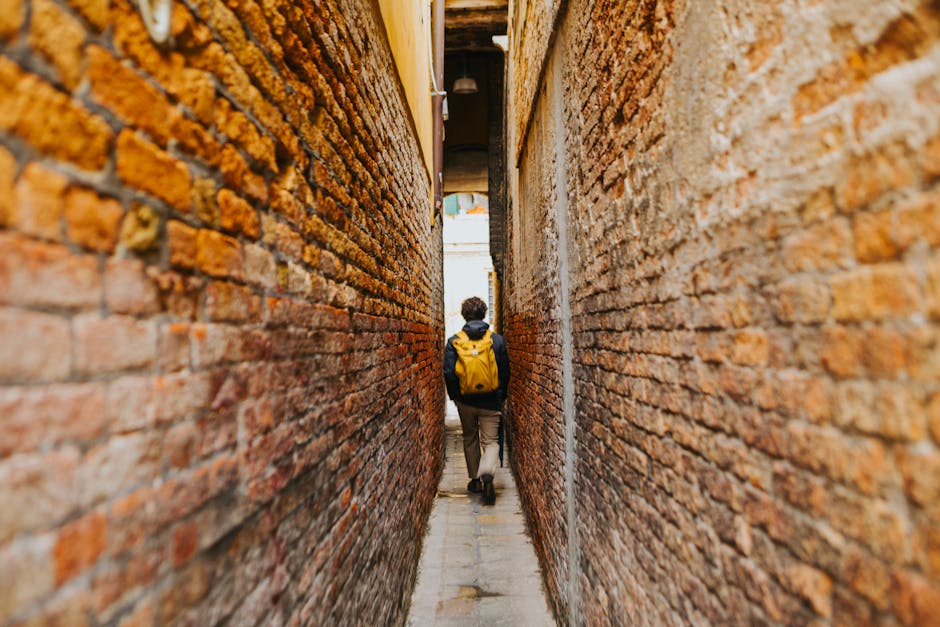
Split’s old town, particularly the areas around Diocletian’s Palace (Peristyle, Republic Square), is heavily trafficked, which makes it easy ground for opportunistic pickpockets. Typical methods include group distractions, the « backpack grab » when foot traffic clogs a lane, or tools like magnets/picks to remove wallets and devices from back pockets. Fake officials (impostor police) may also ask to check your papers and wallet—then demand you withdraw cash to « prove » legitimacy. Digitalization has brought online scams too: fake ferry booking sites (supposedly Jadrolinija), fraudulent Airbnb listings, and bogus payment links.
Preventive measures:
- Keep documents and cash in an inner pocket or a money belt under your clothes. Avoid back pockets for wallets.
- Use bags with zippers or locks and carry them in front of you when possible, especially in narrow alleys. Waist pouches (fanny packs) are practical and deterrent.
- Be wary of people asking for « autographs » or showing a paper to distract you—this is often a tactic to steal your belongings.
- For online bookings and purchases: use only official sites (for example, Jadrolinija — www.jadrolinija.hr for ferries) or trusted platforms (Booking.com, Airbnb). Always check reviews, full contact details and cancellation policies.
What to do if you become a victim:
- Report the theft immediately to the local police (Policija): emergency number +385 192. The central police station is at Ulica dr. Franje Tuđmana 3, 21000 Split.
- Contact your bank if your card was stolen or you notice unauthorized transactions. Block the card immediately and request an emergency replacement.
- For online fraud (fake sites, bookings), keep all emails, screenshots and payment proof; report the fraud to your card issuer and the platform involved. You can also report suspicious local operators to the Split Tourist Board.
Conclusion — Travel informed to make the most of Diocletian’s Palace
Diocletian’s Palace in Split is a historic gem and an unforgettable cultural experience. Its popularity inevitably attracts dishonest practices. The best protection is preparation: know typical prices (for example, 40–50 HRK for the cellars, 50 HRK to access the bell tower depending on season), check opening hours (major sites usually open between 09:00 and 19:00 in high season) and use official services (Tourist Office: Obala Hrvatskog narodnog preporoda 1, +385 21 340 979).
Remember a few simple but effective rules: never hire a guide without a professional card, agree on the price before boarding a tuk-tuk or taxi, check menus at the entrance and ask for a bill when you pay. Always keep a digital copy of your documents, use secure payment methods and be skeptical of offers that seem too good to be true. If you are scammed, report it to the local authorities (Policija, +385 192) and the tourist information center; keep evidence (photos, screenshots, tickets) to support your claim.
By informing yourself before the trip and adopting a few easy habits (verify guides’ identities, favor official agencies, negotiate prices before accepting services, keep valuables close), you’ll turn a potentially stressful visit into a free and enriching exploration. Split has so much to offer—from the beauty of the Peristyle to the panorama from the top of the Cathedral of Saint Domnius’ bell tower, plus local markets and lively alleys—and following these tips will help you enjoy it fully, safely and without unpleasant surprises.