





Introduction — Why this practical guide is essential for getting a Croatian visa from France (context: Split)
If you’re planning a trip to Split — that Dalmatian gem with its Roman palace, beaches and seaside promenades — it’s crucial to have your Croatian visa sorted before you set foot on the Adriatic shore. This hands-on guide, written for residents of France and people living in France who want to travel to Split, lays out concrete steps, addresses, opening hours, fees and operational checklists. This isn’t a generic overview: you’ll find exactly what to do, where to go, how to pay, which documents to bring, and the common mistakes to avoid so you can get straight to the point.
Croatia is now part of the Schengen area; short-stay tourist visa applications follow strict but standardized rules (Schengen C visa for tourism). For Split specifically, you’ll need to prove your itinerary and local bookings (hotel, apartment, ferry or plane ticket); authorities want to confirm you have the means to support yourself and a concrete place to stay in Split. This guide walks you through the whole process: from booking the appointment to collecting your passport, each step includes exact addresses, drop-off times, costs in euros, average processing times and useful local tips so your file won’t be sent back for corrections.
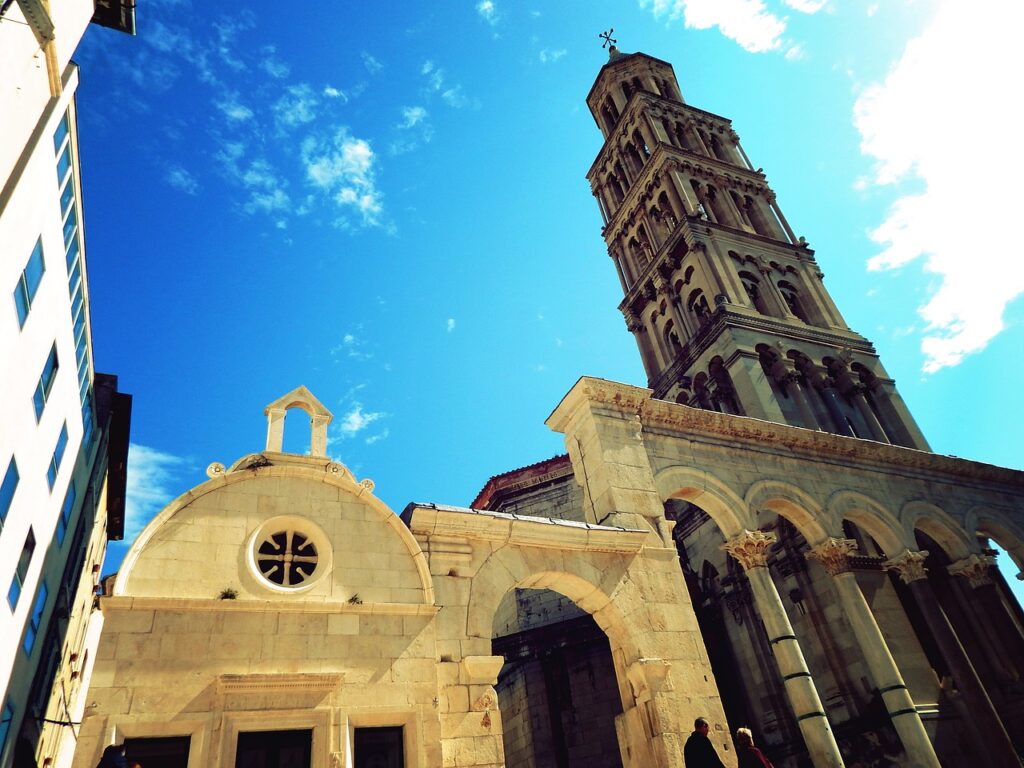
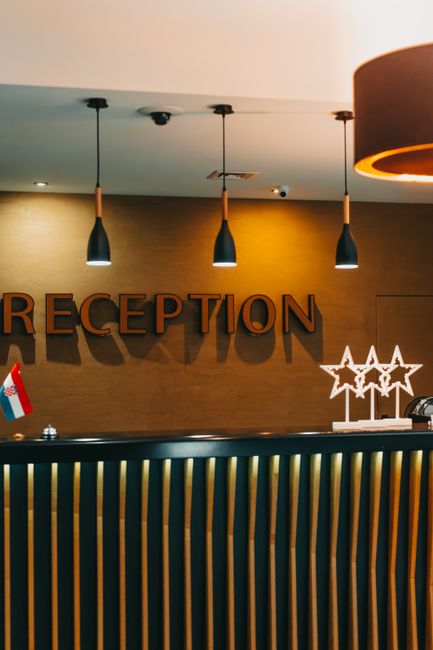
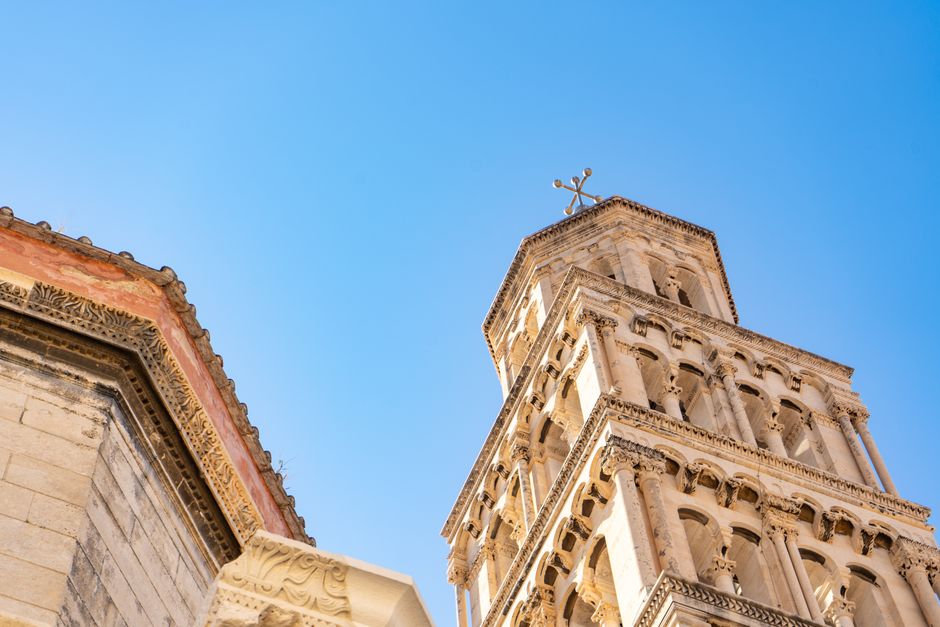
You’ll find seven numbered, detailed steps here, each written to be immediately actionable. At the end of the article there’s a printable checklist, sample wording for a cover letter, and alternatives (agencies, paid assistance) if you’re short on time. I’ve also included visual landmarks (photo suggestions) — for example: visa office, consulate facade, hotel reception in Split — to help you spot the right locations on official sites before you go in person. Read the full introduction and steps 1 to 7: you’ll complete your visa application for Split without surprises.
1. Check whether you need a visa, the right visa type and timing (before booking any appointment)
Before you start the process, confirm whether you actually need a visa: if you’re a French national, you don’t need a visa for a tourist stay shorter than 90 days within any 180-day period. This guide is mainly aimed at holders of third-country passports residing in France (with valid residence permits) who must apply for a Schengen C visa for Croatia.
Administrative documents to check right away:
- Passport: valid for at least 3 months after your planned departure from the Schengen area and containing at least two blank pages. Renewal cost (France): €86 (standard); fast-track: 2–4 weeks depending on your prefecture. Address of the nearest France Services location for fingerprinting (example: Paris City Hall, 29 Rue de Rivoli, 75004 Paris) — check opening hours on the town-hall website.
- French residence permit: valid at the time of application (copy of both sides).
- Visa type: Schengen C visa (short stays for tourism / family visits). Standard fee: €80 for adults (payments in euros; some centres don’t accept cash, so bring a bank card or use online payment; reduced fee for children: €40 for ages 6–12; free under 6).
- Timing: lodge your application ideally between 90 and 15 days before travel; standard processing time: 15 calendar days (can extend to 30–60 days in complex cases).
Practical tip: photograph your passport and residence permit and keep a timestamped digital copy. If your file will require extra proof (e.g. invitations, financial documents), start collecting those now to avoid back-and-forths.
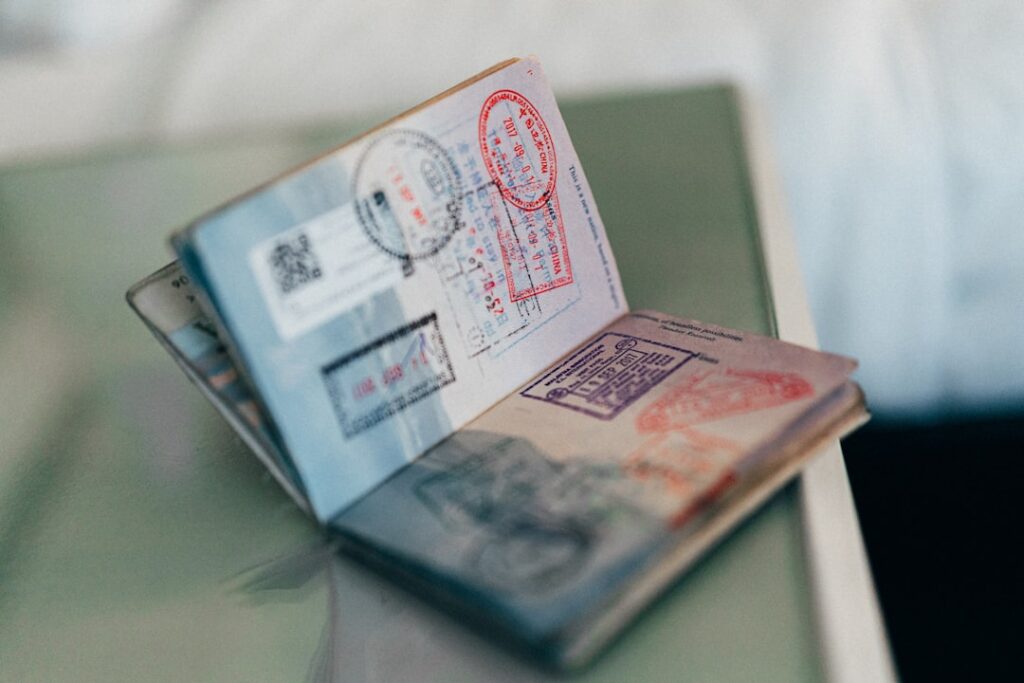
2. Book the appointment at the right place: embassy, consulate or visa application centre
In France, Croatian visa applications are handled either by the Embassy of the Republic of Croatia in Paris for diplomatic files, or by a mandated visa application centre (often TLScontact or VFS Global depending on the contract). Check the embassy’s official page to confirm: Embassy of the Republic of Croatia in Paris — Embassy of the Republic of Croatia, 15 avenue Marceau, 75116 Paris (verify online before you go).
How to book an appointment:
- Visit the Embassy of Croatia’s official website or the TLScontact/VFS portal (search for: « Croatia Visa France TLScontact » or « VFS Global Croatia France »).
- Create an account and choose the purpose « Tourism — Short Stay (C) ».
- Select the centre nearest you (main drop-off centre in Paris: usually open Monday to Friday).
- Appointment booking fee: free online; additional service charge for the application centre (e.g. TLScontact): around €20–30 extra (payable online or at the centre).
Typical opening hours for a drop-off centre (example):
- TLScontact Paris application centre: Monday–Friday, 08:30–13:30 (drop-offs) and 14:30–16:30 (pick-ups & assistance) — confirm online.
- Embassy of the Republic of Croatia (Visa Section): reception by appointment, Monday–Wednesday 09:00–12:00 (hours can vary by season).
Local tips:
- Book your appointment at least 6 weeks in advance if you’re traveling in high season (May–September) or around major holidays (Christmas/New Year, Easter).
- Print and bring the appointment confirmation (PDF); some centres may refuse to accept an application without a printed confirmation.
- If you’re using a third-party centre, arrive 30–45 minutes early to allow for security checks and document drop-off.
3. Prepare the complete file: detailed checklists before your appointment
This stage is decisive: an incomplete file is the main reason for refusals or delays. Here’s the precise checklist to print and tick off one by one.
Printable checklist (original documents + photocopies):
- Completed and signed visa application form (downloaded from the embassy or TLScontact site) — 1 original copy.
- Original passport with at least 2 blank pages + photocopy of the identity page (A4).
- French residence permit (original + front/back photocopy).
- Recent ID photos (35×45 mm), ICAO-compliant — 2 copies.
- Proof of purpose and itinerary: confirmed hotel booking in Split (full name and exact address) or a rental agreement (Airbnb printout with full address). Example of a hotel address to provide: Hotel Park Split, Ulica kralja Zvonimira 1, 21000 Split, Croatia — book and print the confirmation.
- Return ticket (plane or ferry): reservation showing the name matching the passport — print the full itinerary (e.g. Paris CDG → Split (SPU) return — carriers: Croatia Airlines / easyJet / Transavia).
- Schengen travel insurance: minimum coverage €30,000 — printed insurance policy showing coverage dates matching your trip. Typical cost: €10–40 depending on length and age.
- Proof of financial means: bank statements for the last 3 months (printed), or a sponsorship letter. Suggested amount: at least €50 per day per person as a rule of thumb; there’s no strict rule but solid evidence helps.
- Invitation letter / activity bookings if applicable (e.g. organized tour in Split). A brief cover letter explaining your itinerary and purpose of stay.
Organizing tip: put each document in a transparent folder with a tab and label the order of presentation. That speeds up the counter check and prevents forgetfulness.
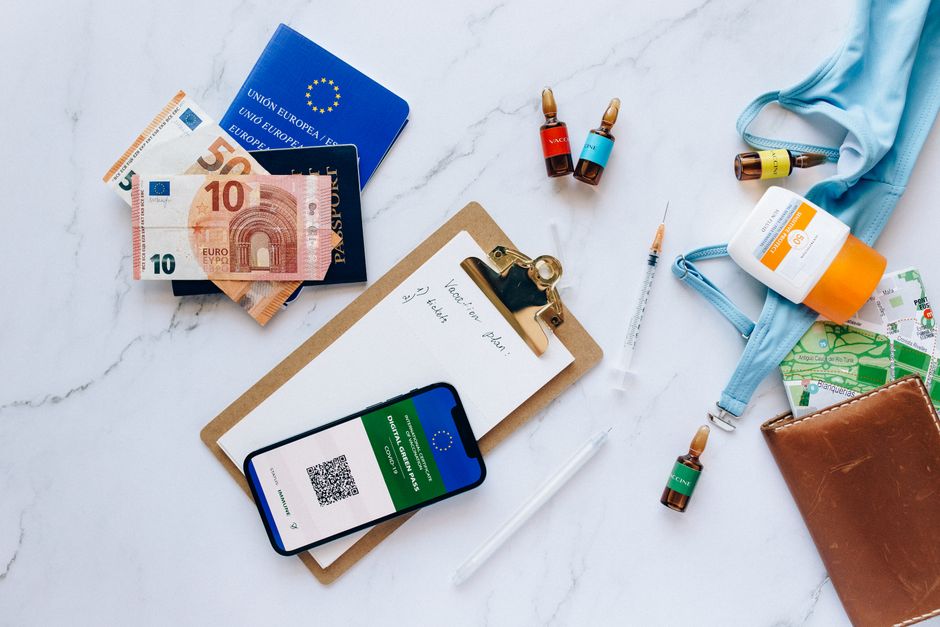
4. Submit the application on the day: minute-by-minute walkthrough at the drop-off centre
On appointment day, plan to arrive 30–45 minutes early. Here’s the standard flow and practical instructions.
Before you leave:
- Print the appointment confirmation and the payment page if any service fee is due.
- Wear smart casual clothes (it won’t affect the outcome but helps with reception) and don’t bring bulky items — some centres have no left-luggage service.
- Bring a means of payment (bank card) to pay visa fees (€80) and service charges (€20–30). Fees are payable at the counter by card at most centres; check whether cash is accepted.
On arrival (example for a TLScontact centre in Paris):
- Security check at the entrance (allow 5–10 minutes).
- Show your appointment confirmation at reception; staff will check your documents and direct you to the drop-off queue.
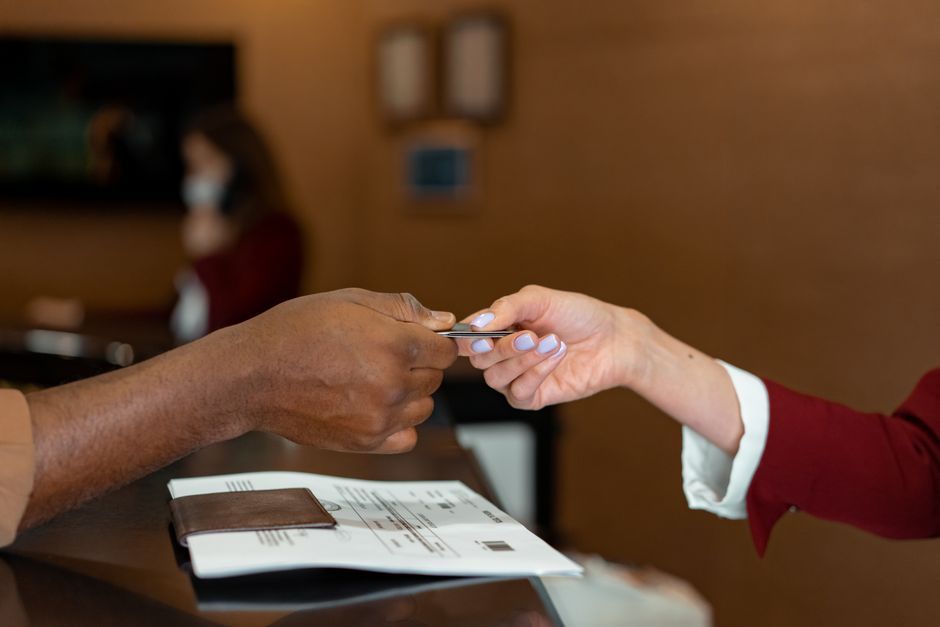
- At the counter, hand over the full file: the agent will verify original documents, take copies and scan the passport. You’ll sign a receipt for the submitted file.
- Fingerprinting: mandatory for travellers aged 12 and over (unless renewing within 59 months).
- Fee payment: €80 (visa) + €20–30 (service charge). Keep the receipts (file number).
Average time spent at the centre:
- Reception/check-in: 10–20 minutes
- Counter drop-off and biometrics: 15–30 minutes
- Total estimate: 30–60 minutes (allow 90 minutes in peak season)
After submission, you’ll receive a receipt with the file number and an estimated passport return date. If available, activate online tracking (link on the receipt) to monitor progress.
5. Track the file, possible responses and how to react quickly
Once the file is submitted, stay proactive: authorities may ask for additional documents. The standard timeframe is 15 calendar days, but it can be extended to 30 or 60 days in some situations.
How to track the file:
- Use the file number on your receipt to check status online (application centre website or embassy page).
- If additional documents are requested, send them quickly by email to the centre (clear scans) and bring the originals if required (address: TLScontact centre / Embassy — keep proof of sending). Respond within about 5 working days if possible.
- If you don’t hear back by the estimated date, contact the centre by phone (e.g. TLScontact Paris +33 (0)1 85 65 83 00 — verify the number on the site) or by email with your file number and a copy of the receipt.
Possible outcomes:
- Visa granted: collect your passport at the centre during the hours shown (often 10:00–12:30 and 14:00–16:30). Bring the ID used for submission and the original receipt.
- Visa refused: you’ll receive a letter explaining the reasons (lack of proof of accommodation, insufficient funds, non-compliant document). You can appeal or submit additional documents if time allows. Appeal deadlines and procedures are detailed in the refusal letter.
- Request for more information: provide the requested items quickly to avoid refusal.
Local tip: if your departure date is imminent and processing will exceed your travel date, ask the centre in person for a certificate that your file is in progress. Some airlines accept this to change or postpone bookings.
6. Get ready for arrival in Split: documents to show at the border and local logistics
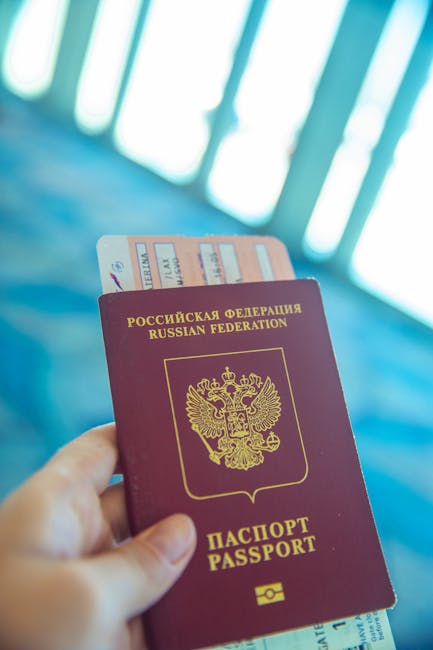
Even with a valid visa, border officers may ask you for supporting documents: proof of accommodation, insurance, return ticket and proof of funds. Prepare a folder with physical copies and digital backups on your phone.
Documents to keep handy during travel:
- Passport with the visa sticker (original).
- Hotel confirmation in Split (full name, address, phone). Sample accommodation: Cornaro Hotel, Trg Braće Radić 5, 21000 Split, Croatia — phone: +385 21 338 200 — print the confirmation.
- Travel insurance (policy + emergency number).
- Return ticket to France (printed or electronic) — proof you’ll leave the territory.
- Proof of funds (bank cards, recent printed statements).
Arrival in Split (SPU airport) — logistical points:
- Split Airport (Split — Resnik): Split Airport, SPU, Address: Luka Split, zračna luka, 21133 Kaštela, Croatia. Shuttles and taxis available; travel time to the Riva (old town waterfront): 25–40 minutes depending on traffic. Shuttle cost: about €4–6; taxi: €25–35 (metered, check official fare board).
- Ferry / car-ferry: if you arrive by sea (e.g. from Italy — Ancona or Bari), you’ll disembark at Split port (Riva) — port address: Luka Split, Obala Hrvatskog narodnog preporoda 1, 21000 Split.
Local tips for Split:
- Change a small amount into kuna (HRK) at the airport for initial expenses (transport); many places accept euros and cards but small vendors often prefer kuna/cash.
- Phone & SIM: buy a local SIM card (e.g. Hrvatski Telekom, T-Mobile Croatia, A1 Croatia) at the airport or downtown to stay reachable and use GPS.
- Local transport: the old town (Diocletian’s Palace area) is best explored on foot. Bring good walking shoes and a water bottle, especially in summer.
7. What to do in case of a refusal or emergency — appeals and fast solutions
A refusal is stressful, but there are concrete steps to take immediately: read the refusal letter, assess the reasons, and consider an appeal or a corrected new application.
Steps to follow if your visa is refused:
- Read the refusal letter included with your passport carefully: it must state the reasons and the avenues for appeal.
- If the reason is a missing or inadequate document (e.g. proof of accommodation or funds), prepare those documents immediately and contact the application centre to submit them. Typical contact: TLScontact Paris, 23 Rue de Berri, 75008 Paris — (check the exact address on your receipt) — email: [email protected] (example).
- If you believe the decision is incorrect, you can file an administrative appeal with the Embassy of the Republic of Croatia in Paris or take legal action before the competent authorities (deadlines and details are specified in the refusal letter). The appeal period is often 15 days from notification — respect this deadline strictly.
- Fast option: submit a new visa application. If you can fix the missing elements (e.g. prove a hotel booking), you can book a new appointment and submit a complete file. You’ll need to pay the fees again (€80) and possibly service charges.
- In an emergency (family death, hospitalization), request urgent handling from the embassy and attach supporting documents (medical certificate, death certificate); the embassy may prioritize certain cases.
Professional tips:
- Keep all traces of correspondence (emails, file numbers, receipts). These are useful for appeals or a follow-up application.
- If you’re short on time or the case is complex, consider a visa specialist (visa agency): typical fees €60–150 + official fees. Make sure it’s a reputable provider and request a written agreement specifying timelines and responsibilities.

Conclusion — Preparing your trip to Split: summary and practical timeline
Getting a Croatian visa from France for a trip to Split is entirely feasible if you follow a structured process. In short: first check whether you need a visa; if so, get your passport and residence permit in order, gather all supporting documents (precise Split accommodation bookings, return tickets, Schengen insurance, bank statements) and book an appointment at the designated drop-off centre (embassy or authorised provider). On the day, arrive early, bring originals + copies and be ready to pay the fees (€80 + around €20–30 service fee). Then track your file online, respond quickly to any requests for additional documents and prepare the documents you’ll need on arrival in Split (insurance, proof of funds, accommodation confirmation).
Quick action plan (48–72 hours before submission):
- Check passport validity (>= 3 months after planned return).
- Confirm and print the hotel/Airbnb reservation in Split with the exact address (e.g. Hotel Park Split, Ulica kralja Zvonimira 1, 21000 Split).
- Download and complete the visa application form; prepare 2 recent ID photos.
- Book the appointment online; print the confirmation and prepare payment.
Finally, good preparation reduces stress: organize your documents in a labelled folder, digitize everything and keep copies on your phone. If you plan to explore Split, book popular excursions in advance (visit Diocletian’s Palace, trips to Hvar and Brač) and check seasonal ferry timetables. Have a great trip to Split — between the waterfront strolls, the morning fish market and the sunsets on the Riva, the city is best enjoyed peacefully thanks to a well-prepared visa application.