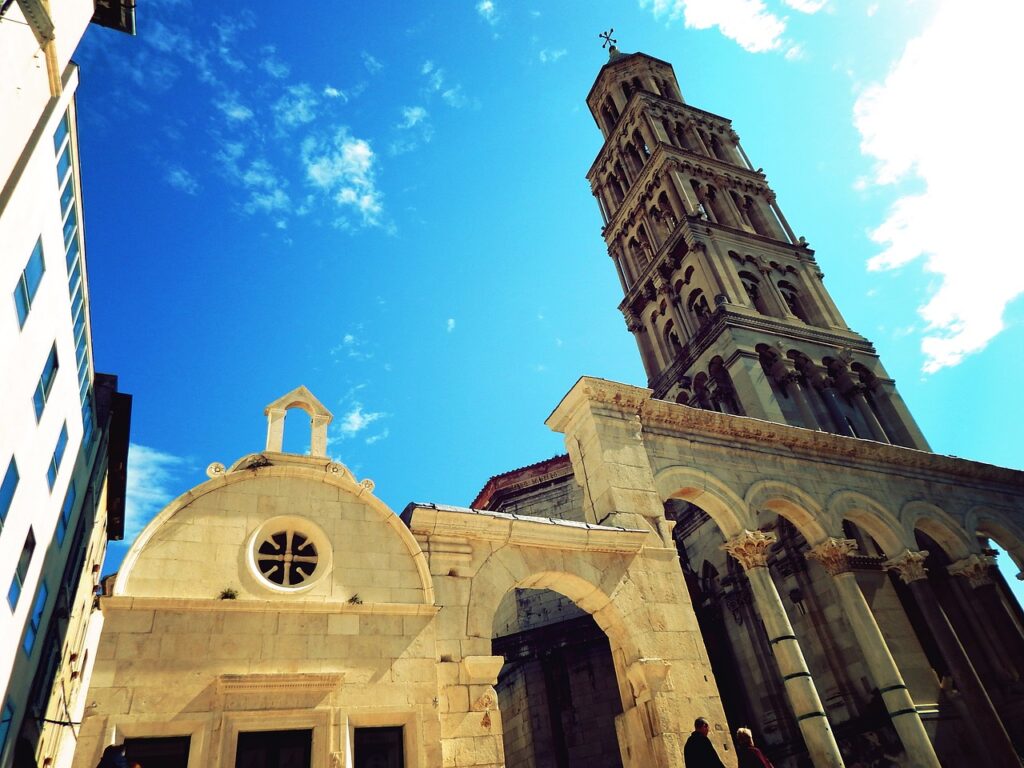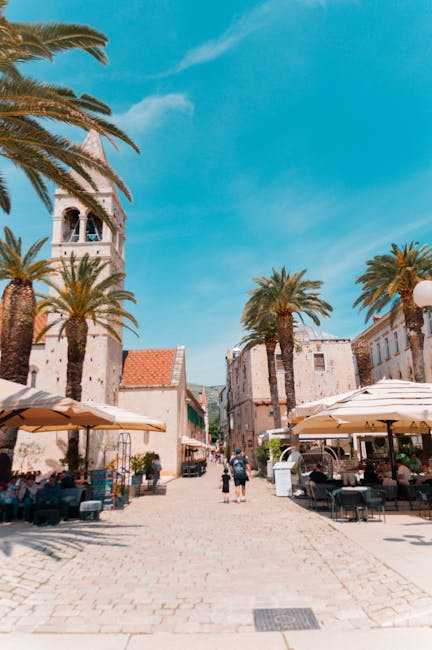






Introduction — Why Split and Trogir Are Both Worth Visiting
The Dalmatian coast of Croatia is full of historical treasures, but few places pack as much history, architecture and Mediterranean atmosphere into such a small area as Split and Trogir. Just 30 km apart, these two towns form an exceptional heritage pair: Split, larger and lively, built around the palace of the Roman emperor Diocletian; and Trogir, more compact and nearly intact, whose medieval center is a UNESCO World Heritage Site. Visiting one without the other risks missing a living conversation between Roman antiquity, Gothic artistry, Venetian Renaissance influences and contemporary urban life.
This article is a practical, immersive guide for anyone who wants to understand, explore and get the most out of a combined stay in Split and Trogir. It lists the main historical sites with exact addresses, indicative prices in euros, typical opening hours, and detailed descriptions that place each spot in its historical and sensory context. You’ll also find local tips — best times to visit, crowd-avoidance tricks, and suggestions for extending your visit with food experiences and coastal strolls.
Throughout the text you’ll learn why Diocletian’s Palace in Split is more than an archaeological site: it’s a city within a city where cafés, shops and apartments sit inside 1,700-year-old walls; and why Trogir’s compact old town offers a crystal-clear reading of Italian and Slavic architectural styles, with lanes that beg to be wandered. We’ll also explain how to manage logistics between the two towns — driving, bus or boat — and where to focus your time if your schedule is tight.
Whether you’re into ancient history, a photographer hunting for rare viewpoints, or simply curious about UNESCO-listed urban centers, this guide will give you the keys to appreciate the cultural imprint of Split and Trogir. The practical details (exact addresses, opening hours and prices in euros) will help you plan efficiently, while the descriptive notes and local advice will help you experience the places rather than just pass through them.
Finally, scattered through the article you’ll find visual cues 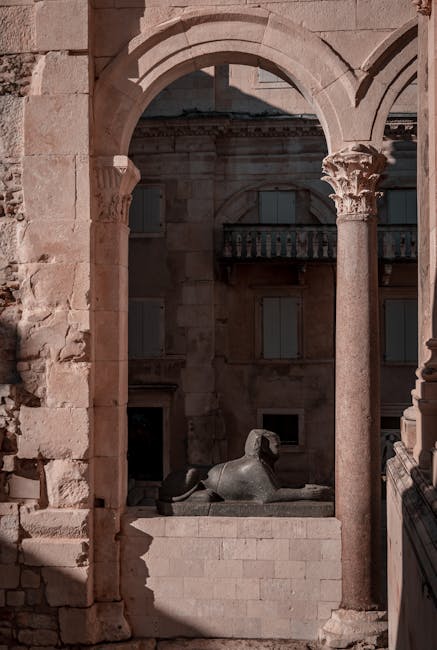
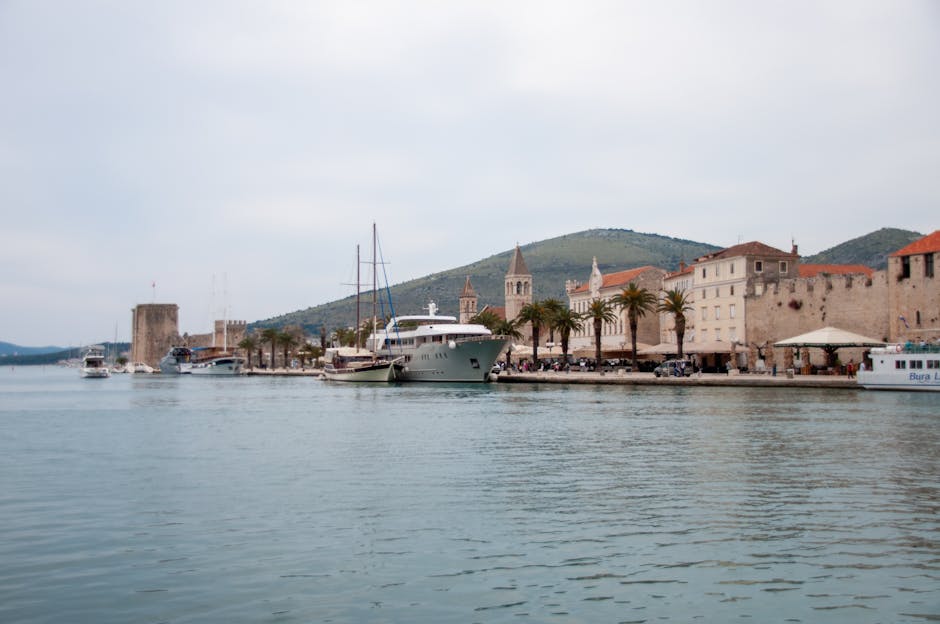 to help you picture these places before you go. Let’s dive into Split’s millennia-old history and the must-see heart of its palace.
Split: Diocletian’s Palace and the living ancient core (architecture, addresses, prices and hours)
Diocletian’s Palace (Peristyle), Dioklecijanova palača, Peristil 1, 21000 Split — this vast structure, built between 295 and 305 AD, is the backbone around which modern Split grew. The Peristyle (the central courtyard) is open free of charge 24/7, but several parts of the complex require tickets or have restricted hours: the Cathedral of Saint Domnius (Katedrala Svetog Duje) is located at Katedralni trg 1, 21000 Split. Entrance fees for the cathedral and bell tower: roughly €5 for the cathedral + €4 to climb the bell tower (indicative rates, season-dependent). Typical hours: 09:00–19:00 in high season (April–October), 09:00–16:00 in low season (November–March).
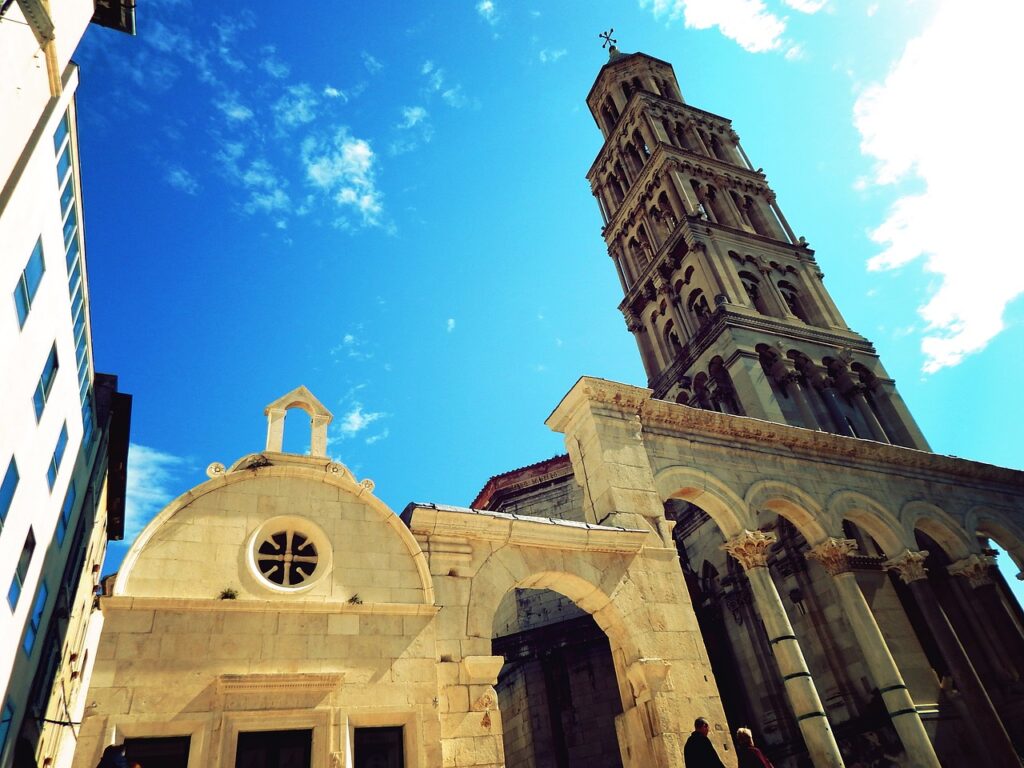
Don’t miss the basements of Diocletian’s Palace (Diocletian’s Palace basements) — Ul. Gaje 6, 21000 Split — well-preserved underground vaults that are sometimes used for exhibitions. Entry is around €7–€10 and typical hours are 09:00–17:00 (closed occasionally depending on the season). These vaults tell the palace’s origin story and offer a striking contrast between the monumentality above ground and the intimate geometry below.
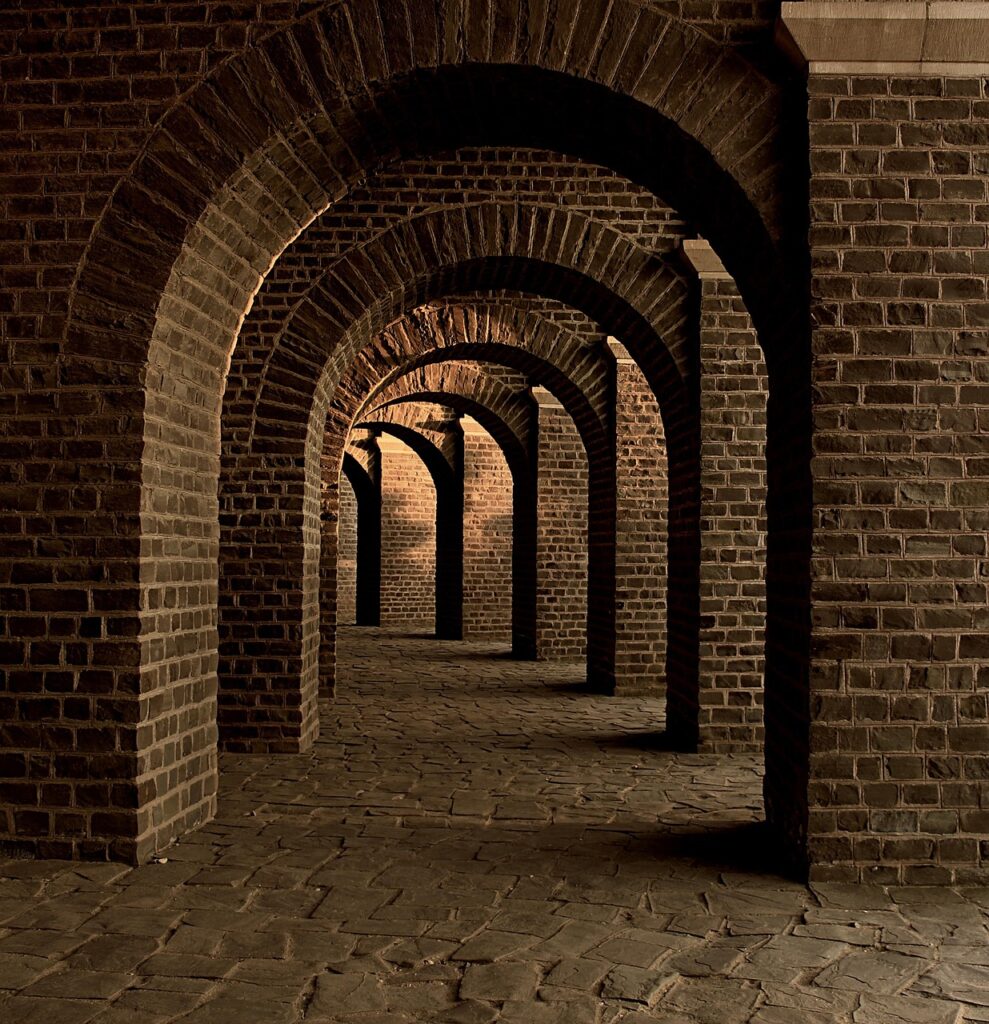
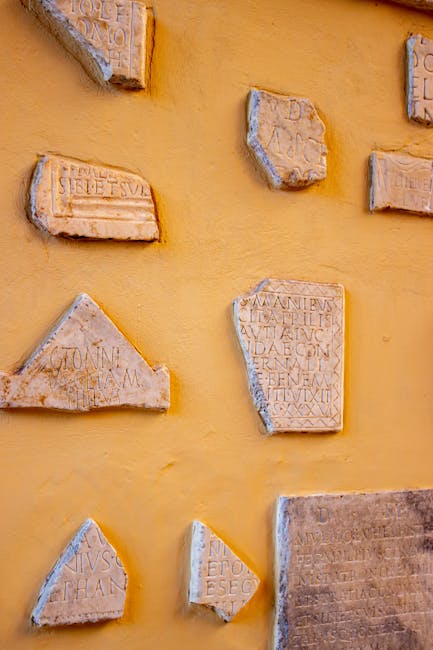
For modern art and cultural continuity, visit the Meštrović Gallery (Meštrovićeva Galerija): Ul. Ivana Meštrovića 46, 21000 Split. Fee: €6–€8; hours: 10:00–18:00 in high season, closed some Mondays off-season. Nearby, the Archaeological Museum Split (Arheološki muzej Split), Ul. Domaldova 6, 21000 Split, houses a strong collection of Roman and medieval artifacts. Entrance: around €4–€8; hours: 09:00–16:00 (times vary).
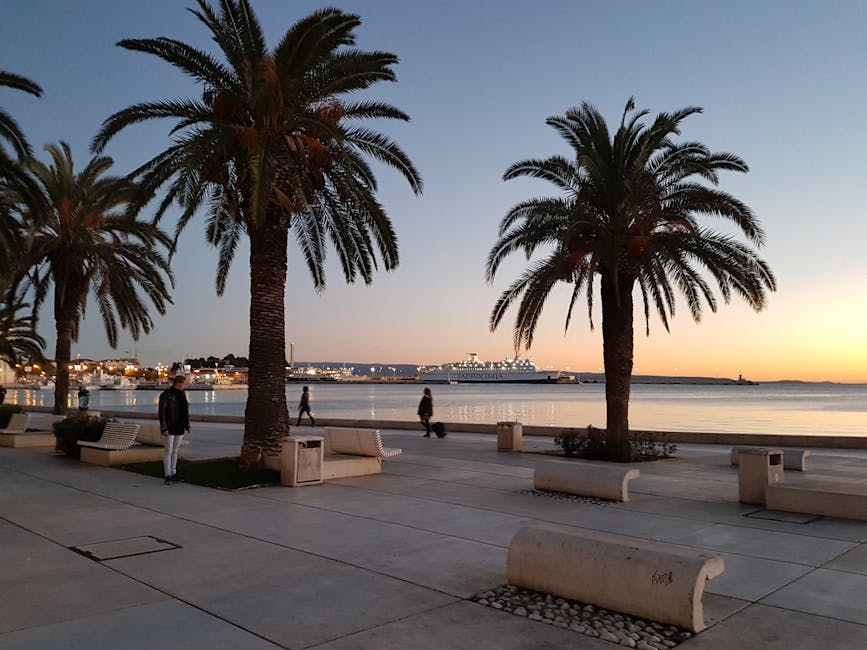
Split is also best experienced on foot: the Riva (Obala Hrvatskog narodnog preporoda) is the palm-lined seafront promenade with cafés and kiosks — perfect at sunrise or sunset. Local markets like the Green Market (Pazar) at Ul. Trg braće Radić offer a sensory immersion: cheeses, fresh figs, fish and the smell of warm bread. Prices vary; expect €3–€8 for street food or €12–€25 for a meal in a good konoba (traditional tavern) near the palace.
Local tips: arrive early at the Peristyle (7:30–9:00) to beat cruise crowds and enjoy soft light for photos. Climb the cathedral bell tower for panoramic views over Split and the harbor. If you want a deeper guided tour (English/french), many guides run 90-minute tours from €25–€40 per person; book ahead in high season.
Trogir: the compact, perfectly preserved medieval town (monuments, addresses, prices and hours)
Trogir sits on a small island connected to the mainland and to Čiovo island by two bridges. Its historic center is UNESCO-listed and can be explored in an immersive half-day. The natural starting point is the Cathedral of St. Lawrence (Katedrala Sv. Lovre) at Trg Ivana Pavla II 1, 21220 Trogir. Don’t miss climbing the bell tower for a breathtaking view of the red-tiled roofs and the harbor: fee about €4–€6; hours typically 09:00–18:00 in season (closing times vary in low season).
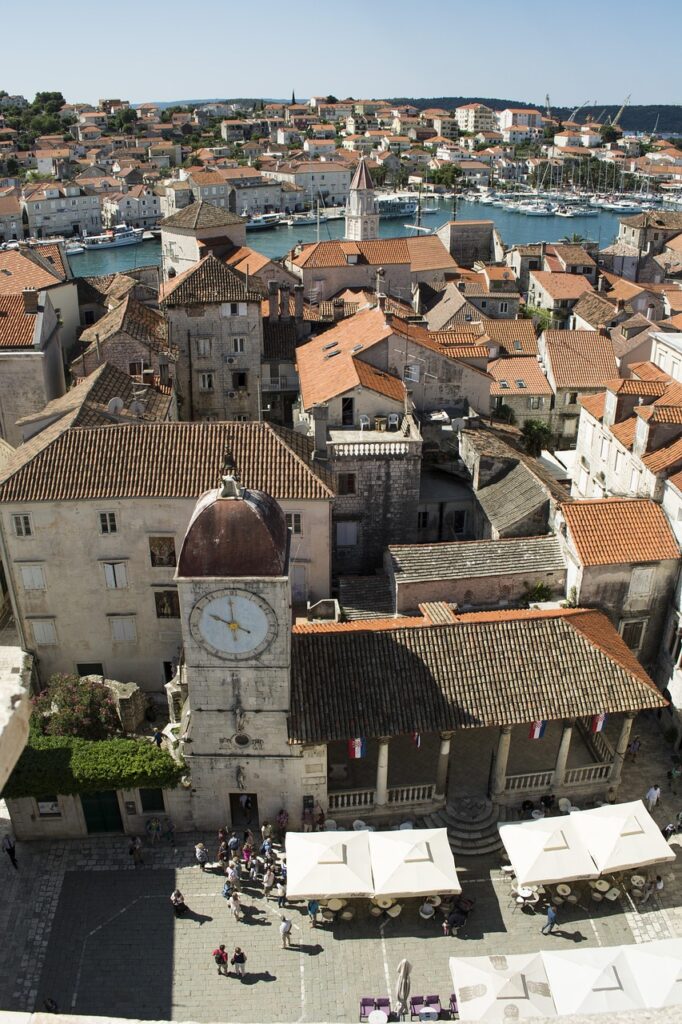
Just a short walk away is the Kamerlengo Fortress (Tvrđava Kamerlengo), Trg Matije Gupca 1, 21220 Trogir — a 15th-century Venetian fortress overlooking the sea. Entry: around €3–€5; hours: 09:00–19:00 in summer, 10:00–16:00 off-season. The top of the ramparts is a great spot for photographing the fortifications and the boat traffic between Trogir and Split.
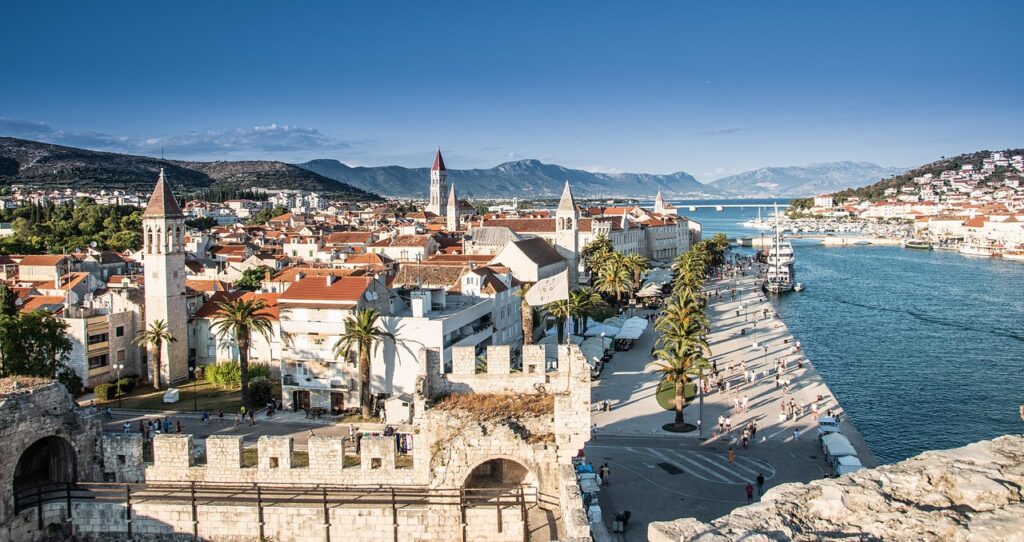
The Trogir Town Museum (Gradski Muzej Trogir) displays local artifacts and the town’s history. Address: Trg Ivana Pavla II 3, 21220 Trogir. Fee: €3–€5; hours: 10:00–17:00, closed some days of the week depending on season. The Chapel of St. John (Sv. Ivan Chapel) and the Cipiko Palace (Kaštel Cipiko) are essential stops to understand the wealth and influence of the patrician families who shaped the town.
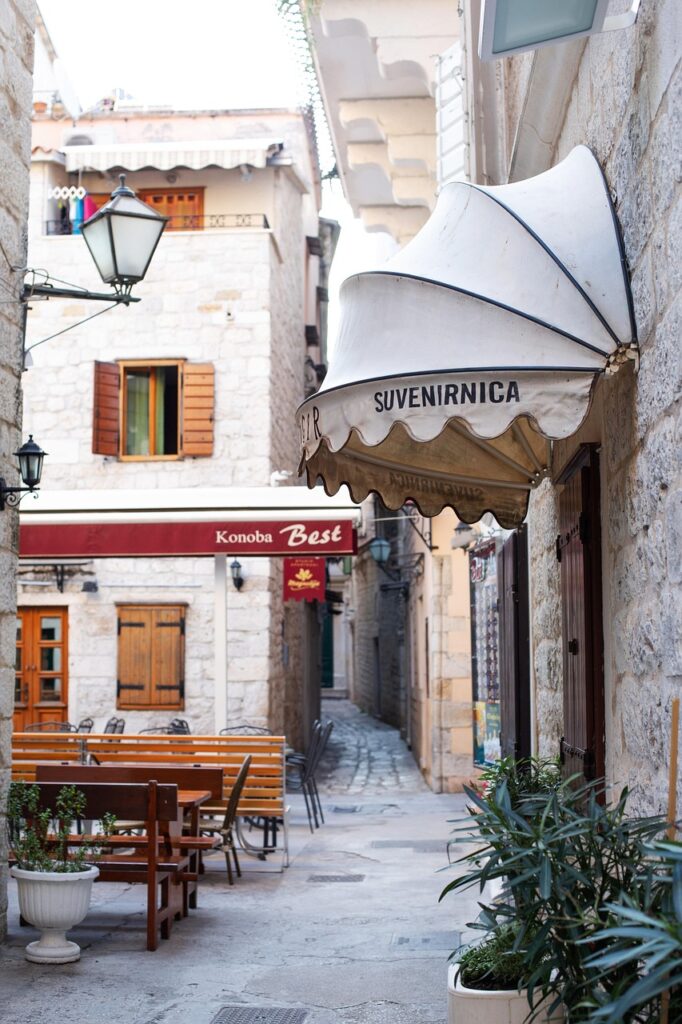
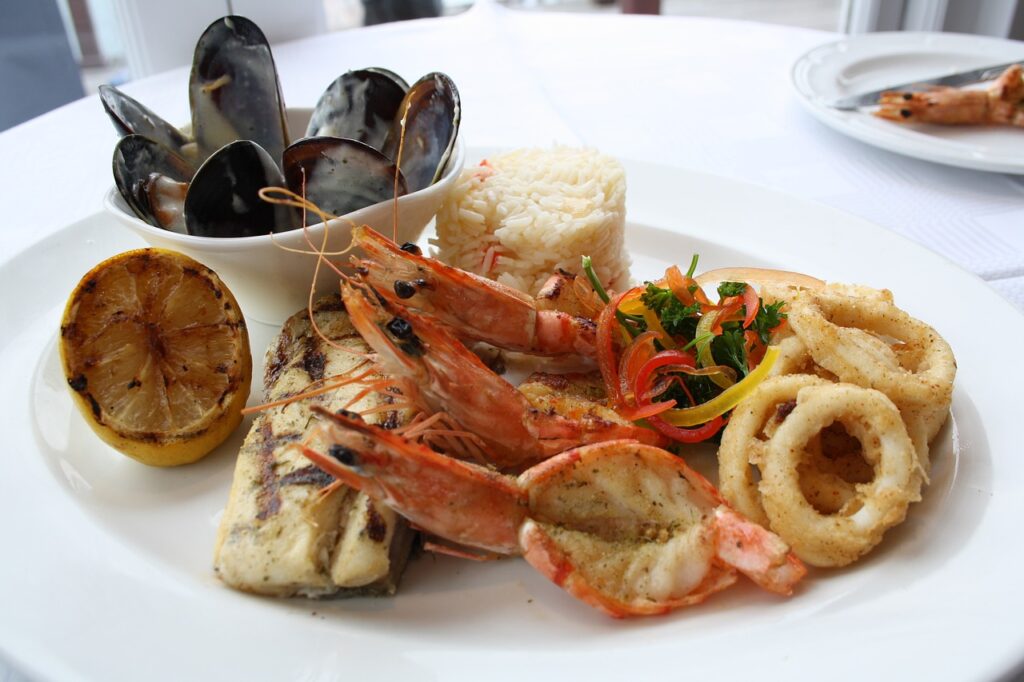
Stroll the harbor promenade along Obala bana J. Jelačića, where fish restaurants and cafés cluster. Dalmatian coastal dishes — grilled calamari, brodet (fish stew), and pasta with Dalmatian pesto — range from €8 to €20 depending on the restaurant. For a simpler local taste, try the stalls and konobas along the waterfront: a hearty meal can cost €10–€15 per person.
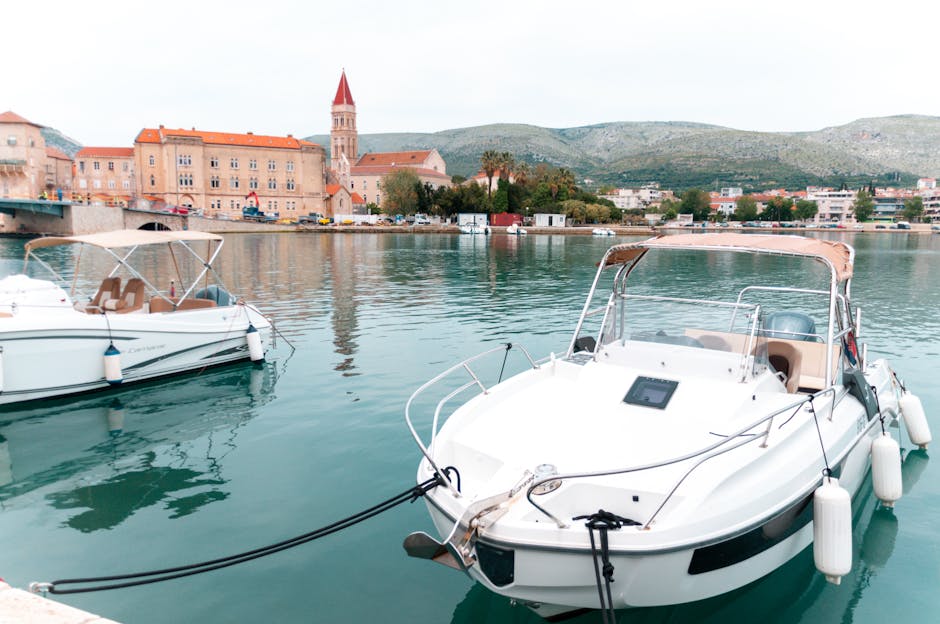
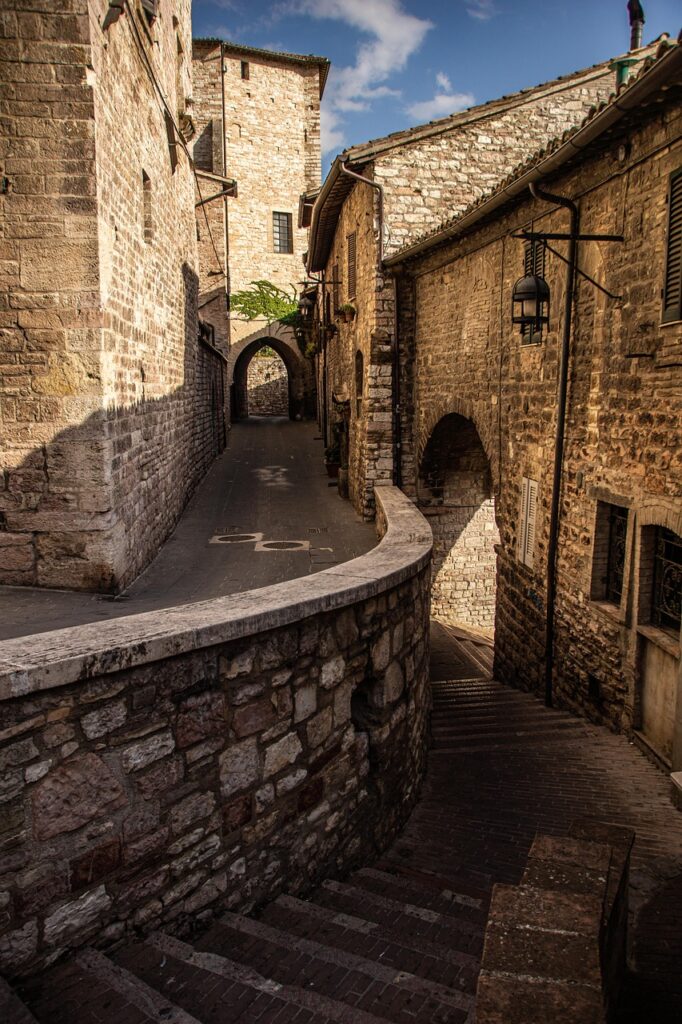
Local tips: Trogir is best visited early in the morning (7:30–10:00) or in the late afternoon (16:30–19:30) to avoid cruise ship crowds. Wear comfortable shoes — the cobbles are uneven and can be slippery. If you’re short on time, focus on the cathedral/bell tower, Kamerlengo, and a walk along the waterfront to capture the town’s essence.
How to plan combined visits: logistics, transfers, recommended itineraries
Getting between Split and Trogir is straightforward and offers several options depending on your budget and time priorities. By car, the drive takes about 30 minutes via the D8 road; expect parking fees: in Split, paid parking around the palace (blue zones and paid areas) ranges from €1–€2/hour; in Trogir, peripheral parking often costs €6–€12/day. Useful address for Trogir’s official parking: Parking Ulica Dr. Franje Tuđmana 2, 21220 Trogir (rates vary by season).
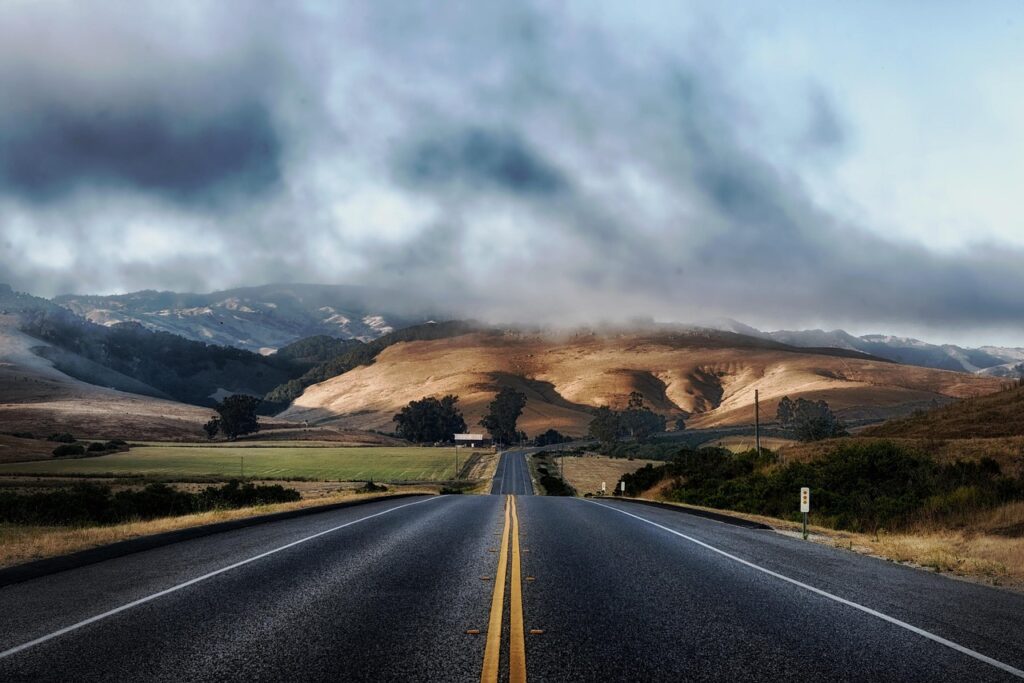
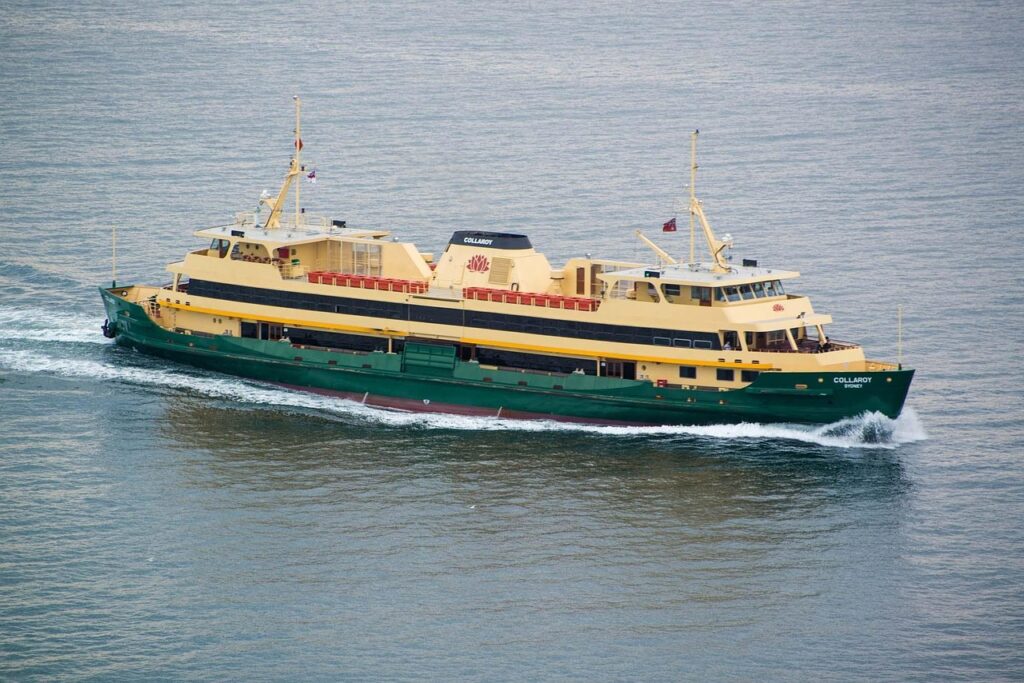
By bus, the Split–Trogir connection is frequent (about 20–40 minutes). Departures are from Split bus station (Autobusni Kolodvor Split, Ul. Domovinskog rata 5, 21000 Split). Fare: €3–€5 per trip. Buses run every 30–60 minutes in high season; check schedules at ticket offices or on local websites. If you prefer the sea, water taxis and ferries connect the two towns and provide a scenic crossing (fares vary: €6–€15 depending on the company and season).
Recommended itineraries:
– Half-day combined (quick): morning in Trogir (cathedral + fortress), waterfront lunch, return to Split for an afternoon at the palace and the Riva.
– Full day (leisurely): morning in Split (basements, Peristyle, cathedral), lunch in the old town, transfer to Trogir in the afternoon to visit the museum, climb the bell tower and enjoy sunset near Kamerlengo.
– 2-day stay: day 1 devoted to Split with a guided palace tour and archaeological museum; day 2 for Trogir with deeper exploration of medieval palaces, markets and small local art galleries.
Practical tips: buy skip-the-line tickets for the most popular sites during July–August; carry a small bottle of water and a hat — narrow streets retain heat. If you have a regional tourist card (Split Card or local pass), check whether it offers discounts for museums and monuments.
Cultural experiences, food discoveries and local tips to deepen your visit
Beyond monuments, the essence of Split and Trogir is in the sensory details: the smells of Dalmatian cooking, voices echoing up palace stairways, the slanting light on the ramparts. To taste local tradition, seek family-run konobas (traditional restaurants): in Split try Konoba Matejuška (Obala Hrvatskog narodnog preporoda 1, Riva area); in Trogir opt for Konoba Tri Volta (Ulica Gaje 2) or spots recommended by locals. Meal budgets: main courses €8–€25; dessert and coffee €2–€5.
Join an olive oil tasting or a short local cooking workshop (prices: €25–€60 depending on length and producer). The markets are perfect for buying artisanal products: in Split check the Fish Market (Ribarnica, on the Riva) and the Green Market (Pazar); in Trogir wander around the main square’s market stalls for honey, herbs and regional cheeses.
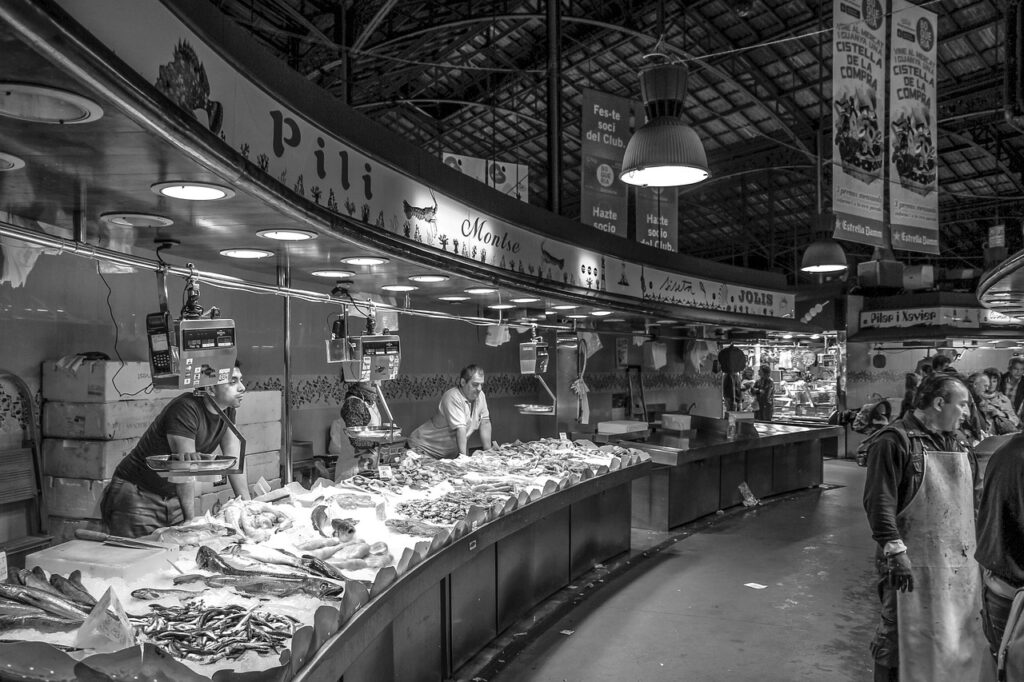
Photographers should aim for the Split cathedral bell tower at sunrise, and Kamerlengo ramparts in Trogir for sunset. Seafront walks early in the morning reveal an almost untouched atmosphere: fishermen, stall vendors setting up, and cafés opening their doors. Lastly, if you have time, extend your stay with a boat trip to nearby islands (Brač, Šolta): day cruises typically cost €25–€60 depending on the itinerary.
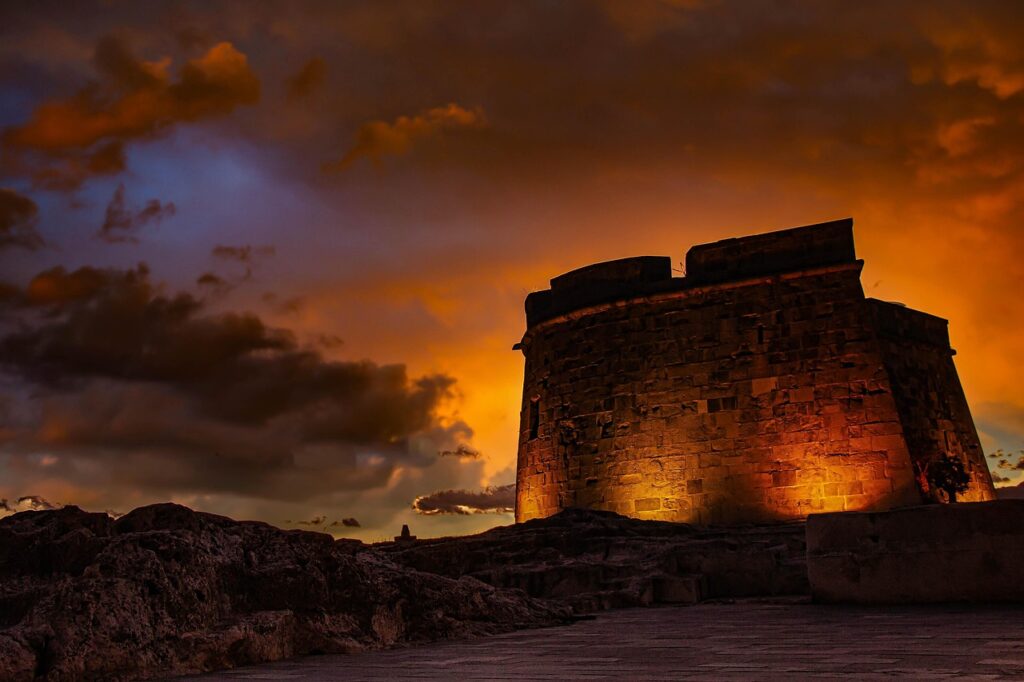
Final local tips: exchange a few words in Croatian (Hello = Dobar dan) to win smiles; avoid cruise-ship peak hours (10:00–15:00) at major sites; prefer cash for small market purchases (euros are sometimes accepted, but the kuna is still common). With these pointers, your visit to Split and Trogir will feel both historically rich and deeply human.
Conclusion — A complementary, unforgettable heritage route
Visiting Split without going to Trogir, or vice versa, is like reading only one chapter of a novel where each town plays a distinct but complementary role. Split, with Diocletian’s Palace woven into the modern urban fabric, offers an experience where antiquity is part of everyday life: cafés tucked between Roman columns, residents whose apartments open onto centuries-old courtyards, and museums that tell the city’s evolution. Trogir, by contrast, reads like an almost pristine page from the Middle Ages and the Renaissance: fortresses, bell towers and palaces that respond to one another on a human scale perfect for contemplative wandering.
This guide has given you exact addresses, prices in euros, general opening hours and practical tips to optimize your visits. It has shown how to structure your days, which sites to prioritize depending on the time you have, and how to live each place beyond the tourist snapshot. With smart planning — arriving early at monuments, booking guided tours for the densest historical chapters, and mixing walks, museums and culinary experiences — you’ll capture not only architecture and dates, but the sounds, smells and moments that make these towns come alive.
Ultimately, Split and Trogir both deserve a visit because together they offer a full narrative of Dalmatian history: from the Roman Empire to Venetian rule and through modern reinventions. They also provide complementary experiences — palace grandeur and medieval finesse — and each deepens your understanding of the other. When you leave these shores you’ll carry images of sunlit peristyles, red tile roofs, stone walls bathed in golden light, and above all the memory of a coast where history is read in the very fabric of the stone and savored in every meal.