





Introduction — Understanding Length of Stay and Renewals for Tourists in Split
Split, Croatia’s second-largest city and a gem of the Dalmatian coast, draws millions every year with its unique blend of Roman history, lively maritime life and easy ferry access to nearby islands. For any traveler, knowing the rules about how long you can stay and how to extend that stay is essential to avoid administrative headaches. This guide explains, clearly and practically, what tourists can expect regarding visa-free maximum stays, how to register in Split, where to apply for extensions, and what penalties apply if you overstay. It also lists useful addresses, typical opening hours, estimated costs in euros and local tips to make the process smoother.
Since Croatia joined the Schengen Area, border and short-stay rules have been aligned with Schengen regulations: the basic rule for short visits is 90 days within any 180-day period for nationals who don’t need a visa. If you want to stay longer — for work, study, family reunification or temporary residence — you must start the appropriate procedures with the relevant Croatian authorities, chiefly the Ministry of the Interior (MUP) and its local offices. In Split, several local services can help foreigners: the tourist office for the tourist tax and visitor registration, police units for immigration matters and, when needed, consular offices or immigration lawyers for more complex procedures.
In this guide you’ll find concrete, hands-on descriptions: how check-in/registration works on arrival, where to pay the tourist tax (and typical costs in euros), which documents to prepare to request an extension, and expected timelines and fees. Practical advice — for example, how to correctly calculate your 90 days in a 180-day period, where to get a proof of accommodation, or how to avoid falling into irregular status — is included to reduce stress and risk. The following sections also give exact addresses in Split for the procedures, common opening hours and local recommendations (best times to visit offices, payment options, useful contacts).
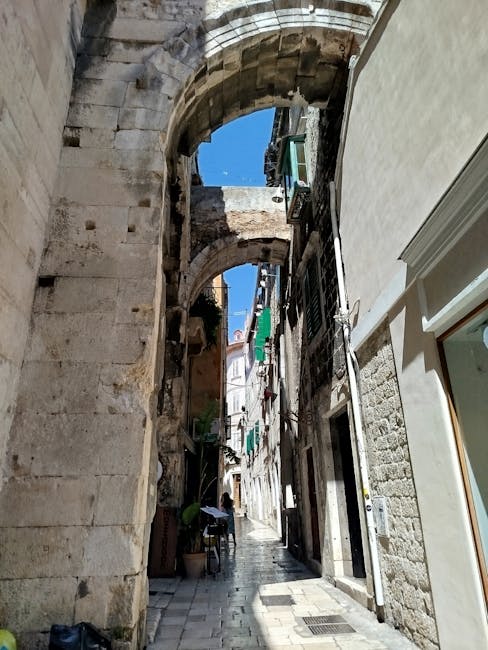
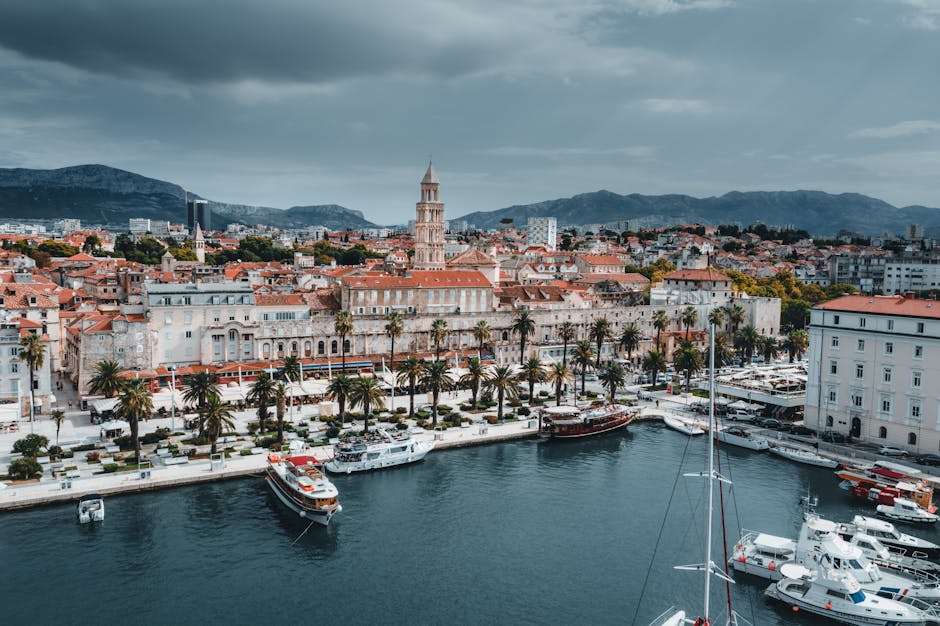
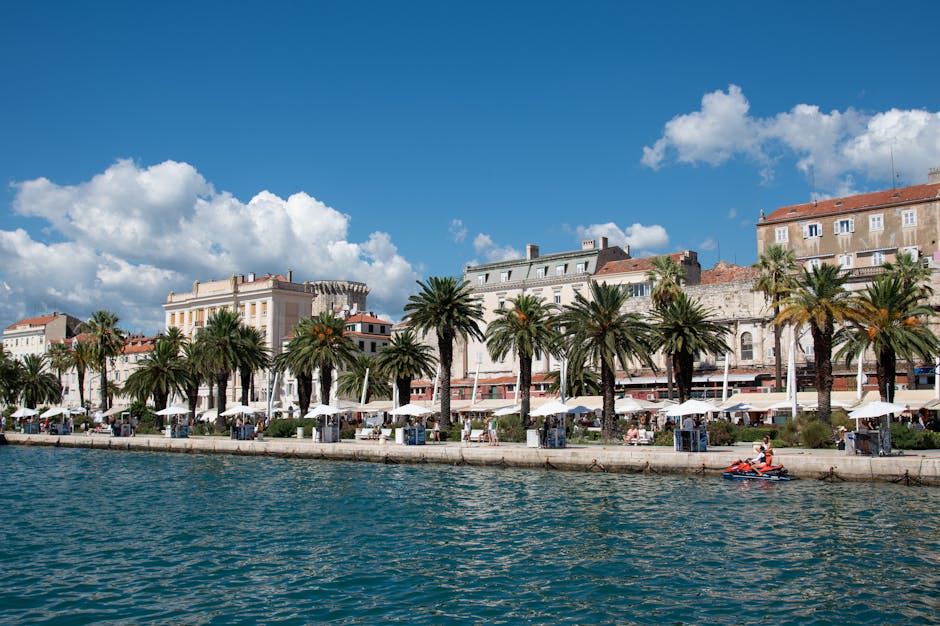
Finally, to make the guide more user-friendly and visual, image placeholders are included at strategic points to illustrate scenery, administrative buildings and local landmarks mentioned. These photos are meant to help you locate places when you arrive. The goal: provide a complete, professional guide so you can manage your length of stay in Split calmly and, if needed, handle a renewal without surprises.
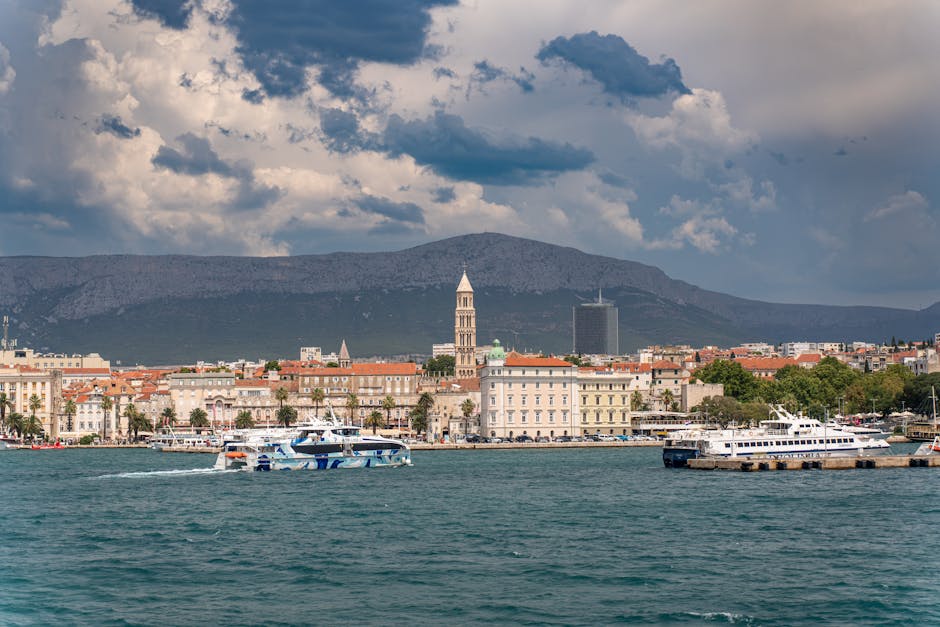
General Rules on Length of Stay: The Legal Framework (90/180 Days) and How It Applies in Split
The most important rule for a tourist in Split is the Schengen 90/180 rule. In practice, if you don’t need a visa to enter Croatia, you’re allowed up to 90 days in total within a rolling 180-day period. Croatia, as a Schengen member, counts movements between Schengen states towards this total. For example, if you spent 30 days in France and then 60 days in Croatia, you’ve reached the 90-day limit and must leave the Schengen Area before you can return freely.
Calculating these 90 days can feel abstract; here’s a practical method: count the days you’ve spent in all Schengen states during the 180 days leading up to your intended entry or exit date. Online calculators (available on government sites) can do this automatically. Important: arrival and departure days are counted. Always keep your passport or ID with entry/exit stamps; in case of checks in Split (by police or port authorities), these documents are the most reliable proof.
For stays longer than 90 days you must apply for a temporary residence permit before your authorized period expires. Accepted reasons vary: studies, work, family reunification, humanitarian grounds or permanent residence with the required documentation. In Split, the process usually starts with submitting an application to the competent service indicated by the Croatian Ministry of the Interior (MUP). Documentation requirements are strict: completed form, valid passport, passport photos, proof of accommodation, proof of financial means, health insurance and sometimes a criminal record certificate, translated and apostilled.
Penalties for overstaying: if you remain longer without authorization, you risk fines (usually calculated in kuna but sometimes converted to euros), an obligation to leave the country, a future entry ban for a set period and, in some cases, enforced removal. Border police officers and the Policijska uprava Splitsko-dalmatinska can impose and enforce these penalties locally in Split.
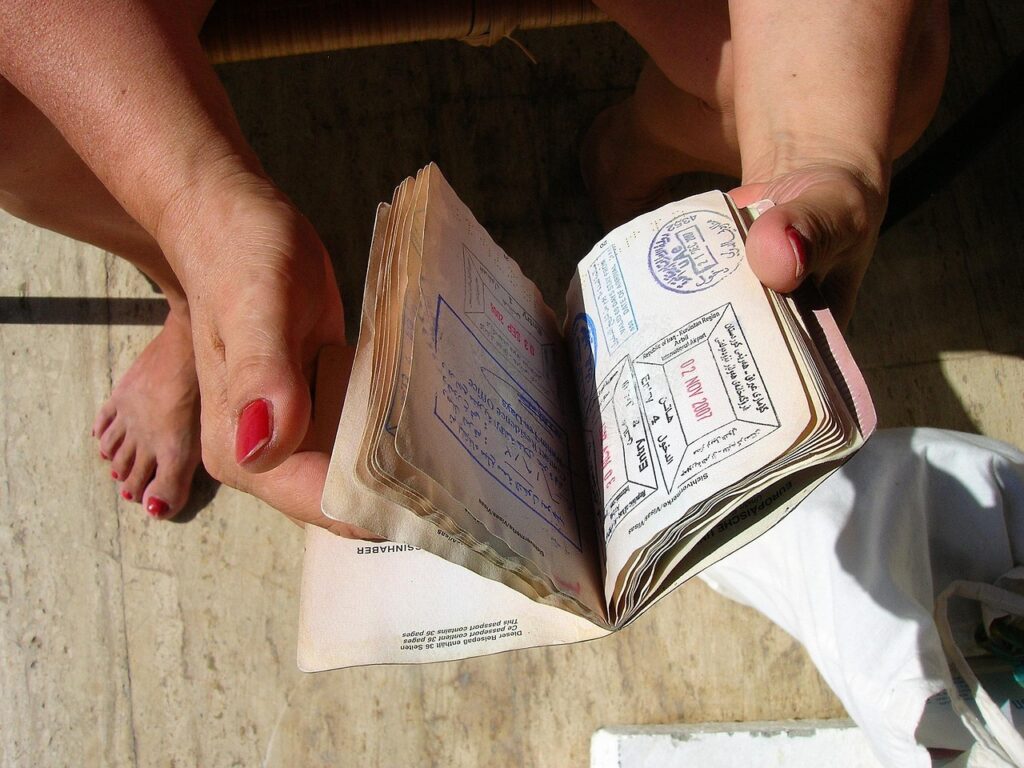
Registration in Split and the Tourist Tax: Where to Go, Addresses, Hours and Fees
On arrival in Split, two administrative tasks might concern you right away: registering your accommodation (if you’re staying in a private rental or with a host) and paying the tourist tax. Hotels, guesthouses and campsites normally handle these formalities automatically. If you rent an apartment or stay with a private host, the host is obliged to register your stay with the local Tourist Office and collect the tax.
Split Tourist Board (Turistička zajednica Grada Splita)
- Address: Trg braće Radić 1, 21000 Split, Hrvatska (near the Riva)
- Hours: Monday–Friday 08:00–16:00, Saturday 09:00–13:00 (seasonal hours may apply)
- Services: tourist information, printing tourist tax receipts, registration for non-hotel visitors
Tourist tax (variable by season and category) — indicative amounts in euros:
- Low season: roughly €0.90 to €1.35 per person per night
- High season (1 July – 31 August): roughly €2.00 to €2.70 per person per night
- Children (0–12 years): often exempt or discounted
Practical example: if you stay 7 nights in a rented apartment in high season and the tax is €2.50/night, the total will be €17.50 per person. Always ask for an official receipt; proof of registration may be required during a police check. To make things easy, confirm your host provides the registration form (« Prijava boravka ») and a receipt for the tax payment.
Local tips: to avoid queues at the Tourist Office, go during off-peak hours: early morning (08:30–10:00) or late afternoon (15:00–16:00). Payments are usually accepted in kuna or by card; some offices accept euros, but the exchange rate may be less favorable. Always keep a paper copy of the receipt.

Renewing and Extending Your Stay in Split: Procedures, Addresses, Costs and Practical Advice
If you’re thinking of extending your stay beyond the 90 days allowed under Schengen rules or applying for a temporary permit, you must start the process before your legal period expires. In Split, the main authority handling residence and extension requests is the Ministry of the Interior (MUP). For local procedures, you’ll deal with the relevant county units; when matters are complex, many foreigners consult immigration lawyers or local agencies that help with translations and preparing application files.
Foreigners Affairs Office – MUP (example address for contact and information; verify on the official website before you go):
- Name: Policijska uprava Splitsko-dalmatinska, Odjel za poslove s strancima
- Approximate address: Ulica Domovinskog rata 72, 21000 Split (check exact location online)
- Hours: typically Monday–early Friday 08:00–15:00; some services by appointment
Documents usually required for an extension or permit application:
- Valid passport (copy and original)
- Completed application form (available at the counter or online)
- Proof of accommodation (rental contract or signed hosting statement)
- Proof of financial means (bank statements, employer letter, scholarship confirmation)
- Health insurance covering Croatia
- Recent passport photos
- Administrative fees: variable, usually €50 to €200 depending on the permit type
Timelines and costs: processing can take several weeks. Fees vary: a simple tourist extension may cost around €50–€100, while a temporary permit for work or study can be €150–€200 or higher depending on extra services (translations, apostilles, checks). Official payments are often required in kuna at the counters, though some offices accept cards or euros (it’s advisable to change to kuna at a bank or exchange office).
Practical tips for Split:
- Book an appointment in advance: many services operate by appointment (online or by phone).
- Prepare a complete file: missing documents lengthen processing times; include copies and certified translations if asked.
- Keep all payment receipts and appointment confirmations.
- Hire a local lawyer for complex cases (costs vary, typically €100–€300 for standard assistance).
- Comply with deadlines: start the process at least 30 days before your legal period ends to reduce the risk of irregular status.

Conclusion — Travel in Split with Peace of Mind: Key Takeaways and Recommendations
Split is a wonderful destination for short trips and longer stays alike, but peace of mind comes from understanding stay rules and administrative procedures. The Schengen 90/180-day rule is the baseline: follow it carefully and calculate your days before any return to the Schengen Area. For short stays, make sure you register properly and pay the tourist tax; local offices like the Turistička zajednica Grada Splita (Trg braće Radić 1, 21000 Split) handle these formalities and issue receipts. Keep these documents on hand during your travels.
For stays beyond 90 days, start renewal procedures well in advance with the competent services at the Ministry of the Interior (MUP) and local Split offices. Put together a complete file (passport, proof of accommodation, financial means, insurance) and budget for administrative fees (typically €50–€200 depending on the request). Book appointments, aim for off-peak hours and keep all receipts. If procedures seem complex, seek advice from an immigration lawyer or a local agency familiar with Split’s practices and the translation/apostille requirements for documents.
By following these practical steps — calculating your 90 days, registering, paying the tourist tax, preparing a full application and booking appointments — you can turn a potentially stressful administrative process into a manageable one. Enjoy the alleys of Diocletian’s Palace, the cafés along the Riva and the ferries to Hvar or Brač, all while staying compliant: that way you can savor Split without interruption and come back one day with a clear conscience.