





Introduction — Passport, ID Card or ESTA: What You Really Need to Visit Split
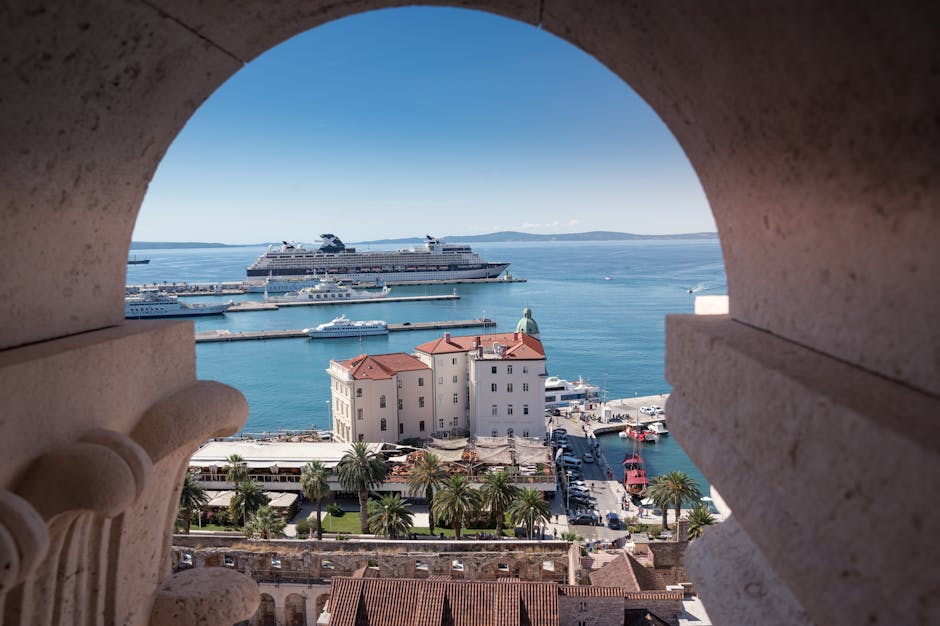
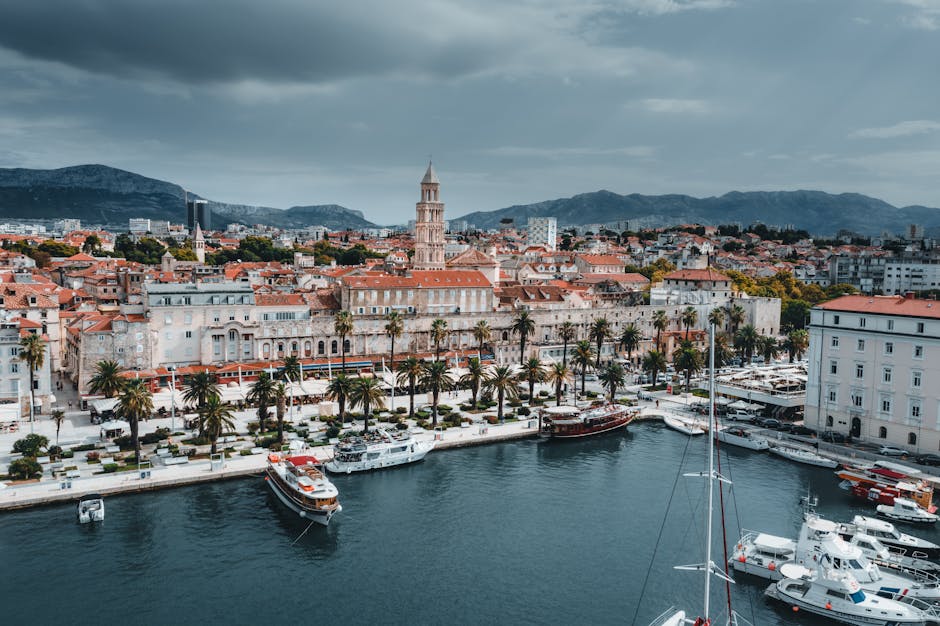
Split, Croatia’s second city and the gateway to the Dalmatian islands, draws millions every year with its Roman heritage, bustling harbors and turquoise coastline. Before you book your flight and picture wandering the alleys of Diocletian’s Palace, it’s essential to know the entry rules: who needs a passport or ID card, what validity requirements apply, whether a visa is required, and — for travelers from the United States — whether an ESTA affects access to Croatia. This practical, up‑to‑date guide clearly explains what you need to travel to Split without unwelcome surprises.
The answer depends on your nationality, the length and purpose of your stay. Citizens of the European Union (EU) and the Schengen area can enter Croatia with a valid national ID card; since Croatia joined Schengen, entry rules now follow Schengen standards. For third‑country nationals (post‑Brexit UK, United States, Canada, Australia, etc.), tourist stays up to 90 days within a 180‑day period are generally visa‑free: most travelers don’t need a visa provided they hold a passport that meets the validity requirements. Those criteria include remaining validity and, in some cases, the passport’s issuance date.
Many people confuse ESTA and ETIAS: ESTA (Electronic System for Travel Authorization) is a US system for entering the United States and is not required for Croatia. ETIAS (European Travel Information and Authorization System), on the other hand, is a European pre‑travel authorization intended for some visa‑exempt third‑country nationals and may eventually apply to travel to Croatia. At the time this guide was written, practical details and the exact start date for ETIAS were still subject to change: always check official sources before you travel.
This guide covers practical steps for Split: documents accepted at the airport (Split Airport, Resnik, Kaštela 21203), checks at the ports (Port of Split, Obala kneza Domagoja 1, 21000 Split), useful administrative offices, indicative costs (prices in euros for visas and services), opening hours and local tips (queues, quicker alternatives, useful contacts). Whether you’re an EU, UK, US or other national, you’ll find a complete overview of entry requirements, on‑the‑ground formalities and tips to avoid unpleasant surprises on arrival in Split.
1) For European Union Citizens: ID Card or Passport?
EU citizens (including those from member states holding a national ID card) can enter Croatia with a valid national ID card or a passport. Since Croatia joined the Schengen area, external border controls follow Schengen rules. Here’s what to know when traveling to Split as an EU national:
- Accepted document: a valid national ID card (secure plastic ID) or a passport. A damaged or unreadable ID card may be refused; use your passport if there’s any doubt about the condition of your ID.
- Validity: your ID card or passport should be in good condition. There’s no single “3 months after departure” rule for EU citizens traveling within the Union, but it’s wise to have a document that remains valid for at least 3 months after your planned return — especially if you plan to continue on to non‑EU countries.
- Arrival checks: at Split Airport (Zračna luka Split, Resnik, 21203 Kaštela), border police may check your identity. When arriving by ferry at Port of Split (Obala kneza Domagoja 1, 21000 Split), checks are common in high season: allow an extra 10 to 30 minutes for formalities.
- Practical tips: carry both a digital copy and a paper copy of your ID/passport. If you lose your ID in Split, contact your nearest consulate or embassy (for example the embassy/consulate in Zagreb) or local municipal services to report the loss and obtain an emergency travel document.
EU citizens enjoy significant freedom for short stays (tourism, business); for stays over 90 days or for working/studying you must register residency with local authorities (Ured državne uprave – regional administrative offices). In Split, local administration services are handled at municipal offices and at the Policijska uprava Splitsko‑dalmatinska for residency‑related formalities.
2) For UK, US, Canadian and Australian Nationals: Passport, Visa and Length of Stay
Since Brexit, British citizens are treated as third‑country nationals. For most visitors from the UK, the United States, Canada and Australia, Croatia allows visa‑free stays of up to 90 days within a 180‑day period for tourism and business. Practical points are as follows:
- Passport required: a valid passport is necessary. Authorities recommend at least 3 months of validity beyond your planned departure date from the Schengen area/Croatia. Some governments (e.g. the UK) advise 6 months depending on the destination, but for Croatia 3 months is generally sufficient if the passport was issued less than 10 years ago.
- Visa: no tourist visa is required for stays up to 90 days for most British, American, Canadian and Australian passport holders. If you plan to stay more than 90 days, study, work or apply for residence, you must apply for a national visa or residence permit before arrival or promptly with Croatian authorities once on site.
- ESTA and Croatia: note the common confusion: ESTA (Electronic System for Travel Authorization) is a US program and has no bearing on entry to Croatia. US citizens do not need an ESTA to enter Croatia; they must present a valid US passport and meet the visa‑free stay conditions.
- ETIAS: a European electronic travel authorization (ETIAS) is planned for certain visa‑exempt travellers to the Schengen area. At the time of writing, details and the exact implementation date may change: check official EU announcements and the Croatian embassy before you travel.
On arrival at Split Airport expect standard immigration checks. Lines can be long in high season (June–September): allow 30 to 60 minutes if you have a tight connection. Arrivals by ferry are often less formal, but always keep your passport handy. Practical fares: the Aračevica / Klis shuttle from the airport costs about €6.50 per person to Split bus station (autobusni kolodvor), and a taxi from Split Airport (Resnik) to the Old Town runs roughly €30–€40 depending on time and traffic.
3) For Travelers from Visa‑Required Countries: Visas, Types and Costs
Some nationals must obtain a visa before entering Croatia. Rules depend on nationality and purpose of travel: tourism, family visit, work, study or family reunification. Here’s an overview of the most common visas, approximate costs in euros and typical steps:
- Short‑stay visa (type C) — Schengen/short stay: for tourist stays up to 90 days within a 180‑day period. The standard fee for Schengen visa applications is €80 (indicative and aligned with EU rules). Children aged 6–12 usually pay €40; children under 6 are exempt.
- National visa (type D) — long stay: for study, work or family reunification. Fees vary depending on visa type and country of origin (often €60–€150). You’ll need a full file: proof of funds, health insurance, employment contract or admission letter from an educational institution.
- Typical documents: completed application form, recent passport photo (35 x 45 mm), proof of accommodation (hotel booking, rental contract) or invitation letter, return ticket or itinerary, travel insurance covering at least €30,000 for emergency medical treatment, proof of financial means (bank statements) and proof of employment or student status.
- Where to apply: the Croatian consulate or embassy in your country of residence. If Croatia has no representation, contact a Schengen embassy representing Croatian interests or a visa application center (e.g. VFS Global in certain countries).
Timing: expect about 15 calendar days for a Schengen type C visa, but processing can be extended to 30 or 60 days depending on complexity and season. For urgent cases, some embassies offer expedited procedures for an extra fee. If you’re already in Split and need to extend your stay or apply for a permit, contact the Police for Foreigners (Policija – Služba za strance); addresses and opening hours vary by jurisdiction.
4) Airport and Port Checks, and Practical Tips for Split
Arriving in Split means either landing at Split Airport (Zračna luka Split, Resnik, Kaštela, 21203) or arriving by sea at Port of Split (Obala kneza Domagoja 1, 21000 Split). Here’s how checks typically work and local tips to save time and avoid problems:
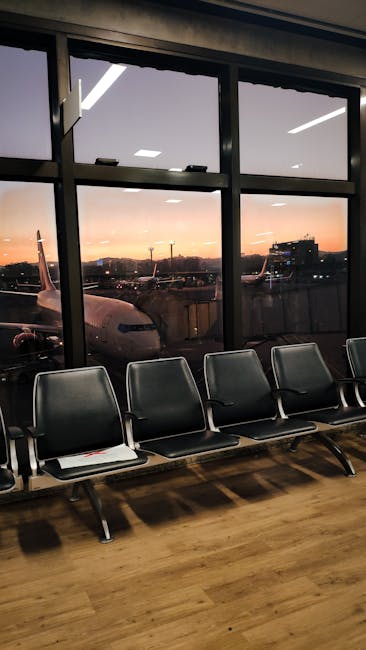
- Split Airport (SPU): handles international and domestic flights. In high season, border police may run separate queues for EU and non‑EU citizens. Keep your passport or ID handy and avoid handing out unnecessary paper copies at the checkpoint. Immigration desks may open before landing if several flights arrive at once.
- Port of Split (Obala kneza Domagoja 1): for ferry arrivals from Italy (Ancona), Albania or other Croatian ports, keep your passport accessible. Checks are sometimes carried out on board before docking; for domestic island connections controls are more relaxed but checks can still take place at embarkation points.
- Local transport and costs: airport shuttle bus ↔ bus station/autobusni kolodvor: ≈ €6.50; taxi airport → Old Town (Riva): ≈ €30–€40; ferry Split → Hvar (fast catamaran): ≈ €15–€30 depending on season and boat type. Have cash on hand (euros are accepted everywhere as Croatia uses the euro) and a bank card — ATMs are plentiful along the Riva and at the bus station.
- Useful opening hours: most immigration and tourist offices operate 08:00–16:00 on weekdays, but port and airport services run 24/7. Municipal offices and residence permit services have limited hours: check online or call ahead to avoid waiting.
Local tips: in high season, arrive early morning or late evening to avoid crowds; choose flights or ferries outside peak windows (08:00–11:00 and 16:00–19:00). If you lose your documents, report it immediately to local Police (Policija) and contact your embassy. Always keep a secure digital copy (encrypted cloud or a safe email) of your passport and ID.
Conclusion — Prepare for Your Trip to Split Stress‑Free
Traveling to Split requires straightforward but careful preparation: know which documents you need based on your nationality (ID card for EU citizens, passport for most non‑EU visitors), understand that ESTA only applies to entry to the United States and keep an eye on European systems like ETIAS which may affect some nationalities in the future. In short: check your passport validity (at least 3 months beyond your planned departure from Croatia or the Schengen area), confirm your visa status (90 days visa‑free for most US, Canadian, Australian and British nationals) and prepare extra documents if you plan a long stay or intend to work/study.
In Split, main entry points — Split Airport (Zračna luka Split, Resnik, 21203 Kaštela) and Port of Split (Obala kneza Domagoja 1, 21000 Split) — have operational immigration services and regular transport links to the Old Town (Riva) and bus stations. Budget practical costs: airport shuttle ≈ €6.50, taxi ≈ €30–€40, inter‑Dalmatian ferries ≈ €15–€30. For any administrative process (visas, residence permits or reporting lost documents) consult the competent offices or your embassy/consulate; in an emergency the local Police (Policija) are the primary contact.
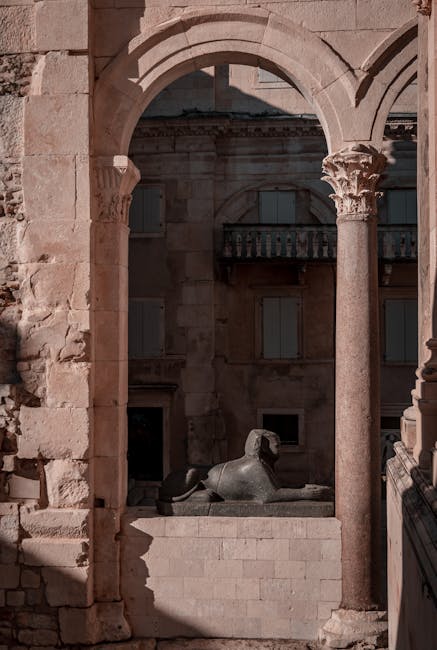
Finally, travel with peace of mind: Split is a safe and welcoming city, but like anywhere, a bit of preparation prevents mishaps. Keep paper and digital copies of your documents, note your embassy’s contact details and plan arrivals outside peak times. That way you can fully enjoy the alleys of Diocletian’s Palace (Diocletian’s Palace, Ul. kralja Petra Krešimira IV, 21000 Split), the cafes along the Riva and day trips to Hvar and Brač without paperwork spoiling your trip.