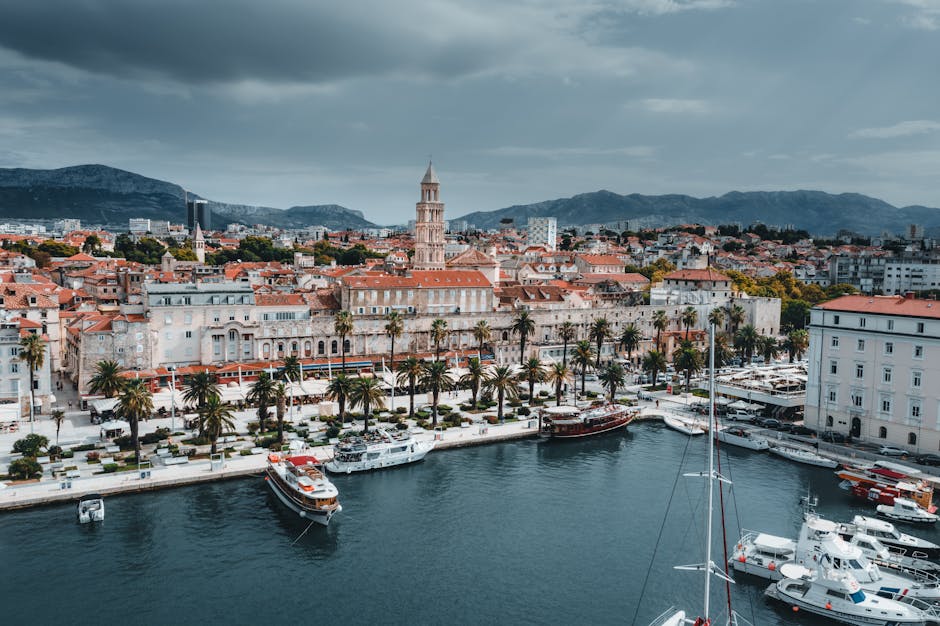






Introduction — Perfect One-Day Plan: Morning in Trogir, Afternoon in Split
Exploring the Dalmatian coast in a single day calls for a realistic, well-balanced plan. Trogir and Split make a natural pair: Trogir, a small medieval town listed as a UNESCO World Heritage site, is perfect for a relaxed morning of cobbled lanes, stone façades and bright cafés; Split, its bigger neighbor, showcases the iconic Diocletian’s Palace and a livelier urban scene for a cultural, seaside and foodie-filled afternoon. This itinerary is designed for travelers who want to savor a full morning in Trogir — without rushing — then head to Split refreshed for an afternoon of discoveries.
What follows is a practical, professional and detailed guide: exact addresses, rough prices in euros, typical opening hours, immersive descriptions and local tips to make transfers and visits smooth. The plan takes into account Trogir’s compact historic core and Split’s variety (old town, the Riva waterfront, museums and panoramic hills). You’ll find suggestions for morning cafés, must-see sites, the best walking routes, transport options between the towns, and useful practical tips (opening hours, tickets, local customs).
This guide assumes you arrive early in Trogir (ideally before 10:00) — by car, bus or a transfer from a port/airport. Distances are short: Trogir and Split sit roughly 27 kilometres apart via the coastal road. By spending the morning in Trogir you’ll enjoy soft light on limestone, fewer crowds than in Split and a more intimate atmosphere: artisans, fishermen and family-run cafés. The afternoon in Split lets you dive into Roman history, climb a tower for sweeping views, stroll the Riva promenade and, if you like, finish with a swim or a drink by the sea.
Tips include timing suggestions (to avoid heat and crowds), price ranges in euros (museum tickets, monument entries, local transport) and full addresses to help you navigate on the ground. Photographers, architecture fans and food lovers will find concrete pointers to make the most of their day. Finally, local tricks — when to pay cash, how to negotiate a taxi, which dishes to pick for a quick but tasty lunch — complete the route.
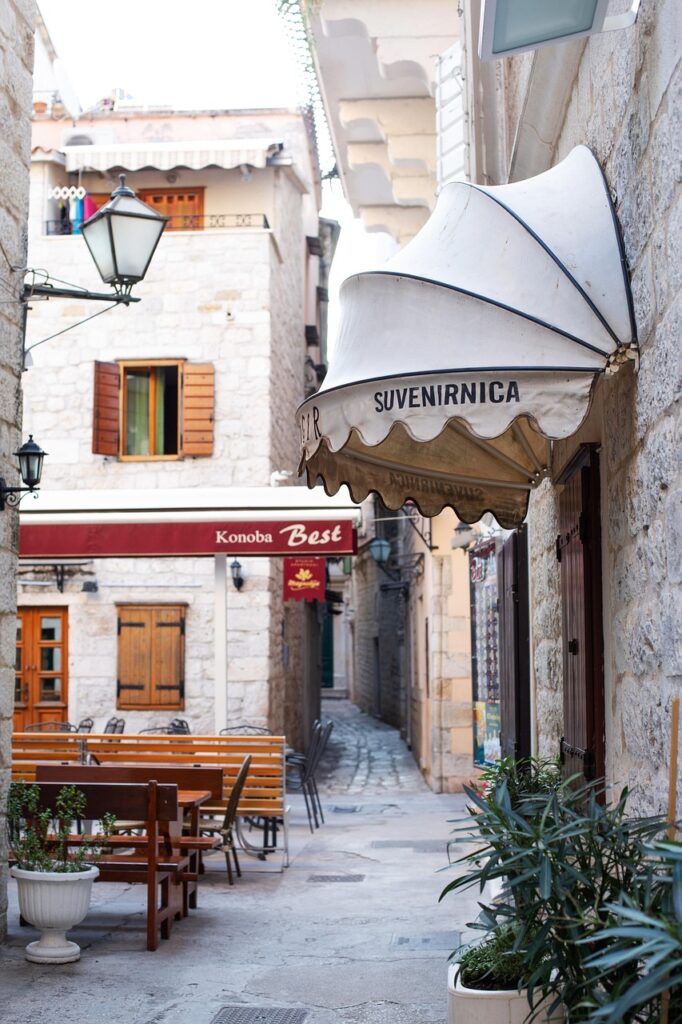
Morning in Trogir: Wake up in the old town (sights and cafés)
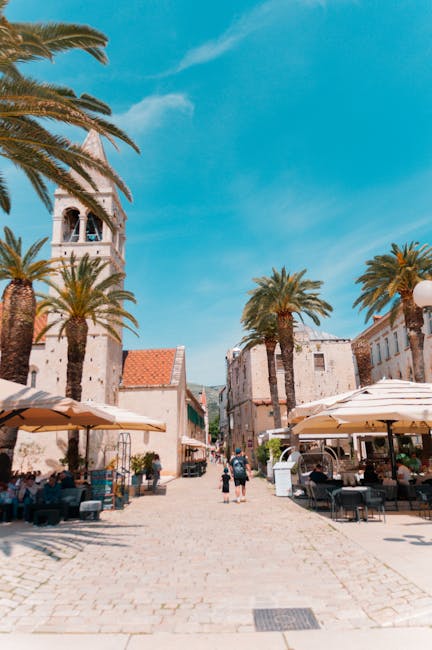
Start your day by parking or getting off right by the entrance to Trogir’s historic centre so you can step straight into a medieval setting. The most convenient long‑term parking is Parking Trogir Long-Stay — Address: Ul. Hrvatskih Kraljeva 2, 21220 Trogir. Approximate cost: €4–€8 per day depending on the season. From there, cross the stone bridge that links the island of Čiovo to the old town and head for the main gate.
Make the Cathedral of St. Lawrence (Katedrala Sv. Lovre) your first stop — Address: Trg Republike Hrvatske 1, 21220 Trogir. Typical opening hours: Apr–Oct 8:00–20:00, Nov–Mar 9:00–16:00. Entry to the cathedral is free; access to the bell tower (campanile) is paid at about €3–€5 (cash or card depending on the season). The tower offers one of the best views over the sea and Trogir’s stone rooftops.
Next, wander to Kamerlengo Fortress (Tvrđava Kamerlengo) — Address: Ul. Hrvatskih kraljeva 1, 21220 Trogir. Hours: 8:00–20:00 in summer, 9:00–17:00 in low season. Entry fee: €4–€6. The fortress is ideal for morning photos: its walls overlook the channel and offer perspectives toward Split in the distance.
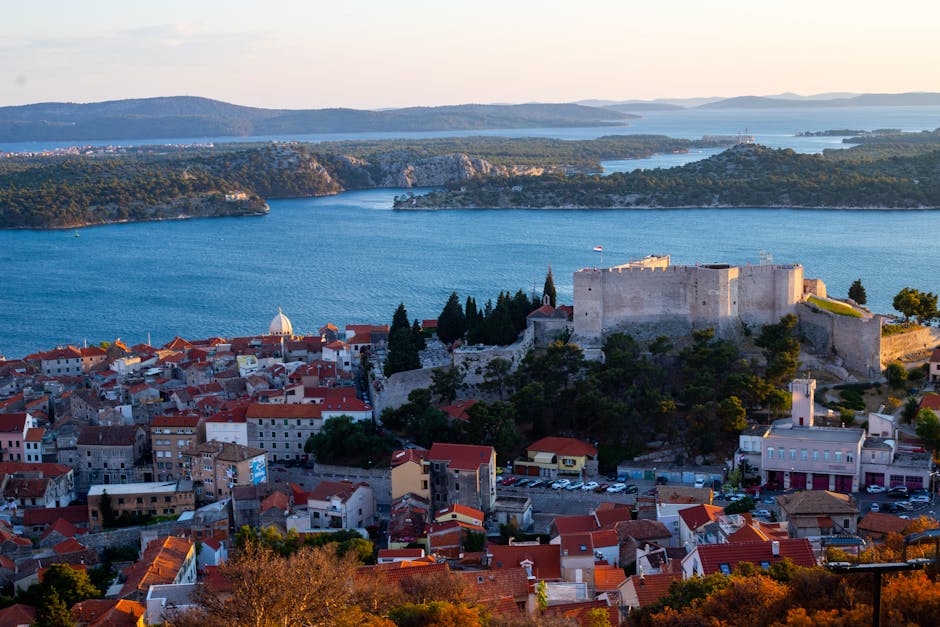
For coffee and a local pastry, head to Konoba Trs — Address: Ul. Rudjera Boskovica 7, 21220 Trogir. Hours: 08:00–22:00. An espresso costs around €1.20–€1.80, a homemade pastry €2–€4. Alternatively, for a heartier breakfast, Caffe Bar Battery on the waterfront offers omelettes and toast (Ul. Ivana Pavla II 2).
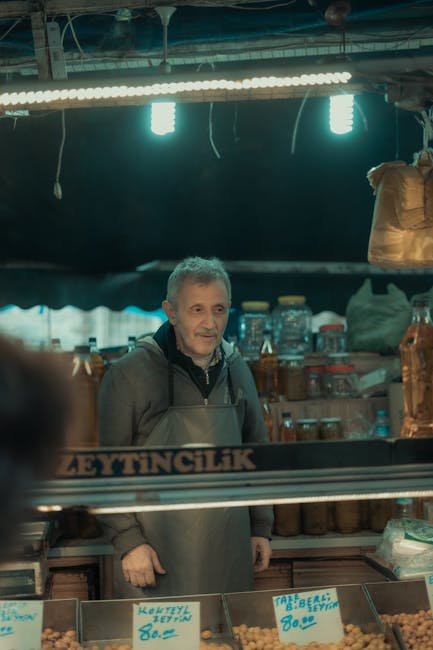
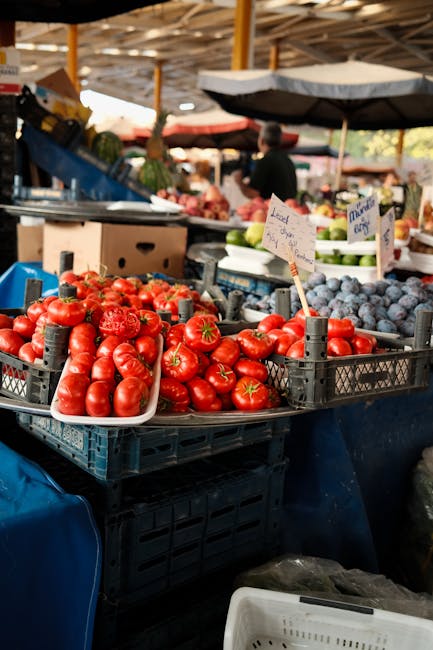
Before you leave Trogir, stop by the Trogir Market (Tržnica Trogir) — Address: Ul. Drvenikov 6, 21220 Trogir. Hours: 06:00–13:00. You’ll find fruit, regional cheeses, olive oil and small souvenirs — perfect for stocking up for the trip to Split. Stalls often prefer cash; bring small bills.
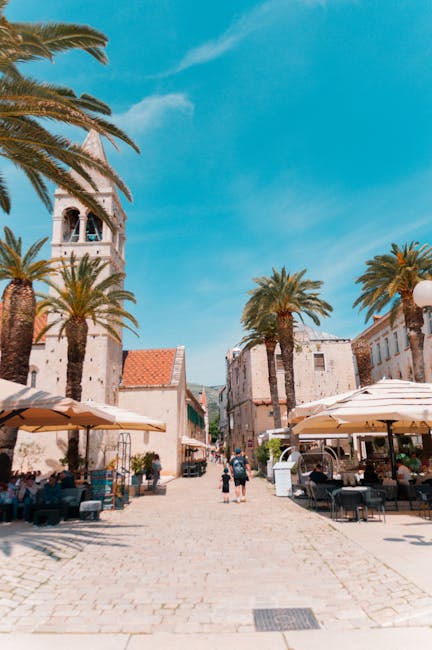
Must-see spots and lunch in Trogir before you go
If time allows, wander the small lanes around the main square, admire the Romanesque‑Gothic cathedral portal (Master Radovan’s masterpiece) and pop into a few artisan workshops. The municipal museum Muzej Trogir — Address: Trg Republike Hrvatske 6, 21220 Trogir — houses exhibitions on local history. Hours: 10:00–16:00; admission: €3–€5.
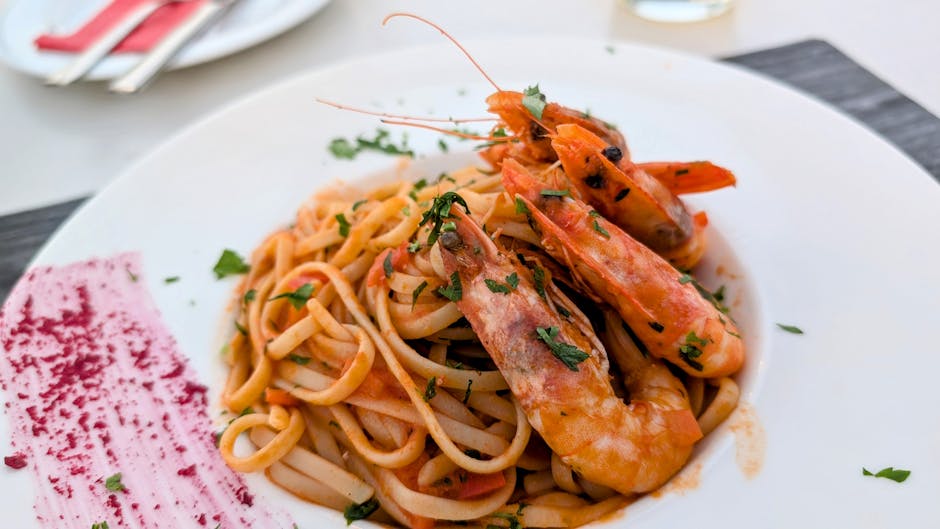
For lunch — choose something light and quick so you can reach Split without rush. Recommendation: Restaurant Don Dino — Address: Ul. Rudera Boskovica 1, 21220 Trogir. Hours: 11:00–23:00. Typical dishes: seafood pasta (tagliatelle al mare) ~ €10–€14, local mezzé and Dalmatian salad ~ €7–€12. Service is quick and portions are sized for continuing your day comfortably. For an ultra‑fast option, grab a burek with spinach or meat at a local bakery (about €2–€3).
Departure planning: aim to leave between 12:00 and 13:00 to arrive in Split early in the afternoon. The local bus (regular Trogir–Split service) costs about €3–€5 per person; travel time 30–40 minutes depending on traffic. Expect to pay more for a taxi (€30–€45) or a private transfer (€40–€60 depending on vehicle size).
Afternoon in Split: From Diocletian’s Palace to the waterfront
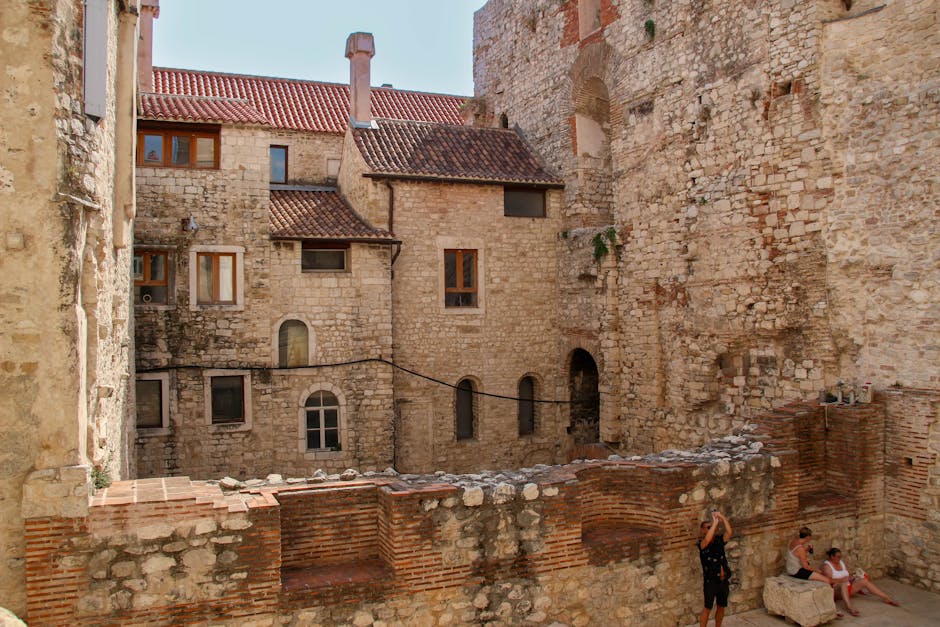
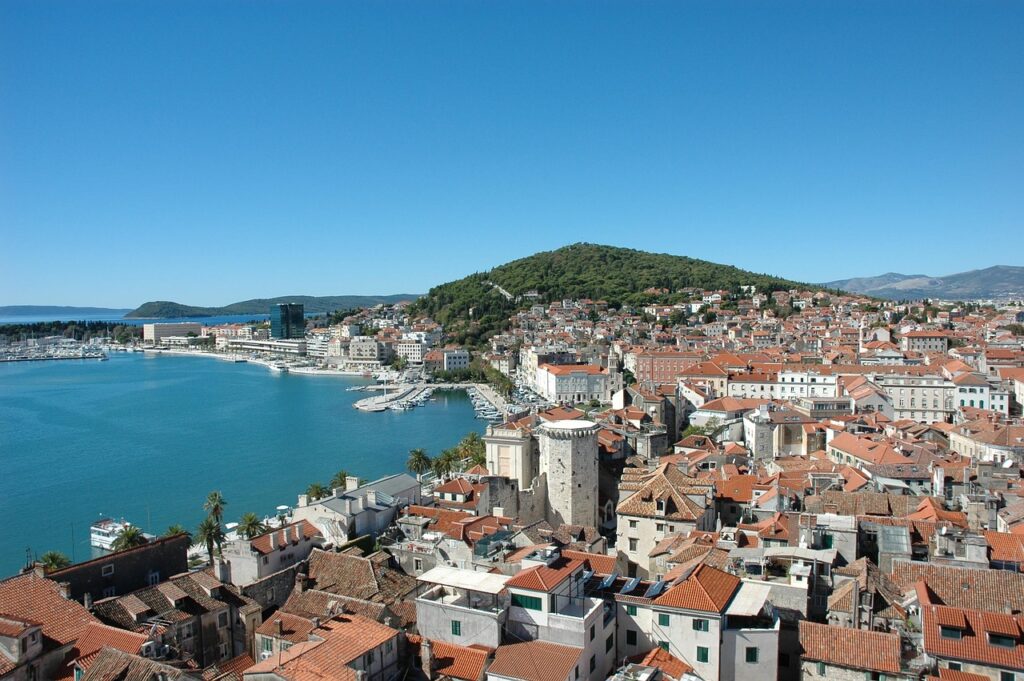
Once in Split, head straight for the historic heart: the Diocletian’s Palace (Dioklecijanova palača) — Address: Ul. Republike Hrvatske 1, 21000 Split. Exploring the maze of streets inside the palace is free and is the core of the experience: former temples turned into shops, inner courtyards and sunlit alleys. General note: the site is open throughout the day, though individual monuments have their own opening hours. Pick up a map at the Tourist Board Turistička zajednica grada Splita — Address: Trg Republike Hrvatske 1, 21000 Split.
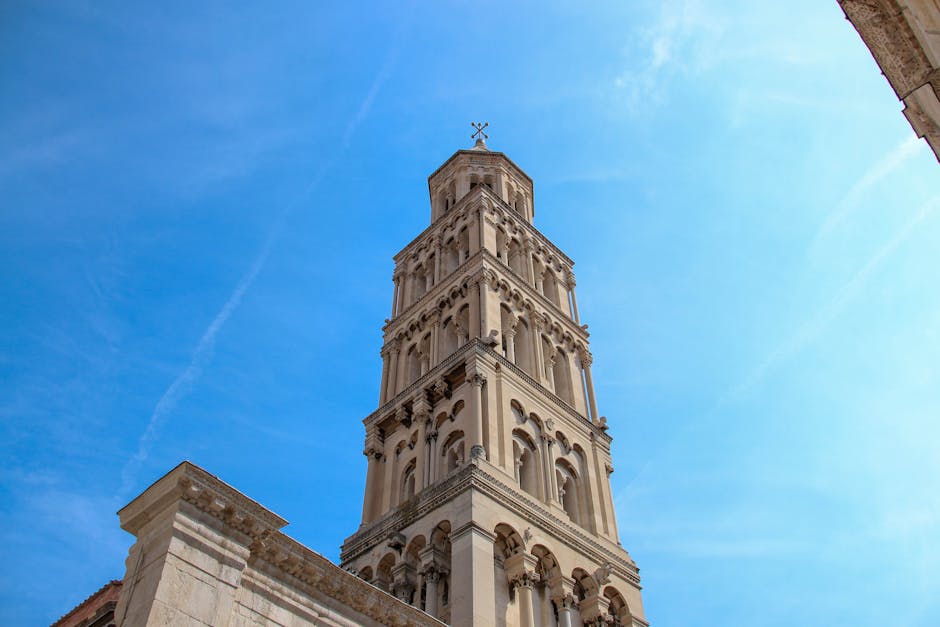
Don’t miss the Cathedral of Saint Domnius (Katedrala Svetog Duje) — Address: Ul. Kraj Svetog Duje 1, 21000 Split. Visiting hours: 9:00–19:00 in high season, with restricted access during services. Entry to the cathedral itself is free, but climbing the bell tower offers a spectacular view over Split and the sea for around €3–€5. The interior crypt and the treasury may have separate small fees.
For museum lovers, the Archaeological Museum of Split (Arheološki muzej Split) — Address: Antuna Gustava Matoša 1, 21000 Split — is usually open 9:00–20:00 in season. Admission: €6–€8. Less crowded than other attractions, it houses a strong collection of Roman and ancient artefacts from the region.
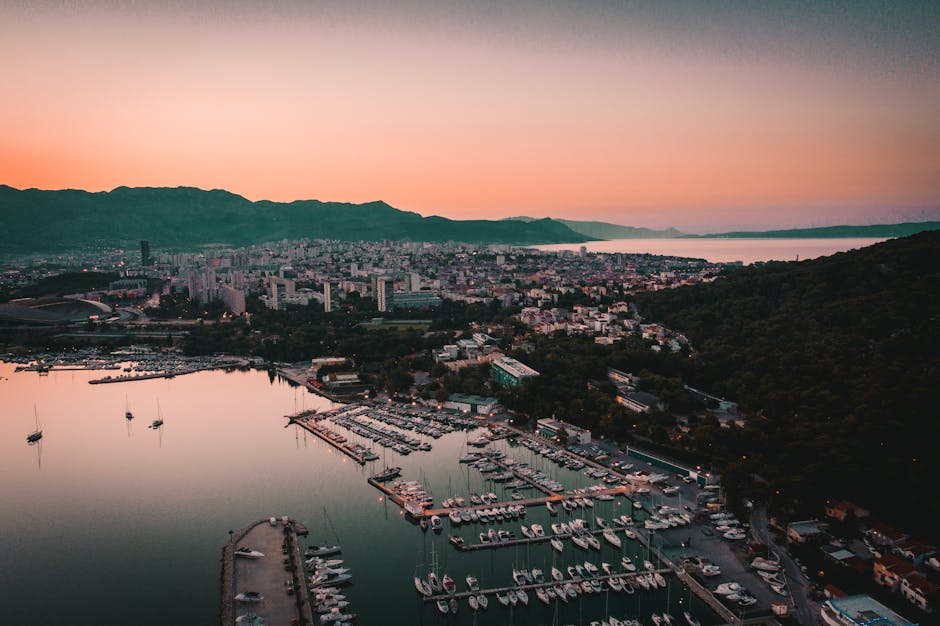
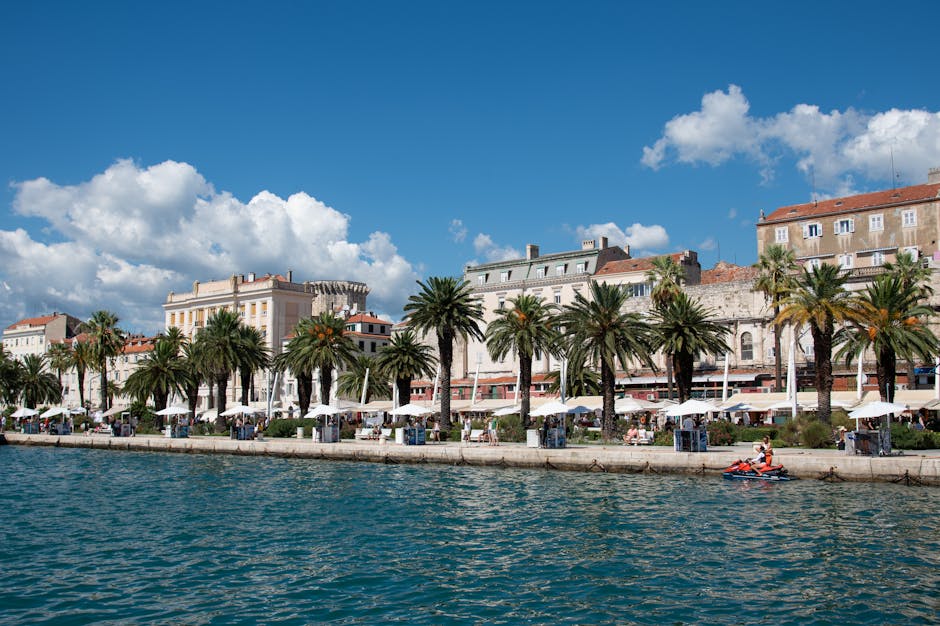
The Riva promenade — Obala Hrvatskog narodnog preporoda — is the ideal spot for an afternoon coffee or a sunset drink. Cafés like Oblizek Coffee (Riva 3) serve a cappuccino for €1.50–€2.50 and have terraces overlooking yachts and the sea. If you fancy a refreshing swim, head to the stone steps at the foot of the Riva or take a short bus ride to the Bacvice beaches (Plaža Bačvice — Address: Bačvice, 21000 Split). Swimming at Bačvice is free; sunbeds and umbrellas cost between €6–€12 depending on the season.
Late afternoon options — culture, panoramas or a pre-dinner drink
Late afternoon gives you choices depending on your energy: for panoramic views, hike up Marjan Hill (Mont Marjan) — Split’s main green lung. Access: free. Well-marked trails, viewpoints (St. Nicholas viewpoint) and small chapels provide beautiful light over the city. If you prefer to stay in town, take time to explore the Palace of Adrien (Roman remains) and roam the palace’s basements and galleries.
For an aperitif or an early dinner, try Konoba Fetivi — Address: Ul. Zadarska 9, 21000 Split. Hours: 12:00–23:00. Recommended dishes: grilled fish (branzino) ~ €12–€18, Dalmatian salad ~ €6–€9. For a spectacular view, reserve a table at Restaurant Zrno Soli — Port ACI Split, Obala Hrvatskog narodnog preporoda 17, 21000 Split. Dinner ≈ €20–€35 per person.
Transport and final practical tips: the main bus terminal is Autobusni kolodvor Split — Address: Trg Franje Tuđmana 1, 21000 Split. If you need to catch a bus to other destinations or the airport, arrive 20–30 minutes early. Taxis are found near the Riva and the terminal: a typical fare to the airport is ~ €15–€25 from the centre. Payments: most places accept cards, but small cafés and markets often prefer cash; keep euros for conversion or withdraw local currency depending on your preference.
Practical tips, safety and local recommendations
Hours and seasons: high season (June–Aug) changes things: sites open earlier and close later, but crowds are heavier and prices rise. Visiting Trogir early in the morning helps you avoid cruise ship visitors and tour groups. In low season (Nov–Mar) always double-check reduced museum and restaurant hours.
Money and payments: although Croatia officially adopted the euro in 2023, some small vendors may still prefer the local currency or limit card use. Carry cash in small denominations (€10–€50). For monument entries, keep €3–€10 in cash for each paid site.
Safety and etiquette: Trogir and Split are generally very safe. Still, watch your belongings in tourist areas (occasional pickpockets). Respect places of worship (cover shoulders and knees when visiting a cathedral). For swimming, pay attention to beach safety flags.
Transfers between Trogir and Split: regular bus (tickets ~ €3–€5), taxi (€30–€45), private transfer (~ €40–€60). If you have a rental car, park in Trogir (signed car parks) and take the bus to Split to avoid the hassle of downtown Split parking.
Conclusion — Make the most of your Trogir + Split day
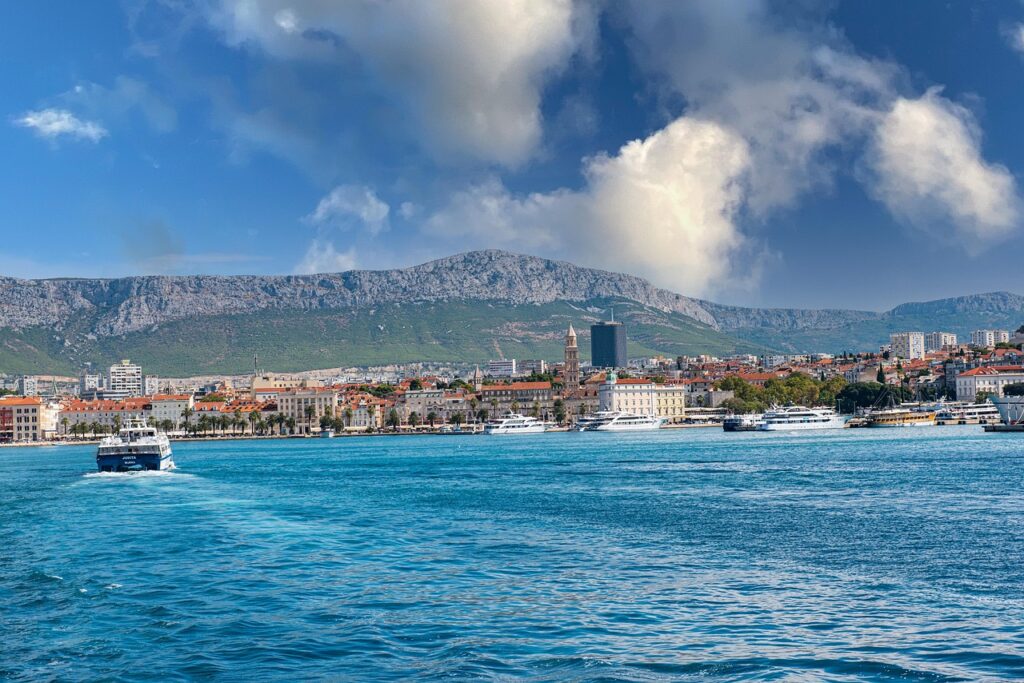
A combined day in Trogir (morning) and Split (afternoon) strikes a perfect balance between relaxation, heritage and city life. Trogir offers the intimacy of a compact old town: fortress, cathedral and markets where you can stroll and photograph at leisure. The afternoon in Split immerses you in Roman history with Diocletian’s Palace, the Cathedral of Saint Domnius, the lively Riva and options for beaches or Marjan Hill panoramas. Following this plan minimizes unnecessary travel, captures the best light for photography and lets you enjoy local cuisine without rushing.
Plan to arrive in Trogir early, consider booking restaurants in Split during busy summer evenings, and use the local bus for an economical transfer if you prefer. Budget for small entry fees and cash for minor purchases (expect a total of about €15–€30 per person for main entries depending on your choices). Don’t forget essentials: sunscreen, sturdy shoes for cobbles, and a small water bottle for each outing.
Finally, leave room for the unexpected: an artisan inviting you to taste a speciality, a viewpoint discovered by chance, or a café that keeps you longer to watch everyday life pass by. Together, Trogir and Split deliver a rich, varied day — historic, sensory and delicious — you’ll remember for a long time.