





Introduction — Administrative matters in Split: preparing and succeeding with your local paperwork
Split, Croatia’s second-largest city and the gateway to the Dalmatian islands, charms visitors with its blend of Roman history and modern life. But for anyone staying long-term, moving here, or planning an extended stay, the least glamorous yet most important part of settling in is getting a handle on the local bureaucracy. Whether you’re an expat, a student, a seasonal worker or a European resident moving here, knowing which offices to contact, opening hours, exact addresses and typical costs in euros will save you time and spare you a lot of stress.
This practical, detailed guide focuses on the essential administrative places and services in Split: city hall and the civil registry for certificates and records, the police and the Ministry of the Interior (MUP) for foreigner registration and residence permits, the post office for sending documents, hospitals and clinics for health registration, and banks for opening an account. You’ll also find indications of usual fees in euros, common opening hours, practical tips on required documents, and local advice to avoid queues and communicate effectively with Croatian administrative staff.
Croatian administration can feel daunting if you’re unfamiliar with it: forms in Croatian, appointments sometimes mandatory, and procedures that may differ from what you’re used to. In Split there are, however, centralized offices and staff experienced in dealing with foreigners — especially during the high tourist season. This guide gives you precise addresses, typical opening hours and where to go in person to save time. You’ll also find tips for using online services and useful alternatives (registered mail, translation services, administrative support agencies).
A few useful reminders before you begin: always keep photocopies and digital copies of your documents, make appointments when possible, and bring proof of address (rental contract, utility bill or a landlord’s statement). Prices shown in euros are estimates based on common fees (visa costs, administrative fees, etc.) and may vary — check updated amounts on official websites or by phone. Finally, if your Croatian is limited, politely ask for an English-speaking officer or hire a certified translator for official documents.
1) City Hall and municipal services: where to register your residence and get certificates
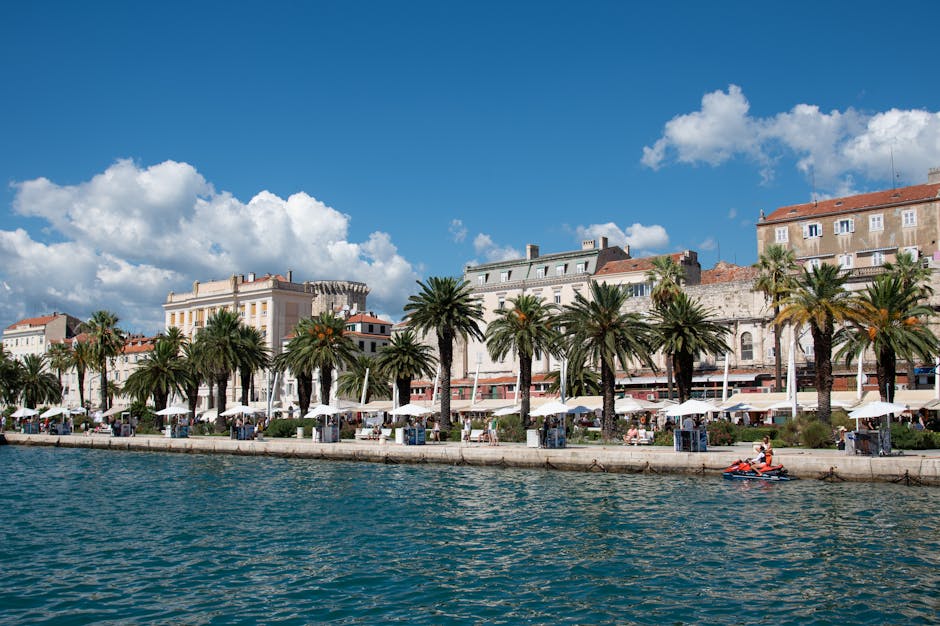
For any civil status matters (birth, marriage, death), change of address and official certificates (birth or marriage extracts), head to Split City Hall, locally known as Gradska uprava Grada Splita – Ured gradske uprave. Official address: Trg Republike Hrvatske 1, 21000 Split. The building sits in the historic center, just off the Riva, and is easy to spot by its administrative facade and signs in Croatian and English.
Typical opening hours: Monday to Friday, 08:00–15:30; some services may receive by appointment on Tuesday or Thursday afternoons. It’s strongly recommended to call before you go to confirm the exact hours of the civil registry office you need. General phone: +385 (0)21 340 000 (verify locally).
Costs and procedures: most certificate extracts cost between 5 and 15 EUR depending on the document and speed of service. Issuing a simple civil certificate (birth/marriage extract) usually runs around 10 EUR. For sworn translations and legalization/apostille, expect additional fees (roughly 30–80 EUR depending on the provider).
Practical tips: bring photo ID (passport), proof of residence (rental contract or bill) and, if needed, certified copies of foreign documents. If you request an apostille for a Croatian document intended for use abroad, allow 1 to 7 days depending on workload and the competent office.
2) Police and MUP (Ministry of the Interior): foreigner registration and residence permits
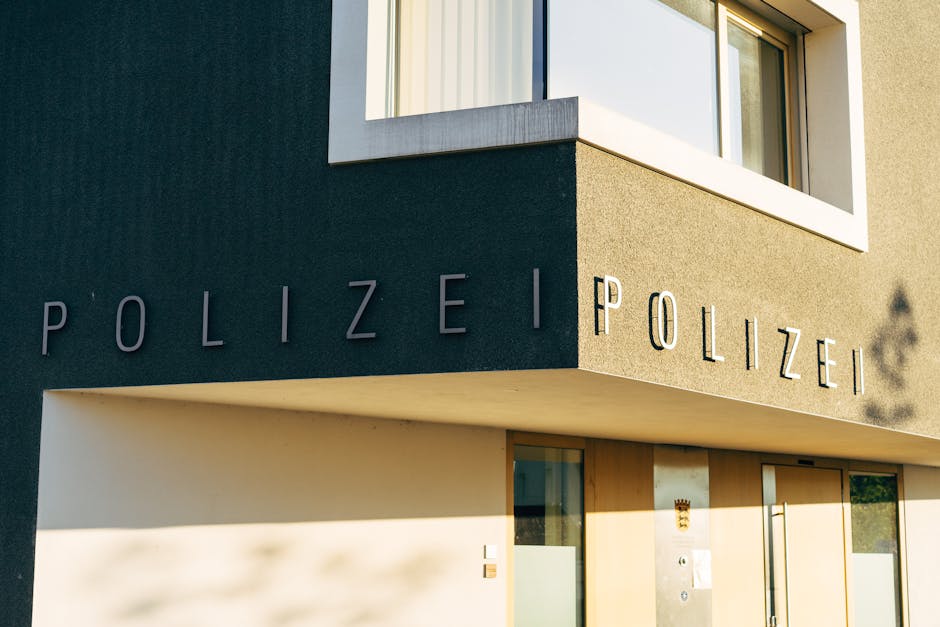
Registering with the interior authorities is often the first mandatory step for non-residents who wish to stay more than 90 days or for seasonal residents. In Split, most foreigner procedures are handled by the Policijska uprava Splitsko-dalmatinska — Služba za strance (MUP). A commonly cited address is Ulica Domovinskog rata 63, 21000 Split (check the exact location with the MUP helpline). This service deals with address registrations, temporary residence permit applications and certificates of no criminal record.
Hours: generally Monday to Friday, 08:00–14:00; some days may be by appointment only. It’s essential to make an appointment online or by phone through the MUP portal (official site). Walk-in queues can be long, especially in summer.
Typical fees:
- Schengen visa (short stay): 80 EUR (standard consular fee).
- Temporary residence permit application: variable in practice, budget between 50 and 200 EUR depending on the permit type and duration (administrative fees + official stamps).
- Address registration with the police: often free, but certificates may be charged at 5–15 EUR.
Commonly required documents: a valid passport, passport-sized photos (35 x 45 mm in some cases), rental contract or landlord’s statement, proof of financial means (bank statements), proof of health insurance or social security coverage, completed form (available on the MUP website). For workers: a Croatian employment contract and possibly a work permit issued by the employer.
Local tips: arrive 15–20 minutes before opening, bring stamped envelopes and extra copies of all documents. If you don’t speak Croatian, politely request an English-speaking officer or bring a certified translator to sign documents. Always keep the registration receipt (stamped document) — it’s often required to open a bank account or complete your social security registration.
3) Health, insurance and hospitals: where to register and get care
Health is a top priority for any longer stay. In Split, the main facility is Klinicki bolnicki centar Split (KBC Split), address: Šoltanska 1, 21000 Split. It’s the principal university hospital, with emergency services, specialist consultations and an on-site pharmacy. For emergencies dial the European emergency number 112 — or go directly to KBC Split’s emergency department.
To register with the Croatian health insurance system (Hrvatski zavod za zdravstveno osiguranje — HZZO), some steps can be initiated by your employer. If you’re a salaried worker, the employer will usually handle registration. For self-employed people or non-salaried residents, visit the local HZZO office: HZZO Split, Ul. Domovinskog rata 5, 21000 Split (typical hours: Monday–early Thursday 08:00–15:00; verify before you go).
Indicative costs in euros:
- Private health insurance (supplementary): 30–120 EUR/month depending on coverage.
- Public hospital consultation (if covered by HZZO): often little or no direct fee; without insurance, consultations can cost 20–60 EUR or more.
- Uninsured emergency service: 50–200 EUR depending on required care.
Practical tips: keep your HZZO certificate or proof of insurance with you. For specialist appointments expect waits of several weeks; opt for private clinics for quicker access (at higher cost). For vaccinations, medical checks and health certificates (for work permits or school), check in advance which forms are required and whether a certified doctor is needed.
4) Banks, Post Office and other practical services: accounts, mail and everyday formalities
To live in Split you’ll need to open a bank account and manage your mail. Both international and local banks have branches downtown: Zagrebačka banka d.d., Ulica Marmontova 6, 21000 Split (hours: Monday–early Thursday 08:00–19:00, Friday 08:00–14:00) and Erste & Steiermärkische Bank d.d., Ulica Domovinskog rata 18, 21000 Split (similar hours). Opening an account typically requires your passport, proof of address (rental contract or landlord’s declaration) and sometimes proof of employment.
Typical banking fees (estimates):
- Account opening: often free.
- Debit card: 5–10 EUR per year or small monthly fees of 1–3 EUR.
- SEPA transfers: sometimes free between Croatian/EU banks, otherwise 0.5–3 EUR.
The main post office is Hrvatska pošta – Pošta Split 1, Trg Republike Hrvatske 1, 21000 Split. The post handles registered international mail, parcel reception and certain administrative formalities (some fiscal stamps and certified copies). Hours: Monday–early Friday 08:00–19:00, Saturday 08:00–12:00 (varies by branch).
Other useful services: certified translation offices for official documents, local relocation agencies (help with registration, OIB number, settling in), and government e-services (the e-Građani portal) that let you complete many procedures online once you’ve set up a secure account.
Local tips: for registered mail or important documents, use the central post office and always ask for an international tracking number. For international transfers compare bank fees with alternatives like Wise or Revolut. Keep digital copies of all administrative correspondence and use a dedicated email to track appointments and confirmations.

Conclusion — Practical summary and final tips for handling paperwork in Split
Moving to or settling in Split means dealing with several administrations: city hall for civil status, MUP for foreigner registration and residence permits, hospitals and HZZO for health, and banks and the post for everyday life. Each place has its hours, document requirements and sometimes fees in euros. In practice, the key to success is preparation: gather your passport, ID photos, proof of address and proof of funds, and make appointments whenever possible. Always keep printed and digital copies, and ask for written confirmation (stamp and signature) for any important step.
A few essentials to remember: photograph your documents, prepare several stamped envelopes and photocopies, arrive early to avoid queues and, when needed, use certified translators to sign official Croatian documents. Always verify exact fee amounts (consular fees, residence permit charges, translation services) on official websites before paying. Finally, keep handy local contacts: a relocation agency, an immigration lawyer if necessary, and the tourist information center for initial orientation.
If you have specific procedures to complete (work permit application, recognition of foreign diplomas, obtaining an OIB number for work or taxes), tell me which ones and I’ll provide a tailored checklist of documents, email templates to book appointments, and useful links to pre-fill forms. With good preparation, the administrative side of setting up in Split can be handled smoothly and quickly — leaving you more time to wander Diocletian’s alleys, enjoy Riva sunsets and take the ferries to Hvar and Brač.