




Introduction: Why Shop at Split’s Markets
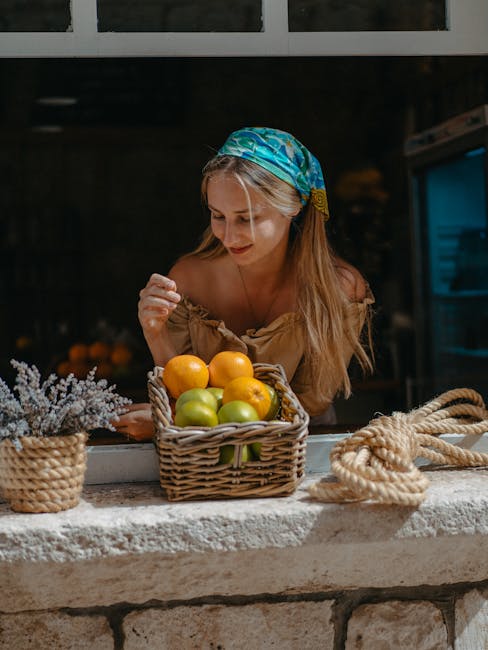
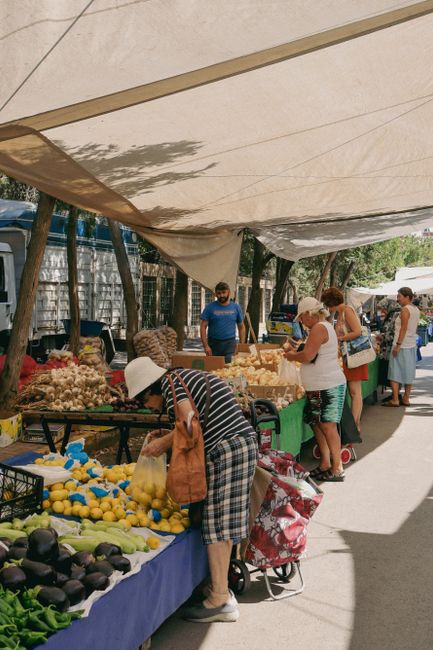
Split, Croatia’s second city, draws visitors for more than just its Roman heart—the Diocletian’s Palace. Its food markets are a major draw too. Shopping at local markets isn’t only a budget move: it’s a deep dive into Dalmatian daily life, a way to get seasonal produce often grown or caught within a few kilometers, and an opportunity to cook authentic meals for far less. For travelers staying in apartments, families, or slow‑travelers, cooking for yourself can save a lot: a simple market meal (veg, bread, cheese, a bit of fish) can cost €5–8 per person compared with €12–25 in restaurants. On top of that, freshness and quality are often better than supermarket offerings.
This practical overview introduces Split’s main markets, gives exact addresses, typical opening hours, price ranges in euros, and local tips to shop smart. You’ll also find cheap menu suggestions, bargaining techniques (without offending vendors), and tips for storing your groceries in a small apartment or a room with a kitchenette. The goal is to provide a complete roadmap to enjoy Dalmatian products: seasonal fruits and vegetables, aromatic herbs (mint, oregano, bosiljak/basil), mountain cheeses (paški sir, similar to island cheese), day‑fresh fish (sardines, mackerel), and local processed items (olive oil, ajvar, Dalmatian prosciutto).
You’ll also discover less touristy markets that are great for buying in bulk (rice, pasta, condiments), plus the best times to avoid crowds or catch last‑minute markdowns just before closing. Each entry offers an immersive description of the place—the scent of fresh citrus, the clink of crates, quick back‑and‑forth between seller and buyer—so you can picture and plan your culinary experience in Split.
Pazar (Green Market) — The Fresh Produce Hub
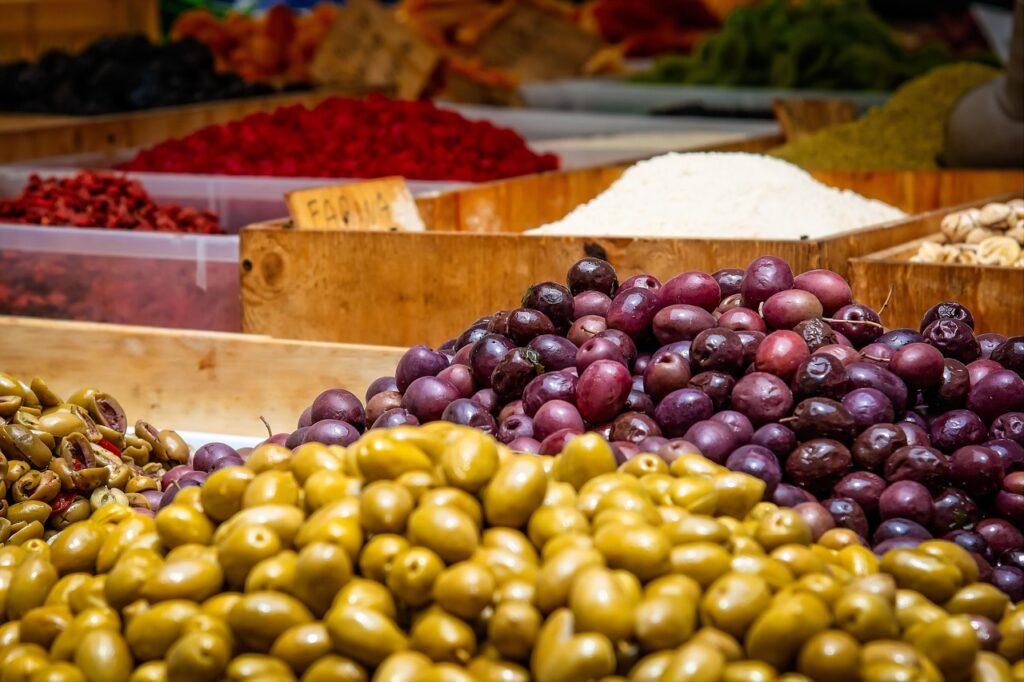
The Pazar, often called the « Green Market » by English speakers, is the go‑to market for fruits, vegetables and farm goods, sitting on the edge of Diocletian’s Palace. Address: Pazar / Green Market, Trg Braće Radić, 21000 Split. Opening hours: generally open daily from 06:00 to 14:00; some stalls close around 13:00. Mondays can be quieter because some producers take a day off after the weekend.
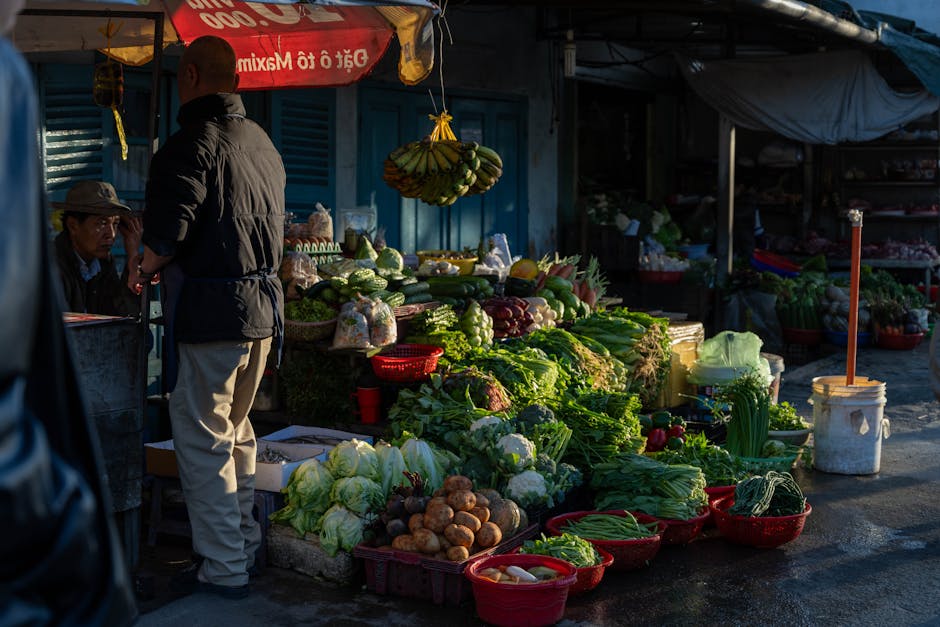
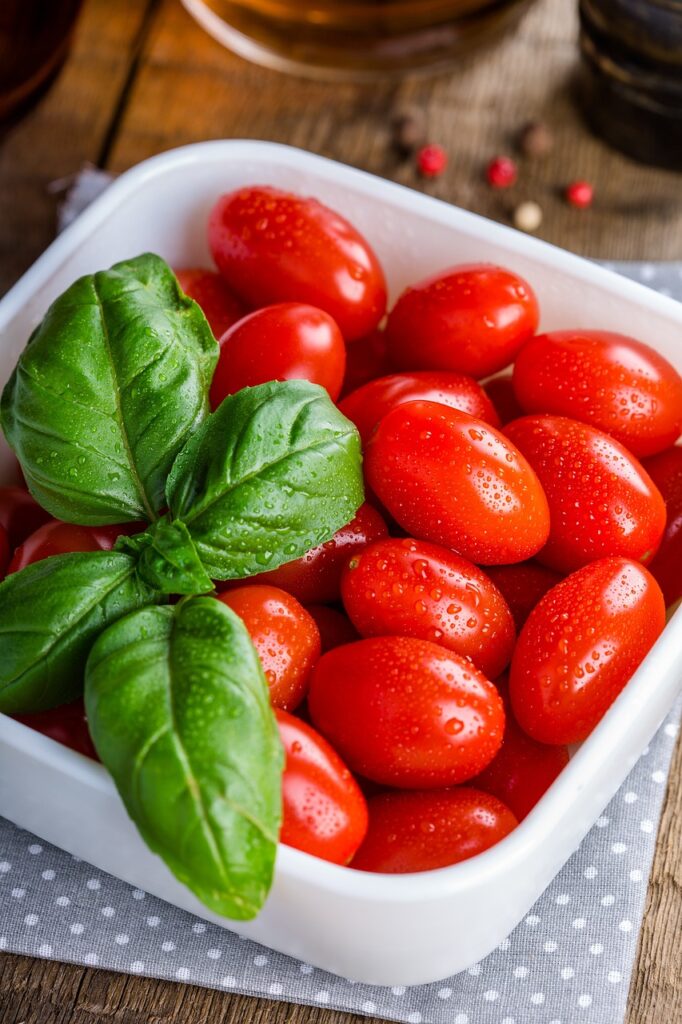
You’ll find a bounty of seasonal local produce: juicy tomatoes (tomate plominka), peppers, courgettes, eggplants, summer figs, and winter lemons and mandarins. Indicative prices: tomatoes €1.20–2.00/kg, courgettes €0.80–1.50/kg, peppers €1.50–2.50/kg, figs €3.00–5.00/kg. Herbs are sold in small bunches for €0.50–1.50 each. You can also pick up fresh bread (kruh) for €0.80–2.00 depending on size.
Local tip: arrive between 07:00 and 09:30 for the best selection. If you want to save, buy in larger quantities (1–2 kg) and ask for a discount: a smile and a « Could you give me a discount? » often work. Vendors appreciate clarity—point at the item, state the quantity and propose your price if you’re buying several things.
- Top buy: tomatoes and herbs for Dalmatian salads.
- Pro tip: taste melons in season—some stalls will offer a small sample before you buy.
- Access: an easy 5‑minute walk from the Riva.
Peškarija (Fish Market on the Riva) — Nearby Fish and Seafood
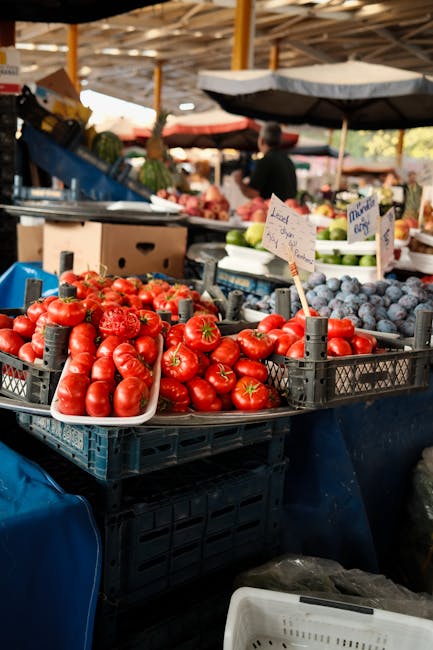
The fish market, known as the Peškarija, runs along the Riva promenade. Address: Peškarija / Fish Market, Riva 12, 21000 Split. Hours: mainly early morning, from 05:00 to 11:00, with some stalls open until 13:00. For the best selection, get there before 09:00 when fishermen are unloading their catches.
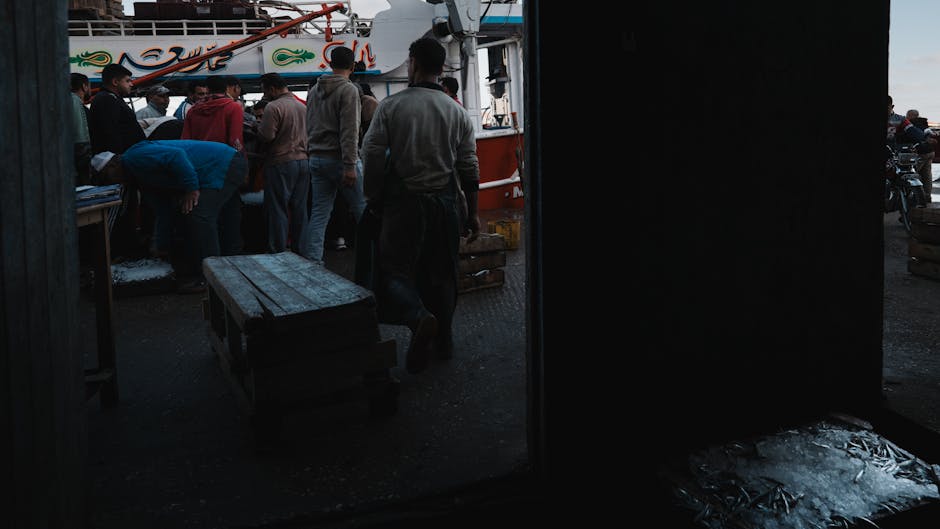
Atmosphere: distinctly maritime—the salty scent of the sea, ice cracking under crates, and vendors calling out to customers. You’ll find sardines (sardina), mackerel (skuša), sea bream (orada), small crabs, seasonal octopus (hobotnica), and occasionally lobster or langoustine depending on the catch. Price examples: sardines €3.00–5.00/kg, mackerel €4.00–6.00/kg, sea bream €8.00–12.00/kg, octopus €10.00–18.00/kg depending on size. If cooking for two, 500 g to 1 kg of fish is enough for an economical meal.
Practical tips: ask « When was this caught? » and « Can you clean it for me? »—many vendors will gut or clean fish for a small extra fee (€0.50–2.00). Bring an insulated bag if you’ve got a long walk, and bargain when buying several fish or octopus in bulk. Around midday some stalls slash prices on unsold fish by up to 30%.
Plokite Market (Zaobilaznica) and Neighborhood Markets — Bulk Buys & Local Deals
Beyond the center, Split has several neighborhood markets good for larger or less touristy purchases. One example is Plokite Market (often called Plokite/Zaobilaznica) at Tržnica Plokite, Ul. Domovinskog rata 55, 21000 Split. Hours: 06:00–14:00, with some stalls closed on Sundays. Prices here are often lower than in the center since the clientele is mainly local.
Products and prices: loose vegetables (tomatoes €0.90–1.50/kg), potatoes €0.50–0.80/kg, onions €0.70–1.20/kg, fresh eggs €2.00–3.50/dozen depending on size. There are also meat stalls (chicken €5.00–7.00/kg), local cheese (paški sir chunks €12–18/kg), and nuts/seeds. You’ll find olive oil stalls too (0.5 L bottles from around €6 for basic local oil, €12–20 for higher‑quality extra virgin).
Other neighborhood markets: Tržnica Varoš (Varoš Market) near the Varoš district (approximate address Ul. Domaldova 1), plus occasional markets in Mejaši and Kman. These spots are ideal for stocking up, keeping costs down, and chatting with small producers who’ll often meet you halfway on price if you buy multiple items.
- Tip: buy olive oil in 2–3 L tins if you’ll be cooking for several days—the per‑liter price drops to about €5–8.
- Storage advice: keep cheese and meat in the coldest part of your fridge, and use lemon juice and salt to preserve fish for half a day before cooking.
Practical Tips for Cooking Cheap in Split
To turn your market buys into cheap, tasty meals, follow a few simple rules: favor seasonal produce, cook with a few fresh ingredients, and use local canned goods (peeled tomatoes, anchovies) to stretch dishes. Sample budget menu for two: tomato salad, grilled peppers, bread, 800 g grilled sardines—total budget ≈ €8–12. Breakfast: bread, local jam (€1.50–3.00), instant coffee or moka coffee (€2–4 per pack).
Recommended kit to bring or buy locally: a small frying pan (€10–20), a chef’s knife (€10–15), a cutting board (€3–6), and an airtight container for leftovers. Supermarkets like Lidl and Konzum sell these items, and markets often have cheap utensils too. To save more: plan 2–3 recipes for 4–5 days and shop accordingly.
How to interact with vendors: be polite, use a few Croatian words (Good morning = Dobro jutro / Dobar dan, Thank you = Hvala) and pay cash to get the best price. Markets rarely accept cards for small purchases. Finally, remember the hours above: for the best produce go early; for bargains aim for late morning.
Conclusion: Cooking in Split — Affordable and Authentic
Shopping at Split’s markets is more than a way to save money; it’s a gateway to Dalmatian culture. Between the Pazar a stone’s throw from Diocletian’s Palace, the bustling Peškarija on the Riva, and neighborhood markets like Plokite, you can put together fresh, typically Croatian meals for a fraction of restaurant prices. Follow the timing tips—Pazar early in the morning, Peškarija before 09:00, neighborhood markets during the morning—to maximize quality and minimize cost. The sample price points (tomatoes €0.80–2.00/kg, fish €3–12/kg, eggs €2–3.50/dozen) give realistic benchmarks to plan a cook‑your‑own‑meals travel budget.
Remember simple rules: favor local and seasonal, talk to vendors, store purchases properly, and equip your lodging with a few basic tools. With these tips, a week in Split can cost far less than a trip focused on eating out, while delivering more authentic, memorable meals. Treat each market as a living experience—the people you meet and the snippets of conversation will enrich your stay as much as the juicy tomatoes on your table.