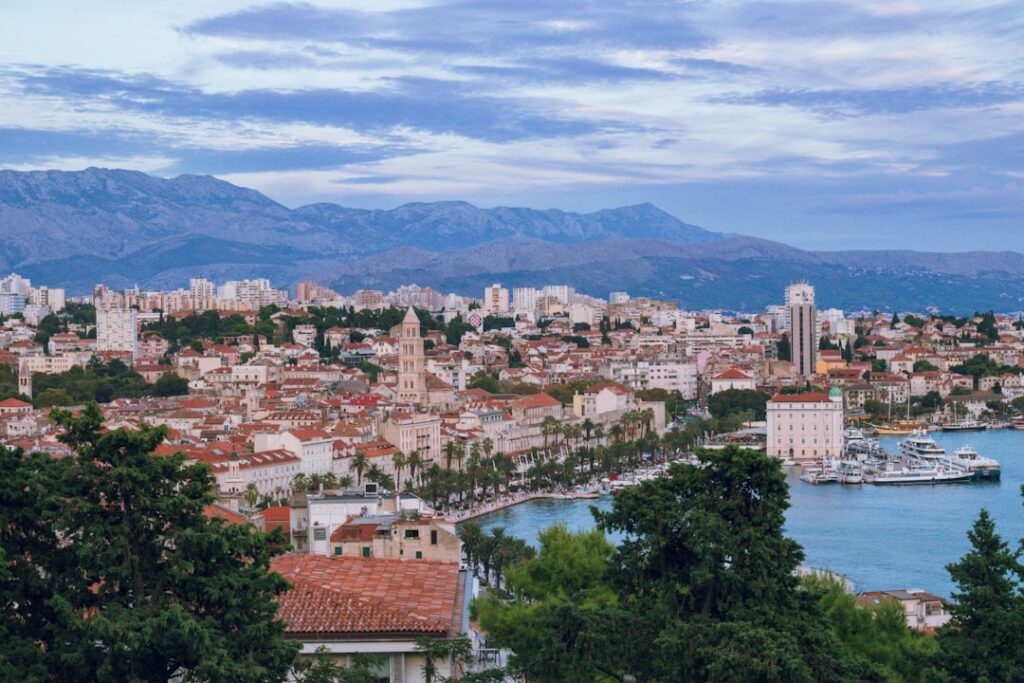






Introduction — Why choosing your neighborhood in Split changes everything
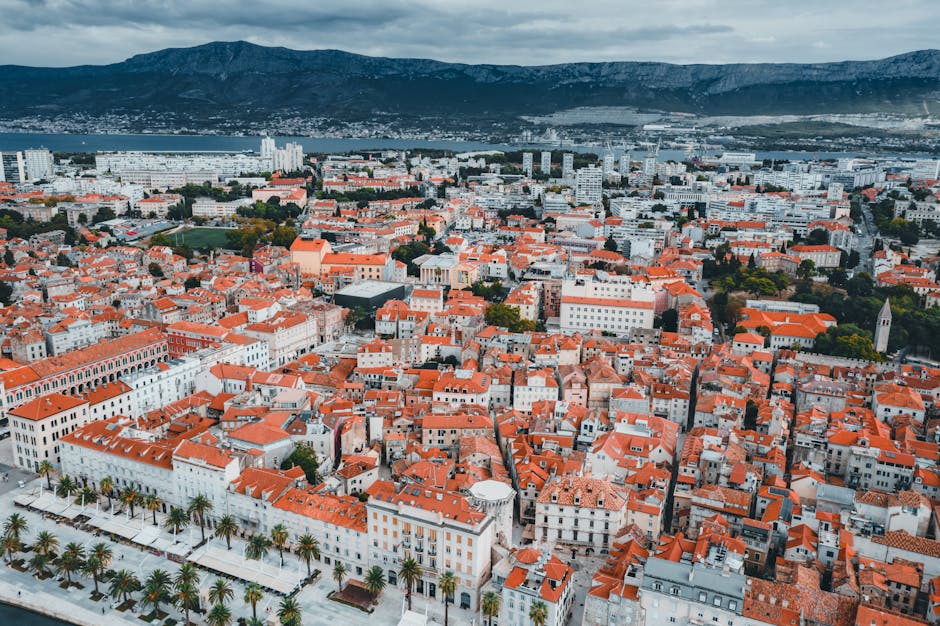
Split is more than a Croatian coastal town: it’s a living maze of Roman history, winding medieval lanes, lively cafés and beaches where locals gather. Picking the right neighborhood in Split is about more than being close to sights; it shapes your everyday experience: waking to the sound of waves, morning walks across the ancient stones of Diocletian’s Palace, aperitifs on a terrace at sunset, or sleeping in after a bohemian night out. This guide explains Split’s main neighborhoods based on the vibe you want and the transport options you’ll need, with exact addresses, practical hours, prices in euros and local tips to help you get around.
Split is compact but varied: the historic center (Peristil and the Riva) contrasts sharply with the wooded slopes of Marjan or the seaside districts like Bačvice, known for sandy beach and nightlife. History and culture lovers will want to stay closest to Diocletian’s Palace, along Peristil avenue, to wake up among ancient ruins; families will favour Bačvice for the beach and easy ferry access; peace-seekers and panoramic-view fans will prefer the slopes of Marjan Natural Park. Remote workers or travelers relying on intercity transport should factor in the train station (Željeznički kolodvor Split), the bus station (Autobusni kolodvor Split) and the ferry port (Trajektna luka Split / Split Ferry Port) when choosing.
This guide is divided into clear thematic sections so you can choose according to vibe (historic, beach, residential, panoramic) and transport needs (close to airport, train, port). For each neighborhood you’ll find: an immersive description, useful addresses, practical opening hours for attractions and transport, price ranges in euros for activities or entry fees, and local tips (best times to visit, how to avoid crowds, where to eat). At the end, a quick summary helps you decide fast based on your traveler profile.
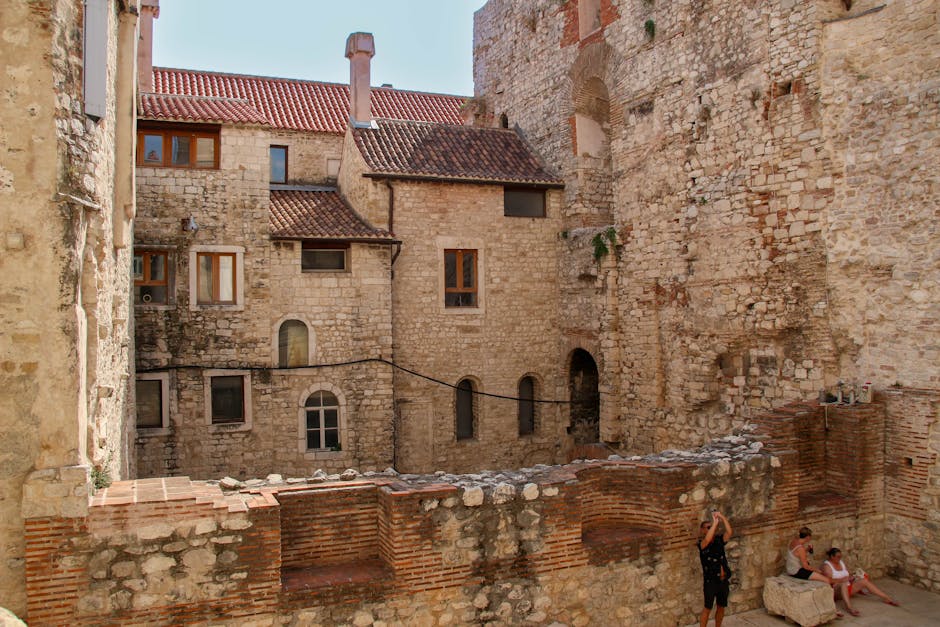
Historic center (Diocletian’s Palace / Peristil) — Roman immersion and endless walking
Split’s historic heart is centered on Diocletian’s Palace (Peristil), a Roman fortress-palace listed as a UNESCO World Heritage site. Practical address: Peristil, 21000 Split, Croatia. Here the streets are stone, façades mix antiquity and small shops, and every corner holds a discovery: the cathedral, the palace basements, craft shops and age-old cafés. The atmosphere is lively by day, more intimate at night — perfect for travelers who want to be at the center of history and explore on foot.
Attractions and opening hours:
- Peristil (Diocletian’s Palace central courtyard) — open 24/7; perfect at sunrise to beat the crowds.
- Cathedral of Saint Domnius (Katedrala Svetog Duje) — main entrance at Peristil; approximate opening hours 08:00–19:00 in high season; ticket for the cathedral and bell tower climb ≈ 6–12 EUR depending on package (2024 rates may vary).
- Basements of Diocletian’s Palace (cellars/museum) — Ul. Andrije Hebranga 13, 21000 Split; hours 09:00–20:00; ticket ≈ 6–10 EUR.
Transport and access: the historic center is a 20–30 minute walk from the Split Ferry Port (Riva 1, 21000 Split) and 20–25 minutes from the Autobusni kolodvor Split (Ul. Domovinskog rata 1, 21000 Split). The area is very pedestrian-friendly; park outside or arrive by bus/ferry and leave the car behind. Local tip: book accommodation with air conditioning — the stone alleys can hold heat in July–August.
Vibe and lodging choices: boutique hotels, historic apartments, upscale hostels. Price guidance: one-bedroom short-term rental ≈ 70–150 EUR/night in high season; double room in a 3* hotel ≈ 80–140 EUR/night. Tip: choose a place that faces an inner courtyard for quieter nights away from the lively Riva.
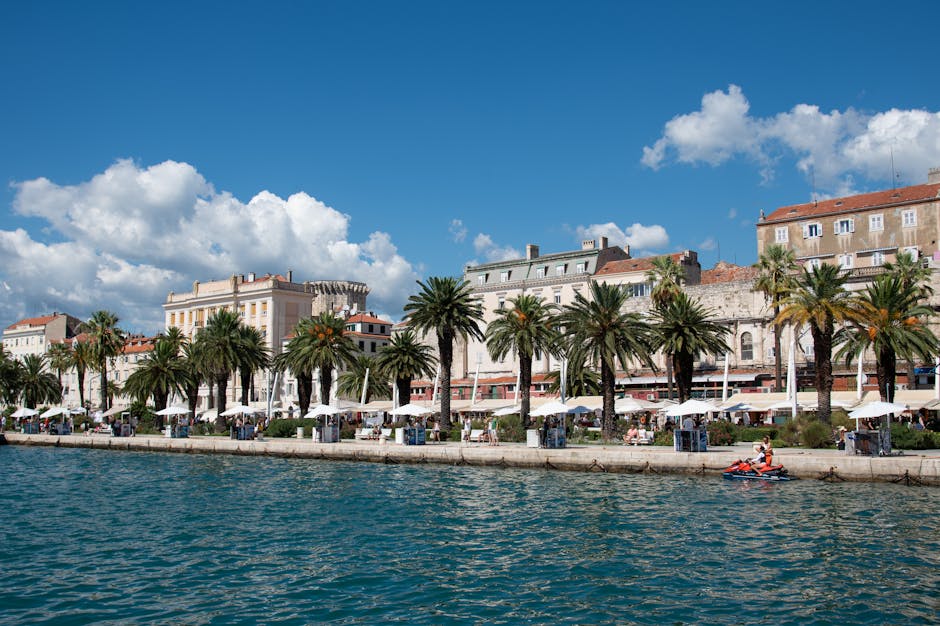
Riva and waterfront — promenades, cafés and social life by the boats
The Riva is Split’s iconic seafront promenade. General address: Riva promenade, 21000 Split, Croatia. Lined with palms, cafés and terraces, it’s the city’s social heart from dawn (joggers and dog walkers) to late night (aperitifs and impromptu concerts). Staying on or just a two-minute walk from the Riva gives you the convivial vibe, port views and direct access to ferries for Hvar, Brač, Vis and regular links to Ancona/Italy.
Transport and schedules:
- Split Ferry Port (Trajektna luka Split) — Riva 1, 21000 Split; ticket offices generally open 06:00–22:00; fares vary by destination: local ferry to Brač ≈ 6–10 EUR one-way; hydrofoil to Hvar ≈ 8–20 EUR depending on season.
- Catamaran and ferry schedules — available at ticket offices and online; in high season there are multiple daily departures to the islands, book 24–48 hours ahead for weekends.
Vibe: very touristy but lively; ideal for those who want quick access to island departures and a wide restaurant selection. Downsides: night noise and slightly higher restaurant prices. Typical prices: espresso at a terrace ≈ 1.50–3 EUR; a glass of wine ≈ 4–8 EUR; main courses ≈ 10–20 EUR depending on the restaurant.
Local tips: have your morning coffee at the café Kavana on the east side of the Riva or slip one or two streets in to find konobas (taverns) with better prices. For early island departures, arrive 30–45 minutes before the listed time in high season, especially if you have luggage.
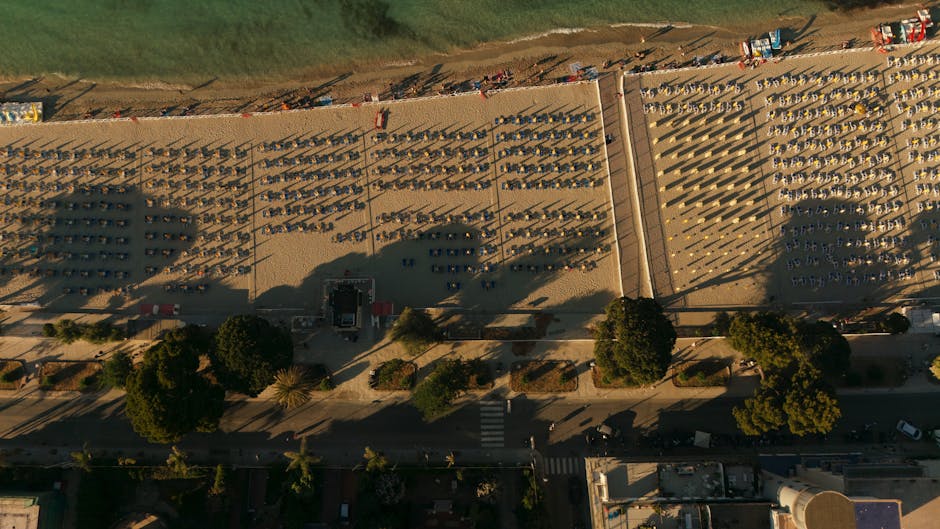
Bačvice and the city beach — sand, swimming and nightlife
Bačvice is Split’s most famous beach, prized for its fine sand (rare in Dalmatia) and urban-beach vibe. Address: Bačvice Beach, Obala kneza Domagoja, 21000 Split. This is the spot for easy swimming, picigin courts (a local beach game) and bars that come alive after 21:00. Families, young travelers and sunbathers will all find something to love.
Hours and prices:
- Bačvice public beach — open 24/7 and free to access; sunbeds and umbrellas for rent ≈ 5–12 EUR/day depending on provider.
- Restaurants and bars along Obala kneza Domagoja — generally 09:00–02:00; main dishes ≈ 8–18 EUR.
- City buses to the center — local lines every 10–20 minutes; single ticket ≈ 1.5–2 EUR if bought at a kiosk, more expensive onboard.
Vibe: busy by day and festive by night. For a balanced stay, look for accommodation 5–10 minutes walk from the beach to cut down on noise while staying close. The streets perpendicular to the shore are full of family guesthouses and furnished apartments. Local tip: avoid Bačvice on weekend nights if you want an early sleep — music can run until 02:00–03:00 in high season.
Access: Bačvice is a 15–20 minute walk from Peristil (Diocletian’s Palace) and well served by local buses. If you plan organized trips to quieter beaches (Kašjuni, Žnjan), check bus stops and morning departure times.
Marjan Hill and Žnjan — nature, panoramic views and residential calm
Marjan Forest Park is Split’s green soul: shaded trails, viewpoints over the bay and small quiet coves. Main starting point for the climb: Marjan Forest Park, Ul. Dominisova 1, 21000 Split (approximate start near the museum). Žnjan to the southeast is a developing waterfront with long promenades, new cafés and pebble beaches.
Hours & activities:
- Marjan Park — open 24/7; well-marked trails; the Telegrin viewpoint (best at sunrise) offers sweeping views of the old town and the islands.
- Kašjuni beach (in the Marjan bay) — public access; sunbeds ≈ 5–10 EUR/day; small beach restaurant open 10:00–22:00.
- Žnjan promenade — cafés and bike paths open early; bike rental ≈ 8–15 EUR/day.
Vibe: residential and sporty. Joggers, cyclists and families prefer Marjan for its calm and nature. Accommodations here are often apartments with balconies and views. Transport: local buses 12/17 reach the center in 10–15 minutes; taxi ≈ 7–12 EUR to the historic center depending on time of day.
Local tips: climb Marjan at sunset to avoid the heat and enjoy stunning light over the terra-cotta roofs. Bring water; there are fountains but not many, especially on the higher trails. If you want peace after busy sightseeing days, Marjan is the best compromise between nature and proximity to the center.
Varoš and the old residential quarter — authenticity and fishermen’s lanes
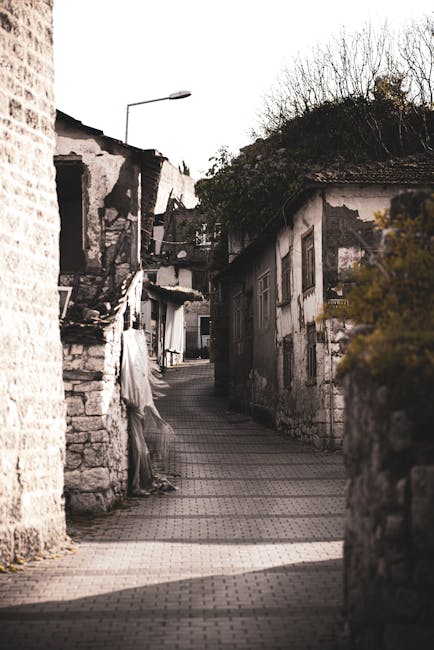
Varoš is a historic neighborhood next to the center, defined by narrow cobbled streets, weathered façades and a fishermen’s-village atmosphere. Approximate address: Varoš neighborhood, 21000 Split, Croatia. Less touristy than Peristil, Varoš still offers family-run konobas serving fresh fish, old-school taverns and a calmer local life while being only minutes on foot from the main tourist areas.
Vibe and prices:
- Meal in a typical konoba — fish dish ≈ 12–20 EUR; Dalmatian salad ≈ 5–7 EUR.
- Wandering the lanes — ideal in early morning or late afternoon for the best light and gentleness.
- Access to the waterfront (Riva) in 5–10 minutes on foot.
Local tips: staying in Varoš gives a more authentic experience and often more reasonable accommodation prices than Peristil. Check for air conditioning and noise level if an apartment faces a narrow lane. Locals recommend konoba Varos for a quiet dinner away from the crowds, but reserve for summer evenings.
Practical transport — airport, bus, train and ferry: where to stay depending on arrival
Your arrival point can dictate the ideal neighborhood. Practical info:
- Split Airport (SPU) — Put Trstenika 19, 21211 Kaštela; shuttle bus to Split (Promet Split) every 30–60 min; ride ≈ 30–40 minutes; ticket ≈ 4–7 EUR depending on destination (city center/ferry port); schedules adapt to flights, but check night services.
- Autobusni kolodvor Split (Bus station) — Ul. Domovinskog rata 1, 21000 Split; many national and international connections; open 24/7 for arrivals, shops and kiosks vary; taxis and city buses available outside the station.
- Split Train Station (Željeznički kolodvor Split) — Ul. Antuna Mihanovića 16, 21000 Split; more limited connections; ideal if you arrive/depart by train, but the station is not the main ferry hub.
Tips for choosing a neighborhood based on transport: if you arrive late by plane, favor accommodation near the port or bus station (Riva/Center) to reduce stress. If you plan to rent a car, choose a residential area like Žnjan or Marjan which offer private parking and more space.

Conclusion — Which neighborhood to choose based on your travel profile
To sum up and help you decide: if you’re a history buff who wants to live the city day and night, pick the historic center (Peristil / Diocletian’s Palace). For seaside sociability and quick island departures, stay near the Riva and the port (Riva promenade). If a city beach and nightlife are your priorities, Bačvice is for you — but book an apartment slightly off the main strip for more peace. Nature lovers and fans of panoramic views should opt for Marjan, while those seeking authenticity and better accommodation prices will prefer Varoš.
In practice, consider three parameters: desired vibe (historic, beach, residential), access to transport (airport, bus, ferry) and your noise tolerance. Also keep practical details in mind: opening times of main sites (cathedral ≈ 08:00–19:00 in summer), ferry price estimates (6–20 EUR), and accommodation costs that vary widely by season (70–150 EUR/night for a good apartment in high season). Always book ahead for July–August, bring comfortable shoes for the cobbles and aim for early or late visits to avoid heat and crowds.
Finally, don’t forget to explore beyond your neighborhood: Split is compact and every area has its own character, and the best way to choose is to define your priorities (beach, history, calm, transport) then pick the neighborhood that offers the most of what you want. Have a great trip and enjoy the unique sounds, smells and views Split offers around every corner.