




Introduction — Split’s Riva: What They’re Selling vs. The Reality of the Seafront Terraces
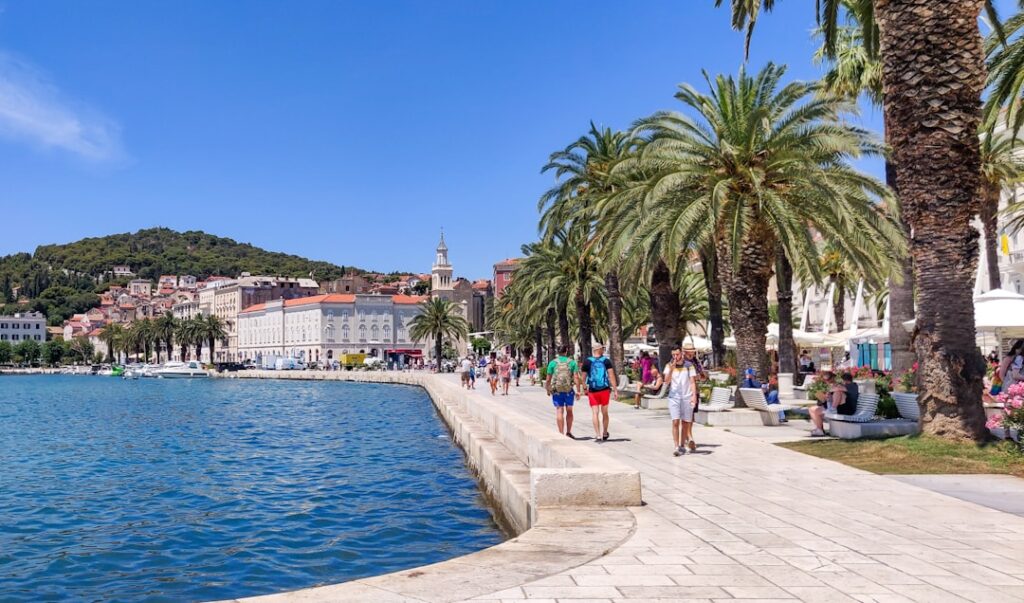
The Riva in Split, officially Obala Hrvatskog narodnog preporoda, is the city’s most famous waterfront promenade. Its paved ribbon runs along the Adriatic and frames the entrance to Diocletian’s Palace — marketed as the perfect spot for a sunny coffee, a romantic aperitif at sunset, lively terraces and effortless boat views. Promotional images show lined-up terraces, waiters in aprons, smiling tourists and reasonably priced menus. The reality, as usual, is more nuanced. Between the undeniable beauty of the site and the commercial logic that took hold, the Riva hides practical and economic facts every savvy traveler should know.
In this introduction I want to set the stakes: why is the Riva so magnetic? What expectations do local operators and tour guides sell? And most importantly, what should you know before you sit down on a terrace? Along Obala Hrvatskog narodnog preporoda (official address: Obala Hrvatskog narodnog preporoda, 21000 Split, Croatia) you’ll find historic cafés, contemporary cocktail bars, seafood restaurants and gelato shops. Terraces are often presented as places where you pay as much for the atmosphere as for the food. Expect higher prices than in the side streets, slower or reduced service when it’s busy, and quick table turnover in high season.
This guide isn’t here to bash the Riva: it remains a must-see when visiting Split — it’s the city’s maritime showcase and a local meeting point. But the goal is to put the commercial promises into perspective. You’ll find exact addresses, indicative prices in euros (coffee, beer, aperitif, main dish), practical opening hours, immersive terrace descriptions and local tips to get the most from your visit without surprises. Whether you’re after a quick drink, an elegant dinner or just a sunny bench, understanding terrace dynamics will help you enjoy the Riva more clearly and more fully.
1) The Facade They Sell: What the Terraces Promise (and Why It Works)
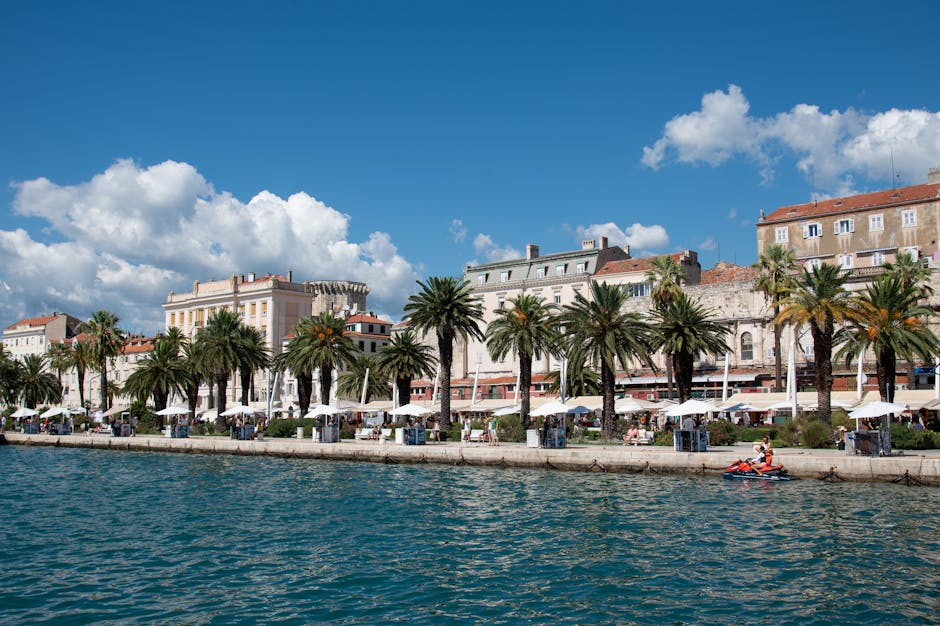
The terraces on the Riva sell an experience: Roman architecture in the background, the lap of the sea, palm trees, refreshing drinks and attentive service. That promise works because it combines several emotional and practical elements. Postcard photos show smiling waiters taking orders, foamed cappuccinos and plates of crispy calamari on white tablecloths — all at the foot of Diocletian’s Palace (Peristil, Dioklecijanova palača, 21000 Split). Operators have learned they’re not just selling food, they’re selling an essential backdrop.
Practically speaking, here’s how the staging works: most large terraces are positioned facing the central quay (Obala Hrvatskog narodnog preporoda) and use uniform furniture, often rented from terrace-furniture suppliers. The row of tables creates an impression of opulence and order. Menus posted at the entrance highlight “local” dishes (grilled fish, buzara seafood, pašticada) with appetizing photos. Service relies on product sheets and often on the psychology of visible waiting — a visible queue makes a place seem desirable.
- Typical posted prices: coffee €1.50–3.50, local beer €3–6, fish main €12–28 depending on the place.
- Common hours: 07:00–23:00 in low season; 07:00–01:00 in high season (June–September).
- Draw: views of the marina and direct access to Diocletian’s Palace.
However, these displays hide nuances: terrace surcharges (extra charge for outdoor seats), service not included (10–15% sometimes applied discretely) and portion variations. Visitors should know the commercial intent takes precedence: many places target short-stay, high-turnover customers — the “table occupied = popularity” effect. The Riva sells spectacle, and the terraces monetize it. Understanding this will help you make smarter choices: enjoy the scene without paying for an illusion.
2) The Practical Reality: Actual Prices, Menus and Tips to Avoid Traps
On the Riva, the price listed on the menu is sometimes just the beginning. In high season (July–August) expect markups: the informal “sea view surcharge” can add 10–30% to the price you thought was reasonable. Here are some benchmarks and practical tips.
Price benchmarks (realistic estimate for 2026):
- Espresso on a terrace: €1.50–3.50 (if seated on the terrace, more like €2.50–4.50).
- Local beer 0.5 l: €3–6, simple cocktail: €6–12.
- Seafood main course (calamari, grilled fish): €12–28 depending on size and quality.
- Sharing plate / mezze: €8–18.
Tips to avoid unwelcome surprises:
- Check the menu before you sit: some places put the menu outside; others keep it hidden. If the final price isn’t clear, ask what the terrace seating will cost before you sit down.
- Ask if service is included: if the bill states “service non included,” plan for an extra 10–15% or refuse to pay if that wasn’t disclosed up front.
- Compare with side streets: Ulica Marmontova (Marmontova 1–20) and the alleys around the Fruit Market often offer better value for the same dish.
- Timing: for a less touristy and often cheaper experience, aim for early morning (08:00–10:00) for coffee or after 21:30 for a quieter dinner.
Concrete examples: if you have an espresso on a terrace at 10:00 listed at €2.50, you’re often paying as much for the view as for the coffee. Sometimes it’s better to walk into an adjacent café, order at the counter and stand to drink for half the price. Likewise, for a seafood dinner, check whether the restaurant lists the fish’s origin: “fresh catch” signals quality but also a higher price.
3) The Sensory Experience: Atmosphere, Service and Small Local Realities
Nothing replaces a sensory description to understand the Riva: you’ll hear sails flapping, conversations in multiple languages, the occasional cry of a street vendor, the steady roll of bicycles and, of course, heels tapping on the stone slabs. Furniture ranges from modern café sets to well-worn rattan chairs. White parasols and palms add that Mediterranean feel. But this experience is punctured by the reality of service and tourist flows.
Service depends a lot on staff and pace. In summer, servers juggle twenty to fifty covers per service: speed often trumps attentive, personalized care. In low season, you’ll find more available servers, sometimes happy to swap local tips (best fish market, hidden beach, trips to Brač, etc.).
Practical aspects:
- Noise: the Riva is loud in high season; if you want quiet, head for the inner alleys or the cafés up on Marjan hill (Marjanski park) for different views and a calmer vibe.
- Cleanliness: terraces are generally well kept; the waterfront may be swept several times a day. Narrow lanes, however, can retain signs of the night’s activity until morning.
- Safety: safe during the day, just stay aware at night like you would in any tourist spot.
Local tip: if you want to chat with residents, avoid the main terraces and look for small tables around Gajeva Square (Trg Gajeva) or in the alleys leading to the Fish Market (Pazar — Green Market, address: Ulica Grgura Ninskog 2, 21000 Split). These spots offer a more authentic vibe and often lower prices.
4) Smart Alternatives: Where to Go If You Want to Skip the Riva’s Marketing
While the Riva has its charm, several nearby alternatives offer an equally rich cultural experience, often with better value. Here are options and addresses worth knowing:
- Marmontova Street (Ulica Marmontova): running parallel to the Riva, this pedestrian avenue is full of cafés and shops. General address: Ulica Marmontova, 21000 Split. Prices are often 10–25% lower than on the Riva.
- Green Market / Pazar: Ulica Grgura Ninskog 2, 21000 Split — a daily fresh-produce market; perfect for assembling a picnic to take up to Marjan hill.
- Marjan Park (Marjanski park): trails, viewpoints and occasional cafés. Entrance from Ulica Ivana Gundulića, 21000 Split — ideal for escaping the crowds and enjoying panoramic views.
- North Riva toward Luka Split (Split Port): for terraces that are less touristy and restaurants frequented by locals.
These alternatives let you taste Split without paying the Riva’s landscape premium. They’re also useful if you’re traveling with family or on a tighter budget. For instance, buying fish at the Pazar and cooking it in a rental can cost much less than a Riva seafood dinner.
Conclusion — How to Enjoy the Riva Without Getting Ripped Off
The Riva in Split is almost obligatory: it offers exceptional views, a unique Mediterranean atmosphere and immediate proximity to the Roman heritage of Diocletian’s Palace (Peristil, Dioklecijanova palača, 21000 Split). However, this guide encourages a clear-eyed, practical approach. The first rule is simple: check before you sit. Inspect menus, ask whether service is included, compare prices and don’t be afraid to walk a few dozen meters for a better deal.
Second rule: time it right. Off-peak hours (early morning for coffee or late at night for dinner) give a more authentic and often cheaper experience. Third rule: combine the Riva with alternatives: enjoy the view from the promenade, then move elsewhere to eat or drink. Marmontova, the Pazar and Marjan Park are excellent complements.
Finally, remember that you’re partly paying for the atmosphere. If the visual experience is worth it to you, accept that and savor the moment — order a local drink (Ožujsko beer or a carafe of house wine) and let the setting become part of the memory. If you travel smart, you can have the best of both worlds: the Riva for the view and history, and the alleys and markets for taste and real local life.
In short, the Riva sells you a postcard; the reality of its terraces mixes authenticity, commerce and tourist logic. With a little attention — reading menus, comparing prices and options off the promenade, choosing the right hours — you’ll leave satisfied, with no regrets and a richer, truer experience of Split.