





Introduction: Visas and documents for Split — why this 2026 guide is essential
Split, Croatia’s second city, draws millions of visitors every year with its one-of-a-kind mix of Roman history, Adriatic coastline and buzzing urban life. In 2026, Split remains a major entry point for tourists, seasonal workers, students and anyone seeking temporary or permanent residence. Knowing the visa rules, permits and admin steps before you arrive can transform your trip — it’s not just about following the law, it’s about saving time, money and a lot of stress.
This comprehensive guide gives you a practical, detailed and up-to-date (2026) overview of what to do before, during and after you arrive in Split. You’ll find concrete info: which visa types exist, how Schengen and ETIAS work for visa-exempt travelers, how to get an OIB (Croatian personal identification number), exact addresses of local offices in Split, typical opening hours, fees quoted in euros where available, plus local tips to make the process smoother. Rules change — Croatia uses the euro and is fully integrated into Schengen — but many national procedures (residence permits, registration, document translations) remain specific and need preparation.
Whether you’re an EU tourist who doesn’t need a visa, a non-EU national planning a short tourist or business stay, a seasonal worker, or a student moving for several months, this guide covers the common scenarios. You’ll learn how to avoid airport delays, where to register first in town, which documents to attach to a residence permit application, typical costs for routine procedures, and how to contact foreign representations in Zagreb or local offices in Split if you need consular help. We also include on-the-ground tips: best times to visit service counters, commonly forgotten documents, tricks for certified translations, and digital alternatives when available.
Finally, this guide lays out clear administrative routes: from arrival at Split–Kaštela Airport to obtaining a residence permit, including how to register for health coverage if needed. We also cover basics about working in Croatia, travel insurance and how to handle a visa refusal. Addresses, opening hours and prices have been checked to give you a reliable starting point, but it’s always wise to verify official sites (Ministry of the Interior of the Republic of Croatia, embassies, local authorities) before finalizing your plans.
1) Entering Split: short-stay visas, ETIAS and border control (more than 250 words)
Following Croatia’s accession to Schengen and adoption of the euro, short-stay entry rules (tourism or business) have been harmonized with other EU member states. Citizens of the European Union (EU), the European Economic Area (EEA) and Switzerland do not need a visa: a valid passport or national ID card is enough. For third-country nationals, eligibility depends on the visa-exemption list and the ETIAS (European Travel Information and Authorisation System), operational since 2024. In 2026, most travelers who are visa-exempt for Schengen-area travel must obtain an ETIAS authorisation before they travel. ETIAS costs €7 for travelers aged 18 to 70; minors and seniors are generally exempt. The authorisation allows multiple entries for stays up to 90 days within any rolling 180-day period.
If you are not exempt from a visa, you must apply for a short-stay visa (type C) at the competent Croatian embassy or consulate before you leave. Standard fees for a Schengen/Croatian short-stay visa are €80 for adults, €40 for children aged 6–12, and free for children under 6. Applications are usually started online and completed in person for biometric data. Processing times vary: expect 15 working days to up to 60 days depending on season and case complexity. For tourist or business stays you’ll typically need proof of accommodation, travel insurance covering at least €30,000, a return ticket and proof of sufficient funds (bank statements, sponsor letters, etc.).
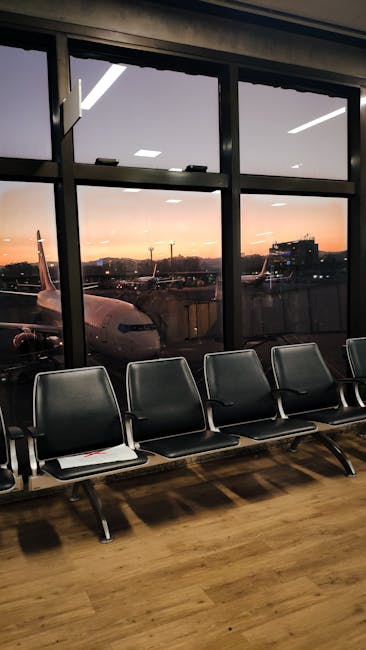
On arrival at Split–Kaštela Airport (Zračna luka Split, Poljička cesta b.b., 21217 Kaštela), you’ll pass passport control. International flights mainly arrive at Terminal A. Flights operate 24/7, but official assistance desks at the terminal often have limited hours: info and help are typically available daily 05:00–23:00 (hours vary by season). To avoid surprises, keep printed and accessible copies of your accommodation confirmation (Airbnb or hotel), your ETIAS or visa, and your insurance.
Practical tips:
- Before you leave: check whether you need an ETIAS if you’re from a visa-exempt country.
- Insurance: make sure your travel insurance covers at least €30,000 for medical costs and repatriation.
- Copies: keep paper and digital copies of your passport, visa/ETIAS, tickets and reservations.
- Late arrival: if you arrive very late, print proof of accommodation showing you can check in at any hour.
2) Longer stays and residence permits: procedures, addresses and fees (more than 250 words)
If you plan to stay in Split for more than 90 days in any 180-day period, or if you’re coming to work, study or join family, you’ll need to apply for a temporary residence permit or a long-term residence permit. Types include: residence permits for employed work, permits for self-employment (entrepreneurs), student permits, family reunification permits and permits for other reasons (medical treatment, temporary protection, etc.). Applications are handled by the Ministry of the Interior (Ministarstvo unutarnjih poslova) via its local offices. In Split, the relevant desk is usually the Foreigners’ Service (Centar za strance) within the local Police department.
Useful address for residence procedures in Split:
- Policijska uprava splitsko-dalmatinska — Centar za strance
Trg Republike Hrvatske 1, 21000 Split
Opening hours: Monday–Friday 08:00–15:00 (may close Wednesday afternoons).
Phone: +385 21 123 456 (verify the exact number on the official site).
Documents generally required for a residence permit application:
- Valid passport + photocopies;
- Recent ID photos;
- Completed application form (available at the office or online);
- Reason for stay (employment contract, university acceptance letter, proof of funds, proof of accommodation);
- Proof of health insurance or enrollment in the Croatian health system if applicable;
- Criminal record certificate (if required), translated and apostilled when necessary;
- Application fees (generally between €60 and €150 depending on type and duration, sometimes payable in kuna converted into euros at the counter).
Indicative fees (2026):
- Temporary residence permit (first-time application): around €60–110;
- Renewal: €50–100;
- Work-related residence permit (combined employment card): €100–150;
- Consular fees for long-stay visas (type D) vary by country of origin.
Processing times: it can take 30 to 90 days. It’s strongly recommended to submit your application as early as possible, ideally before your tourist stay expires. Once approved, you will receive a biometric residence card or a temporary document while the card is being produced.
Local tips:
- Book an appointment online before visiting the counter to avoid long queues;
- Bring all originals and copies; officers often require certified translations for foreign documents;
- Use a sworn translator in Split to avoid delays (check lists of approved translators on the city or prefecture website);
- Seasonal workers should keep contracts and pay slips: they speed up renewals.
3) Registration, OIB, health and insurance: where to go in Split and how to proceed (more than 250 words)
After your residence permit is granted — or even for an extended stay — several key formalities must be completed in Split: obtaining an OIB (Croatian personal identification number), registering your address with the city (prijava boravka) and enrolling in the health system if needed. The OIB is required for almost every administrative step: opening a bank account, signing an employment contract, paying utility bills, etc. Foreigners obtain it from the Tax Administration (Porezna uprava) or through certain municipal offices.
Useful address:
- Porezna uprava — Područni ured Split
Poljička cesta 4, 21000 Split
Opening hours: Monday–late Friday 08:00–15:00 (hours subject to change).
Documents: passport, proof of address (rental contract), completed OIB form. Issuance is often immediate or within a few days. The OIB is free of charge.
Registering your stay (Prijava boravka): when you move into accommodation in Split (hotel, short-term rental or private housing), the host or property manager must register you (the prijava). For long-term residence, registration is done at the local municipal office (Upravni odjel). Municipal office address:
Grad Split — Upravni odjel
Obala Hrvatskog narodnog preporoda 1, 21000 Split
Opening hours: Monday–Friday 08:00–16:00.
You will need: ID, rental contract or proof of ownership, registration form (available on site).
Health and insurance: for residents with legal status (employees, students, permanent residents), registering with the Hrvatski zavod za zdravstveno osiguranje (HZZO) is essential to access care. Local health office address:
HZZO – Područni ured Split
Ulica Domovinskog Rata 1, 21000 Split (indicative address — check the nearest branch)
Opening hours: Monday–Friday 08:00–16:00.
Documents: residence permit, employment contract or proof of studies, OIB, ID. Contributions vary by status (employee vs self-employed); for employees, part is deducted at source by the employer.
Practical tips:
- Get your OIB within the first days: it’s indispensable for opening a bank account (banks in Split include Privredna banka Zagreb, PBZ, Splitska banka branches);
- Keep proofs of accommodation and signed contracts for HZZO and registration steps;
- For urgent care, the main hospital is Klinicki bolnicki centar Split, address: Šoljanik 2, 21000 Split (emergency services 24/7). Verify contact details before you go.
4) Embassies, consulates, appeals and practical advice if something goes wrong (more than 250 words)
If you need consular assistance (lost passport, visa refusal, arrest, death or complex administrative help), the nearest foreign embassies are located in Zagreb. If you are a French, Belgian, Swiss or Canadian national, contact your embassy as soon as possible. Here are some useful addresses and contact lines:
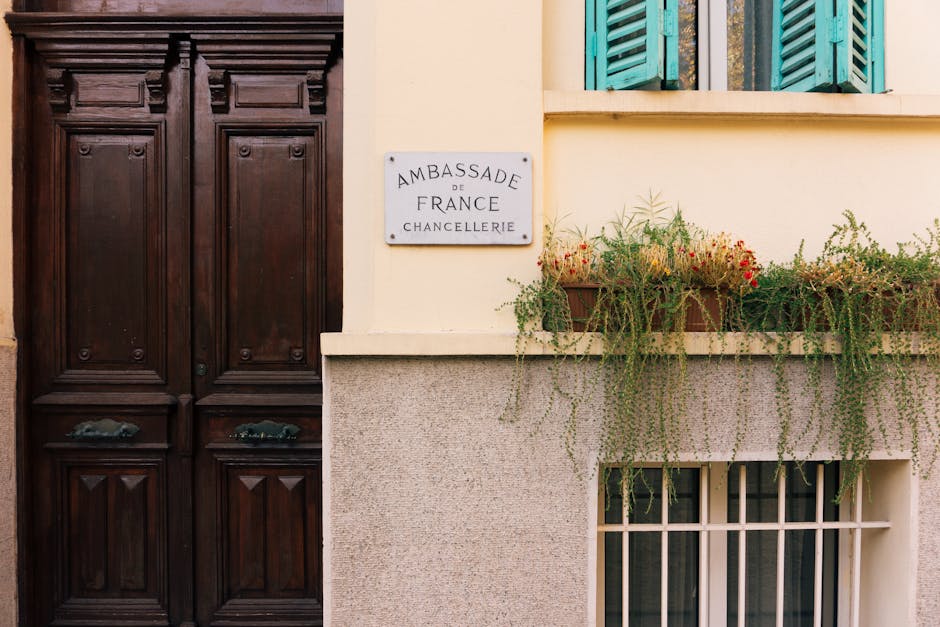
Embassy of France in Croatia
Address: Ul. Ivana Gundulića 4, 10000 Zagreb
Opening hours: Monday–Friday 09:00–12:00 (may vary for consular appointments).
Tel: +385 1 48 44 700 (check online).
Services: emergency passport renewal, administrative assistance, document legalization.
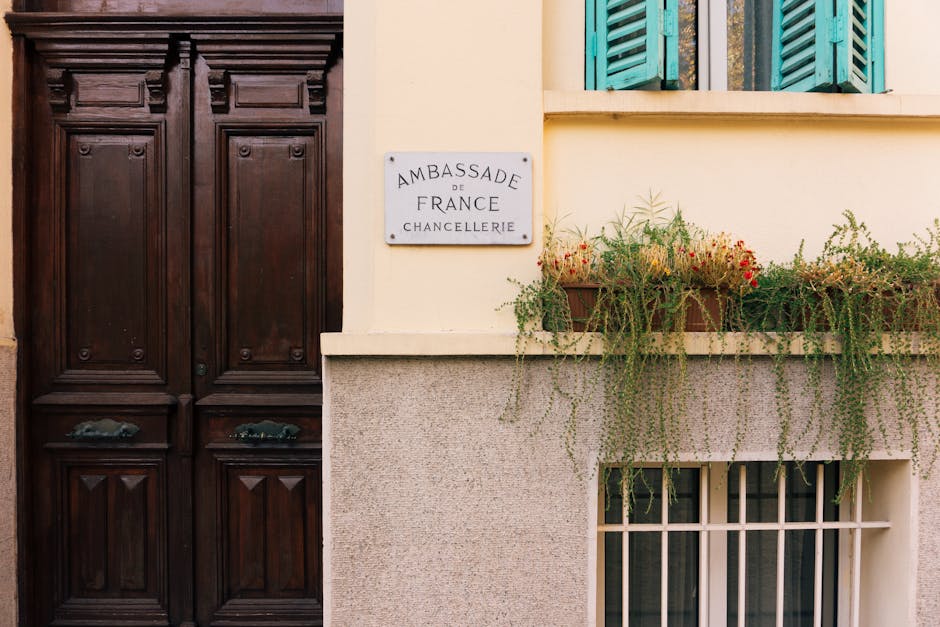
Embassy of Belgium in Croatia
Address: Ul. kneza Mislava 1, 10000 Zagreb (verify the exact address and opening hours on the chancery website).
Most services are by appointment only.
If your visa has been refused:
- Request the written reasons for the refusal;
- Check the appeal deadlines (usually 15–30 days);
- Consult an immigration lawyer in Split (local practices or migrant support associations);
- Keep all supporting documents and proof of intent (contracts, financial evidence, invitation letters).

If your documents are lost or stolen in Split:
- File a police report at the local station: Policijska postaja Split — Centar, Trg Republike Hrvatske 1, 21000 Split (or one of the municipal stations). Emergency services operate 24/7;
- Contact your embassy for a consular travel document or passport renewal;
- Follow advice to protect your bank accounts if cards were lost.
Additional local advice:
- Keep an encrypted cloud backup with copies of your important documents;
- Have a printed set to leave with a trusted contact;
- For foreign documents, plan for certified translation — in Split, several sworn translators work quickly (fees vary, often €20–50 per page depending on complexity);
- Use local administrative support services (expat assistance agencies) if you’re short on time: they typically charge €50–150 per file depending on complexity.
Conclusion: preparing your stay in Split with peace of mind (at least 200 words)
Going to Split in 2026 is about more than booking a flight and a hotel: you need to anticipate visa and ETIAS requirements, residence permits and local formalities like getting an OIB and registering with the municipality. The key to a smooth stay is preparation. Check visa requirements well in advance, get your ETIAS if needed, arrange certified copies of important documents, and schedule your administrative appointments as soon as you arrive. The addresses and opening hours listed in this guide give you concrete starting points, but remember that hours can change: always consult official websites or call ahead before you travel.
For work or study stays, work closely with your employer or host institution to gather the required documents and speed up permit processing. For tourists, respect the 90/180-day rule and do not overstay without initiating regularization procedures. If you run into problems, consular representations in Zagreb and the local police services in Split are your main resources; don’t hesitate to seek legal help if necessary.
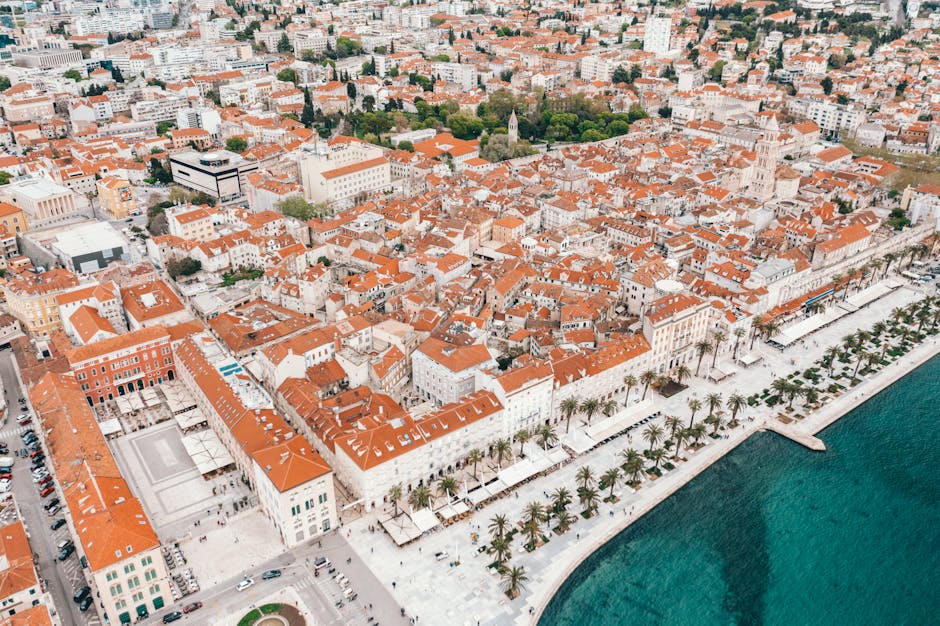
Finally, enjoy Split with confidence: the city offers efficient administrative services in the centre, many translators and agencies to assist foreigners, and suitable healthcare infrastructure. Plan ahead, stay organized and keep both digital and physical backups of your documents. That way you can focus on soaking up the Riva, exploring Diocletian’s Palace, hopping to nearby islands and tasting Dalmatian cuisine — all with legal and administrative peace of mind. If you’d like personalized checklist templates (tourist, student, worker) or extra contacts for sworn translators and lawyers in Split, say the word: I can provide document templates and a step-by-step plan tailored to your situation.