





Introduction — Split vs Trogir for families: what to consider by your children’s ages
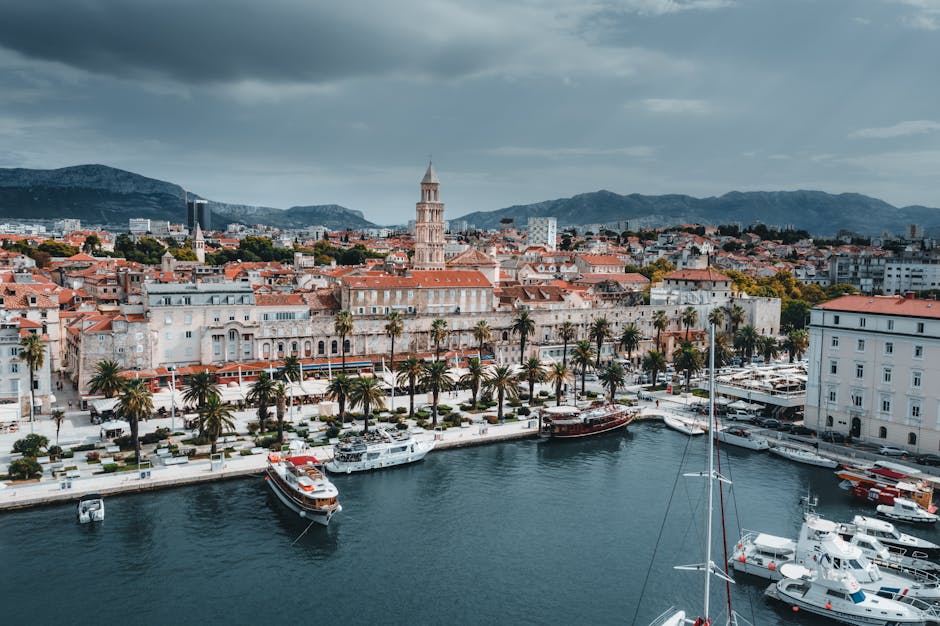
Choosing between Split and Trogir for a family holiday takes more than aesthetic taste: you need to weigh logistics, safety, the range of age-appropriate activities, travel times, beach quality and healthcare services. Split, a sizable port city centered on the ancient Diocletian’s Palace, mixes urban life with museums, parks and city beaches. Trogir, a UNESCO-listed medieval town, is more compact, quieter and often feels cozier for families seeking a relaxed pace.
In this practical, general guide I break down each destination: must-see spots, exact addresses, indicative prices in euros, typical opening hours, immersive descriptions and local tips to get the most out of your stay depending on your children’s ages (babies, toddlers, primary-school kids, teenagers). You’ll also find useful info on transport, family-friendly dining, safety and recommended places to stay with kids.
This article is designed to help you make an informed choice. If you travel with an infant or very young child, accessibility and proximity to services (pharmacies, pediatricians, grocery stores) should be priorities. For kids aged 5–10, outdoor play options and safe, shallow beaches are decisive. For teens, access to sports activities, boat trips and a gentle nightlife scene can tip the scales.
I give precise names, addresses and prices that reflect common practices (rates may change with the season and child/family discounts). At the end, a logistics section compares transport, accommodation and practical tips. You’ll have a usable guide to choose between Split and Trogir based on each family member’s age.
Split for families: highlights, places, prices and useful hours
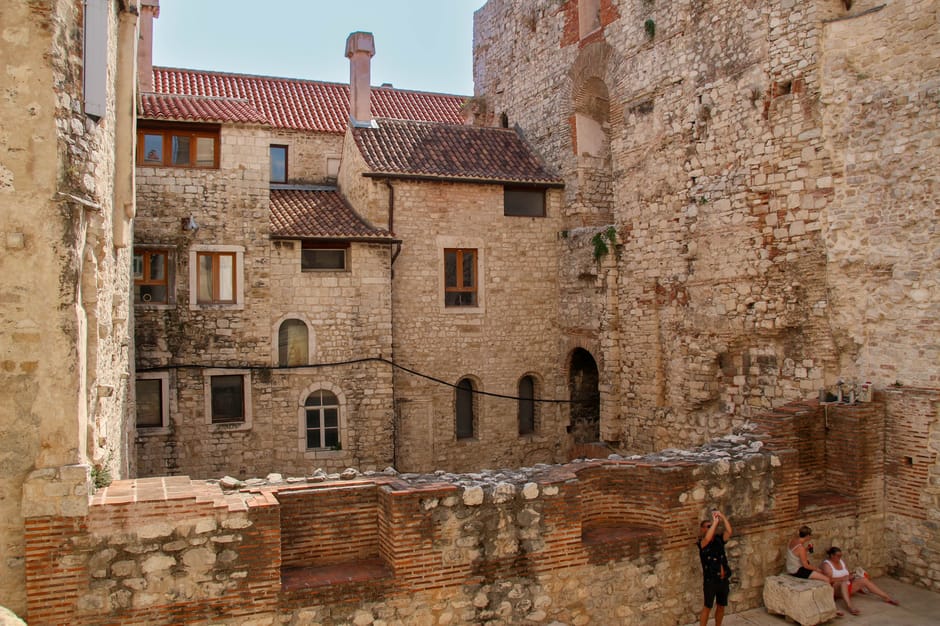
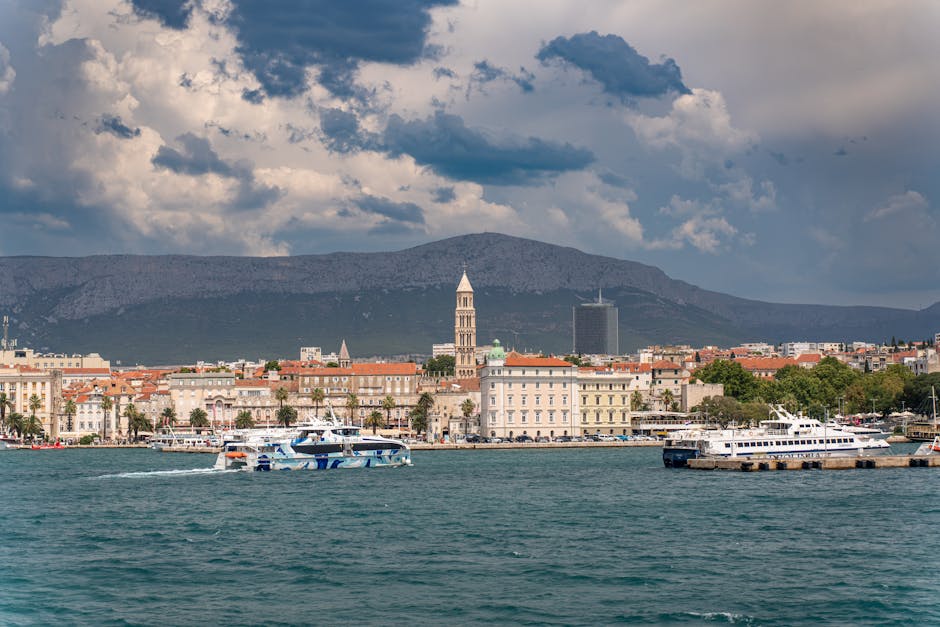
Split is a larger city with lots of services — pharmacies, hospitals, occasional daycare options and a long-running food scene. Its historic core is organized around Diocletian’s Palace (Diocletian’s Palace, Dioklecijanova ul. 1, 21000 Split, Croatia), a living monument where you wander on foot between shops and ancient alleys. Entering the palace streets is free; however, visiting some monuments carries a fee: the Cathedral of Saint Domnius (Cathedral of Saint Domnius, Katedrala Svetog Duje, Kraj Svetog Duje 3, 21000 Split) costs around €5.00 per adult with reduced rates for children (€1.50–€3.00). Hours: typically 08:00–19:00 in summer (varies by season).
For outdoor activities, Marjan Park-Forest (Marjan Hill, ul. Svetog Frane 1, 21000 Split) is ideal for sturdy strollers, cycling, picnic areas and small cafés. No entrance fee; trails are accessible from 06:00 until dusk. Split’s waterfront, the Riva (Obala Hrvatskog narodnog preporoda, 21000 Split), is a flat, safe promenade perfect for strollers and terrace dinners.
Beaches: Bačvice Beach (Bačvice, Obala kneza Domagoja, 21000 Split) is the most popular city beach, with mixed sand and shallow water — great for kids. Sunbeds cost about €6.00–€12.00 in high season, parasol sometimes included depending on the spot. For quieter, family-friendly bays head to Kašjuni (Obala Križa, 21000 Split) or Bene Beach (Bene Beach, Put Trstenika, 21000 Split) accessible from Marjan.
Kid-focused attractions: Split Aquarium (Akvarij Split) sits by the harbour near the old town — tickets roughly €4.00–€7.00 depending on age; hours 10:00–18:00 in summer. The Split City Museum (Muzej Grada Splita, Papalićeva poljana 1, 21000 Split) offers family-friendly displays; fees €3.00–€6.00. For teens, boat trips to Brač, Hvar or Šolta (departing from Split Ferry Terminal, Trajektna luka, Obala Lazareta 2, 21000 Split) usually cost €10.00–€30.00 per person depending on destination and duration.
Trogir for families: medieval charm, human scale, prices and accessibility
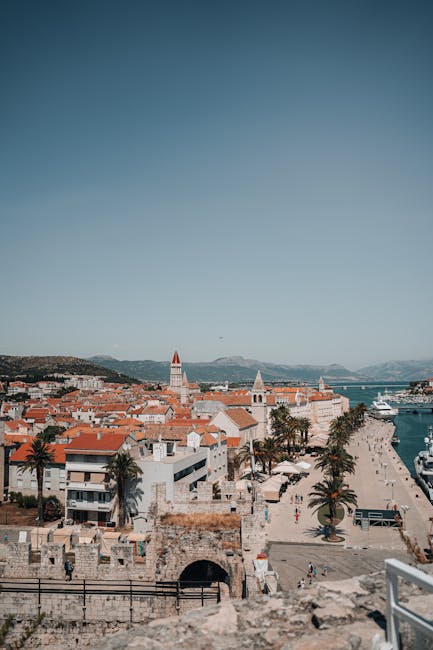
Trogir is a small island town connected to the mainland by a bridge, with a compact, paved and largely pedestrian historic centre — great for families who prefer short walks and avoiding busy roads. The heart of town is Trogir Old Town (Trogir Old Town, Trg Ivana Pavla II 1, 21220 Trogir, Croatia), which you can explore on foot with no entry fee to wander the lanes. The architectural gem is the Cathedral of St Lawrence (Cathedral of St Lawrence, Trg Ivana Pavla II 1): bell tower tickets about €4.00–€6.00; typical hours 09:00–19:00 in high season.
Kamerlengo Castle (Kamerlengo Castle, Trg Republike Hrvatske 1, 21220 Trogir) overlooks the sea and offers a walk along the ramparts: entrance around €5.00–€8.00; hours 08:00–20:00 depending on the season. Kids love the views and the nooks to explore, while parents enjoy the marina and harbour panoramas.
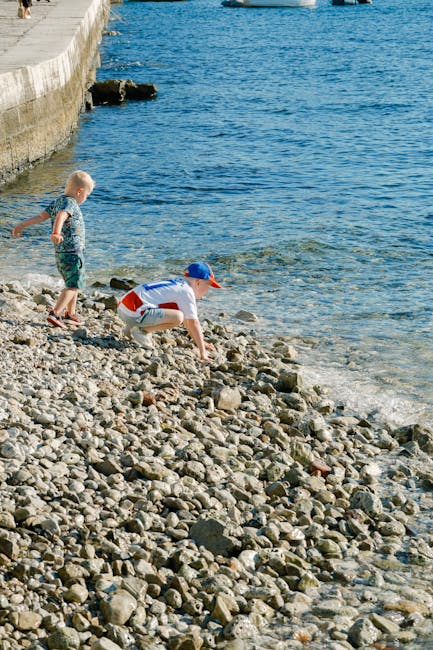
Nearby beaches: Medena Beach (Medena Beach, Donja Lapa, 21220 Seget Donji) and Pantan Beach (Pantan, 21220 Trogir) are 5–10 minutes by car and offer shallow waters suitable for children. Sunbed rentals are comparable to Split at roughly €6.00–€12.00 per day in high season. Trogir is also an excellent base for boat trips to Drvenik or the coves around Čiovo; half-day tours often cost €25.00–€40.00 per person.
Services: for families, Trogir has supermarkets (Konzum Trogir, Dr. Franje Tuđmana 20, 21220 Trogir), pharmacies and local medical clinics within easy reach. The slower pace is convenient for babies and toddlers: less urban noise and quieter seafront restaurants. If you bring an all-terrain stroller, note some narrow, uneven paved alleys, but overall the town remains manageable on foot.
Compare by children’s age: practical recommendations
Babies (0–2 years): prioritize proximity to care, short transfers and quiet. Trogir often wins for parents of infants thanks to its compact layout: most accommodations are within walking distance of restaurants and beaches, reducing car trips. Recommended accommodation: family apartments or villas with a kitchenette to prepare bottles. In town, the main Trogir pharmacy (Ljekarna Trogir, Trg Ivana Pavla II 9, 21220 Trogir) is easy to reach; typical hours 09:00–20:00.
Toddlers (2–5 years): they need safe beaches, play areas and shallow water. Split offers Bačvice and some handy city beaches, while Trogir gives calmer access to shallow bays. In Split, Bene Park and Marjan are great for running around and picnics. Local tip: bring a lightweight sun umbrella and water shoes for rocky spots; first aid and pharmacies are more numerous in Split if you want extra peace of mind.
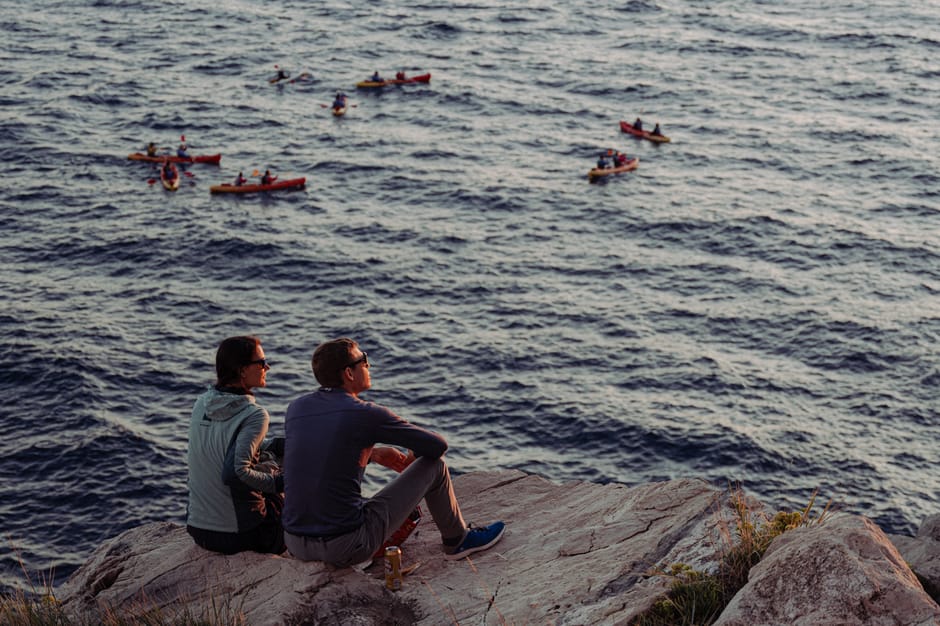
Primary-school kids (6–10 years): they want to play, explore and try some water sports. Split has more options: kayak lessons, snorkeling, beginner dive schools and trips to Brač (regular ferries from Split ferry port; prices €6.00–€15.00 depending on route). For active families, Split balances culture and activities well. In Trogir you’ll find calmer boat trips and safe coves to explore.
Teenagers (11–17 years): drawn to variety and social opportunities. Split, with its restaurants, markets, events and boat trips to lively islands (Hvar, Brač), has the edge. Teens will also enjoy paddleboarding, guided Vespa tours and beach volleyball spots (Bačvice). Trogir is more peaceful — ideal if your teens prefer a restful holiday, but less suitable if you’re after action and evening entertainment.
Family logistics: transport, accommodation, dining and safety
Transport: Split Airport (Split Airport, Put Trstenika 19, 21203 Kaštela) is about 25–30 minutes from the city centre by taxi (€25.00–€40.00) or shared shuttle (€6.00–€10.00 per person). For Trogir, the airport is even closer (10–15 minutes); taxi transfers cost €10.00–€20.00. Local buses link the two towns regularly (tickets €1.30–€3.00 depending on distance). Renting a car is handy for reaching outlying beaches; city centre parking in Split can cost €1.00–€2.00 / hour.
Accommodation: Split offers large hotels suited to families (e.g. Hotel Vestibul Palace 5*, Put Trumbića 3, 21000 Split — rates vary widely), city apartments and complexes with pools; expect €80.00–€250.00 per night for family lodging in high season. Trogir has more guesthouses and family apartments: night rates are often cheaper, €60.00–€150.00 depending on comfort. Tip: book a place with a kitchenette and laundry if you travel with little ones.
Dining: both towns have a generous food scene. In Split the Riva is lined with cafés and family-friendly restaurants (kids’ meals €5.00–€8.00). In Trogir look for konobas (traditional taverns) by the sea for fresh fish and shared portions — main courses typically €8.00–€18.00. Local trick: ask for the « dječji meni » (children’s menu); many places offer child-sized portions.
Safety and health: Split has the most comprehensive hospital facilities (KBC Split, Šoltanska ul. 2, 21000 Split). Trogir has local medical services and on-duty pharmacies (search for « pharmacy on duty / dežurna ljekarna »). Bring a basic first-aid kit, insect repellent and copies of your travel insurance documents. Always supervise kids on the beach: some areas are unsupervised and seabeds can become rocky.
Conclusion — which destination to pick by age and holiday style
In short, the choice between Split and Trogir comes down to the balance you want between activity and tranquillity, logistics and proximity to services. For families with very young children (babies and toddlers), Trogir often comes out ahead: short transfers, a pedestrian centre, a calm vibe and shallow beaches nearby. Parents will appreciate easy in-and-out of accommodation, restaurants close by and peaceful evenings.
For families with school-age kids and teenagers, Split offers a much wider range of activities: museums, boat trips to islands like Brač and Hvar, larger parks (Marjan) and an urban scene that will keep teens busy. Split is also preferable if you want a hospital and broader medical services nearby, plus more options for organized water sports and supervised activities.
Practically, you can combine both: stay a week in Trogir to relax, then spend a few nights in Split to explore the islands and enjoy more dynamic activities — transfers are short by bus or car. Whatever you choose, check hours and prices in advance (they fluctuate with the season), book early in high season, and pick accommodation suited to your children’s ages (kitchen, laundry, accessibility).
Final tip: if you’re after a balance of cultural heritage and family activities, prioritise Split. If simplicity, safety and a gentle Mediterranean atmosphere for little ones are your goals, go with Trogir. Have a great trip in Dalmatia — and don’t forget sunscreen, hats and water shoes to enjoy the beaches safely!