





Introduction: visiting Diocletian without getting duped
Split is a city you take in with your eyes and your feet. At its heart sits the palace complex of Emperor Diocletian — in Croatian Dioklecijanova palača — which is at once a major archaeological site, a lively neighborhood full of cafés, shops and apartments, and for millions of visitors, the most immediate, authentic encounter with Roman history on the Adriatic. Yet the experience can quickly get complicated: long lines, unscrupulous guides, overhyped tourist restaurants and confusion over combined tickets. This guide is written for both the traveler in a hurry and the curious visitor: it explains how to plan a full day in Split around Diocletian’s Palace, where to buy official tickets, which visits to prioritize, how to spot legitimate local providers and how to avoid the most common traps.
You’ll find a time-by-time itinerary, exact addresses (streets and postcodes), opening hours, prices clearly shown in euros, and practical tips to save time and money. The aim isn’t to turn your day into a soulless museum tour but to let you soak up the unique atmosphere of a site that’s been alive for 17 centuries, while getting fair value. We’ll also cover everyday transactions: how to take a taxi from the train station or port, which food markets to favor for a picnic, which terraces to avoid at night, and how to verify a guide or a ticket’s legitimacy.
This guide is designed for use on the ground: print it or save it offline, note the places by their exact addresses, and keep an eye on seasonal opening times. Prices in the following sections are shown in euros, but the national currency is the kuna (HRK) — though the euro is widely accepted in tourist areas; it’s still handy to have small kuna notes for little purchases and tips. Finally, many practical details (meeting points, stairs to avoid, viewpoints not to miss) are included so you can head out with peace of mind, avoid tourist traps and make the most of a day in Split.
Section 1: Getting ready — tickets, opening hours and golden rules
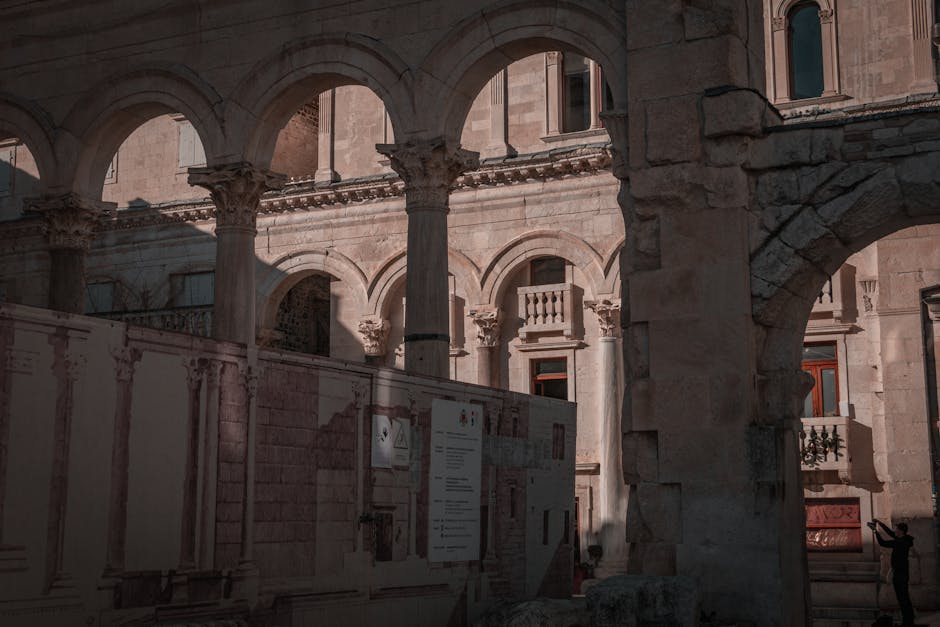
A few simple precautions before you step on palace ground will save you time and money. Since 2019, access to certain parts of Diocletian’s Palace is controlled by a ticket system; there are several options: single-entry tickets for St. Domnius Cathedral and the bell tower, access to the Diocletian’s Cellars (Podrumi), and a combined “Palace Museum” ticket that bundles several sites. Buying online from the museum’s official site or at the official ticket desks will spare you unauthorised resellers.
- Diocletian’s Palace Museum combined ticket (adults): about €20. This ticket usually includes access to the Cellars (Podrumi), the Palace Museum and the main archaeological area. Reduced rate: €12 for students and seniors (ID required). Indicative hours: 9:00–18:00 (April–October), 10:00–16:00 (Nov.–Mar.). Main ticket office address: Dioklecijanova palača, Peristil, 21000 Split, Croatia.
- Climb the bell tower of St. Domnius Cathedral (Katedrala Svetog Duje): about €8 per person. Hours: 9:00–20:00 in summer (June–Sept.), reduced in low season. Entrance at Ul. Kraj Svete Marije 1, 21000 Split.
- Cellars (Podrumi): often included with the combined ticket; otherwise standalone entry around €10. Hours similar to the Palace Museum.
- Split Archaeological Museum (Arheološki muzej Split): Ulica A. Hebranga 2000, 21000 Split. Price: ~€6–8. Hours: 9:00–17:00, closed Mondays. This museum is a good complement if you want deeper historical context.
Practical tips: avoid buying tickets from people on the street — informal resellers may give you expired tickets, photocopies or inflated prices. Prefer purchasing on the official Split City Museum / Diocletian’s Palace Museum website or at the ticket offices near the Peristyle (Peristil). If you’re in a group, book a certified local guide (check they carry a professional ID). Unlicensed independent guides can charge double without any quality guarantee.
Section 2: A detailed day itinerary — morning to night
Here’s a time-stamped itinerary for a full day (8:30–21:30) that optimises time to avoid long queues and overcrowded spots. The plan assumes you’re staying in central Split (or arriving at the port). It mixes historical visits, tasty breaks and local viewpoints.
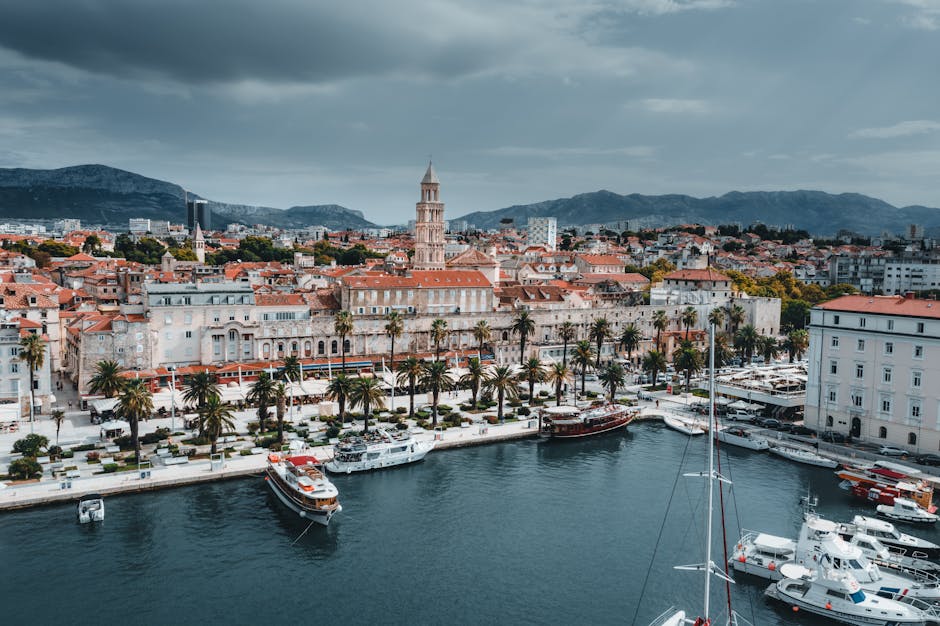
8:30 – 9:30: Breakfast on the Riva
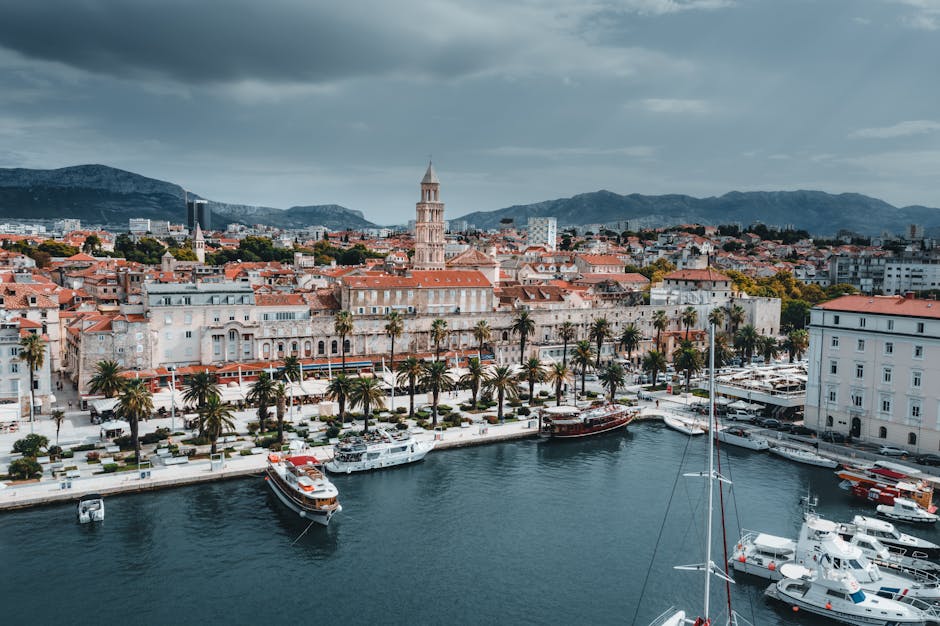
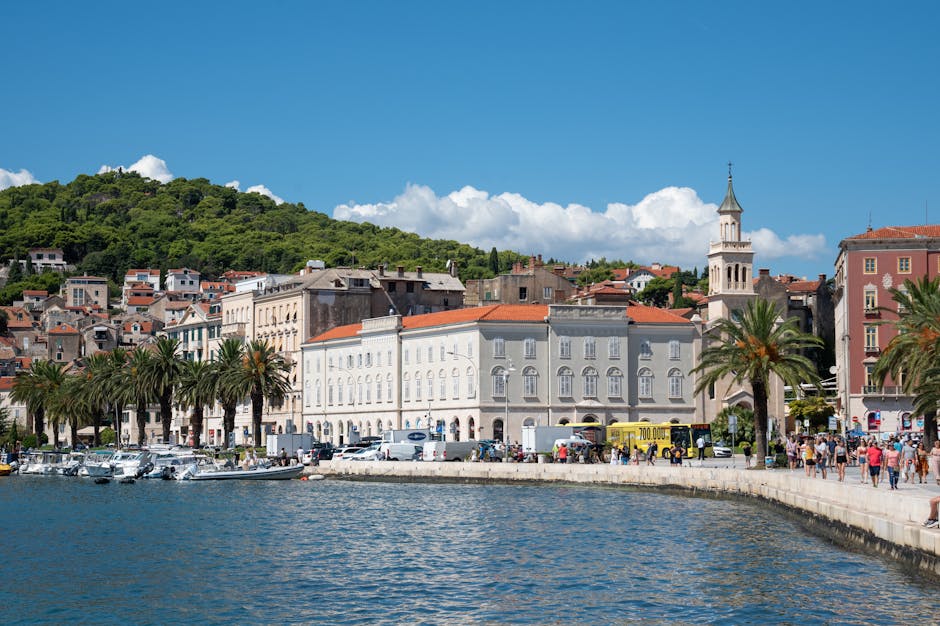
Start the day on the Riva promenade, Obala Hrvatskog narodnog preporoda, 21000 Split. Cafés open early; pick a terrace a little off the busiest stretch to avoid tourist prices (head west toward the port). Suggestion: Caffe Bar Gaj, Obala Hrvatskog narodnog preporoda 2, breakfast cost: ~€6–10 for coffee and pastry. Morning light on the harbour is great for photos and gives you a feel for how busy the day will be.
9:30 – 11:30: Peristyle, St. Domnius Cathedral and the bell tower
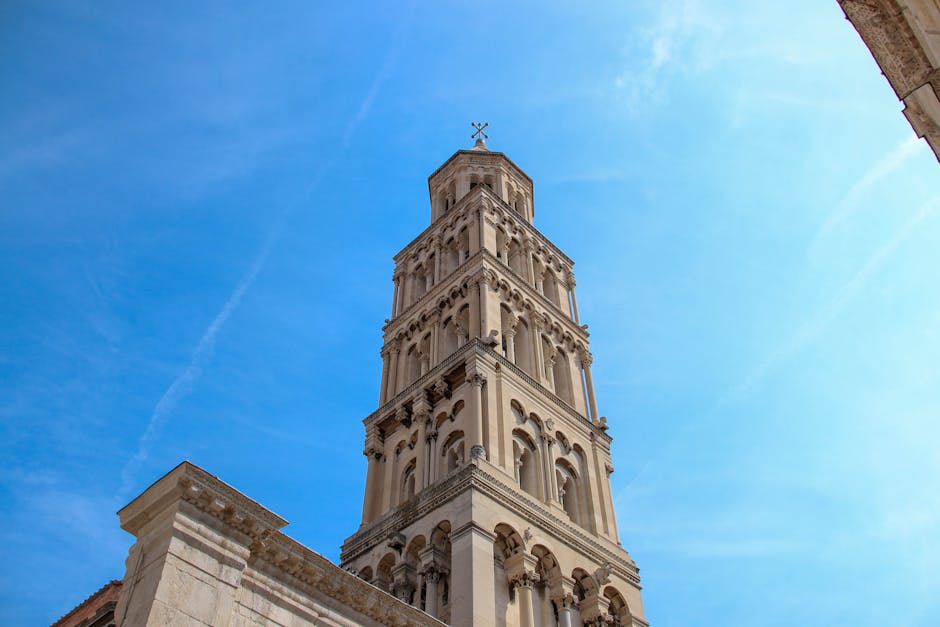
Head to the Peristyle (Peristil), the palace’s main courtyard at Peristil, Dioklecijanova palača, 21000 Split. If you have the combined ticket, enter through the official desk. Priority: St. Domnius Cathedral (Katedrala Svetog Duje, Ul. Kraj Svete Marije 1) and its bell tower. The cathedral itself is a short but rich visit; the bell tower climb (about €8) delivers sweeping views of Split and the sea — go early to avoid heat and queues.
11:30 – 13:00: Cellars and the Palace museums
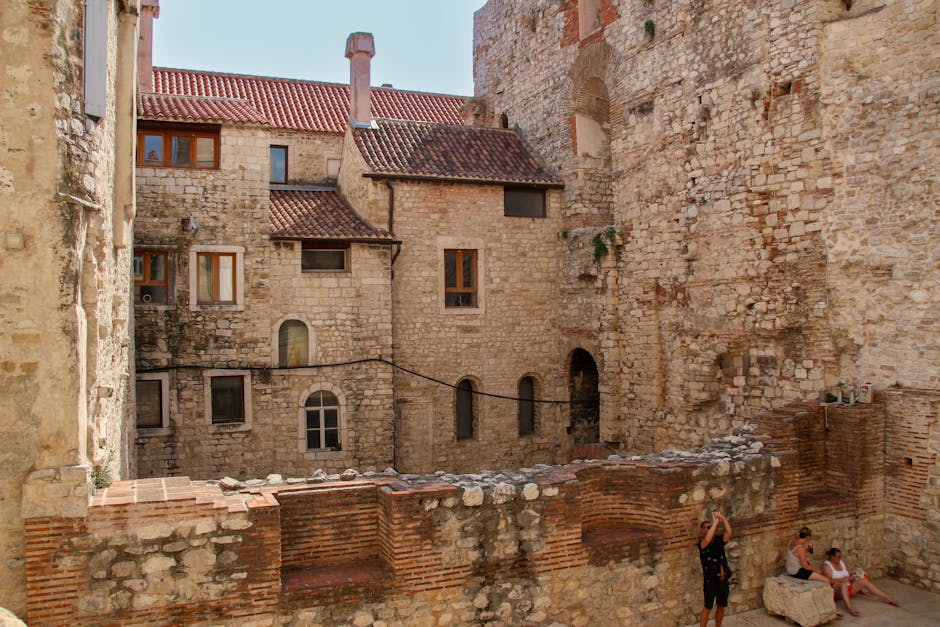
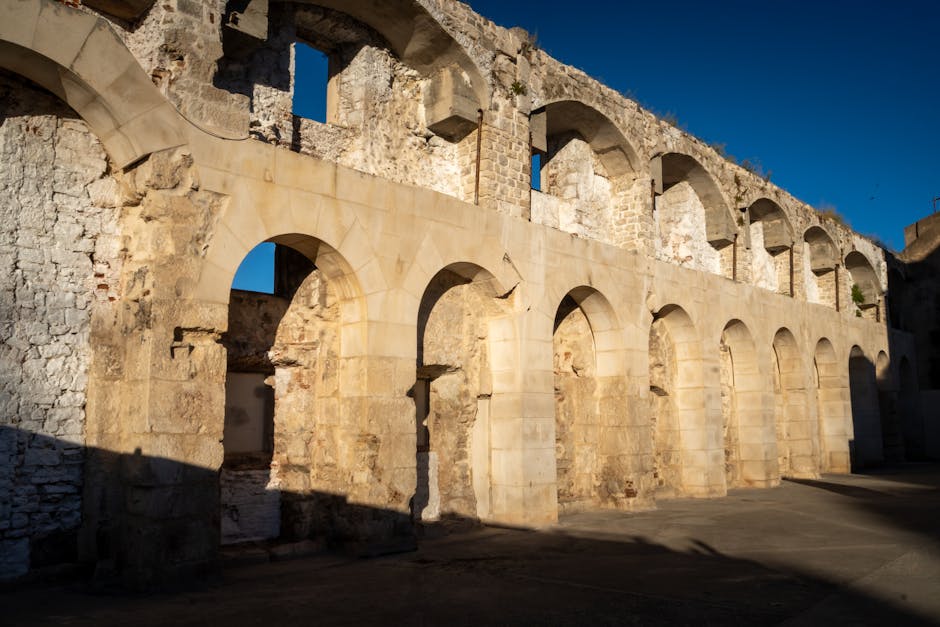
The Palace Cellars (Podrumi), cool and shaded, make a great mid-morning refuge. Their subterranean Roman architecture is well preserved; it’s also one of the palace’s most photographed spots thanks to the vaults and columns. If you have the combined ticket, visit these rooms before noon — they fill up in the afternoon. Prepare your camera: the contrast of shadow and light is dramatic and very photogenic.
13:00 – 14:30: Lunch — where and what to order
To have lunch without getting « taken, » avoid restaurants right opposite the Peristyle. Walk 3–5 minutes east or west into side streets. Credible, affordable recommendations:
- Konoba Fife, Sinjska ul. 7, 21000 Split — local dishes (pašticada, fish), generous portions. Average price: €8–15 per main. Open: 11:00–23:00.
- Bokeria Kitchen & Wine, Trg braće Radić 1, 21000 Split — refined Mediterranean cooking. Main course: ~€12–20. Evening reservations recommended. Hours: 12:00–23:00.
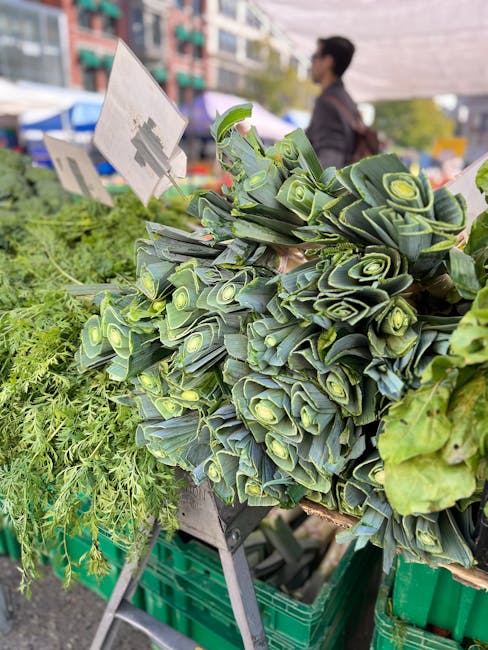
- Pazar (Green Market) lunch option: buy bread, cheese and fruit at the Pazar market, adjacent to Narodni trg, for an improvised picnic; budget €5–8 per person. Market open: 7:00–15:00, closed Sundays.
14:30 – 17:00: Walk to Veli Varoš and climb Marjan Hill
After lunch, head to Veli Varoš (the historic residential quarter west of the palace) to get a taste of local life away from the crowds. Indicative address: Veli Varoš, Ul. Uzvari 1, 21000 Split. Then make your way up Marjan Hill (Marjan Forest Park), one of the best panoramic viewpoints over Split. Access from Ul. A. Štifanića; the climb takes 30–45 minutes depending on fitness. From the top, the viewpoint looks out over the islands and the harbour — a perfect spot for photos and a rest.
17:00 – 19:00: Return to the palace, artisanal shopping and an afternoon coffee
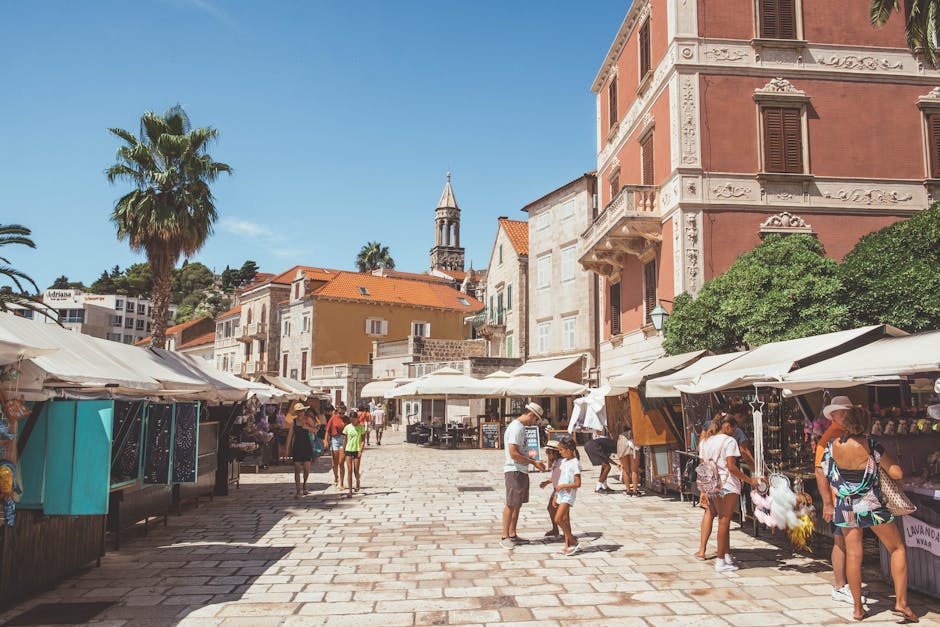
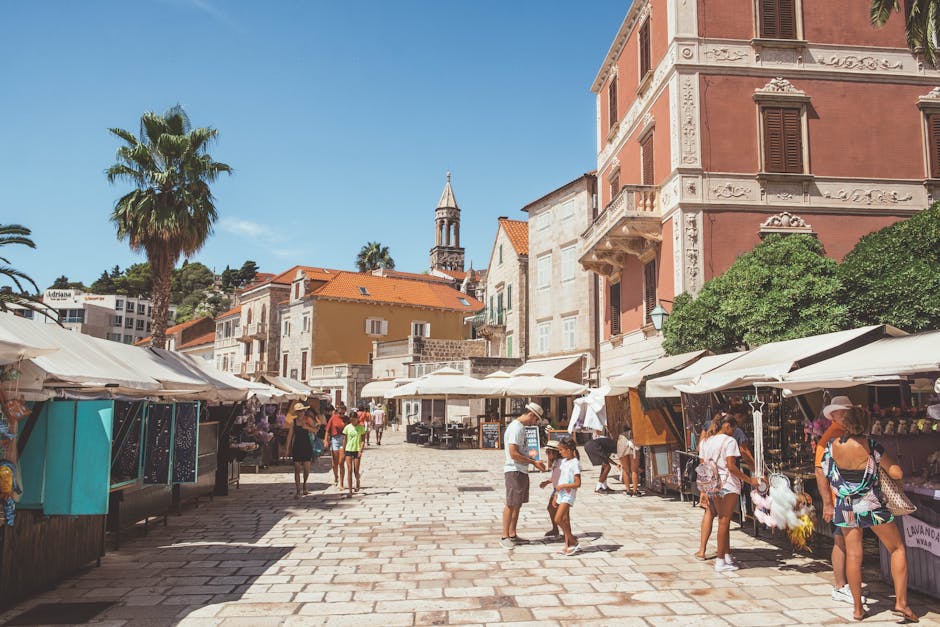
Head back down to the palace to enjoy the golden hour. Small craft shops and galleries sell authentic souvenirs (local ceramics, olive oil, handmade soaps). Beware of sellers offering « official » products at three times the price: compare and negotiate. A good spot to buy bottled olive oil: Dalmatian Olive Oil Shop, Ul. Kraj Svete Marije 3, approximate prices: €8–25 depending on size.
19:00 – 21:30: Dinner and evening on the Riva
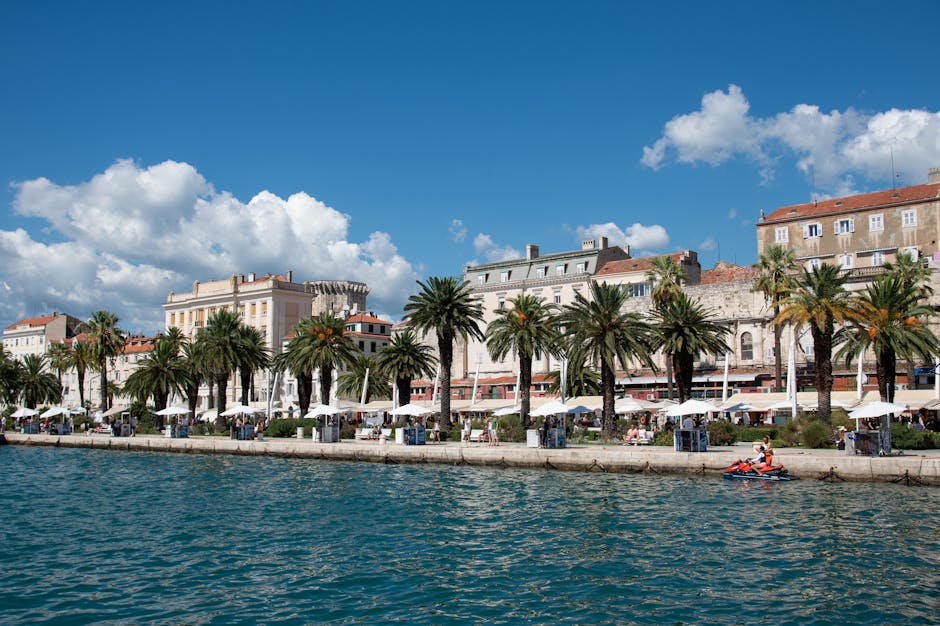
For dinner, return to the Riva or choose a terrace-style restaurant south of the palace. Prices go up after 8pm; compare the menus posted at the entrance (by law they must display prices). A recommended option for a full seafood experience is Restaurant Zrno Soli, Riva 12, 21000 Split: seafood specialties, mains ~€18–28, reservations advised. Finish the evening with a stroll along the quay or a cocktail at a Riva bar.
Section 3: Practical details and tips to avoid scams
Scams in Split are usually straightforward: hidden prices, forced tips, taxis without meters, fake tickets and unlicensed « guides. » Here’s how to spot and avoid them.
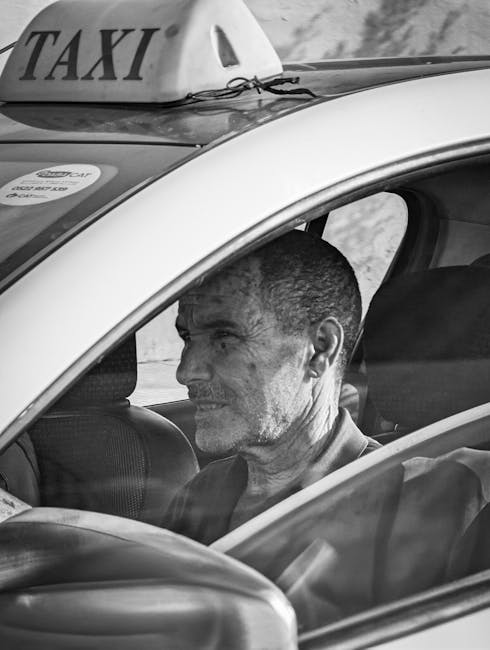
- Taxis: insist on the meter or note the fixed fare posted. Useful pickup at the port: Port of Split (Trajektna luka, Riva 1, 21000 Split). Indicative port–city center fare: €4–8. Drivers asking for a per-person flat rate without the meter are suspicious; take out your phone and photograph the license plate if needed. Alternative apps like Bookirs or local ride apps can be more reliable than haggling on the spot.
- Tickets and guides: don’t buy tickets from people who approach you on the street. Guides must be able to show a professional card issued by the Croatian Guide Chamber. Private guide rates for 2–3 hours: €60–120 depending on experience and season. If the price seems unrealistically low, walk away.
- Restaurants: check the posted menu, ask whether the price is per portion or per kilo (for fish). Free “welcome” starters can sometimes end up on the bill — refuse any service you didn’t ask for.
- Shopping: for olive oil, jewellery and lace, ask for a label or receipt. Markets like Pazar or municipal shops sell certified products; avoid vendors insisting you pay cash elsewhere.
- Money and cards: most restaurants take cards, but small shops and cafés prefer cash. Withdraw cash at official bank ATMs (visible in the centre, e.g. Hrvatska poštanska banka, Marmontova ul. 1) to avoid high fees. Withdrawal fees vary: expect ~€2–3 per withdrawal depending on your bank.
Behavior tips: keep valuables in an inner pocket, don’t leave a bag unzipped on a chair and avoid confrontations with pushy vendors. Most locals are helpful and honest — problems tend to come from opportunists. In case of a dispute (for example an odd bill), calmly ask for a detailed receipt; most restaurants will correct a mistake. If needed, report incidents to the local tourist police: Tourist Police, Policija Split, Ulica Domovinskog rata 36, 21000 Split.
Section 4: Extra visits and half-day excursions
If you have extra time, Split makes an excellent base for short trips. Below are options by duration and intensity, with addresses and approximate prices.
- Trip to Hvar or Brač islands (from the port): regular ferries from Jadranske Linije, Port of Split, Riva 7. Price: €7–20 one-way depending on destination. Duration: 50 min–2h. Book ahead in high season.
- Visit medieval Trogir (UNESCO): 30 minutes by bus. Buses from the bus station Autobusni kolodvor Split, Obala kneza Branimira 2. Ticket price: ~€3–5 one-way. Trogir is ideal for exploring a fortress town and old alleyways without Split’s crowds.
- Guided hike in Mosor Nature Park: for hikers, departures from Žrnovnica or routes near Split. Guide/transport rates: €30–70 depending on duration. Book through a local agency if you’re not confident with navigation.
- Diving and snorkeling: several centres at the harbour offer introductory dives for about €40–80 depending on gear and duration. Indicative address: Blue Planet, Obala kneza Domagoja 11, 21000 Split.
Tips: for local ferries, prefer companies with official ticket offices (Jadrolinija on some routes, or local operators with online reviews). For private boat trips — very popular — always check the boat’s licence and insurance; a 3–4 hour island and cove tour typically costs €40–80 per person if booked via an agency, and €200–400 for a half-day private rental (capacity 6–10 people).
Conclusion: enjoy Diocletian with confidence
Visiting Diocletian’s Palace in Split isn’t just ticking off an attraction: it’s immersing yourself in a city where the ancient and the modern coexist in a living weave of cobbled alleys, terraces and homes. By planning ahead — buying official tickets, choosing smart times, booking reliable restaurants and watching for scam signals — you turn a tourist stroll into a memorable, stress-free day. The addresses and prices in this guide give you a realistic base to budget your day: expect about €30–60 per person for a full day (visits, lunch, drinks), depending on your restaurant choices and extra excursions.
Remember the best local tip is often to walk: leave the Peristyle at peak times, get lost in Veli Varoš, climb Marjan for late-afternoon light, and treat yourself to a small café in a side lane. The photos you take from the bell tower, in the cellars or on the Riva will be lasting mementos — but what will linger most is the feeling of having glimpsed everyday life in Split. Always keep proof of purchase (ticket, receipt) and screenshots of bookings: if in doubt, they make any claim much easier.
If you’d like, I can provide a printable PDF of this itinerary, an interactive map with integrated GPS addresses, or a summary table of up-to-date opening hours and prices for your travel season. I can also prepare a personalised guided tour (3h, 4h or full day) with a cost estimate and a route tailored to your interests (history, photography, food). Have a great trip to Split — and remember: a little preparation saves many disappointments and multiplies real discoveries.