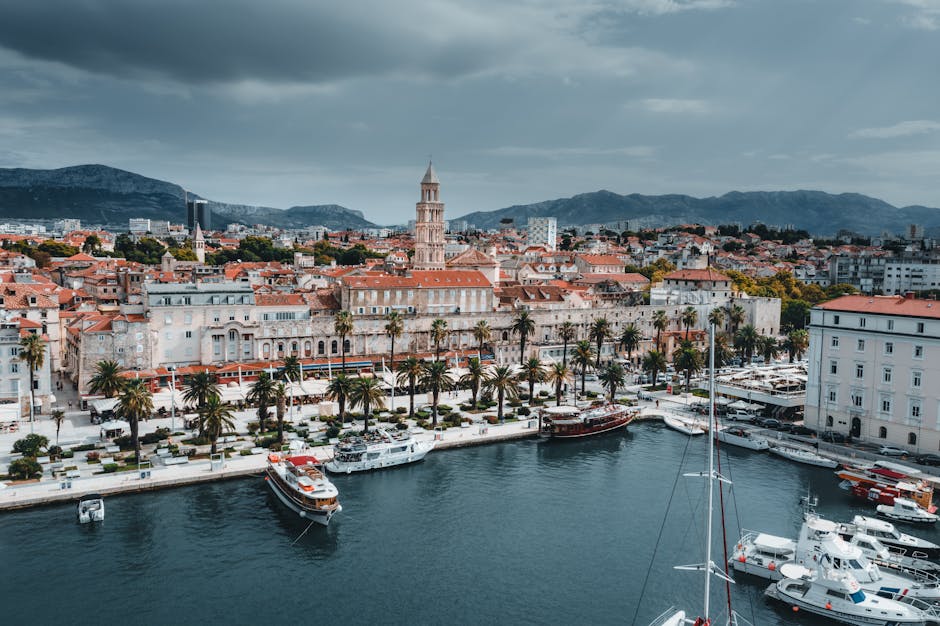






Introduction: Where to stay in Split — picking the right neighborhood for your first visit
Split, Croatia’s second city, blends ancient history with lively urban life and Adriatic beaches. For a first-time visit, choosing the right neighborhood matters: you can dive into the historic buzz around Diocletian’s Palace, enjoy the tranquil slopes of Marjan Park, soak up the beachy, trendy vibe at Bačvice, or pick practical residential areas like Spinut or Meje. Each neighborhood offers a different mix of accommodation styles, price ranges, transport access and atmosphere — this guide will help you decide, with exact addresses, price ranges in euros, useful opening times, immersive descriptions and local tips.
On your first trip your priorities will likely be proximity to historic sites, beach access, ease of catching ferries and buses, and a good selection of restaurants and bars. The historic center — around Diocletian’s Palace (Dioklecijanova palača, Ulica kralja Tomislava 1) — is perfect for being in the heart of the UNESCO-listed heritage: you’ll wake up amid cobbled streets and Roman facades, though nights can be noisy and prices higher. Neighborhoods like Marjan or Spinut offer more calm, panoramic views and family-friendly apartments with better value while still being a 10–20 minute walk from the center.
This guide covers Split’s main neighborhoods — Varoš and the historic center, the Riva and the port, Bačvice, Marjan, Spinut and Meje, Žnjan and the southern coast — listing typical places to stay (hotels, guesthouses, apartments, hostels), exact addresses, example rates in euros, plus practical timings and tips (beaches, museums, boat connections). I also outline key amenities: where to catch a taxi, where the main bus station and ferry terminal (Trajektna luka Split) are, and how to make the most of getting around in high season. At the end you’ll find recommendations based on traveler type: solo, couple, family or budget traveler.
Prices shown are realistic estimates for low and mid seasons; in July–August expect increases of 20–50% depending on demand. Attraction opening times are indicative — always check official sites before you go. Finally, a few local tips will help you avoid tourist traps while enjoying authentic experiences: food markets, Dalmatian specialties to try (pašticada, fresh grilled fish), and the best times to visit Diocletian’s Palace away from the crowds. Pack your bags: Split is compact but rich in discoveries — picking the right neighborhood to sleep in will shape your experience.
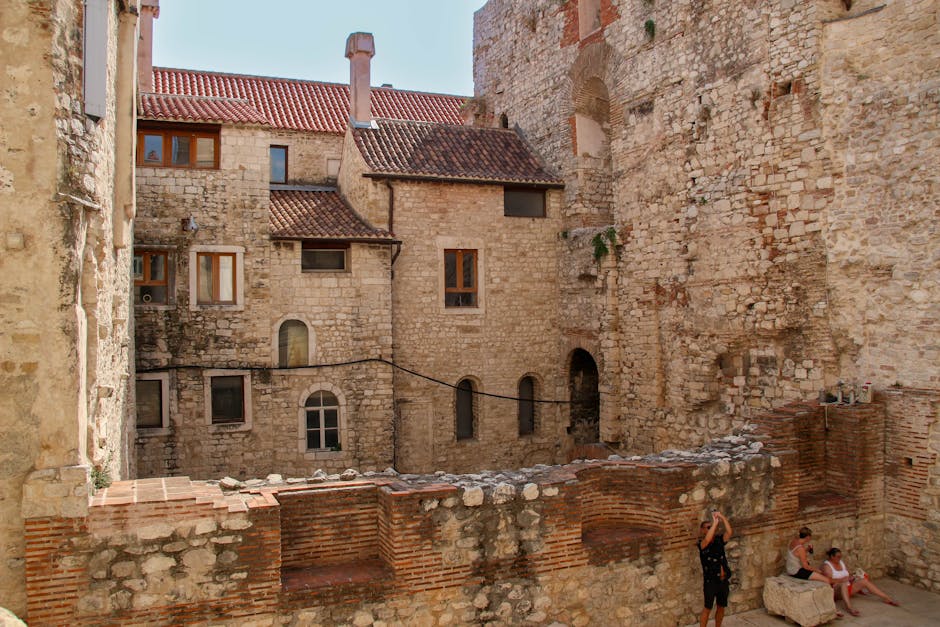
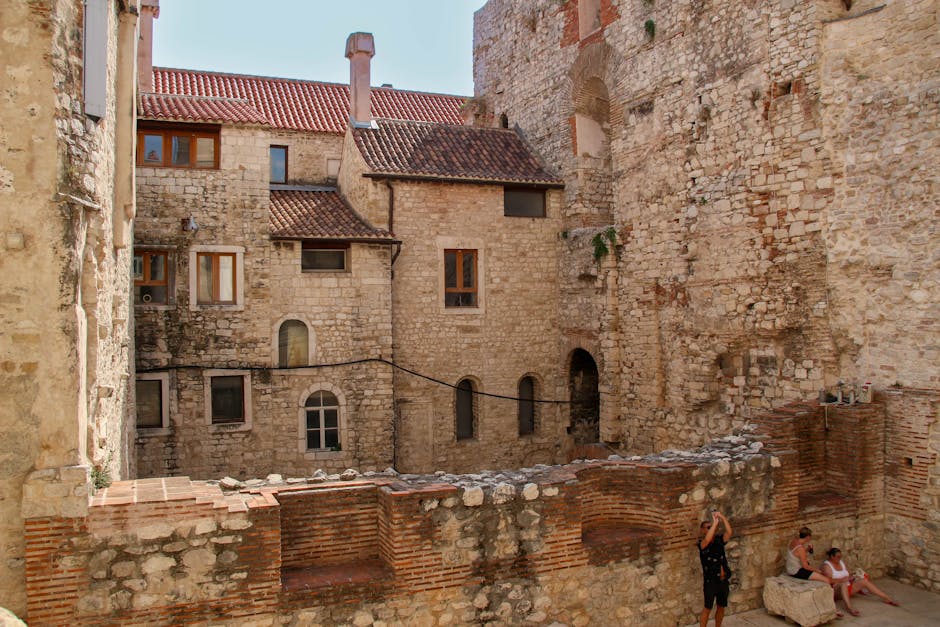
The historic center (Diocletian’s Palace and Varoš): archaeological immersion, staying in the city’s heart
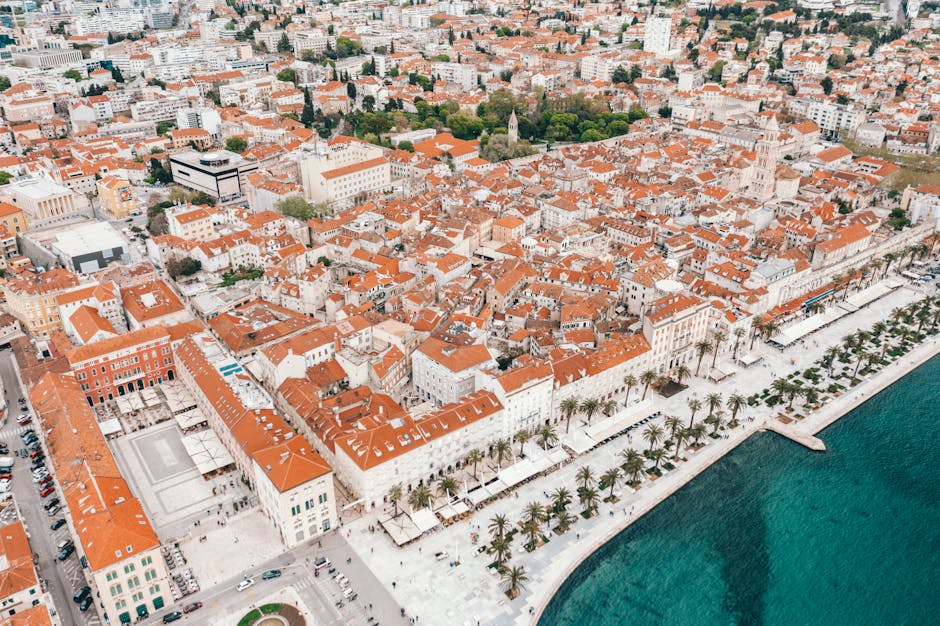
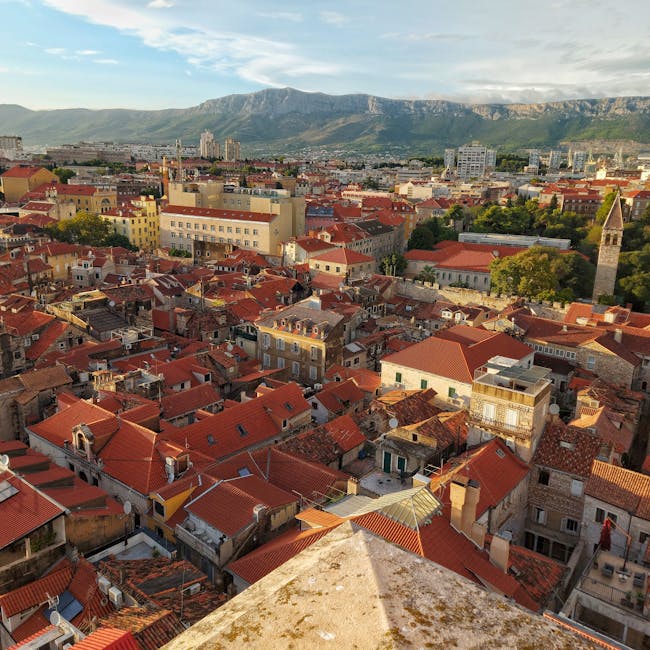
Split’s historic center, built around Diocletian’s Palace (Dioklecijanova palača, Ulica kralja Tomislava 1), is the ideal choice if you want to wake up immersed in 1,700 years of history. Staying here means stepping through Roman gates on your way to morning coffee, visiting the Cathedral of Saint Domnius (Katedrala sv. Duje, Kraj 1), and wandering through medieval passageways. The streets are cobbled and sometimes narrow; it’s very touristy but incredibly photogenic.
Typical accommodation:
- Apartments Luxury Split, Poljana kraljice Jelene 10, 21000 Split — one-bedroom apartment from €80 / night in low season, €120–€180 in summer. Exact address, book via official site or rental platforms. Accessible entrance but pedestrian alleys limit car access.
- Heritage Hotel Antique Split, Iza Vela vrata 6, 21000 Split — double rooms from €110 / night. Breakfast €10 per person. Boutique hotel integrated into historic walls.
- Hostel Split Guesthouse, Ulica Svaca 5, 21000 Split — dorm beds from €18–€30 / night, private rooms from €50. Good for solo travelers.
Opening hours and attractions:
- Diocletian’s Palace: public spaces are open continuously; museums and basements follow seasonal hours; Muzej grada Splita (Split City Museum), Papalic Palace typically visitable 9:00–17:00 (hours vary May–Sep). Museum tickets €4–€7.
- Cathedral of Saint Domnius: open 9:00–19:00 in summer; basilica entrance free, bell tower open 10:00–19:00, bell tower ticket €5–€7.
Atmosphere and downsides: The center hums day and night, with restaurants like Bokeria Kitchen & Wine (Trg braće Radić 4, 21000 Split, dishes €10–€25) and cafés set in former Roman cellars. However, streets can be loud late into the night, parking is scarce and many properties have stairs. Practical tip: choose an apartment or hotel with air conditioning and double-glazed windows for better nighttime comfort. For groceries and local color, the market (Pazar) takes place at Lučac square, busy mornings 7:00–13:00.
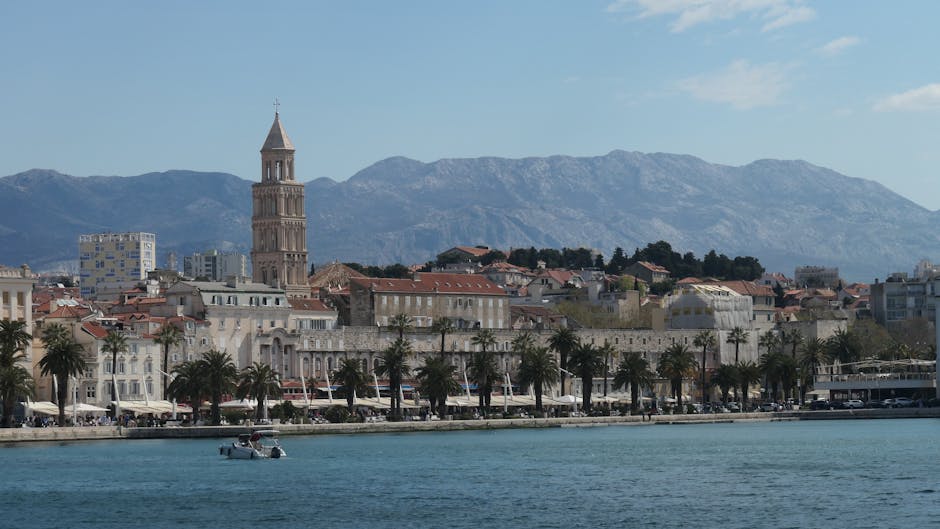
The Riva and the port: waterfront living, easy ferry access and maritime atmosphere
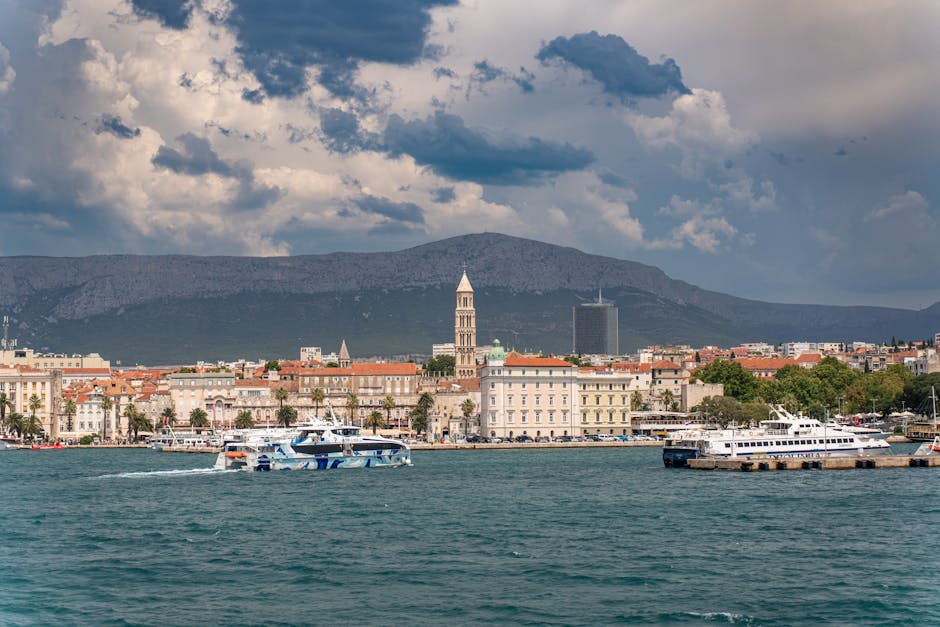
The Riva (Obala Hrvatskog narodnog preporoda) is Split’s iconic waterfront promenade, running along the main port with continuous sea views and ferry activity. Staying here means you’re steps from the quays — ideal if you plan island trips to Hvar, Brač or the Kaštela bay. The main terminal, known as Trajektna luka Split (Address: Riva 1, 21000 Split), serves ferries and fast boats (Jadrolinija, Krilo — Kapetan Luka). The quays are lively, with cafés opening at dawn and bars going until midnight.
Typical accommodation:
- Hotel Park Split, Ulica Zrinsko-Frankopanska 3, 21000 Split — 4-star hotel 150 m from the Riva. Double rooms from €120 / night in low season; spa, outdoor pool, breakfast €12.
- Radisson Blu Resort & Spa, Split (a bit further, 5 minutes by taxi), Put Trstenika 19, 21000 Split — rooms from €140 / night, spa and large facilities, parking available €18 / day.
- Apartment Riva Split, Obala Lazareta 5, 21000 Split — studio with port view, €70–€130 / night depending on season.
Times and services:
- Ferry services: Jadrolinija lines dock at berths 1–3, schedules vary — ferry to Supetar (Brač) 2–4 times daily, tickets €8–€12; catamarans Krilo to Stari Grad (Hvar) and other islands run multiple times per day, fast tickets €15–€30 depending on destination and season.
- Riva promenade: cafés and restaurants typically open 7:00–23:00; some bars stay open until 1:00–2:00 in high season.
Why pick the Riva: sea views, easy boat travel, immediate proximity to main routes. Downsides: quay noise and higher dining prices. Local tip: book ferries early in the morning to avoid queues; if you want quieter nights, request a room facing the courtyard rather than the sea if you’re sensitive to dock noise.
Bačvice and the beach life: swimming, beach cafés and a youthful vibe
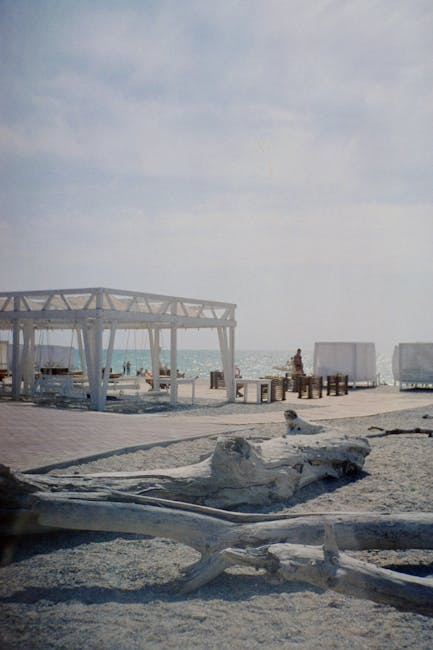
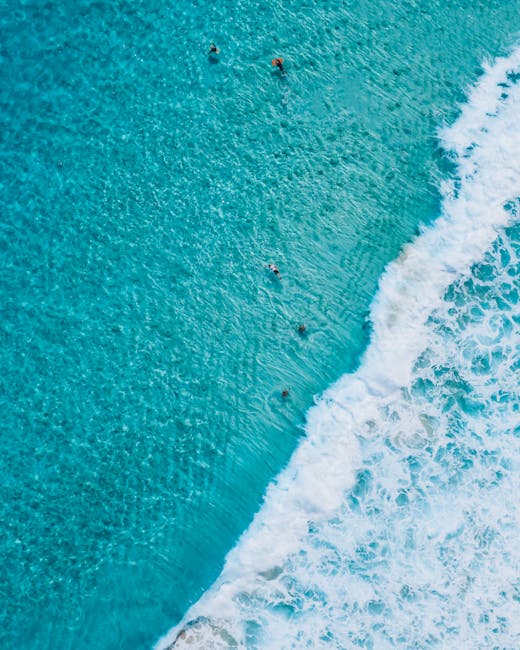
Bačvice (Bačvice Beach, Ulica kneza Domagoja 10, 21000 Split) is Split’s most popular beach, known for its rare sandy shore in Croatia, shallow waters and nightlife. It’s the neighborhood for travelers who want easy swimming by day and lively evenings. The beach is a 10–15 minute walk from the historic center, so it’s very convenient.
Typical accommodation:
- Le Méridien Lav Split (nearby but on the other side of the port), Maistra property, Address: Put Trstenika 19, 21000 Split — from €160 / night; good for families, spa facilities. (If you prefer to stay close to Bačvice, check smaller local hotels)
- Hotel Adriatic, Kraj 5, 21000 Split — boutique hotel nearby, rooms from €120 / night. Terrace and attentive service.
- Hostel Bačvice, Ulica kralja Zvonimira 17, 21000 Split — dorm beds €20–€35, private rooms €50–€75.
Hours and activities:
- Bačvice Beach: open 24/7 for access but services (sunbed rentals, showers) operate 8:00–20:00. Sunbed rental €6–€12 / day; umbrella €8–€15 depending on spot.
- Clubs and cafés: Makarun Beach Bar and O’Hara Beach Bar are popular spots, generally open 10:00–02:00; concerts and DJs in summer.
Vibe: Bačvice draws a young crowd, students and tourists who like partying and beach activities: volleyball, swimming and the local game « picigin » (a traditional shallow-water ball game). For families, mornings are best before the beach gets busy. Practical tip: reserve sunbeds and umbrellas in high season; otherwise arrive early (before 9:30) to secure a free spot.
Marjan, Meje and Spinut: residential calm, panoramic views and nature walks
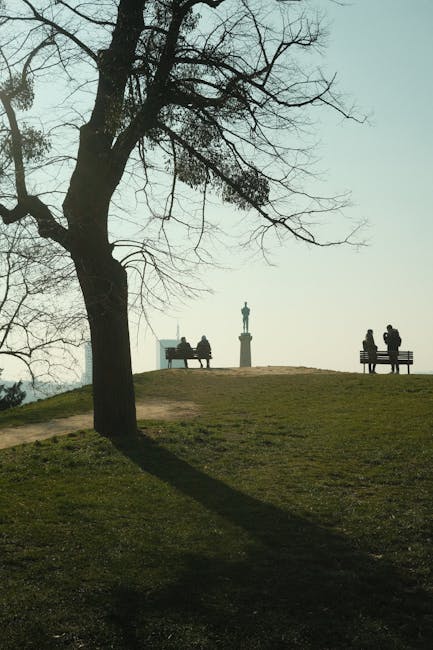
If you’re after peace and green surroundings, the areas around Marjan Park, Meje and Spinut offer a great balance. Marjan Park (Marjan Park, ul. Marjanska cesta, 21000 Split) is a wooded hill overlooking the city with trails, viewpoints and small coves. Staying here often means apartments with balconies, parking and quicker access to bike paths and quieter beaches like Kašjuni or Bene.
Typical accommodation:
- Hotel Park Split (bordering Marjan), Ulica Zrinsko-Frankopanska 3, 21000 Split — 10 minutes from Marjan, double rooms €120 / night. Great for visitors seeking comfort and nearby walks.
- Apartments Kasjuni, Put Borić 15, 21000 Split — two-bedroom apartments €90–€160 / night, very close to the Kašjuni cove (quiet, clear waters).
- Guesthouse Villa Nobilo, Meje area, Meje 3, 21000 Split — family rooms €80–€140 / night, on-site parking.
- Urban & Nature Apartments Spinut, Ulica Stina 12, 21000 Split — studios €55–€95 / night, residential neighborhood, 10–15 min walk to center and beach.
Hours and access:
- Marjan Park: open freely 24/7; best to use trails in the mornings 6:00–10:00 for cooler temperatures and sunrise views. Vidilica viewpoint opens early and is ideal for panoramic city-sea shots.
- Kašjuni and Bene beaches: limited service off-season; in summer sunbeds €6–€15 / day; small taverns open 10:00–22:00.
Atmosphere and tips: These neighborhoods suit families and travelers seeking quiet nights, morning walks and outdoorsy activities. Accommodations are often more spacious and cheaper than the center. Local tip: rent a bike (many rental shops around the Riva, rates €12–€20 / day) to reach Marjan’s summit and hidden coves easily. If it rains or it’s very hot, the restaurants inside the park offer a relaxed setting; try grilled fish with a fresh Dalmatian salad (portion prices vary, €12–€25).
Žnjan and the southern coast: modern options, wide beaches and new complexes
Žnjan (Žnjan Beach, Ulica Domovinskog rata, 21000 Split) is a large redeveloped waterfront with long pebble beaches, promenades and new modular cafés. The area is developing fast, offering modern apartment complexes and family-friendly facilities. It’s a good choice if you’re driving or looking for newer, more spacious places to stay.
Typical accommodation:
- Hotel Cornaro, Ulica Kralja Zvonimira 16, 21000 Split — rooms €100–€150 / night; well located between the center and Žnjan.
- Apartments Žnjan Beach View, Ulica Nad Brdom 44, 21000 Split — modern apartments €75–€140 / night, often with private parking.
- Resort & Apartments Žnjan, Domovinskog rata 20, 21000 Split — new units €90–€180 / night depending on size.
Hours and services:
- Žnjan Beach: access 6:00–22:00; cafés and rentals 8:00–20:00. Kayak and stand-up paddle rentals €15–€35 / hour depending on season.
- Shops and access: Tommy supermarket Žnjan (Put Zemunik 12, 21000 Split) open 7:00–21:00 (hours vary on weekends).
Vibe and downsides: Žnjan isn’t as picturesque as the old town but makes up for it with modern infrastructure, bigger beaches and reasonable rates for new accommodation. If you’re driving you’ll appreciate the parking and space; on the minus side, it lacks the historic atmosphere. Local tip: combine a stay in Žnjan with a day in the historic center — city buses no. 15 and 10 connect Žnjan to the Riva in 15–25 minutes depending on traffic, ticket €1.50 (check current fares).
Practical tips to choose your neighborhood and book
To decide, ask yourself: do you want to be in the middle of the action or somewhere quiet? Are you willing to walk 15–25 minutes a day? Are you traveling by car? Will you be taking ferries often? Here’s a quick match-up:
- If it’s your first time and you want history: choose the Historic Center / Varoš.
- If you prioritize beach time and a youthful scene: Bačvice is the right pick.
- If you arrive or depart frequently by ferry: stay on the Riva or near Trajektna luka Split.
- If you want calm, nature and views: Marjan / Meje / Spinut offer relaxation and panoramas.
- For modern apartments, easy parking and family facilities: Žnjan and the new developments.
Booking tips:
- Book early for July–August: secure popular hotels in the palace and on the Riva several months ahead.
- Check air conditioning and double glazing for hot months: essential in July–August.
- If you have a car, confirm parking availability (average cost €10–€20 / day in the center). Many historic properties don’t offer parking.
- Use local maps (Google Maps, offline maps): alleys and addresses can be misleading for vehicles; follow pedestrian directions if needed.
- Transport hubs: the main bus station is Autobusni kolodvor Split, Ul. Ruđera Boškovića 12, 21000 Split — ticket office hours 6:00–22:00; for ferries check Jadrolinija and Krilo for schedules and reservations.
Conclusion: Summary and final recommendations for your first stay in Split
Split offers a range of neighborhoods to suit every traveler. For a first visit, if your main goal is to dive straight into history and culture, pick the historic center around Diocletian’s Palace: you’ll be within walking distance of key monuments, restaurants and cafés, and will feel the energy of the old town. If you prefer beach life and lively evenings, Bačvice will deliver daytime activities (games, swimming) and nightlife (bars, DJs). For easy island access and frequent ferry trips, staying near the Riva and the port (Trajektna luka Split, Riva 1) will save you time.
If tranquility, nature walks and roomier accommodation are your priorities, turn to Marjan, Meje or Spinut: you’ll enjoy green surroundings, a welcome coolness in summer and family-sized apartments. Žnjan is the modern option with long beaches and recent infrastructure, ideal for travelers with cars and families seeking conveniences. Prices in euros vary widely by season: in low season (October–May) expect €50–€120 for a standard room depending on neighborhood; in high season (June–August) budget €100–€250 in the center and €70–€180 in residential areas.
Final practical tips: always check ferry and bus schedules before you travel (Jadrolinija — www.jadrolinija.hr; Krilo — www.krilo.hr), book accommodation and transport well in advance for July–August, and favor places with air conditioning and parking if you need them. Don’t miss the local food — recommended restaurants: Bokeria Kitchen & Wine (Trg braće Radić 4, 21000 Split), Konoba Matejuška (Riva 10, 21000 Split, fish and seafood €12–€30), and To Je Tako (Ulica Ivana pl. Zajca 9, 21000 Split) for traditional Dalmatian dishes. Take time to explore at dawn: the Palace, the Riva and Marjan’s viewpoints are especially magical at sunrise when the city slowly wakes and the Adriatic’s colors glow.
Enjoy your stay in Split: whether you connect with the city through its millennia-old stones, blue sea or green hills, choosing the right neighborhood will make your first visit memorable. Book according to your priorities, be ready to walk (or rent a bike), and savor the local cuisine and Dalmatian hospitality. If you’d like, I can create a 3-day itinerary tailored to the neighborhood you choose to stay in.